

Scrape remote job listings from We Work Remotely in minutes with Thunderbit, an AI-powered web scraper that reads the page and turns job posts into structured rows. You click AI Suggest Columns, then Scrape, and Thunderbit’s AI structures titles, companies, locations, tags, dates, and URLs for export. When you need deeper details, you can also use subpage scraping to visit each job page and enrich your dataset with descriptions and apply links.
🧑💻 What is We Work Remotely Scraper
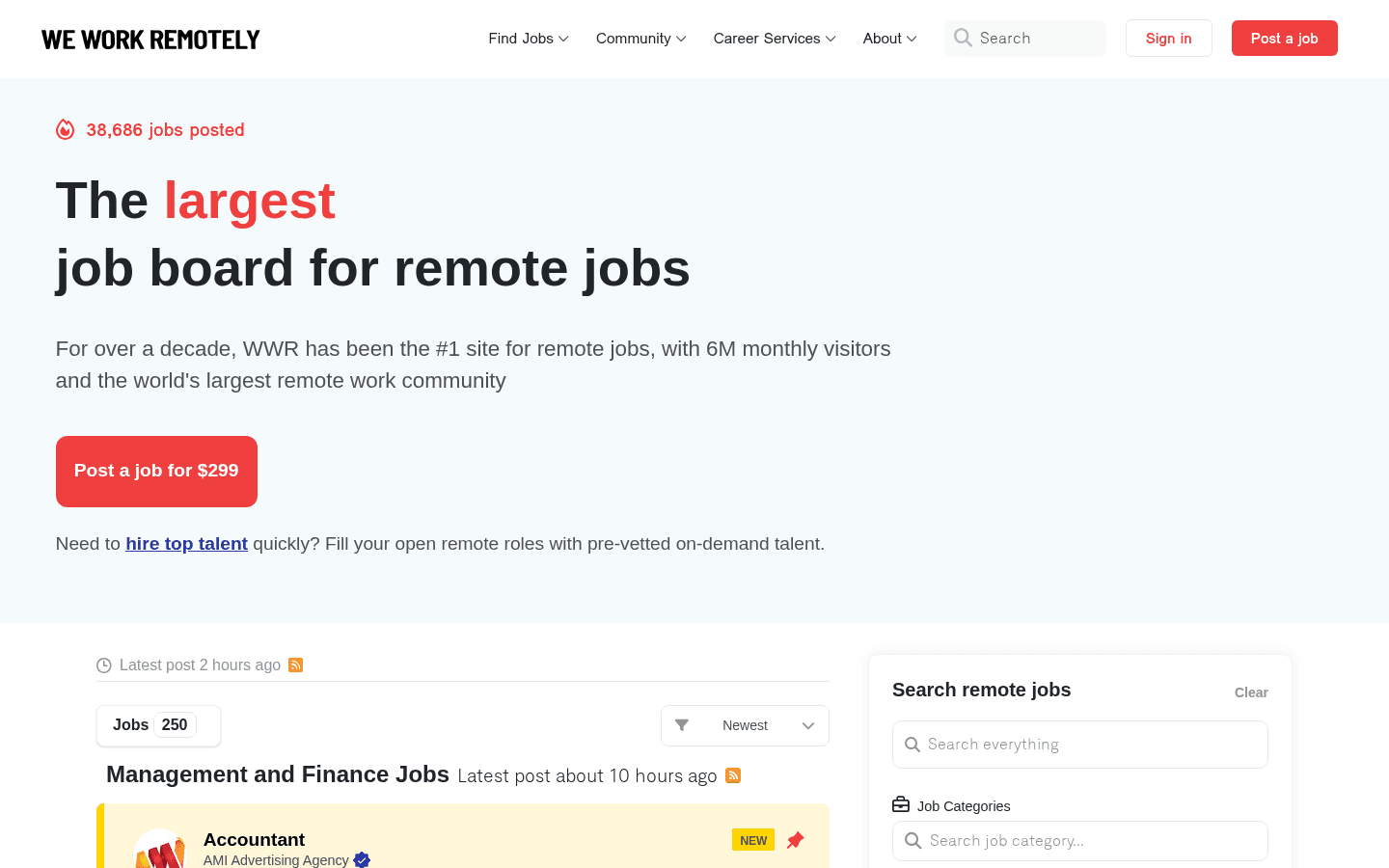
The We Work Remotely Scraper is an AI Web Scraper that helps you extract job listings and job details from We Work Remotely using the Thunderbit Chrome Extension. Instead of writing code or building brittle selectors, you open the page you want (like the remote jobs directory), click AI Suggest Columns, and then click Scrape to generate a clean table you can download or send to your tools.
With Thunderbit, you can also:
- Handle pagination and long lists
- Use Subpage Scraping to open each job post and capture full descriptions, requirements, and apply URLs
- Export to Excel, Google Sheets, Airtable, or Notion with free export options
🗂️ What can you scrape with We Work Remotely
We Work Remotely is a popular hub for remote roles across engineering, product, design, marketing, customer support, and more. With Thunderbit’s AI Web Scraper (https://thunderbit.com/), you can build a structured job database for sourcing, analysis, alerts, and reporting.
Scrape All Remote Jobs from We Work Remotely
This use case focuses on scraping the main remote jobs directory: All Remote Jobs. It’s ideal when you want broad coverage across categories and companies, then optionally enrich each row by scraping the job’s detail page.
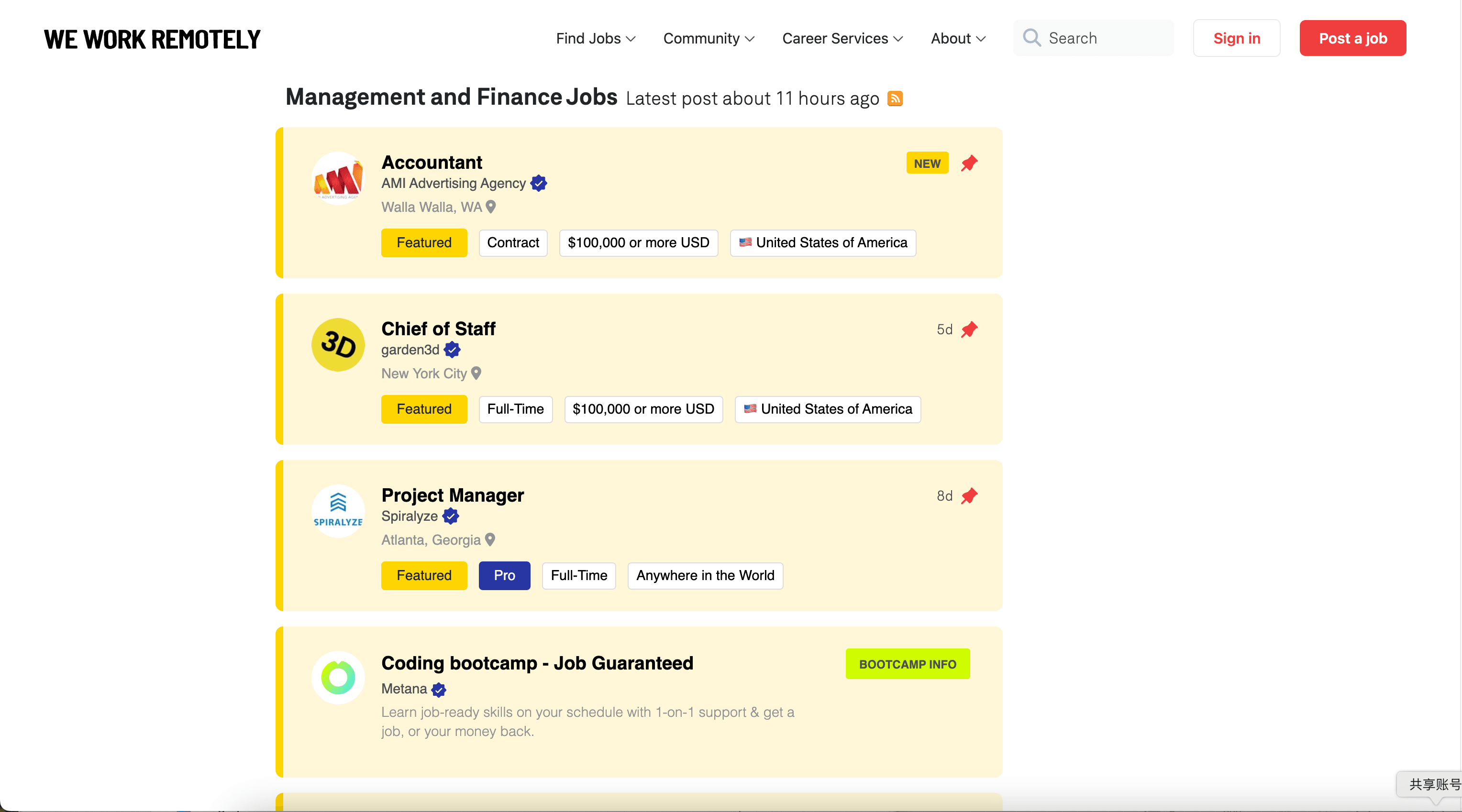
Steps:
- Download the Thunderbit Chrome Extension and register an account.
- Go to the destination page, for example: https://weworkremotely.com/remote-jobs
- Click AI Suggest Columns, which recommends column names.
- Click Scrape to run the scraper, get data, and download the file.
Column names
| Column | Description |
|---|---|
| 🧾 Job Title | The role title shown in the listing (for example, “Senior Backend Engineer”). |
| 🏢 Company | The company name associated with the job post. |
| 📍 Location / Region | Any location guidance such as “Worldwide,” “US only,” or region-based constraints. |
| 🏷️ Tags / Category | Labels like Programming, Design, Marketing, or other tags shown on the listing. |
| 🗓️ Posted Date | The date (or relative time) the job was posted, when available. |
| 🔗 Job URL | The link to the job detail page (useful for subpage scraping). |
| 🖼️ Company Logo URL | The logo image link when it appears in the listing. |
| 🧩 Short Summary | Any short snippet/preview text shown on the listing page. |
Tip: After scraping the listing, use Scrape Subpages to visit each Job URL and add fields like full description, requirements, salary (if present), and the apply link.
Scrape Remote Programming Jobs from We Work Remotely
This use case targets a specific category page: Remote Programming Jobs. It’s useful when you only care about engineering roles and want a cleaner dataset without filtering later.
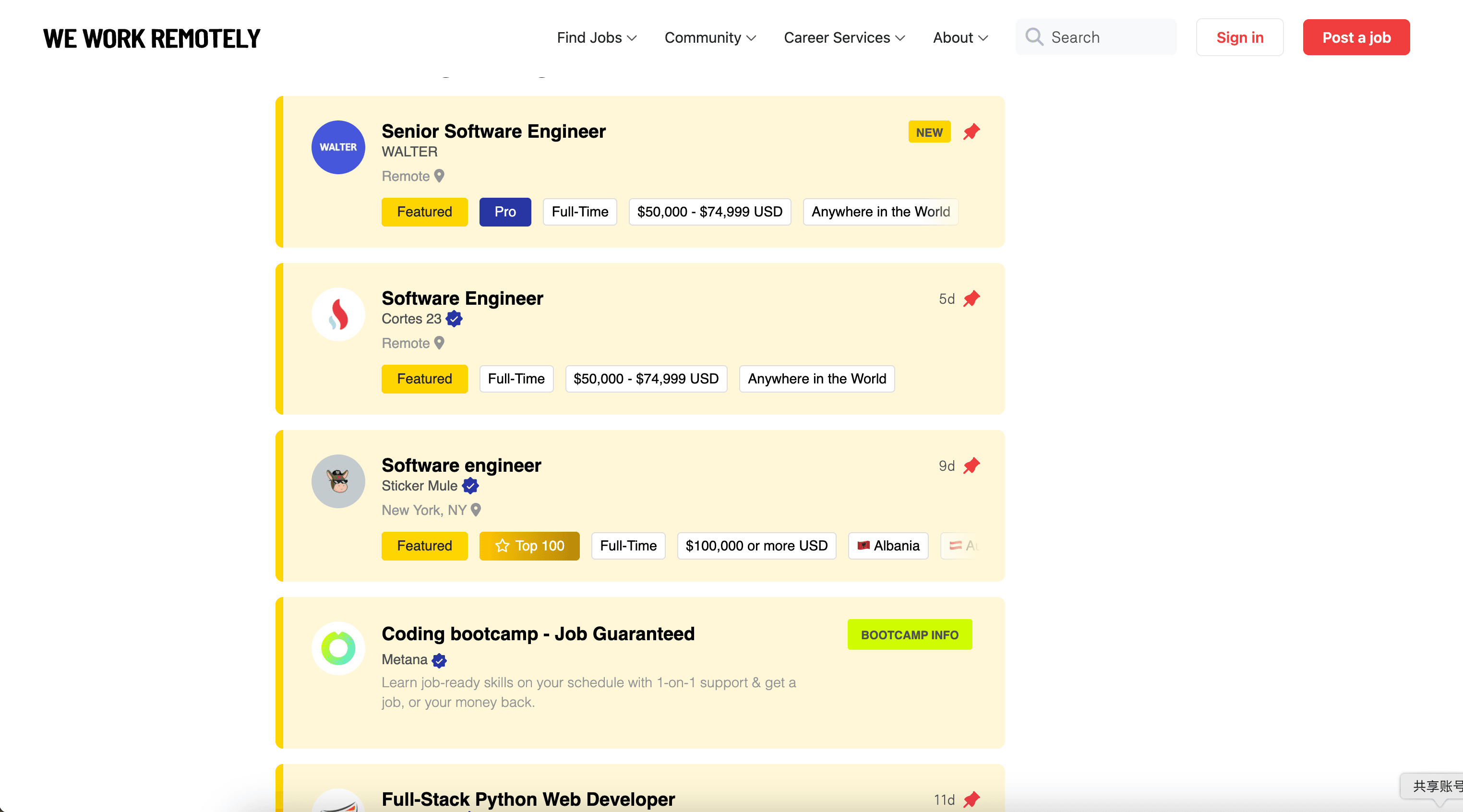
Steps:
- Download the Thunderbit Chrome Extension and register an account.
- Go to the destination page, for example: https://weworkremotely.com/categories/remote-programming-jobs
- Click AI Suggest Columns, which recommends column names.
- Click Scrape to run the scraper, get data, and download the file.
Column names
| Column | Description |
|---|---|
| 💻 Job Title | The programming role title as shown on the category page. |
| 🏢 Company | The hiring company for the role. |
| 🌎 Location / Timezone | Location requirements such as country, region, or timezone overlap. |
| 🧠 Tech / Tags | Any tags that indicate stack, seniority, or job type when shown. |
| 🗓️ Posted Date | The posting date or relative time indicator. |
| 🔗 Job URL | The job detail page link for enrichment via subpage scraping. |
| 🧾 Category | The category name (useful if you combine multiple category scrapes). |
| 📝 Notes (AI) | Optional: add a Field AI Prompt to summarize the role or classify it (for example, Backend/Frontend/Full-stack). |
🎯 Why Use We Work Remotely Tool
Scraping We Work Remotely helps you turn a fast-moving job board into a dataset you can search, filter, and operationalize.
Common reasons teams scrape We Work Remotely:
- Recruiting & talent sourcing: Build a pipeline of companies hiring remotely, track new postings, and prioritize roles by region, stack, or seniority.
- Sales & partnerships: Identify fast-growing remote-first companies and enrich leads with job signals (hiring = budget and urgency).
- Market research: Track hiring trends by category (programming vs. design), location constraints, and role frequency over time.
- Job seekers & career coaches: Create a personal job tracker in Google Sheets or Notion, deduplicate roles, and monitor new posts.
- Ecommerce and ops teams hiring technical talent: Keep a running list of engineering roles relevant to your niche.
Thunderbit’s advantage is that it’s built for business workflows: the AI Web Scraper (https://thunderbit.com/) structures the data for you, and Subpage Scraping enriches each row without you building complex crawlers.
If you want more background on modern scraping workflows, these guides help:
- How to Scrape Any Website Using AI
- What Is Data Scraping and How to Do It in 2025
- How to Scrape Website Data into Excel using AI
- What Is List Crawling and How to Do It Using AI
🧩 How to Use We Work Remotely Chrome Extension
- Install the Thunderbit Chrome Extension: Get it from the Chrome Web Store and create your account on Thunderbit.
- Navigate to a We Work Remotely page: Open either the All Remote Jobs page or the Remote Programming Jobs category.
- Activate AI-Powered Scraper: Click AI Suggest Columns to generate column names, data types, and optional Field AI Prompts. You can rename columns or add new ones like “Seniority” or “Comp Range (if listed).”
- Scrape and enrich: Click Scrape to collect rows. Then use Scrape Subpages to visit each job URL and pull full descriptions, apply links, and other details.
Pro workflow: Export to Google Sheets for collaboration, or Airtable/Notion if you want a lightweight ATS-style database. Exports are free.
💳 Pricing for We Work Remotely
Thunderbit uses a simple credit system:
- 1 credit = 1 output row (one job listing row in your results table).
- The AI-powered scraping experience is included, and data export is free (CSV/JSON, Excel, Google Sheets, Airtable, Notion).
What you can try for free:
- Free tier: scrape 6 pages per month.
- Free trial: scrape 10 pages for free, which is a good way to test listing + subpage enrichment on We Work Remotely.
Typical cost per run (example):
- If you scrape 5 pages of listings and get 80 job rows total, that’s 80 credits.
- If you then enrich those 80 jobs with subpage scraping and add one enriched row per job, you’ll still typically count rows output, so plan credits around how many job rows you want in your final table.
Paid plans (monthly and yearly) scale with your volume, and the yearly option is usually the most cost-effective if you scrape consistently. See full details on Thunderbit Pricing.
| Tier | Pricing (Monthly) | Pricing (Yearly) | Yearly Total Price | Credits (Monthly) | Credits (Yearly) |
|---|---|---|---|---|---|
| Free | Free | Free | Free | 6 pages | N/A |
| Starter | $15 | $9 | $108 | 500 | 5,000 |
| Pro 1 | $38 | $16.5 | $199 | 3,000 | 30,000 |
| Pro 2 | $75 | $33.8 | $398 | 6,000 | 60,000 |
| Pro 3 | $125 | $68.4 | $796 | 10,000 | 120,000 |
| Pro 4 | $249 | $137.5 | $1,592 | 20,000 | 240,000 |
❓ FAQ
-
What is the AI Powered We Work Remotely Scraper?
The AI Powered We Work Remotely Scraper is a workflow in Thunderbit that extracts job listings and job details from We Work Remotely and converts them into a structured table. You can scrape listing pages, then enrich each row by visiting job detail pages using subpage scraping. -
What is Thunderbit?
Thunderbit is an AI Web Scraper Chrome Extension that helps you extract structured data from websites, PDFs, and images without coding. It’s designed for business users who want fast setup, reliable extraction, and easy exports to tools like Google Sheets, Airtable, and Notion. -
Do I need coding skills to scrape We Work Remotely?
No. You click AI Suggest Columns and Thunderbit’s AI proposes the fields to extract based on what it sees on the page. You can adjust the columns in plain English, then click Scrape. -
Can Thunderbit scrape job descriptions and apply links too?
Yes. After scraping the listing page, you can use Subpage Scraping to open each job’s detail page and extract fields like full description, responsibilities, requirements, and the apply URL. This is especially helpful when the listing page only shows a title and company. -
How does pagination work on We Work Remotely pages?
Thunderbit supports pagination scraping for both click-based pagination and long scrolling lists, depending on how the site is structured. If the job directory spans multiple pages, you can scrape multiple pages in one run and keep the output in a single table. -
What data can I export, and where can I send it?
You can export your results to CSV/JSON, download for Excel, or send directly to Google Sheets, Airtable, or Notion. Export is free, which makes it easy to build a shared job tracker or a searchable database. -
What is the difference between Cloud Scraping and Browser Scraping for job boards?
Cloud Scraping is typically faster and can process many pages in batches, which is useful for public job listings. Browser Scraping runs in your Chrome session and is better when a site needs your login or has content that loads based on your local session. -
How many jobs can I scrape with the free plan?
The free plan is measured in pages, not jobs: you can scrape 6 pages per month. If each page contains many job rows, you can still capture a meaningful dataset, and you can start a free trial to scrape 10 pages while testing your workflow. -
Is it okay to scrape We Work Remotely for recruiting or research?
Scraping public web pages is common for research and business intelligence, but you should always follow applicable laws, respect privacy, and review the website’s terms. If you’re building a production workflow, consider adding reasonable scrape frequency and using the data responsibly.
📚 Learn More
- Get the extension: Thunderbit Chrome Extension Download Page
- Explore product and use cases: Thunderbit Official Website
- Read more tutorials: Thunderbit Blog
- Practical guides:
Ready to build a clean remote jobs dataset from We Work Remotely using AI Web Scraper (https://thunderbit.com/)? Install Thunderbit, open the job page you care about, click AI Suggest Columns, then Scrape.