19 Cold Email Software Tools by Workflow, Team, and Data Needs

Last Updated on August 4, 2026
19 Cold Email Software Tools by Workflow, Team, and Data Needs

Last reviewed and updated in August 2026.

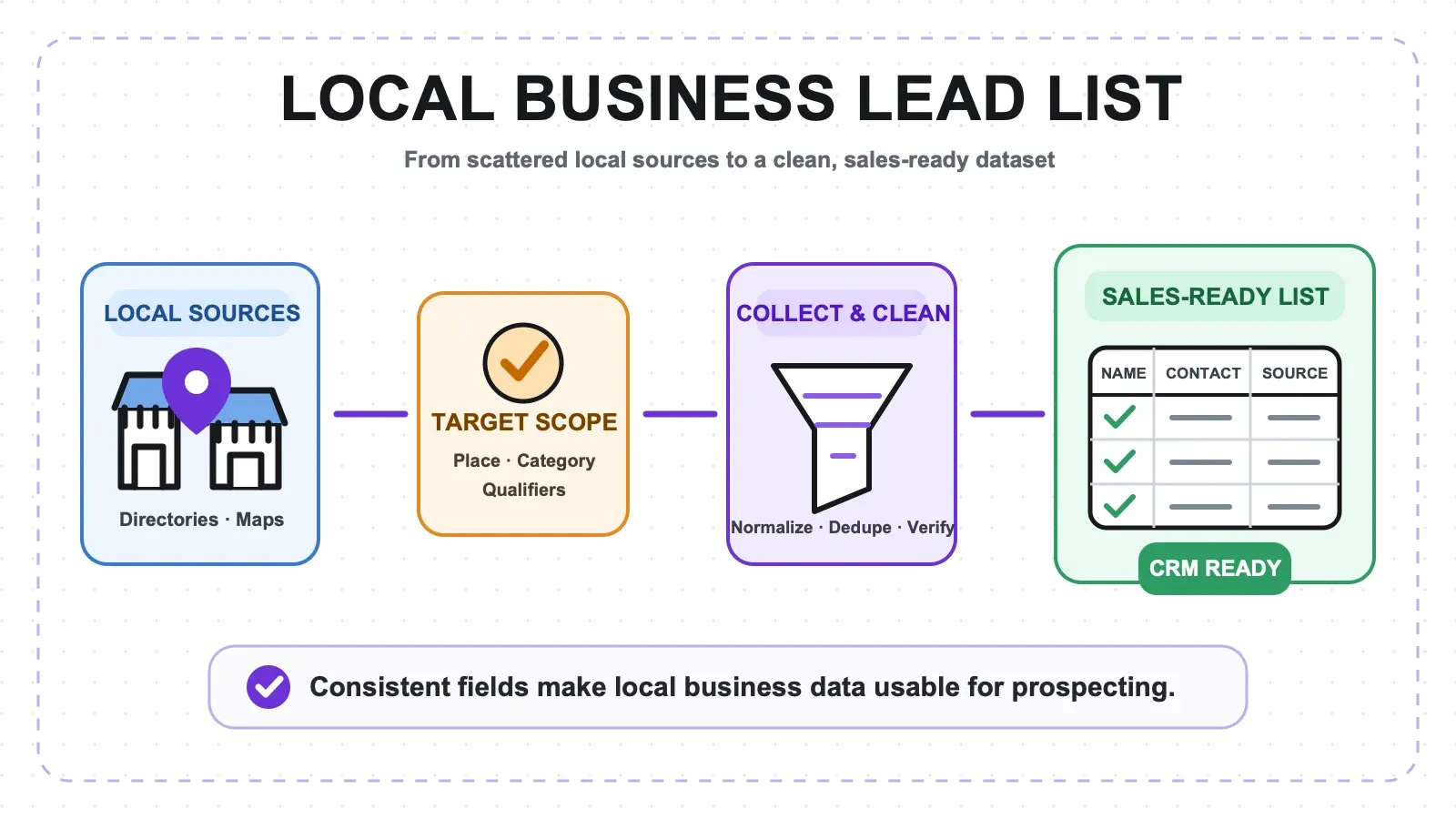
Cold email software is not one category. A dependable outbound workflow needs a source of prospects, a way to verify and segment them, a sending workflow, deliverability controls, and a system where replies and follow-up actions are owned. The right tool depends on which of those jobs your team needs to solve.

This guide compares 19 current products by operating role. It does not treat a price card, an inbox count, or a generic “best” claim as a lasting verdict. Instead, use the role descriptions to build a short evaluation list and test it with the real list, mailbox setup, CRM, and reporting process your team will operate.

Cold Email Software vs. Email Marketing Software

Cold outreach starts with a prospect who has not opted into a marketing list. That makes data quality, sender reputation, relevant messaging, consent and privacy obligations, and reply handling central to the workflow. Email marketing tools serve a different job: communicating with subscribers or customers who have an existing relationship with you.

Choose a cold-outreach product when your team needs prospecting, sequences, sales engagement, or inbox workflow. Use a marketing platform for newsletter and lifecycle programs. In either case, confirm legal and policy requirements for the markets and data you work with.

Build the Workflow Before Choosing the Sender

Workflow jobQuestions to answerRelevant tools in this guide
Prospect dataWhere will the account and contact data come from?Thunderbit, Apollo, Hunter, Snov.io
Email workflowWho designs, sends, and handles follow-up?Instantly, Saleshandy, Smartlead, Woodpecker, GMass
Personalization and multichannel workDo email, calls, LinkedIn, or other touches belong in one process?Lemlist, Mailshake, Reply.io, Klenty, SmartReach
CRM-owned sales workShould outreach live with calls, deals, and sales tasks?Close, Outreach, Salesloft, Mixmax
Agency or low-commitment operationsAre client workspaces or usage-based plans central?Instantly, Smartlead, ManyReach

1. Thunderbit: Prospect Data for Any Outreach Stack

thunderbit-ai-web-scraper.webp

Thunderbit is an agentic web scraper, not an email sender. Its role is to turn public company pages, directories, association lists, marketplace pages, or other public web sources into a reviewed prospecting table before that data enters a verification or outreach system.

AI Suggest Fields proposes columns such as company name, contact, URL, or category. The user reviews or adjusts the fields, then one click on Scrape starts extraction. That workflow is useful when the relevant prospects are not already covered by a built-in database.

For technical list-building, Thunderbit also supports a Web Scraper API, MCP server, and CLI.

Best for: Building a reviewed prospect-data layer from public-web sources before a cold-email campaign.

2. Instantly: Dedicated Email Outreach Operations

instantly.ai-homepage-1920x1080_compressed.webp

Instantly is a dedicated cold-email platform for teams that want to operate sending, inbox management, and campaign workflows in one place. It is particularly relevant for teams comparing a sending-focused product against a broader sales-engagement suite.

Best for: Agencies and outbound teams that want a dedicated email-outreach operating layer.

3. Saleshandy: Sequenced Outreach for Lean Teams

saleshandy.com-homepage-1920x1080_compressed.webp

Saleshandy is a cold-email product centered on sequences and outreach workflow. Evaluate it when a small sales team wants a sender-first tool without turning its workflow into a full CRM implementation.

Best for: Lean sales teams evaluating a focused email-sequence workflow.

4. Apollo: Prospect Data and Outreach Together

apollo-ai-sales-platform-homepage.webp

Apollo combines prospect data with sales-engagement and outreach functions. The key reason to evaluate it is convenience: a team can source, organize, and engage prospects in one product rather than connecting a separate data provider to a sender.

Best for: Small teams that prefer an integrated data-and-outreach workflow.

5. Lemlist: Personalized and Multichannel Outreach

lemlist.com-homepage-1920x1080_compressed.webp

Lemlist is oriented around personalized outreach and multichannel sequences. It is a useful short-list option when an outbound motion requires more than simple mail merge and the team wants to coordinate several kinds of touches around a prospect.

Best for: Teams designing personalized or multichannel prospecting plays.

6. Smartlead: Agency and Multi-Client Sending

smartlead.ai-homepage-1920x1080_compressed.webp

Smartlead is a cold-email platform commonly evaluated for agency-style and multi-client operations. Its relevant role is the operational model: separate client workspaces and a workflow built around managing multiple sending programs.

Best for: Agencies and teams that need to organize more than one outbound program.

7. Woodpecker: Structured B2B Email Campaigns

woodpecker.co-homepage-1920x1080_compressed.webp

Woodpecker is a B2B cold-email platform for teams that want a clear campaign workflow without a broad sales-engagement suite. Use a pilot to check its sender setup, campaign controls, and integrations against your existing sales process.

Best for: Small B2B teams assessing a focused, structured email-campaign workflow.

8. Mailshake: Sales Engagement Across Outreach Channels

mailshake.com-homepage-1920x1080_compressed.webp

Mailshake is a sales-engagement option that extends beyond a single email sequence. It is worth evaluating where a sales team wants outreach tasks and follow-up motion to live in a coordinated workflow.

Best for: Sales teams comparing email-led outreach with a broader engagement process.

9. Reply.io: Multichannel Sales Engagement

reply.io-homepage-1920x1080_compressed.webp

Reply.io is a multichannel sales-engagement platform. Its role is most distinct when an SDR or recruiting workflow needs to sequence outreach across more than one prospecting channel and retain a unified activity history.

Best for: SDR and recruiting teams that need coordinated multichannel sequences.

10. Snov.io: Finding, Verifying, and Sending

snov.io-homepage-1920x1080_compressed.webp

Snov.io combines email finding, verification, and outreach workflow. It is useful for teams that want those related data operations in the same workspace instead of purchasing each piece separately.

Best for: Smaller teams that want a combined finder, verifier, and sender workflow.

11. Hunter: Email Discovery with Lightweight Campaigns

hunter.io-homepage-1920x1080_compressed.webp

Hunter is best known for email discovery and verification. Its campaign features make it a practical option when the dominant need is finding and checking contacts, with email outreach as a lighter companion workflow.

Best for: Founders and marketers who lead with contact discovery and verification.

12. GMass: Gmail-Native Mail Merge and Follow-Up

gmass.co-homepage-1920x1080_compressed.webp

GMass works inside Gmail for mail merge, follow-up, and campaign reporting. It is a distinct choice for a user who wants to retain the Gmail environment rather than adopt a standalone outreach application.

Best for: Solo operators who want a Gmail-native email-campaign workflow.

13. Klenty: CRM-Centered Sales Engagement

klenty.com-homepage-1920x1080_compressed.webp

Klenty is a sales-engagement platform with a CRM-oriented workflow. It belongs in the evaluation when cadences, tasks, and sales-system integrations matter as much as email delivery itself.

Best for: SDR teams whose prospecting process is strongly tied to a CRM.

14. SmartReach: Multichannel Outreach for Team Workflows

smartreach.io-homepage-1920x1080_compressed.webp

SmartReach supports a multichannel outreach model with team and client-workflow considerations. It is relevant for recruiters and smaller agencies comparing collaborative outreach operations.

Best for: Recruiters and agencies that need shared prospecting workflows across a team.

15. Mixmax: Gmail Productivity and Revenue Workflows

mixmax.com-homepage-1920x1080_compressed.webp

Mixmax is a Gmail-centered productivity and revenue-workflow product with email tracking, scheduling, sequences, and related collaboration features. It makes more sense for teams already organized around Gmail than for teams seeking a standalone deliverability platform.

Best for: Revenue teams that want Gmail-based productivity and light sales-engagement features.

16. Close: CRM and Outreach in One Workspace

close.com-homepage-1920x1080_compressed.webp

Close combines a CRM with email, calling, and sales workflows. Its value proposition is stack consolidation: instead of connecting a separate CRM, dialer, and outbound sender, a team can evaluate one workspace for the whole sales motion.

Best for: Sales teams that want CRM and outreach to share the same operating context.

17. Outreach: Enterprise Sales Engagement

outreach.io-homepage-1920x1080_compressed.webp

Outreach is an enterprise sales-engagement platform. It is relevant when a larger sales organization needs structured cadences, cross-team controls, and a system that fits a formal enterprise sales process.

Best for: Enterprise sales organizations evaluating a full sales-engagement operating model.

18. Salesloft: Enterprise Revenue Workflow

salesloft.com-homepage-1920x1080_compressed.webp

Salesloft is another enterprise sales-engagement platform, covering cadence and revenue-workflow needs. Compare it with Outreach when the main decision is how enterprise sellers plan, execute, and inspect coordinated outreach.

Best for: Enterprise teams comparing structured sales-engagement platforms.

19. ManyReach: Usage-Based Email Outreach

manyreach.com-homepage-1920x1080_compressed.webp

ManyReach uses a usage-oriented email-outreach model rather than a required monthly subscription. That positioning makes it useful for operators who want to evaluate an outreach workflow without beginning from a conventional recurring-plan structure.

Best for: Solo founders and small agencies exploring a usage-based sender model.

A Practical Way to Choose

Use a small pilot rather than a generic feature comparison. Choose one target segment and one campaign, document its data source, verification step, sender configuration, reply owner, CRM destination, and stop conditions. Then compare candidates on the exact work your team will repeat.

  • If prospect data is the bottleneck: Start with Thunderbit, Apollo, Hunter, or Snov.io based on whether the needed data is on public pages or in a prospect database.
  • If sending operations are the bottleneck: Compare Instantly, Saleshandy, Smartlead, Woodpecker, or GMass based on your inbox and team workflow.
  • If your process is multichannel: Compare Lemlist, Mailshake, Reply.io, Klenty, and SmartReach.
  • If sales work already lives in a CRM or enterprise process: Compare Close, Outreach, Salesloft, and Mixmax.
  • If a usage-oriented model is important: Evaluate ManyReach against the operational fit of a conventional outreach platform.

FAQs

What is the best cold email software?

There is no universal winner. The right product depends on whether you primarily need prospect data, email delivery operations, multichannel sequences, CRM-led sales engagement, or enterprise controls.

Do I need a separate prospecting tool and cold-email sender?

Not always. Apollo, Snov.io, and Hunter combine some data and outreach capabilities. A separate data layer can be more appropriate when your best prospects live in public directories, niche websites, or other sources outside a built-in database.

How should a team test a cold-email tool?

Test a real, limited workflow with defined data sources, messaging, approval rules, reply ownership, and measurement. Confirm the current plan and usage model on the official product page before purchasing.

Can Thunderbit send cold emails?

No. Thunderbit is used upstream for public-web prospect research and structured data extraction. Export the reviewed data to your verification, CRM, or email-outreach system before contacting prospects.

Build a reviewed prospect-data layer with Thunderbit Get Started Free

Learn More

Shuai Guan
Shuai Guan
CEO at Thunderbit | AI Data Automation Expert Shuai Guan is the CEO of Thunderbit and a University of Michigan Engineering alumnus. Drawing on nearly a decade of experience in tech and SaaS architecture, he specializes in turning complex AI models into practical, no-code data extraction tools. On this blog, he shares unfiltered, battle-tested insights on web scraping and automation strategies to help you build smarter, data-driven workflows.When he's not optimizing data workflows, he applies the same eye for detail to his passion for photography.
Table of Contents

Scrape a webpage by just asking

Say what you need in plain English. Or better, say nothing at all.

Try Thunderbit free
Extract Data using AI
Easily transfer data to Google Sheets, Airtable, or Notion
Chrome Store Rating
PRODUCT HUNT#1 Product of the Week