Cold Email Deliverability: 2026 Setup & Recovery Playbook

Last Updated on April 28, 2026

Roughly never reaches the inbox. Not bounced, not rejected—just quietly routed to spam or lost in transit. If you run cold outreach, that statistic should make your stomach drop.

I've spent the last several months digging into deliverability data, provider policy changes, and community forums where sales teams describe watching their carefully crafted campaigns vanish into the void. The pattern is consistent: teams set up SPF, DKIM, and DMARC, launch their campaigns, and still see —or worse. The gap between "technically configured" and "actually reaching the inbox" is the central problem of cold email in 2026.

This playbook covers both sides: the setup that keeps you out of trouble, and the recovery plan for when things go wrong. We'll walk through the exact provider thresholds now enforced by Google, Yahoo, and Microsoft, a week-by-week warmup schedule with real numbers, benchmarks you can measure yourself against, a step-by-step spam recovery process, and why clean prospect data (built with AI, not bought from a stale database) is the foundation most guides skip entirely.

What Is Cold Email Deliverability (and Why Should You Care in 2026)?

Cold email deliverability is the percentage of your outbound cold emails that actually land in the recipient's primary inbox—not spam, not Promotions, not silently filtered or bounced. It's the metric that determines whether your outreach gets seen at all.

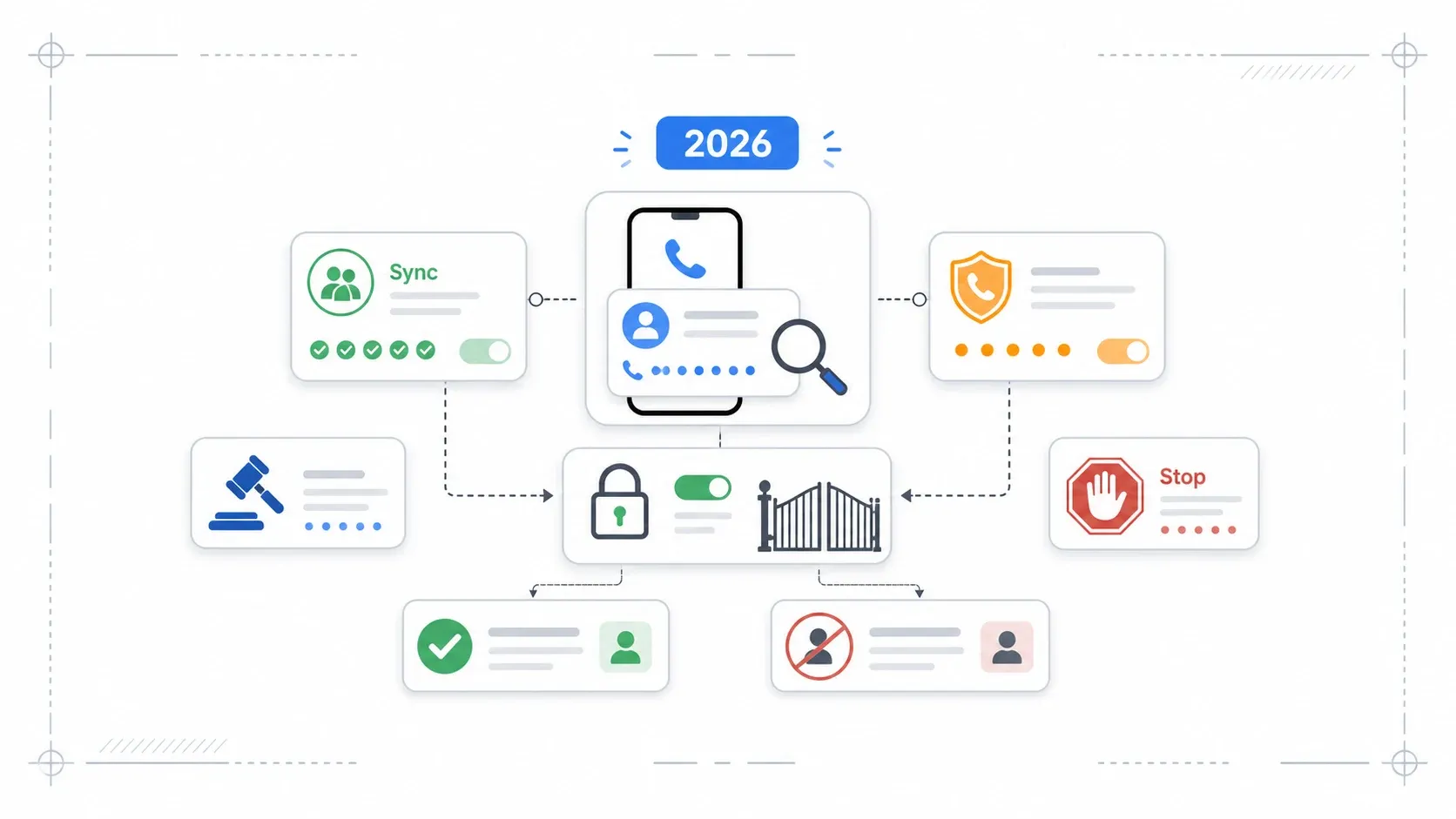
Most cold email platforms report a "delivery rate" that hovers around 97–99%. That number is misleading. Delivery rate only measures whether the receiving server accepted the message. Deliverability measures whether the message reached a folder the recipient will actually read. and both draw this distinction clearly, and it matters because your ESP can show a healthy "delivered" number while true inbox placement sits in the 70s or 80s—or lower. ig_0b35d0e25e0b2f700169f066a947ec8191bfbf8dfcd202fed8_compressed.webp In 2026, deliverability matters more than it ever has. Three things changed:

  1. Google and Yahoo began enforcing new bulk-sender requirements in , with Google continuing to ramp up enforcement through .
  2. Microsoft announced comparable Outlook.com requirements on , with enforcement starting May 5, 2025 for high-volume senders.
  3. The consequences are harsher and faster. Providers now throttle, reject, or spam-folder noncompliant mail within days, not months. Every email that lands in spam is a lost conversation, a lost deal, and a small but cumulative hit to your domain's reputation. The math is straightforward: if your team sends 500 cold emails a day and only 60% reach the inbox, you're losing 200 potential conversations daily. Over a quarter, that's tens of thousands of missed opportunities.

Cold Email Deliverability Benchmarks: What "Healthy" Actually Looks Like

One of the most common questions in cold email forums is some version of "I'm getting 30–40% inbox rates—is that normal?" The answer is no, but most teams don't have a clear benchmark to compare against. Without one, you're flying blind.

The Benchmarks Table Every Sales Team Needs

Here's a definitive reference table. Green means you're in good shape. Yellow means investigate. Red means stop and fix something before sending another email.

Metric🟢 Healthy🟡 Warning🔴 Danger Zone
Inbox placement rate>85%60–85%<60%
Bounce rate<1%1–3%>3%
Spam complaint rate<0.05%0.05–0.1%>0.1%
Open rate (cold)>45%25–45%<25%
Reply rate>3%1–3%<1%
Unsubscribe rate<0.5%0.5–1%>1%

A few notes on these ranges:

  • Inbox placement is the single most important number. puts the global average at 83.5%, with 6.7% landing in spam and 9.8% going missing. If you're below 60%, something is structurally broken.
  • Bounce rate should stay under . Validity flags rates above 2% as concerning. Above 3% and you're actively damaging your sender reputation.
  • Spam complaint rate has the hardest official threshold: and never reach 0.3%. Yahoo also publishes a .
  • Open rate is increasingly unreliable because of Apple Mail Privacy Protection inflating opens. Treat it as directional, not definitive. that opens are no longer a precise metric.
  • Reply rate is a better signal of real engagement. puts the average at 3.43%, with the top quartile at 5.5% and the top decile above 10.7%. still cites 8.5% as an average, but that likely reflects a different customer base. A realistic baseline for most teams is 3–5%. ig_0b35d0e25e0b2f700169f0650437dc81918266a6f8b6dc1c02_compressed.webp

How to Check Your Own Metrics Right Now

Before reading further, pull up your numbers. Here's where to look:

  • — free, shows domain reputation, spam rate, authentication status, and delivery errors for Gmail
  • — free, shows IP-level reputation and complaint data for Outlook/Hotmail/Live
  • — free, checks DNS records, blacklists, and mail-flow diagnostics
  • — free, provides an independent external reputation score (refreshed every )
  • Your cold email platform's analytics — bounce rate, open rate, reply rate, unsubscribe rate

Compare your numbers against the table above. If you're in the green across the board, the rest of this playbook is insurance. If you're in yellow or red on any metric, keep reading—there's work to do.

2026 Sender Policy Compliance: The Exact Thresholds Google, Yahoo, and Microsoft Enforce

The rules changed substantially between 2024 and 2025, and by 2026, all three major mailbox providers are actively enforcing minimum technical requirements. This is not optional. Failure to comply results in throttling, rejection, or automatic spam-folder routing.

Compliance Checklist by Provider

Policy RequirementGoogle/GmailYahooMicrosoft/Outlook
Enforcement startFeb 2024, ramp-up Nov 2025Feb 2024, one-click unsub by June 2024Announced Apr 2, 2025; enforced May 5, 2025
Bulk-sender threshold5,000+ messages/day to GmailHigh-volume senders5,000+ messages/day to Outlook.com/Hotmail/Live
SPF + DKIM required✅ Yes (strict)✅ Yes✅ Yes
DMARC required✅ (bulk senders)✅ (aligned)✅ (high-volume senders)
Spam complaint rate max<0.1% (mitigation requires <0.3% for 7 consecutive days)<0.3%No published cap, but enforcement is real
One-click unsubscribe✅ Required (marketing/promo)✅ RequiredRecommended / strongly expected
List-Unsubscribe header✅ Required✅ Required✅ Required (RFC 8058-aligned)

A few things worth calling out specifically:

Microsoft is no longer the soft spot. For years, Outlook was considered easier to land in than Gmail. That's over. shows Microsoft at just 75.6% inbox placement—the toughest of the three major providers. Forum users consistently report that tools like Instantly "have a hard time delivering to Microsoft/Yahoo," and the 2025 enforcement update explains why. Non-compliant high-volume senders now receive a 550 5.7.515 rejection.

Google's complaint-rate guidance has two levels. The operational target is below 0.1%. But Google also says that mitigation eligibility requires staying below 0.3% for . Cross that line and you lose access to remediation tools. Think of 0.1% as the speed limit and 0.3% as the cliff.

What Happens When You Exceed These Thresholds

The damage doesn't happen all at once. It follows a progression:

  1. Complaint or bounce spike — providers notice within hours
  2. Temporary throttling or deferral — your emails slow down or get queued
  3. Increased spam-folder placement — messages arrive but go straight to junk
  4. Outright rejection — some providers stop accepting your mail entirely
  5. Persistent domain or IP reputation damage — the hardest to reverse

The critical thing to understand is that this can happen in days, not months. Community reports from 2025–2026 describe new domains tipping into spam placement after just a few days of aggressive sending. Once reputation damage starts, it compounds—every subsequent email that gets ignored or marked as spam makes the next one more likely to be filtered.

The Cold Email Deliverability Setup Checklist: SPF, DKIM, DMARC, and Beyond

Authentication is necessary but not sufficient. Think of it as the minimum entry ticket. Without it, you won't get in the door. With it, you still need everything else in this playbook to stay in the inbox.

Step 1: Use a Separate Domain for Outbound

Never send cold emails from your primary business domain. If your cold outreach damages the domain's reputation, it takes your regular business email down with it—client communications, invoices, support tickets, everything.

Set up secondary domains that are recognizably related to your brand. Common patterns include trybrand.com, getbrand.com, brand.co, or brand.io. avoiding dashes and unnecessary numbers.

Here's the formula for how many domains you need:

Total daily volume ÷ 40 sends/mailbox ÷ 3 mailboxes/domain = domains needed

Example: if you want to send 500 cold emails per day, that's 500 ÷ 40 ÷ 3 ≈ 4 domains with 3 mailboxes each. The 40 sends/mailbox/day figure is a conservative ceiling supported by , , and . Some vendors advertise higher ceilings, but for new infrastructure, conservative wins.

Step 2: Set Up SPF, DKIM, and DMARC

In plain language:

  • SPF (Sender Policy Framework) tells receiving servers which mail servers are authorized to send on behalf of your domain. It's a DNS TXT record listing your approved senders. .
  • DKIM (DomainKeys Identified Mail) adds a cryptographic signature to your emails, proving they weren't tampered with in transit. .
  • DMARC (Domain-based Message Authentication, Reporting & Conformance) ties SPF and DKIM together and tells providers what to do when authentication fails. Start with a monitoring policy (p=none) and move toward enforcement once alignment is stable. , .

Quick checklist:

  • [ ] Publish SPF record for each sending domain
  • [ ] Enable DKIM signing in your email provider (Google Workspace, Microsoft 365, etc.)
  • [ ] Publish a DMARC record (start with p=none for monitoring)
  • [ ] Verify all records using or

The found that of DMARC users now enforce quarantine or reject policies. The industry is moving past monitoring-only DMARC, and your setup should too—eventually.

Step 3: Configure Custom Tracking Domain and Unsubscribe Headers

Default tracking domains are shared across all users of your cold email platform. If another sender on that shared domain gets flagged, it can drag your deliverability down too. Set up a custom tracking domain instead. Both and provide straightforward setup guides.

For unsubscribe headers: Google and Yahoo now a List-Unsubscribe header with one-click functionality for commercial/promotional mail. Even if you consider cold email a gray area, adding a proper unsubscribe mechanism is a trust signal that helps deliverability.

One more thing on tracking: open tracking is increasingly unreliable and potentially harmful. Apple Mail Privacy Protection inflates open rates. Image-based tracking pixels add complexity to your email. Some vendors argue that tracking pixels can contribute to spam filtering on first-touch cold emails. The safest approach for your first outbound message is to skip open tracking entirely and rely on reply rate as your engagement metric.

Step 4: Verify Domain and IP Reputation Before Sending

Before you send a single live campaign, check your starting position:

  • — domain reputation, IP reputation, spam rate, authentication, and compliance dashboards ()
  • — IP-level reputation for Microsoft consumer mailboxes
  • — independent external reputation score with clear

If your domain or IP is already flagged (maybe from a previous owner or a misconfigured service), you'll want to address that before warmup. Skip ahead to the Recovery section if you find problems here.

Week-by-Week Email Warmup Schedule (with Real Numbers)

Every cold email guide says "warm up gradually." Almost none tell you what that means in concrete daily numbers. Here's a schedule synthesized from , , , and .

The 5-Week Warmup Plan

WeekDaily Warmup SendsDaily Live SendsTotal/DayNotes
Week 15–1005–10Warmup only; focus on getting real replies
Week 210–20515–25Begin light outreach; watch bounces closely
Week 315–2510–1525–40Monitor complaint rate and provider-specific placement
Week 420–3015–2535–55Approach steady state only if metrics stay clean
Week 5+10–15 ongoing25–40 max35–55Keep warmup running; never exceed 50/day/mailbox

The 50/day/mailbox ceiling is not a published provider rule, but it's the conservative consensus across multiple vendors. explicitly warns against setting warmup above 40/day for new accounts. recommends a gradual ramp of 5 → 10 → 20 → 30 → 50. ramps from 2 to 50 over two weeks, which I'd consider aggressive for brand-new domains.

The key principle: warmup sends count toward your total daily volume. If you're sending 15 warmup emails and 25 live emails, that's 40 total—within the safe zone. If you add 30 warmup and 30 live, you're at 60, which is pushing it.

Manual Warmup vs. Warmup Tools: When Each Approach Works

This is genuinely debated in the industry, and both sides have a point.

The case for warmup tools: Services like (which uses 30k+ real inboxes), , and automate opens, replies, and mark-as-important actions to build sender reputation faster. For brand-new domains with no history, this artificial engagement can help establish a baseline of positive signals.

The case against warmup tools: that ISPs can detect warmup pools because the engagement patterns don't resemble real audience behavior. Synthetic opens and replies from a known pool of warmup addresses may not carry the same weight as genuine engagement. Community evidence is mixed— describe situations where warmup scores looked perfect but Gmail placement remained poor.

My take: warmup tools can help new infrastructure, but they're not a substitute for clean data, conservative volume, and real positive engagement. If you're sending highly targeted outreach to a small, well-researched list, manual warmup through real conversations may actually be more effective. If you're scaling across multiple domains and need to build baseline reputation quickly, tools are a reasonable accelerant—just don't treat a good warmup score as proof that your emails are reaching the inbox.

How to Calculate the Domains and Mailboxes You Need

The formula again:

Total daily volume ÷ 40 sends/mailbox ÷ 3 mailboxes/domain = domains needed

Target Daily VolumeMailboxes Needed (@ 40/day each)Domains Needed (@ 3 mailboxes each)
12031
24062
500134–5
1,000258–9

Spreading volume across multiple domains is not just about scaling—it's about containment. If one domain gets flagged, the others keep running. This multi-sender strategy is core to and it's the right approach for any team doing serious outbound volume.

Clean Prospect Data: Why List Quality Starts Before the First Email

Bad data destroys sender reputation faster than almost any other factor. Bounces, spam traps, and outdated email addresses are the fastest path to the danger zone on every metric in the benchmarks table above.

that email lists decayed by 28% in 2025 and 23% in 2026, and that only 62% of submitted email addresses were valid. Their network detected over in 2025 alone. If you're sending to a list you purchased or scraped months ago, a meaningful chunk of those addresses are already dead, changed, or dangerous.

The Problem with Purchased and Stale Lists

Purchased B2B databases from providers like Apollo or ZoomInfo serve a purpose, but they carry real risk for cold email deliverability:

  • Data decays fast. People change jobs, companies change domains, email servers get decommissioned. A list that was 95% accurate six months ago might be 80% accurate today.
  • Spam traps hide in stale data. Abandoned email addresses are sometimes recycled as spam traps by mailbox providers. Hitting one can and increase the risk of blocklisting.
  • Low personalization depth. Purchased lists typically give you a name and a company. That's not enough for the kind of personalization that drives replies and protects deliverability.

is blunt: "LinkedIn is the only platform that owns B2B lead data." The implication is that most third-party databases are derivatives with varying accuracy.

Using AI to Build Fresh, Verified Prospect Data with Thunderbit

This is where our team at approaches the problem differently. Instead of buying pre-built lists that may be months old, you can scrape fresh contact data directly from target company websites, directories, or industry listings—live, in real time.

Here's what that looks like in practice:

  • Email and phone extraction: Thunderbit's and pull contact info directly from websites in one click. Fresh data means fewer bounces.
  • Subpage enrichment: After scraping a prospect list page, Thunderbit can visit each company's subpage to enrich with additional context—title, company size, tech stack signals. That enables the deeper personalization that forums say matters more than volume.
  • AI-powered data labeling: Thunderbit's Field AI Prompt can categorize, format, and clean data during extraction. Standardize phone numbers to E.164, categorize prospects by industry, or flag entries that look incomplete—all before you export. ig_0b35d0e25e0b2f700169f066fd67648191a6cef0bf9bee0828_compressed.webp The comparison looks like this:
ApproachBounce RiskData FreshnessPersonalization DepthCost
Purchased list (Apollo, ZoomInfo)High (2–5%+ bounces)Stale (months old)Low (name + company only)$$
Manually researchedVery lowFreshHighFree but 10+ hrs/week
AI scraping (Thunderbit)Low (<1% with verification)Fresh (scraped live)High (subpage enrichment)$ (free tier available)

This reframes deliverability as a data-quality problem that starts upstream of the email tool. Most guides skip this step entirely.

Always Verify Before You Send

Regardless of how you build your list—purchased, manually researched, or AI-scraped—always run email verification before sending. The goal is to keep your bounce rate under 1%.

Consider double-verification (running your list through two verification services) for extra confidence. Thunderbit's data exports to , or CSV, making it easy to plug into whatever verification workflow you use.

Cold Email Content and Sending Practices That Protect Deliverability

Technical setup and clean data get you to the starting line. Content and sending behavior determine whether you stay in the inbox.

Write Like a Human, Not a Marketing Machine

Spam filters have gotten remarkably good at detecting templated, mass-produced email. The countermeasure is straightforward: write emails that sound like they were written by a person for a specific person.

  • Avoid spam trigger words. for 2026. Words like "free," "guaranteed," "buy now," and "save $" increase filtering risk. These aren't literal blacklists—no provider publishes an official trigger-word list—but they're useful as copy-editing heuristics.
  • Keep it short and plain-text. No HTML templates, no images, no fancy formatting on your first touch. Plain text looks like a real email because it is one.
  • Personalize beyond merge tags. {{first_name}} is table stakes. Reference the prospect's recent work, their company's public announcements, or something specific to their role. This is where Thunderbit's subpage enrichment pays off—you can gather the context needed for real personalization during the data-collection step.
  • Use spintax or variations. No two emails should be identical. Vary your opening lines, your value propositions, and your CTAs so that filters don't see the same message 500 times.

Sending Volume and Timing Rules

  • Stay under 50 cold emails per mailbox per day. max 100 total (including warmup). max 40 live sends. Conservative is better.
  • Spread sends throughout the day. Don't blast 40 emails at 9:00 AM. Distribute them over your sending window so the pattern looks natural.
  • Use inbox rotation. Rotate across multiple mailboxes and domains so no single sender bears too much volume.

Avoid These Common Deliverability Killers

  • Don't use open tracking on first touch. Open tracking relies on image pixels, which add complexity and are increasingly unreliable. There's no strong official Google source confirming that tracking pixels alone trigger a warning label, but the consensus among deliverability practitioners is that on cold outreach.
  • Don't include links in your first email. Links, especially to shared tracking domains, increase filtering risk. supports keeping first-touch emails link-free.
  • Don't include attachments or images. These are red flags for spam filters on cold outreach.
  • Don't send to personal email addresses. Stick to business email accounts. Sending cold outreach to Gmail, Yahoo, or Outlook personal addresses is both a deliverability risk and a compliance concern.

The Spam Recovery Playbook: What to Do When You're Already Flagged

Every guide focuses on prevention. But what if your domain reputation is already damaged? This is the most common pain point in cold email forums— at high severity—and almost no one covers it. ig_0b35d0e25e0b2f700169f06753a2bc8191bae0e1f65adf7a3b_compressed.webp Here's the step-by-step recovery process.

Step 1: Diagnose the Problem

Use multiple tools because each reveals a different layer:

ToolWhat It ShowsBest Use
Google Postmaster ToolsDomain reputation, IP reputation, spam rate, authentication, delivery errorsDiagnose Gmail-specific issues
Microsoft SNDSOutlook-facing IP data and complaint telemetryDiagnose Microsoft consumer mailbox issues
MXToolboxDNS checks, blocklist checks, mail-flow diagnosticsQuick setup and blacklist inspection
Cisco TalosExternal IP/domain reputation viewIndependent reputation signal

Google's is especially useful because it explains each panel—Compliance, Authentication, Spam Rate, Domain Reputation, IP Reputation, and Delivery Errors—in one place.

Determine which providers are filtering you. The fix for Gmail spam placement is different from the fix for Outlook rejection.

Step 2: Stop All Outbound Immediately

Pause every cold email campaign. This is not optional. Continuing to send while flagged makes things exponentially worse because every additional ignored or spam-reported email compounds the reputation damage.

I know this is painful when you have pipeline targets. But sending into a spam folder is worse than not sending at all—it's actively making the problem harder to fix.

Step 3: Isolate the Root Cause

Not all reputation problems have the same cause, and the fix depends on the diagnosis. Here's a simple decision framework:

Is it your domain, your IP, or your content?

  • If multiple mailboxes on the same domain are going to spam across different sending paths → suspect domain reputation. The domain itself is tainted.
  • If one IP path is filtered but others on the same domain perform normally → suspect IP reputation or shared infrastructure. This is common on shared sending platforms.
  • If the same domain and IP show mixed results depending on the email copy or audience segment → suspect content filtering or list quality. Some messages are triggering filters while others aren't.

Each path leads to a different recovery action. Domain reputation requires re-warming the domain (or replacing it). IP issues may require migrating to a different sending service or requesting a dedicated IP. Content issues require rewriting your templates and cleaning your list.

Step 4: Warm Down, Then Re-Warm

After pausing, don't jump back to full volume. Start a recovery warmup that's even more conservative than the initial warmup schedule:

Recovery WeekDaily Total OutboundRecommended Audience
Week 12–5/dayHigh-likelihood engagers only (people who've replied before or are known contacts)
Week 25–10/dayVery small, highly relevant list
Week 310–15/dayOnly if reputation signals stabilize in Postmaster/SNDS
Week 4+Gradual increase toward normal ceilingResume carefully, keep monitoring daily

This is stricter than standard warmup because you're recovering from damage, not starting clean. Focus exclusively on contacts who are likely to open, reply, and engage positively. Every positive signal helps rebuild trust.

Realistic recovery timelines: moderately damaged domains can recover in 4–8 weeks. Badly burned reputation scenarios can stretch to 30–90 days. Many teams expect recovery in a few days and give up too early.

Step 5: When to Abandon a Domain vs. Repair It

Sometimes repair isn't worth it. Here's the decision framework:

Repair and re-warm if:

  • The damage is recent (days to weeks, not months)
  • You're on one or two blocklists, not five
  • Inbox placement dropped but didn't collapse below 20–30%
  • You can identify and fix the specific cause (bad list, content issue, volume spike)

Consider abandoning the domain if:

  • Inbox placement has been below 30% for 4+ weeks despite remediation
  • You're listed on multiple major blocklists (Spamhaus, Barracuda, SpamCop simultaneously)
  • The domain has been sending problematic mail for months before you noticed
  • Re-warming shows no improvement after 3–4 weeks

If you need to delist from blocklists, here are the official paths:

BlocklistRemoval Path
SpamhausBlocklist removal center
BarracudaBarracudaCentral removal request (often clears in ~12 hours)
SpamCopBlocking list lookup (often auto-delists within ~24 hours if abuse stops)

Being delisted doesn't instantly restore inbox placement. If the domain itself is still distrusted by Gmail or Outlook, you'll need to rebuild reputation through the re-warming process above.

How to Monitor and Maintain Cold Email Deliverability Over Time

Deliverability is not a one-time setup task. It's an ongoing process, like maintaining a car. Skip the oil changes and eventually something breaks.

Weekly Monitoring Checklist

  • [ ] Check for domain reputation changes
  • [ ] Review if Outlook performance matters to your audience
  • [ ] Inspect bounce rates and spam complaint rates in your sending platform
  • [ ] Monitor inbox placement rate (use seed-list testing tools if available)
  • [ ] Compare current metrics against the benchmark table from earlier in this article

Monthly Maintenance Tasks

  • [ ] Remove hard bounces, unsubscribes, and chronically unengaged contacts from your lists
  • [ ] Rotate in fresh domains if any existing domains show reputation decline
  • [ ] Re-verify email lists before re-sending to any contacts older than 30 days (B2B data decays fast— according to ZeroBounce)
  • [ ] Review sending volume trends—are you staying under safe limits across all mailboxes?
  • [ ] Confirm DNS records, tracking domains, and authentication settings still match your sending stack

Tools for Ongoing Deliverability Monitoring

ToolTypeWhat It's Best For
Google Postmaster ToolsFreeGmail reputation, spam rate, authentication, delivery errors
Microsoft SNDSFreeOutlook/Hotmail/Live sender diagnostics
MXToolboxFree / paid tiersBlacklist checks, DNS diagnostics, general mail-flow health
Cisco TalosFreeIndependent external reputation check
GlockAppsPaidInbox placement and spam testing across providers
MailReachPaidWarmup plus inbox-placement positioning

For most teams, Google Postmaster Tools and your sending platform's analytics are enough for weekly monitoring. Add a paid inbox-placement tool like GlockApps or MailReach if you're running high-volume outreach and need provider-by-provider visibility.

Your Cold Email Deliverability Action Plan for 2026

Here's the full playbook condensed into seven steps:

  1. Know your benchmarks. Compare your metrics against the green/yellow/red table. If you're in the red on any metric, that's your first priority.
  2. Set up infrastructure properly. Separate outbound domains, SPF/DKIM/DMARC, custom tracking domain, unsubscribe headers. Verify everything before sending.
  3. Follow the week-by-week warmup plan. Real numbers, real daily limits. Don't skip weeks. Don't rush.
  4. Build clean prospect lists with fresh data. makes this fast and accurate—scrape live data, enrich with subpage context, and export to your verification tool. Fresh data means fewer bounces and better personalization.
  5. Write human emails and send at safe volumes. Plain text, personalized, no tracking on first touch, under 50/day/mailbox.
  6. If already flagged, follow the 5-step recovery playbook. Diagnose, stop, isolate, re-warm, and decide whether to repair or replace.
  7. Monitor weekly, maintain monthly. Deliverability is an ongoing process, not a project with a finish line.

The landscape will keep shifting. Providers will tighten rules, new enforcement mechanisms will appear, and the bar for inbox placement will keep rising. Teams that follow this playbook—and treat deliverability as a continuous discipline rather than a one-time setup—will stay ahead.

Try for building your next prospect list. The has a free tier, and you can see for yourself how fresh, AI-enriched data changes the quality of your outreach from the very first send.

FAQs

What is a good cold email deliverability rate?

A healthy inbox placement rate is above 85%, with strong programs targeting 90%+. Below 60% indicates a structural problem that needs immediate attention. These ranges are supported directionally by , , and .

How many cold emails can I send per day without hurting deliverability?

A conservative ceiling is 40–50 live cold emails per mailbox per day, especially for newer infrastructure. Scale by adding more mailboxes and domains rather than increasing volume per mailbox. The formula is: total daily volume ÷ 40 sends/mailbox ÷ 3 mailboxes/domain = domains needed.

Do I really need DMARC for cold email?

Yes. for senders above 5,000/day, for bulk senders, and for high-volume Outlook.com senders. Even for smaller senders, DMARC is a trust signal that helps deliverability.

How long does it take to warm up a new email domain?

Typically 4–5 weeks following the structured warmup schedule in this article. recommends 3–4 weeks for new domains, suggests a gradual ramp over several weeks, and provides a 14-day aggressive schedule. Rushing the warmup increases spam risk—patience pays off here.

Can I recover a domain with a bad reputation, or should I start fresh?

It depends on the severity. Moderate damage (one blocklist, recent dip, identifiable cause) is usually repairable through delisting and a conservative re-warmup over 4–8 weeks. Severe damage (multiple blocklists, sustained sub-30% inbox placement for 4+ weeks, no improvement after remediation) often means starting fresh with a new domain is faster and more reliable than trying to rehabilitate the old one.

Try Thunderbit for Fresh Prospect Data

Learn More

Ke
Ke
CTO @ Thunderbit. Ke is the person everyone pings when data gets messy. He's spent his career turning tedious, repetitive work into quiet little automations that just run. If you've ever wished a spreadsheet could fill itself in, Ke has probably already built the thing that does it.
Table of Contents

Try Thunderbit

Scrape leads & other data in just 2-clicks. Powered by AI.

Get Thunderbit It's free
Extract Data using AI
Easily transfer data to Google Sheets, Airtable, or Notion
Chrome Store Rating
PRODUCT HUNT#1 Product of the Week