Is Scraping LinkedIn Legal? Laws, Risks, and What's Changed

Last Updated on July 14, 2026
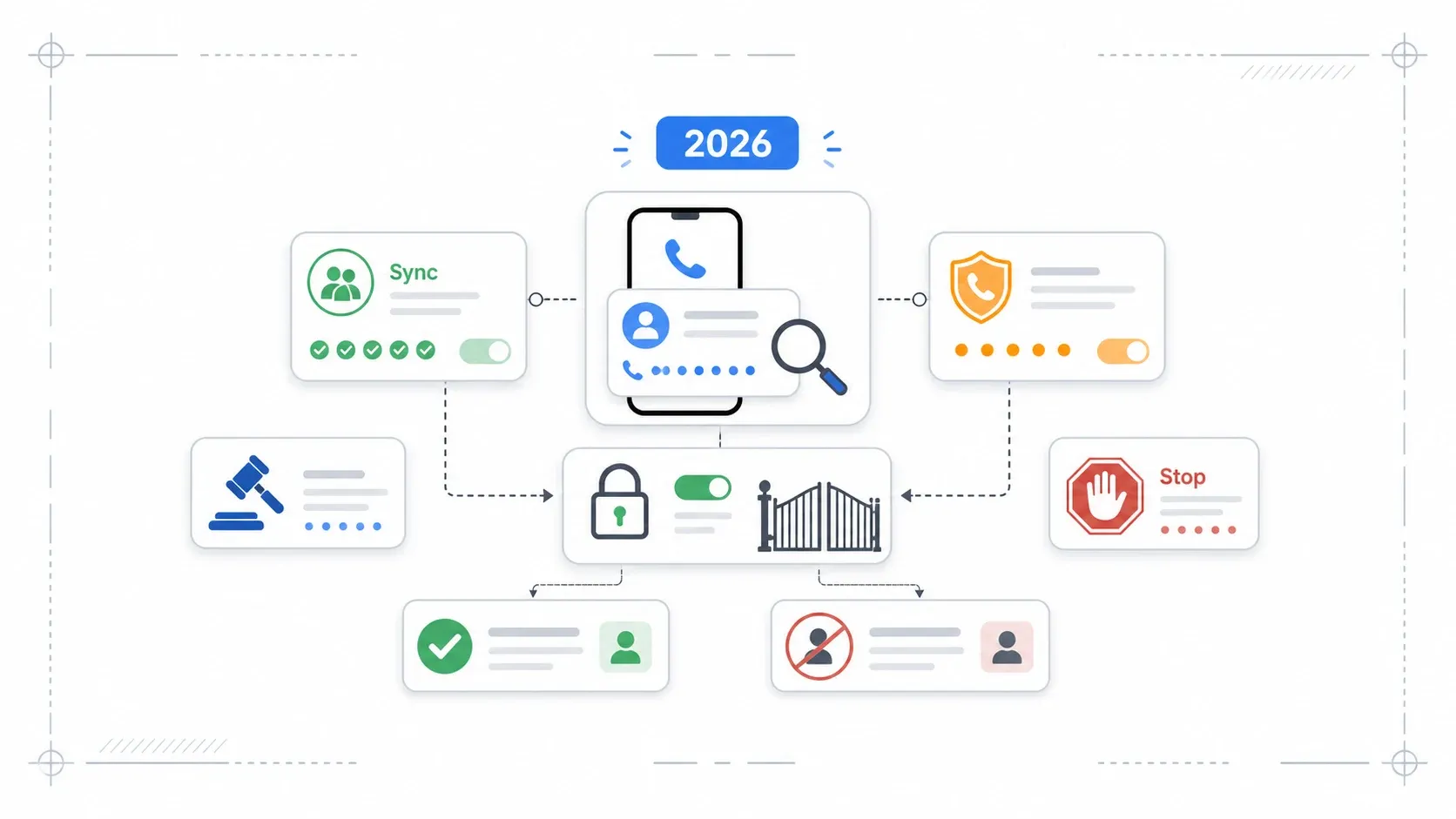
LinkedIn scraping legality decision matrix cover
AI Summary
Scraping LinkedIn is not a simple legal yes-or-no. Public, logged-out profile scraping may carry lower U.S. CFAA risk after hiQ, but it still conflicts with LinkedIn's terms and can create contract, privacy, and enforcement exposure. Logged-in scraping, fake accounts, Sales Navigator access, resale, and large-scale personal-data processing are much higher risk, especially under GDPR and state privacy laws. This guide explains the key laws, LinkedIn's enforcement stance, scenario-by-scenario risk levels, and lower-risk alternatives such as official APIs, public company websites, directories, and licensed data providers. It also flags where teams should consult counsel before collecting data.

LinkedIn has over 1.3 billion members, making it the single richest professional database on the planet. Naturally, every sales team, recruiter, and growth hacker wants to tap into it programmatically. But "is scraping LinkedIn legal?" remains one of the most confusing — and most frequently Googled — questions in B2B data.

Most guides still give you the same answer: "it depends." I've spent a lot of time digging through court filings, LinkedIn's own policies, GDPR enforcement actions, and forum threads where founders describe getting sued. The picture in 2026 looks meaningfully different from what most articles on the internet suggest. What follows: a concrete, scenario-by-scenario breakdown — including a legality matrix you can actually bookmark — plus safer ways to get the business data you need without putting your company (or your LinkedIn account) at risk.

Disclaimer: This article is legal information, not legal advice. If you're planning commercial-scale data collection, talk to a lawyer who knows your jurisdiction.

What Is LinkedIn Scraping, and Why Do So Many Teams Do It?

LinkedIn scraping means using automated tools, scripts, or browser extensions to extract data from LinkedIn pages — profile names, job titles, company info, emails, skills, job postings, or connection graphs.

In technical terms, it's the programmatic retrieval of structured data from LinkedIn's HTML or API responses, whether that data lives on a public profile page or behind a login wall.

Think of it as having a very fast intern who visits thousands of LinkedIn profiles and copies the details into a spreadsheet — except the intern is software, and it works in minutes instead of weeks.

LinkedIn scraping is not the same as using LinkedIn normally. Browsing profiles, sending connection requests, or exporting your own contacts through LinkedIn's built-in tools are all within the platform's intended use. Scraping involves automation at a scale or speed LinkedIn doesn't authorize.

Why teams do it

Common use cases:

  • Sales and lead generation: Building prospect lists with names, titles, emails, and company data. LinkedIn is often the first place B2B teams look because the data is structured, searchable, and self-reported by professionals.
  • Recruiting: Sourcing candidates by scraping profiles matching specific skills, locations, or experience levels.
  • Market research: Analyzing hiring trends, company growth, or competitive positioning based on aggregated LinkedIn data.
  • Competitor analysis: Tracking headcount changes, new hires, or organizational structure at rival companies.

The temptation is real. LinkedIn is where professionals self-report their career data in structured, searchable formats. No other public source comes close.

LinkedIn scraping scenario risk matrix

The Quick Answer: Is Scraping LinkedIn Legal?

The short version: it depends on what you scrape, how you scrape it, and where you (and the people you're scraping) are located.

  • Scraping genuinely public LinkedIn data without logging in has lower CFAA risk in the U.S. after the hiQ v. LinkedIn precedent — but it still violates LinkedIn's Terms of Service.
  • Scraping while logged in, using fake accounts, or pulling data from paid products like Sales Navigator is clearly high-risk.
  • In the EU, "it's public data" is not a legal defense. You need a lawful basis under GDPR regardless.
  • LinkedIn actively detects and enforces against scrapers at multiple levels, from account restrictions to civil lawsuits and injunctions.

I wish this table had existed when I first started researching this topic.

The Scenario Legality Matrix

ScenarioData TypeLegal Status (US)Legal Status (EU)Risk Level
Scraping public profiles (no login)PublicLower CFAA risk (hiQ precedent); ToS violationRequires lawful basis under GDPR⚠️ Medium
Scraping while logged inPrivate/gatedToS violation + possible CFAA riskGDPR violation likelyđź”´ High
Scraping Sales Navigator dataPrivate/paidToS + contract breachGDPR violation + contract breachđź”´ Very High
Scraping job postings (public)PublicLower CFAA riskRequires lawful basis⚠️ Low–Medium
Scraping for commercial resalePublic/privateHigh litigation risk (Mantheos precedent)GDPR + ePrivacy riskđź”´ Very High
Scraping for personal/academic projectPublicLower riskRequires lawful basis; lower enforcement priorityâś… Low
Using LinkedIn's official APIAuthorizedLegal (within API terms)Legal (within API terms)âś… Low

What drives the risk difference between scenarios? Three things: (1) whether you bypass a login or access control, (2) whether the data is genuinely public or gated behind an account, and (3) what you do with the data downstream (personal research vs. commercial resale). Each of those factors independently ratchets up legal exposure.

Key Laws That Apply to LinkedIn Scraping

Three legal frameworks come up in virtually every LinkedIn scraping dispute.

The Computer Fraud and Abuse Act (CFAA)

The CFAA is the primary U.S. federal law relevant to scraping. Originally written in 1986 to target computer hacking, it prohibits accessing a computer "without authorization" or "exceeding authorized access."

The scraping question: does visiting a publicly accessible web page count as "unauthorized access" if the website's terms say you can't?

After the Supreme Court's 2021 Van Buren decision, the answer leans toward no — at least for data that's genuinely public. Van Buren narrowed the CFAA's scope: misusing information you're otherwise entitled to access isn't automatically a federal computer crime. But scraping behind authentication barriers — logging in, using fake accounts, bypassing paywalls — still carries real CFAA risk because you're accessing systems in ways the operator hasn't authorized.

GDPR and European Data Protection Laws

The EU's General Data Protection Regulation governs how personal data of EU/EEA residents is collected, processed, and stored — regardless of where the scraper is based. If you're sitting in Texas scraping profiles of people in Berlin, GDPR applies to you.

Key articles that matter for LinkedIn scraping:

  • Article 6(1)(f) — Legitimate interest: the most commonly cited lawful basis for B2B scraping, but it requires a documented balancing test proving your interest doesn't override the data subject's privacy rights.
  • Article 17 — Right to erasure: individuals can demand you delete their scraped data.
  • Article 9 — Special categories: if your scraping inadvertently captures data revealing racial/ethnic origin, political opinions, health, etc. (which LinkedIn profiles sometimes do), stricter rules apply.
  • Article 14 — Information to data subjects: you may need to notify people that you've collected their data, even if it was public.

Bottom line: "publicly visible" is not a lawful basis under GDPR. You need to identify and document a legal ground before you start scraping.

LinkedIn's Terms of Service

LinkedIn's User Agreement is unambiguous. Section 8.2 prohibits:

  • Developing, supporting, or using software, scripts, robots, crawlers, browser plug-ins, add-ons, or other processes to scrape or copy LinkedIn services, including profiles and other data
  • Bypassing or circumventing security features, access controls, or use limits
  • Using bots or unauthorized automated methods to access the services, add/download contacts, or send messages
  • Copying, using, displaying, or distributing information obtained from LinkedIn without consent
  • Renting, leasing, selling, or otherwise monetizing LinkedIn services or related data

LinkedIn's help pages on automated activity and prohibited software reiterate that third-party browser extensions that scrape or automate activity are explicitly banned, and that violations may trigger account restrictions or legal action.

Violating the ToS is a breach of contract — not necessarily a criminal act. But it gives LinkedIn a strong basis for civil enforcement, and as we'll see, they use it aggressively.

The hiQ v. LinkedIn Timeline: What Actually Changed

Most articles get this wrong. They cite hiQ v. LinkedIn as proof that "scraping LinkedIn is legal." The reality is far more complicated — the case ended without setting a definitive precedent.

From 2017 Injunction to 2022 Settlement

Here's the actual timeline:

  • 2017: LinkedIn sends hiQ Labs (a company that analyzed public LinkedIn profiles to predict employee attrition) a cease-and-desist letter. hiQ sues. The Northern District of California grants a preliminary injunction allowing hiQ to continue scraping public profiles.
  • 2019: The Ninth Circuit affirms the injunction, ruling that scraping publicly available data likely doesn't violate the CFAA.
  • 2021: The Supreme Court vacates the Ninth Circuit's ruling and sends it back for reconsideration in light of Van Buren v. United States, which narrowed the CFAA's scope.
  • April 2022: The Ninth Circuit reaffirms its position, concluding that Van Buren actually reinforced its earlier reasoning — scraping public data doesn't constitute "unauthorized access" under the CFAA.
  • November 2022: At the district court level, LinkedIn's breach-of-contract claims remain alive. The court notes that LinkedIn's User Agreement expressly prohibited scraping. It also grants summary judgment for LinkedIn on hiQ's use of "turkers" who created fake accounts for logged-in QA.
  • December 2022: The parties reach a private settlement. Legal commentary reports a permanent injunction against hiQ scraping LinkedIn and a $500,000 judgment, with hiQ stipulating that LinkedIn had losses sufficient for a CFAA civil claim based on fake-account access.

The takeaway: hiQ lowered CFAA risk for scraping genuinely public, logged-out data in the Ninth Circuit. But it did not establish a blanket right to scrape LinkedIn. Contract claims survived. Fake-account access was penalized. And the settlement means there's no binding Supreme Court ruling on the core question.

Forum users get this wrong constantly — some claim "LinkedIn won," others claim "hiQ won." Neither got a definitive court ruling. The question remains partially open.

The LinkedIn v. Mantheos Case

Mantheos is the contrasting example that shows what clearly illegal scraping looks like. The company used fake accounts and fake credit cards to access LinkedIn's paid Sales Navigator product, then scraped and resold the data commercially.

The outcome: LinkedIn said Mantheos agreed to permanently delete scraped member profile data, destroy scraping software, and stop accessing LinkedIn member profile data through scraping or other automated means. This case involved fake identities, virtual debit cards under fake names, paid Sales Navigator access, and commercial redistribution — a combination no risk review should treat as comparable to viewing public pages.

What's New in 2024–2026

The legal landscape hasn't stood still since hiQ settled. Several developments matter:

The AI training dimension. The rise of large language models trained on scraped web data has intensified privacy scrutiny. For LinkedIn profile data, the practical rule is the same as for any personal data: document a lawful basis before processing, minimize what you collect, and expect closer review when the processing involves large-scale profiling or automated decision-making.

LinkedIn's own response. LinkedIn has publicly stated that even when scraped data is publicly visible and not a "breach," it treats aggregation and resale as misuse. It has also said it uses legal action and technical measures to combat unauthorized scraping.

U.S. state privacy laws. Beyond the CFAA, states like California (CCPA/CPRA), Virginia, Colorado, Connecticut, and others have enacted comprehensive privacy laws. The CCPA gives California residents rights to know, delete, and opt out of sale/sharing of their personal information — which can include data scraped from LinkedIn profiles.

The global trend is clear: more regulation, more enforcement, more risk.

US vs. EU vs. Rest of World: Is Scraping LinkedIn Legal Where You Are?

One of the biggest gaps in most LinkedIn scraping guides is the assumption that U.S. law is the only law that matters. It isn't. Where the data subject lives determines which privacy regime applies — not where your server sits.

JurisdictionKey Law(s)Public Data ScrapingPII HandlingEnforcement Risk
🇺🇸 United StatesCFAA, CCPA/CPRA, state privacy lawsLower CFAA risk for public data (hiQ); ToS still appliesCommercial use of PII carries litigation riskMedium — LinkedIn actively sues
🇪🇺 EU / EEAGDPR (Art. 6, Art. 9, Art. 17)Requires lawful basis (legitimate interest balancing test)Right to erasure applies; explicit consent preferred for sensitive dataHigh — DPAs actively investigating scraping
🇬🇧 United KingdomUK GDPR + Data Protection Act 2018Similar to EU; ICO guidance appliesSame GDPR-like obligationsMedium–High
🇦🇺 AustraliaPrivacy Act 1988, APPsLess restrictive for public dataCommercial handling of PII regulatedLow–Medium
🇧🇷 BrazilLGPDRequires lawful basisSimilar to GDPR frameworkMedium

United States: CFAA and State Privacy Laws

The U.S. position after hiQ and Van Buren: scraping genuinely public, logged-out LinkedIn data probably doesn't violate the CFAA in the Ninth Circuit. But "probably doesn't violate one federal statute" is a long way from "legal and safe." LinkedIn's ToS still apply. State privacy laws like CCPA/CPRA create additional obligations if you're handling California residents' data commercially. And LinkedIn is headquartered in California and has shown it will litigate aggressively.

EU and EEA: GDPR's Strict Requirements

GDPR is where things get genuinely difficult for scrapers. The most commonly cited lawful basis for B2B scraping is legitimate interest under Article 6(1)(f), but this requires a documented Legitimate Interest Assessment (LIA) showing that your interest doesn't override the data subject's rights. The ICO's guidance makes clear that the lawful basis must be determined and documented before processing starts, that the processing must be necessary (not just convenient), and that you must consider reasonable expectations, impact, and the ability to stop processing on request.

Add in the right to erasure (Article 17), the obligation to provide notice under Article 14, and the increasing focus of DPAs on scraping for AI training, and the compliance burden for EU-targeted LinkedIn scraping is substantial.

UK, Australia, Brazil, and Beyond

The UK follows a GDPR-like framework through the UK GDPR and Data Protection Act 2018. Australia's Privacy Act 1988 is less restrictive for public data but still regulates commercial handling of personal information. Brazil's LGPD mirrors GDPR in many respects.

The global trajectory is convergence toward stricter data protection. If you're scraping LinkedIn profiles of people across multiple countries, you're potentially subject to all of these regimes simultaneously.

What LinkedIn Actually Does to Stop Scraping

Legal theory is one thing. What LinkedIn actually does in practice is another.

Technical Defenses

LinkedIn's detection stack is multi-layered:

  • Rate limiting and search caps: Free accounts are limited to roughly 50–80 profile views per day. Exceed that, and you'll hit walls.
  • CAPTCHA challenges: Automated browsing patterns trigger CAPTCHAs that break scraping workflows.
  • Bot detection algorithms: LinkedIn monitors mouse movements, scroll patterns, request timing, and browser fingerprints to identify non-human activity.
  • Login walls: Much of LinkedIn's data is only visible to authenticated users, which means scraping it requires logging in (and accepting the ToS).
  • IP blocking and session monitoring: Repeated requests from the same IP or unusual session patterns lead to blocks.

Legal Enforcement Actions

LinkedIn doesn't just rely on technical measures. Their legal team has sent cease-and-desist letters to companies including Proxycurl, Apollo, and Seamless.AI. The Proxycurl founder has publicly described the experience, noting that LinkedIn has "unlimited money" for legal battles — a sobering detail for any startup considering building a business on scraped LinkedIn data.

LinkedIn has also pursued civil lawsuits (hiQ, Mantheos, and others), sought delisting of tools from its ecosystem, and publicly stated its intent to continue pursuing legal action against scrapers.

The Consequence Ladder: What Happens If You Get Caught

Consequences escalate gradually. Understanding the ladder helps you assess risk realistically.

Level 1: Soft Detection

CAPTCHAs, rate limiting, temporary search restrictions. These are automated responses — no human at LinkedIn has reviewed your account yet. Recovery is straightforward: stop the automated activity, wait, resume manual use.

Level 2: Account Restrictions

Limited profile views, restricted search functionality. LinkedIn may flag the account for review. You might see a warning message. Recovery is possible if you stop scraping and disable the offending tool.

Level 3: Account Suspension or Permanent Ban

Permanent loss of your account means losing all connections, posted content, recommendations, and message history. Every single one. I've seen recruiter forum posts describing the loss of 5,000+ connections overnight — years of professional networking gone because of a browser extension.

LinkedIn rarely reverses permanent bans. And if you create a new account after being banned, that's arguably a ToS violation too.

Level 4: Cease-and-Desist Letter

LinkedIn's legal team sends a formal notice demanding you stop scraping and destroy collected data. This has happened to both large companies and solo founders. Ignoring a C&D letter typically triggers escalation to litigation.

Level 5: Civil Lawsuit

LinkedIn brings breach-of-contract claims, CFAA claims (if login bypass or fake accounts were involved), and potentially unfair competition or trespass theories. The Mantheos case ended with delisting, data destruction, and settlement costs. Legal defense alone can cost six figures, even if you ultimately prevail.

Level 6: Regulatory Fines

For EU-facing operations, GDPR fines can reach up to 4% of global annual revenue or €20 million, whichever is higher. DPA investigations can be triggered by a single complaint from a data subject whose profile was scraped. With DPAs increasingly focused on scraping for AI training, this risk is growing, not shrinking.

One thing worth being blunt about: avoiding detection is not a compliance strategy. Using proxies, CAPTCHA-solving services, or rate-limit evasion techniques doesn't change the legal analysis — it just delays the technical consequences while potentially strengthening the legal ones (because it demonstrates intent to circumvent controls).

Best Practices If You Still Want to Collect LinkedIn Data

If your use case genuinely requires LinkedIn data and you've decided to proceed, these principles reduce risk. They don't eliminate it.

Stick to Public Data Only

Only access data visible without logging in. Never use fake accounts, shared credentials, or bypass paywalls. The moment you log in, you've accepted LinkedIn's ToS and are subject to its full enforcement apparatus.

Respect Rate Limits and Robots.txt

Don't overload LinkedIn's servers. Keep request frequency low and human-like. Check LinkedIn's robots.txt directives and follow them. Courts have considered robots.txt compliance (or non-compliance) as evidence of good or bad faith.

Know Your GDPR Obligations

If you handle EU residents' data:

  • Document your lawful basis before you start collecting
  • Conduct a Legitimate Interest Assessment if relying on Article 6(1)(f)
  • Collect the minimum fields necessary for your stated purpose
  • Honor right-to-erasure and right-to-object requests promptly
  • Provide Article 14 notice where required
  • Maintain records of processing activities

Use LinkedIn's Official API Where Possible

LinkedIn's Marketing API and People API provide authorized access to certain data. API usage eliminates ToS violation risk. The trade-off: access is restrictive, requires approval, is rate-limited, and covers a narrower set of data fields than what's visible on the website. For many lead-generation use cases, the API simply doesn't provide what teams need — but it's worth checking whether it covers yours.

Safer Alternatives to Get the Business Data You Actually Need

Most LinkedIn scraping guides miss this: most teams don't need LinkedIn data specifically. They need business contact information, company details, or lead lists. LinkedIn is one source for that data, but it's the source with the highest legal risk. Other sources deliver similar or better data with far less exposure.

AlternativeWhat You GetLegal RiskLimitations
LinkedIn API (Marketing/Sales)Authorized data, limited fieldsâś… Low (if compliant)Restrictive approval, rate-limited, expensive
Company website scrapingContact info, team pages, product dataâś… Low (public websites)Fragmented across sites
Business directories / public listingsPhone, email, addressesâś… LowData freshness varies
Data enrichment APIs (Clearbit, ZoomInfo, etc.)Firmographic + contact dataâś… Low (responsibility shifts to provider)Paid; data sourcing ethics vary

Scraping Company Websites Directly

Public company websites — contact pages, team pages, about pages, press releases — are fair game and carry significantly lower legal risk than LinkedIn. The data is often richer and more current than LinkedIn profiles, because companies actively maintain their own sites.

This is where Thunderbit fits in. Our AI web scraper can extract emails, phone numbers, and structured company data from public websites where your use case is allowed by the site's terms and applicable law. The AI Suggest Fields feature reads the page and recommends columns automatically, so you don't need to configure anything manually. Subpage scraping lets you visit each team member's page or product page to enrich records, and pagination handling means you can scrape multi-page directories without writing scripts.

Business Directories and Public Listings

Yellow Pages, industry directories, chamber-of-commerce listings, government registries, event attendee lists — all publicly available, all lower-risk than LinkedIn. Thunderbit's cloud scraping handles high-volume extraction from these sources, and for developer workflows, the API (POST /extract) and CLI can automate extraction at scale with structured JSON output.

Data Enrichment Services

Services like Clearbit and ZoomInfo provide firmographic and contact data through their own (ostensibly compliant) data sourcing. The legal risk shifts to the provider, though data sourcing ethics and accuracy vary. These are paid services, but for teams that need reliable data at scale, they're often more cost-effective than the legal risk of scraping LinkedIn.

The Practical Workflow

For teams whose real goal is building a lead list or enriching CRM records, the workflow looks like this:

  1. Identify target companies from public directories, industry lists, or event pages.
  2. Scrape company websites for contact info, team details, and product data using Thunderbit's Chrome extension.
  3. Use AI Suggest Fields to let Thunderbit auto-detect the right columns (name, title, email, phone, etc.).
  4. Export directly to Google Sheets, Airtable, Notion, or your CRM — no paywall for basic exports.
  5. Enrich with a data provider if you need additional firmographic or intent data.

This approach gets you similar business data without touching LinkedIn and with lower legal exposure, provided you still check each source's terms, privacy obligations, and downstream use.

Safer alternatives to LinkedIn scraping

For deeper dives on how AI-powered scraping works across different data sources, see our guides on web scraping without coding and AI web scraping.

Key Takeaways

  • Scraping public LinkedIn data without logging in has lower CFAA risk in the U.S. after hiQ, but still violates LinkedIn's Terms of Service and carries litigation risk.
  • In the EU, "it's public" is not a legal defense. Nearly all LinkedIn scraping requires a documented GDPR lawful basis, and enforcement is increasing.
  • Scraping behind a login, using fake accounts, or reselling paywalled data is clearly high-risk and likely illegal under multiple frameworks.
  • LinkedIn actively detects and enforces against scrapers at multiple levels — from account restrictions to lawsuits, injunctions, and deletion obligations.
  • The hiQ case did not legalize LinkedIn scraping. It lowered CFAA risk for public data in one circuit, but contract claims survived and the case settled without binding precedent.
  • A lower-risk approach for business teams is to get similar data through compliant alternatives — using public company websites and directories with tools like Thunderbit, using LinkedIn's official API where it fits, or licensing data from providers with clear compliance practices.
  • Before scraping LinkedIn, ask: "Can I get this data from a source with lower legal and platform risk?" In many cases, the answer is yes.

FAQs

Is it legal to scrape public LinkedIn profiles?

In the U.S., scraping publicly visible LinkedIn profiles (no login required) has lower CFAA risk based on the hiQ precedent in the Ninth Circuit, but it still violates LinkedIn's Terms of Service, which creates breach-of-contract exposure. In the EU, a GDPR lawful basis is required even for public data — "publicly visible" does not equal "freely usable."

Can LinkedIn ban my account for scraping?

Yes. LinkedIn actively detects automated activity through rate limiting, bot detection algorithms, and browser fingerprinting. Consequences range from temporary restrictions to permanent account bans, with no guarantee of recovery. Users have reported losing years of connections and content overnight.

Is scraping LinkedIn Sales Navigator legal?

Scraping Sales Navigator data carries very high risk. It involves both a ToS violation and a potential breach of the Sales Navigator subscription contract, since the data is behind a paid access wall. The Mantheos case — which involved fake accounts and fake credit cards to access Sales Navigator — ended with a permanent injunction and settlement in LinkedIn's favor.

Does GDPR apply to scraping LinkedIn profiles of EU residents?

Yes, regardless of where the scraper is located. Any processing of EU/EEA residents' personal data must comply with GDPR, including having a documented lawful basis (such as legitimate interest with a balancing test), honoring right-to-erasure requests, and providing notice to data subjects under Article 14.

What are safer ways to get business contact data without scraping LinkedIn?

The main alternatives are: (1) scraping public company websites for contact info, team pages, and product data (tools like Thunderbit make this easy); (2) using business directories and public listings; (3) leveraging LinkedIn's official API where your use case qualifies; and (4) licensing data from enrichment providers like Clearbit or ZoomInfo. These paths deliver similar business data with significantly lower legal exposure.

Learn More

Ke
Ke
CTO at Thunderbit | Senior Data Scientist & ML Expert With nearly a decade of experience in machine learning and data science, Ke Shen is a Columbia University alumnus and former Senior Data Scientist at Walmart Labs. With deep, peer-recognized expertise in Python, R, Java, and Statistics, he shares battle-tested insights on taking complex AI algorithms from theory to production-grade architecture.
Table of Contents

Scrape a webpage by just asking

Say what you need in plain English. Or better, say nothing at all.

Try Thunderbit free
Extract Data using AI
Easily transfer data to Google Sheets, Airtable, or Notion
Chrome Store Rating
PRODUCT HUNT#1 Product of the Week