If you think social media marketing is just about posting memes and hoping for likes, 2026 will prove you wrong—and then some. The numbers this year are wild: with (that's nearly 69% of everyone on Earth), and global ad spend on social platforms projected to hit , social media isn't just a channel—it's the backbone of digital business. I've watched the landscape shift from "post and pray" to a world where every click, swipe, and comment is a data point you can (and should) use to drive smarter marketing decisions.
So, what's really happening on social in 2026? What platforms are rising, which content formats are winning, and how can you actually use all this engagement and ad data to make your next campaign a hit? Let's dive into the latest social media marketing statistics, trends, and actionable insights—plus how tools like are helping marketing teams turn the firehose of social data into real business results.
Social Media Marketing at a Glance: Top 2026 Statistics
Let's kick things off with the headline numbers every marketer should know for 2026. These stats aren't just impressive—they're the foundation for every strategy, budget, and campaign you'll run this year.

- Global social media user identities: (68.7% of the world's population)
- Year-over-year user growth: new social user identities (+4.8% YoY)
- Average daily time spent on social: per user (18h 36m per week)
- Number of platforms used per person:
- Global social media ad spend: (2026 projection)
- U.S. social ad spend: (+14.3% YoY)
- Top platforms by active users: Facebook (), WhatsApp (), Instagram (), YouTube (), TikTok ()
- Fastest-growing content format: Short-form video (Reels, TikTok, Shorts)
- Social commerce global market size: (2026 forecast)
- Influencer marketing spend (U.S.): (+11% YoY)
These numbers tell a clear story: social media is bigger, more fragmented, and more central to business than ever. But the real magic is in how people are using these platforms—and how marketers are adapting.
Social Media Usage Trends in 2026
The way people use social media in 2026 is evolving at warp speed. It's not just about which platforms are biggest, but how, when, and why users engage.
Platform Popularity and User Demographics
- Facebook remains the largest by monthly active users (), but its audience is aging. Gen Z and Millennials are spending more time on Instagram (), TikTok (), and YouTube ().
- WhatsApp and Instagram are neck-and-neck for second place, each with .
- Snapchat () and Reddit () continue to dominate among younger, niche, or community-driven audiences.
- Threads (Meta's Twitter/X alternative) hit and in late 2025, edging out X in daily mobile users for the first time.
- Emerging platforms like Bluesky (), Mastodon (), and BeReal () are carving out loyal, if smaller, communities.

Demographic shifts:
- Gen Z and Millennials are driving the adoption of new platforms and formats, especially short video and social commerce.
- Social media is now the of all users, with younger audiences even more likely to use social for discovery and search.
Emerging Platforms and New User Habits
2026 is the year of multi-platform, multi-format engagement. The average user juggles nearly seven platforms a month, using each for different purposes:
- Instagram and TikTok for entertainment, trends, and shopping
- LinkedIn for professional networking and thought leadership
- Reddit and Discord for community and niche interests
- Threads and Bluesky for real-time conversation and news
New habits to watch:
- Social search: Users increasingly use social platforms to search for products, reviews, and even local businesses.
- AR/VR engagement: Augmented reality filters, virtual try-ons, and immersive experiences are mainstream, especially in fashion and beauty.
- Community-first interactions: Private groups, close friends lists, and micro-communities are where deeper engagement happens.
Content and Engagement: What Works on Social in 2026
If you're still posting static images and calling it a day, you're missing out. The engagement data for 2026 is crystal clear: format matters, and interactivity wins.
Social Media Engagement Data by Platform
- LinkedIn: median engagement rate is about 6.2% (Buffer)
- Facebook: around 5.6% (Buffer), compared with 0.15% from and 1–2% from
- Instagram: around 5.46% (Buffer), versus 0.48% from and below 10% from Emplifi
- TikTok: about 4.6% (Buffer), compared with 3.70% from Socialinsider and 27.6% from Emplifi
- Pinterest: around 4.0% (Buffer)
- Threads: around 3.6% (Buffer)
- X: around 2.5% (Buffer)
Format winners:
- Instagram Reels and carousels outperform static images by .
- Facebook Live video generates up to 4Ă— more engagement than links and 6Ă— more than images ().
- Short-form video (TikTok, Reels, Shorts) is the undisputed king of engagement across platforms.
User Response Patterns and Insights
Here's a fun stat: replies and comments are the secret sauce for boosting engagement. According to Buffer's 2026 analysis, posts that spark replies see:
- +42% engagement on Threads
- +30% on LinkedIn
- +21% on Instagram
- +9% on Facebook
- +8% on X
- +5% on Bluesky
()

What does this mean for your content strategy?
- Prioritize interactive formats: polls, Q&As, live streams, and community-driven posts.
- Respond to comments and foster conversation—community management isn't just nice, it's measurable ROI.
- Personalization and user-generated content (UGC) continue to drive above-average engagement.
Social Media Advertising Statistics for 2026
With over and U.S. budgets up , social media advertising is more competitive—and more data-driven—than ever.
Advertising Performance by Platform
Let's break down the 2026 paid media benchmarks ():
- Meta (FB/IG) Ecommerce: $0.58 CPC, 1.8% CTR, 3.2% conversion rate, 2.8×–3.5× ROAS
- Meta (FB/IG) SaaS: $1.20 CPC, 1.2% CTR, 1.1% conversion rate, 3.2×–4.8× ROAS
- Meta (FB/IG) Services: $0.85 CPC, 1.5% CTR, 2.1% conversion rate, 2.1×–3.2× ROAS
- LinkedIn (B2B): $1.50–$4.20 CPC, 0.8%–2.1% CTR
- TikTok: $0.28–$0.52 CPC, 2.8%–3.5% CTR, 1.8%–3.2% conversion rate, 2.1×–3.8× ROAS

- Instagram: Higher CPMs due to competition for impressions.
- Facebook: More cost-efficient for most verticals.
- TikTok: Lower CPMs, higher CTRs, and strong conversion rates for commerce.
- X: Lowest CPMs, but engagement and conversion are typically lower.
AI and automation are now table stakes:
- AI-powered campaign products (Meta's Advantage+, Google's Performance Max) are outperforming manual setups, with better ROAS and lower CAC ().
- First-party data and broad targeting are critical as privacy changes limit granular tracking ().
Key Factors Influencing Ad Success
- Creative format: Video, AR, and interactive ads outperform static images and text.
- Targeting: AI-driven and broad targeting strategies are winning as granular options shrink.
- Timing: Real-time optimization and campaign automation are now must-haves.
- Influencer partnerships: Brands are integrating influencer content into paid campaigns for higher authenticity and reach.
Social Commerce and Shopping Trends in 2026
Social media isn't just for inspiration—it's where people shop. The numbers for 2026 are jaw-dropping:
- Global social commerce market: (Deloitte, 2026 forecast)
- U.S. TikTok Shop sales: in 2026 (+48% YoY)
- 51% of U.S. social buyers will shop on TikTok in 2026 ()
- Livestream shopping conversion rates: (vs. 2–3% for standard ecommerce)

What's driving this?
- Shoppable posts, in-app checkout, and live shopping events are now standard across major platforms.
- Younger consumers (18–34) are leading the charge, but adoption is broadening fast.
- Small businesses are thriving on TikTok Shop—over use it as a primary sales channel.
Influencer and Creator Economy Data for 2026
The creator economy is booming, and influencer marketing is now a core part of the marketing mix.
- U.S. creator revenue: in 2026 (+16.2% YoY)
- Influencer marketing spend (U.S.): (+11% YoY)
- Micro- and nano-influencers: in 2026
- 58% of consumers 18+ have purchased because of an influencer endorsement ()

Trends to watch:
- Authenticity and long-term partnerships are in; one-off "sponsored posts" are out.
- Employee advocacy and "everyday creator" programs are gaining traction.
- Brands are demanding better measurement: SKU-level attribution, repeat partnership ROI, and direct commerce integration.
Key Social Media Marketing Trends to Watch in 2026
Here's what's changing the game for marketers this year:
- AI-generated content: From copy to video, AI is powering faster, more personalized creative.
- AR/VR experiences: Virtual try-ons, immersive ads, and branded AR filters are mainstream.
- Community-first platforms: Private groups, micro-communities, and niche networks are where loyalty is built.
- Social search: Platforms are the new search engines for products, news, and recommendations.
- Data-driven agility: The best teams are monitoring real-time data and pivoting fast—no more "set and forget" campaigns.
How Thunderbit Empowers Data-Driven Social Media Marketing
Now, let's talk about the "how." With so many platforms, formats, and metrics, how do you actually keep up? That's where comes in.
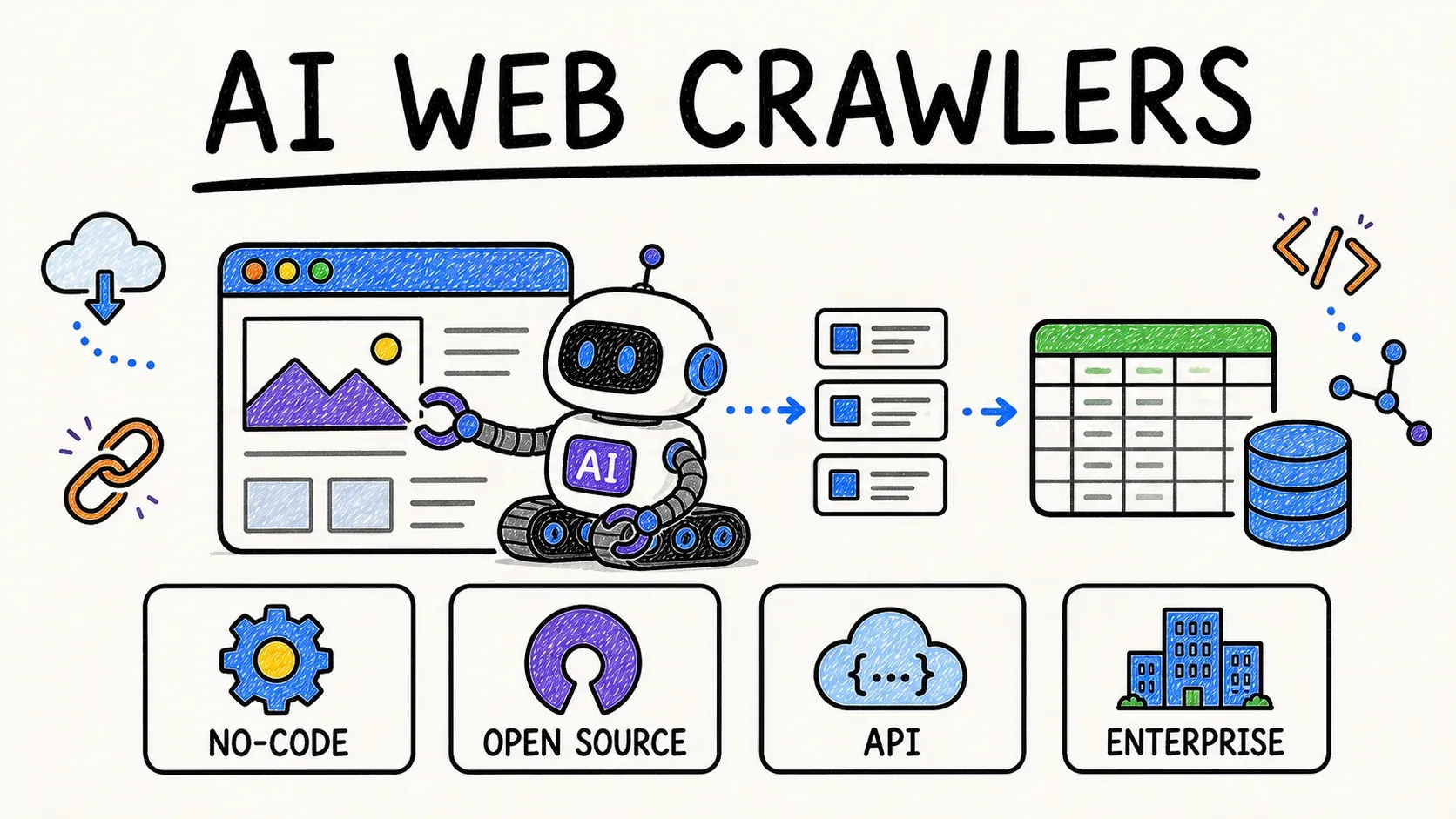
As the co-founder and CEO, I've seen firsthand how marketing teams struggle to collect, organize, and act on social media data. Thunderbit's AI web scraper is designed to make this process as easy as possible:
- Automated data collection: Scrape post-level and account-level data from any public social platform—no coding required.
- AI-powered field suggestions: Just click "AI Suggest Fields" and Thunderbit recommends the best columns to extract (likes, comments, shares, hashtags, product tags, etc.).
- Subpage enrichment: Want to analyze influencer posts, product SKUs, or campaign hashtags? Thunderbit can visit each subpage and pull deeper data automatically.
- Instant reporting: Export your data directly to Google Sheets, Excel, Notion, or Airtable—ready for analysis or dashboarding.
- Scheduled scraping: Set up recurring jobs to monitor competitors, track campaign performance, or keep an eye on influencer partners.
- Integration-ready: Thunderbit fits right into your analytics workflow, making it easy to blend scraped data with your existing BI tools.
Use cases:
- Competitive analysis: Track how often competitors post, what formats they use, and which posts drive the most engagement.
- Campaign tracking: Monitor hashtag performance, engagement spikes, and sentiment in real time.
- Influencer monitoring: Scrape and benchmark influencer content, engagement, and commerce results across platforms.
- Automated reporting: Save hours every week by automating the data collection and formatting process.
If you want to see how Thunderbit works for social media analytics, check out our or dive into the for more guides.
Adjusting Your Social Media Strategy with Real-Time Data
The best marketers in 2026 aren't just data-driven—they're data-agile. Here's how to use the latest stats to refine your strategy:
- Allocate budget by ROI, not just audience size: Platforms like TikTok and Instagram may have higher engagement, but CPMs and conversion rates vary. Use real benchmarks to guide spend.
- Choose platforms based on your audience's actual habits: Don't chase every new app—focus on where your target customers are active and engaged.
- Experiment with content formats: Test short video, live streams, AR, and interactive posts. Track engagement and double down on what works.
- Monitor competitors and trends: Use tools like Thunderbit to keep tabs on what's working for others in your space.
- Pivot quickly: Set up automated data collection and reporting so you can spot trends and adjust campaigns in real time.
Key Takeaways from 2026 Social Media Marketing Statistics
- Social media is now a primary driver of brand discovery, engagement, and commerce for nearly 70% of the global population.
- Platform fragmentation is real: the average user is active on almost seven platforms a month, each serving a different purpose.
- Short-form video, live content, and interactive formats deliver the highest engagement.
- Social commerce is booming, with TikTok Shop and Instagram leading the way—conversion rates for live shopping events can reach 30%.
- Influencer marketing is maturing: micro-influencers and long-term partnerships are delivering measurable ROI.
- AI and automation are essential for both organic and paid social—manual campaign management is fading fast.
- Real-time data collection and agile strategy adjustments are the new normal for high-performing marketing teams.
- Tools like Thunderbit make it possible to collect, organize, and act on social media data at scale—without a data science degree.
FAQs
1. What is the latest global social media user count in 2026?
As of October 2025, there are , representing about 68.7% of the world's population.
2. How much time do people spend on social media per day in 2026?
The average user spends on social platforms, totaling over 18 hours per week.
3. What are "good" engagement rates for social media in 2026?
Engagement rates vary by platform and definition, but median benchmarks are: LinkedIn (~6.2%), Facebook (~5.6%), Instagram (~5.46%), TikTok (~4.6%), Pinterest (~4.0%), Threads (~3.6%), and X (~2.5%) (). Always benchmark within the same method and track your own week-over-week changes.
4. Which content formats drive the most engagement in 2026?
Short-form video (Reels, TikTok, Shorts), live streams, and interactive posts (polls, Q&As) consistently outperform static images and text. On Instagram, Reels and carousels deliver than static images.
5. How can Thunderbit help with social media marketing analytics?
enables marketing teams to automatically scrape, organize, and export social media data from any public platform. With AI-powered field suggestions, subpage enrichment, and instant reporting, Thunderbit helps you monitor competitors, track campaigns, and make data-driven decisions—no technical skills required.
Further Reading & Resources
If you're ready to turn all this data into action, give a try and start building your own real-time social media dashboard. And if you're hungry for more stats, trends, and how-tos, the is packed with resources for data-driven marketers in 2026 and beyond.