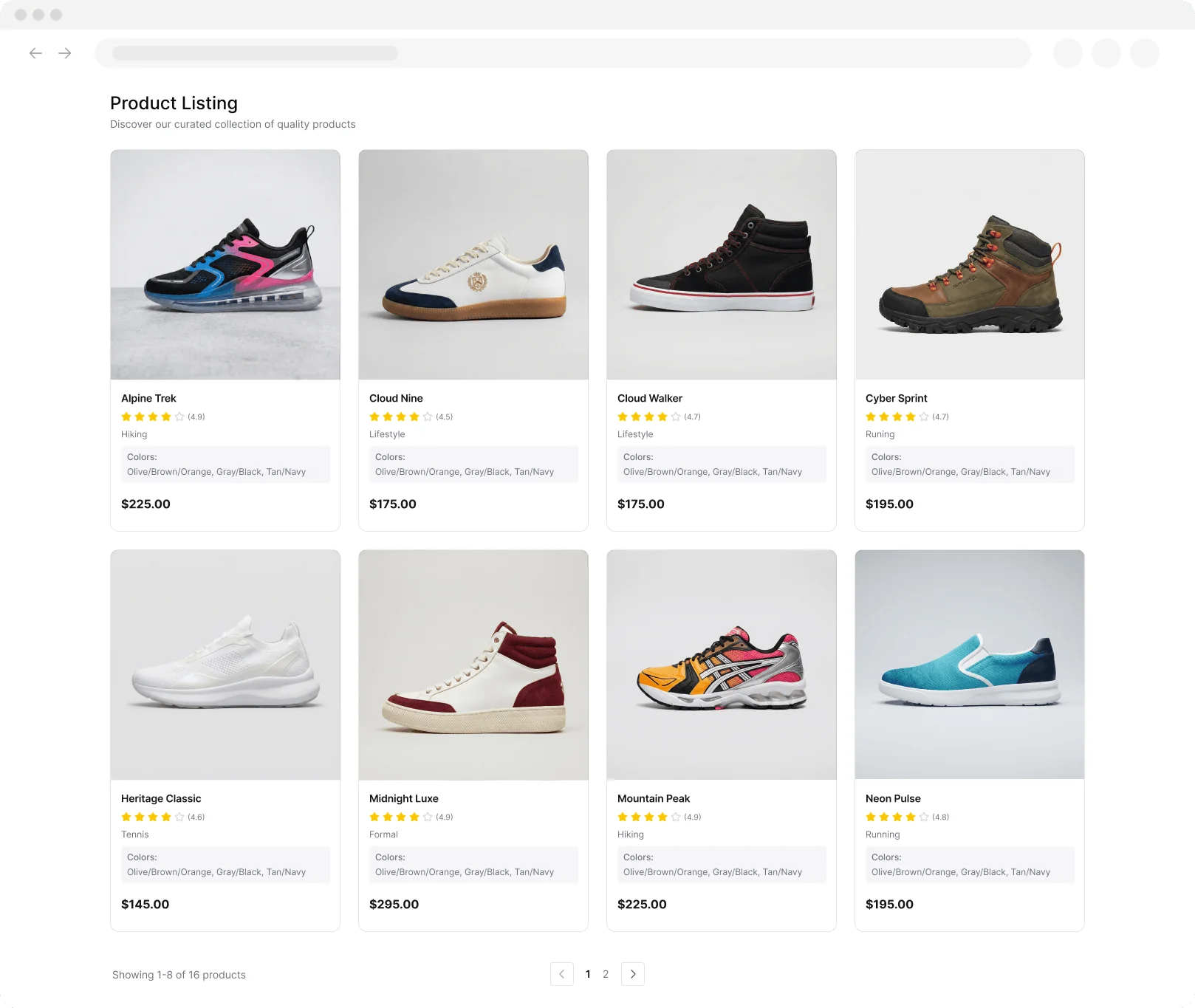
Turn pasted HTML tables into an editable grid. Copy or export as CSV or Markdown. Ideal for cleaning web data fast.
PRODUCT HUNT#1 Product of the Week
Extract Web Tables with AIUse Thunderbit to scrape tables and fields from websites, subpages, PDFs, docs, and images with automated extraction. Export structured results to Sheets, Airtable, or Notion in a few clicks.
Install fromChrome Web Store
Free tier available
Extract Web Tables with AI
Collect tables and key fields from any website using Thunderbit’s AI Web Scraper Chrome extension. Scrape listings, follow subpages for enrichment, and extract structured data from PDFs, docs, and images, then summarize, categorize, or format columns as you go.
Export your results to Google Sheets, Airtable, or Notion, or download as CSV or JSON. Use templates for popular sites, handle pagination and infinite scroll, and schedule recurring scrapes to keep datasets up to date.
How to Convert HTML to a Table Using Thunderbit
STEP 1Download and InstallDownload and install the Thunderbit Chrome Extension from the Thunderbit Chrome Extension Download Page. Once installed, log in or create a free account to get started.
STEP 2Open ExtensionOpen the Thunderbit Chrome Extension, then select the HTML to Table Converter tool. In the "Paste HTML Table Code" tab, paste your HTML into the "html" input field, making sure it includes one or more
elements. Next, choose your preferred option in the "export_format" dropdown (Editable Table, CSV, or Markdown) to set how you want to export the converted table after it is generated.
STEP 3Click the Convert HTML to Table ButtonClick the "Convert HTML to Table" button. Thunderbit will parse only the content inside
elements and render the result as a structured, editable table. Review and edit any cells as needed, then use the export option to copy or export the table in your selected format, such as CSV or Markdown, for use in tools like Excel, Google Sheets, Airtable, or Notion.
Learn how to convert HTML tables into an editable table
Paste HTML and convert table markup into rows and columns
Turn raw HTML that contains one or more <table> elements into a clean, readable table you can work with. Paste the HTML snippet, and the converter parses only the table content, ignoring surrounding page markup. It’s built for analysts, operations, and anyone copying table HTML from web pages, emails, or docs who needs a quick way to visualize data before cleaning or exporting it.
Get Started Free
Normalize headers and cell structure for reliable data cleanup
Get consistent columns even when the source HTML is messy. The tool detects headers from <th> cells (or promotes the first row to headers when needed), resolves duplicate header names, and expands colspan and rowspan so every row aligns to the same schema. This helps teams avoid broken imports and reduces manual fixes when preparing product lists, reports, or scraped tables for downstream tools.
Get Started Free
Copy or export the converted table to match your workflow
After conversion, you can work in an editable table view and then export in common formats such as CSV or Markdown. This is useful when you need to move data into spreadsheets, documentation, or databases without retyping. The structured output keeps missing cells as blanks, making it easier to filter, sort, and validate before sharing with teammates or importing into other systems.
Get Started Free
Use it to prepare web-sourced tables for sales, ecommerce, and research tasks
Convert HTML tables you find in product pages, vendor portals, internal dashboards, or archived emails into a format you can edit and reuse. Sales teams can turn copied directory tables into lead lists, ecommerce operators can review SKU and pricing tables before tracking changes, and researchers can standardize tables from multiple sources into a single dataset for comparison and reporting.
Taryn W.Growth Strategist@Thunderbit changed how I run competitor research. I click 'AI Suggest Fields,' and it builds a clean table across paginated results—no coding, no CSS. Huge time-saver when analyzing product data from long-tail marketplaces.
Miles T.Sales Development ConsultantI use Thunderbit to grab emails and phone numbers from directories. It extracts clean contact info in one click, and exporting to Sheets or Notion takes seconds. No extra setup, no coding—just usable data ready to work with.
Rhea C.E-commerce AnalystThunderbit helps me monitor SKU data across multiple pages. I scrape the listings, then use Subpage Scraping to pull full product specs, pricing, reviews, and stock. The AI organizes everything into columns I define.
Cassian B.Real Estate AdvisorThunderbit's Scheduled Scraper makes real estate tracking easier. I describe the interval in plain English, and it automatically pulls updated listings, prices, and links without touching the setup again. Simple and very practical.
Dorian B.Content & SEO SpecialistI use Thunderbit's Field AI Prompts to clean and tag scraped blog content. It extracts titles, authors, and even suggests categories. Works great across dynamic sites and subpages—perfect for building structured SEO datasets.
Lina K.Marketplace Operations LeadWe track SKUs from niche stores using Thunderbit. Cloud Scraping handles 50 pages at a time, and for login-required sites, we switch to browser mode. It’s fast, flexible, and doesn’t need ongoing maintenance or manual edits.
Jorge F.Inbound Sales ManagerThunderbit’s AI Autofill is a lifesaver. After scraping contact info, I use it to fill lead forms directly in my browser. I just select the tab, and it fills everything using the scraped row. No manual input needed.
Alina D.Freelance ResearcherI rely on Thunderbit for extracting data from PDFs, image-based sites, and infinite scroll pages. It handles messy formats with AI and delivers ready-to-export tables I can send to Google Sheets or Airtable in seconds.
Taryn W.Growth Strategist@Thunderbit changed how I run competitor research. I click 'AI Suggest Fields,' and it builds a clean table across paginated results—no coding, no CSS. Huge time-saver when analyzing product data from long-tail marketplaces.
Miles T.Sales Development ConsultantI use Thunderbit to grab emails and phone numbers from directories. It extracts clean contact info in one click, and exporting to Sheets or Notion takes seconds. No extra setup, no coding—just usable data ready to work with.
Rhea C.E-commerce AnalystThunderbit helps me monitor SKU data across multiple pages. I scrape the listings, then use Subpage Scraping to pull full product specs, pricing, reviews, and stock. The AI organizes everything into columns I define.
Cassian B.Real Estate AdvisorThunderbit's Scheduled Scraper makes real estate tracking easier. I describe the interval in plain English, and it automatically pulls updated listings, prices, and links without touching the setup again. Simple and very practical.
Dorian B.Content & SEO SpecialistI use Thunderbit's Field AI Prompts to clean and tag scraped blog content. It extracts titles, authors, and even suggests categories. Works great across dynamic sites and subpages—perfect for building structured SEO datasets.
Lina K.Marketplace Operations LeadWe track SKUs from niche stores using Thunderbit. Cloud Scraping handles 50 pages at a time, and for login-required sites, we switch to browser mode. It’s fast, flexible, and doesn’t need ongoing maintenance or manual edits.
Jorge F.Inbound Sales ManagerThunderbit’s AI Autofill is a lifesaver. After scraping contact info, I use it to fill lead forms directly in my browser. I just select the tab, and it fills everything using the scraped row. No manual input needed.
Alina D.Freelance ResearcherI rely on Thunderbit for extracting data from PDFs, image-based sites, and infinite scroll pages. It handles messy formats with AI and delivers ready-to-export tables I can send to Google Sheets or Airtable in seconds.
Frequently Asked Questions
Extract Data using AI
Easily transfer data to Google Sheets, Airtable, or Notion