
ลองนึกภาพตามนี้: ตอนนี้เป็นปี 2026 แล้ว คุณกำลังนั่งจิบกาแฟตอนเช้าอยู่ ขณะเดียวกันตู้เย็นอัจฉริยะที่ขับเคลื่อนด้วย AI ก็แจ้งเตือนว่ากะทิข้าวโอ๊ตหมดแล้ว สมาร์ทวอทช์ของคุณก็แนะนำให้หยุดพักทำสมาธิสักครู่ และแดชบอร์ดไอทีของบริษัทก็กำลังดึงข้อมูลวิเคราะห์แบบเรียลไทม์จากเซิร์ฟเวอร์คลาวด์ที่อยู่อีกซีกโลกหนึ่ง นี่ไม่ใช่หนังไซไฟ แต่คือชีวิตจริงของยุคใหม่ ที่ถูกขับเคลื่อนด้วยคลื่นเทคโนโลยีลูกใหญ่ ซึ่งกำลังเปลี่ยนทุกอย่างตั้งแต่วิธีทำงาน ไปจนถึงวิธีพักผ่อนของเรา
แต่ประเด็นสำคัญคือ เบื้องหลังอุปกรณ์ล้ำสมัยทุกชิ้น กระบวนการธุรกิจที่ขับเคลื่อนด้วย AI ทุกขั้น และทุกช่วงเวลาที่เราคิดว่า “ก่อนหน้านี้เราอยู่กันมาได้ยังไง” ล้วนมีเรื่องราวที่เล่าผ่านตัวเลข สถิติด้านเทคโนโลยีไม่ใช่แค่เรื่องน่ารู้เล่น ๆ แต่มันคือชีพจรของเศรษฐกิจดิจิทัลของเรา จริง ๆ แล้ว งบประมาณด้านไอทีทั่วโลกกำลังจะทำสถิติใหม่ด้วยมูลค่ากว่า 6 ล้านล้านดอลลาร์ในปี 2026 และเกือบ 9 ใน 10 บริษัทในปัจจุบันใช้ AI แล้ว ถ้าคุณเป็นผู้นำธุรกิจ ผู้เชี่ยวชาญด้านเทคโนโลยี หรือแค่คนที่อยากตามให้ทันโลก สถิติเหล่านี้คืออาวุธลับที่จะช่วยให้คุณรับมือกับโลกเทคโนโลยีที่เปลี่ยนเร็วสุด ๆ ในปี 2026 และขอแจ้งไว้สักนิดว่า จำนวนหัวข้อในบทความนี้เคยต้องตรวจทานใหม่ จึงมีการอัปเดตในเดือนสิงหาคม 2026 โดยนับสถิติให้ถูกต้อง ตรวจที่มาของตัวเลขทุกตัวจากรายงานต้นฉบับ และปรับชื่อเรื่องให้ตรงกับเนื้อหาจริง ๆ ด้วย Gartner เองก็ปรับประมาณการศูนย์ข้อมูลถึงสองครั้งในปีนี้ ดังนั้นตัวเลขบางส่วนที่คุณอาจจำได้จึงเปลี่ยนไปมากแล้ว
ไปดูกันเลยว่า สถิติด้านเทคโนโลยีที่น่าทึ่ง ชวนคุย และกำหนดทิศทางกลยุทธ์มากที่สุดในปี 2026 มีอะไรบ้าง และทั้งหมดนี้หมายความว่าอะไรกับพวกเราทุกคน
ภาพรวมใหญ่: ทำไมสถิติด้านเทคโนโลยีจึงสำคัญในปี 2026
ดึงข้อมูลจากทุกเว็บไซต์ได้ด้วย AI Get Started Free
ในเศรษฐกิจดิจิทัลปัจจุบัน เทคโนโลยีไม่ได้เป็นแค่แผนกหนึ่งในองค์กรอีกต่อไป แต่มันคือเครื่องยนต์หลักของการเติบโต นวัตกรรม และแม้กระทั่งความยืดหยุ่นทางเศรษฐกิจ ในบางกรณี เกือบ ทั้งหมดของการเติบโต GDP ช่วงล่าสุดมาจากการลงทุนด้านเทคโนโลยี ตัวอย่างเช่น ในสหรัฐฯ มีรายงานว่า 92% ของการเติบโต GDP ในช่วงต้นปี 2025 มาจากการใช้จ่ายด้านศูนย์ข้อมูลและไอที
แล้วทำไมตัวเลขพวกนี้ถึงสำคัญ? เพราะมันเปลี่ยนกระแสความฮือฮาให้กลายเป็นข้อมูลที่นำไปใช้ตัดสินใจได้จริง ไม่ว่าคุณจะกำลังพิจารณาว่าควรลงทุนตรงไหน จัดสรรงบอย่างไร หรือควรทุ่มกับเทรนด์ไหนเป็นพิเศษ สถิติด้านเทคโนโลยีจะช่วยแยกสัญญาณที่สำคัญออกจากเสียงรบกวน หาก 88% ขององค์กรรายงานว่าใช้ AI เป็นประจำ และงบด้านความปลอดภัยไซเบอร์เพิ่มขึ้น 15% เมื่อเทียบกับปีก่อนเป็น 213 พันล้านดอลลาร์ คุณก็จะมองเห็นทิศทางของโลก และรู้ว่าธุรกิจของคุณควรอยู่ตรงไหน
สถิติการเติบโตของเทคโนโลยีทั่วโลก: ตัวเลขที่กำลังปั้นปี 2026
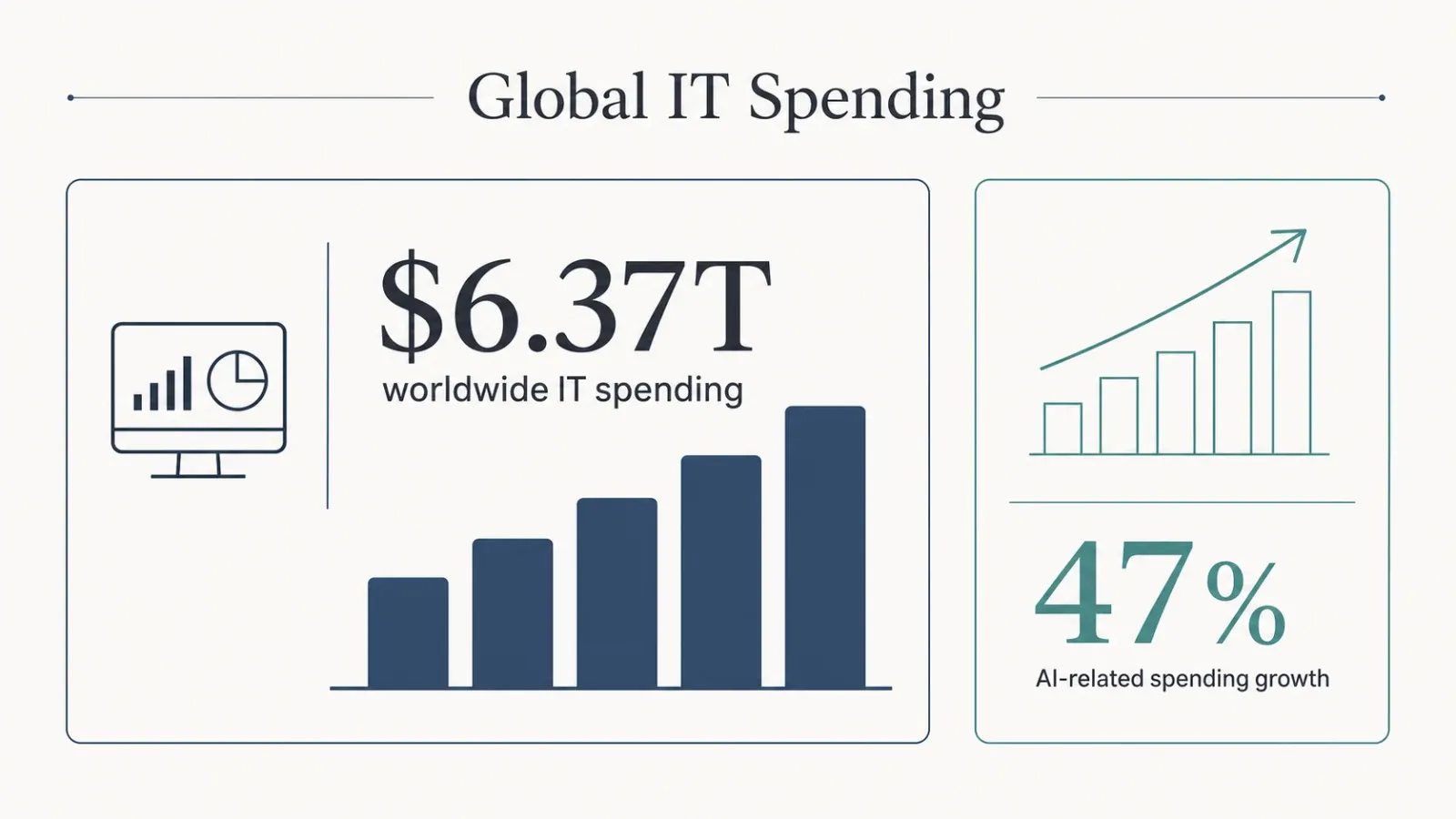
ลองถอยออกมามองภาพกว้างสักนิด ภาคเทคโนโลยีทั่วโลกกำลังโตด้วยความเร็วที่ทำให้แม้แต่นักอนาคตศาสตร์มือเก๋ายังต้องหันกลับมามอง
- งบ IT ทั่วโลกมีแนวโน้มแตะ 6.37 ล้านล้านดอลลาร์ในปี 2026(Gartner) — มากกว่ามูลค่า GDP ของญี่ปุ่น
- เศรษฐกิจดิจิทัลคิดเป็น ประมาณ 15% ของ GDP โลก หรือราว 16 ล้านล้านดอลลาร์ และอาจเพิ่มเป็น 25% ภายในช่วงปลายทศวรรษ 2020
- การลงทุนด้านเทคโนโลยีโตเร็วกว่าหลายอุตสาหกรรม โดย การใช้จ่ายที่เกี่ยวกับ AI โต 47% เมื่อเทียบกับปีก่อน
สรุปสั้น ๆ คือ ถ้าคุณไม่ติดตามตัวเลขเหล่านี้ คุณก็เหมือนบินฝ่าพายุดิจิทัลโดยไม่มีเข็มทิศ
การใช้จ่ายด้านเทคโนโลยีสารสนเทศ: เงินไหลไปไหนบ้าง
แล้วเงินระดับ 6 ล้านล้านดอลลาร์นั้นไหลไปไหน? นี่คือภาพแบ่งสัดส่วนที่อาจทำให้คุณประหลาดใจ และอาจทำให้ CFO ของคุณเหงื่อแตกได้เหมือนกัน:
- ซอฟต์แวร์: ก้อนใหญ่ที่สุดของงบทั้งหมด การใช้จ่ายซอฟต์แวร์องค์กรคาดว่าจะอยู่ที่ประมาณ 1.44 ล้านล้านดอลลาร์ในปี 2026 เพิ่มขึ้นราว 15% จากปีก่อน (Gartner) ฟีเจอร์ GenAI ตอนนี้ฝังอยู่ในแทบทุกอย่างแล้ว ทั้งเพิ่มต้นทุนและเพิ่มความสามารถไปพร้อมกัน
- บริการไอที: คาดว่าด้านที่ปรึกษา เอาต์ซอร์ซ และบริการแบบ managed services จะแตะ 1.87 ล้านล้านดอลลาร์ในปี 2026
- อุปกรณ์: การใช้จ่ายด้านฮาร์ดแวร์ เช่น พีซี สมาร์ตโฟน และอื่น ๆ จะอยู่ที่ 856 พันล้านดอลลาร์ในปี 2026 โดยได้แรงหนุนจากอุปกรณ์ที่มี AI ในตัว
- ระบบศูนย์ข้อมูล: ตัวเลขที่ว้าวที่สุดคือการใช้จ่ายคาดว่าจะพุ่ง 55.8% เป็นมากกว่า 788 พันล้านดอลลาร์ในปี 2026
- บริการสื่อสาร: โตช้ากว่าเล็กน้อย แต่ก็ยังใหญ่ถึง 1.36 ล้านล้านดอลลาร์ในปี 2026
สรุปคือ งบ IT กำลังบวมขึ้นทุกหมวด โดยเฉพาะในส่วนที่ขับเคลื่อนการเปลี่ยนผ่านสู่ดิจิทัล เช่น ซอฟต์แวร์ โครงสร้างพื้นฐานคลาวด์ และบริการต่าง ๆ
ปัญญาประดิษฐ์: เทรนด์เทคโนโลยีที่เติบโตเร็วที่สุด
ถ้ามีเทรนด์ไหนที่มองข้ามไม่ได้เลย นั่นคือ AI ผมอยู่ในสาย automation และ AI มาหลายปี และแม้แต่ผมเองก็ยังทึ่งกับความเร็วของการยอมรับและขนาดของการลงทุน
การใช้งาน AI และขนาดตลาด
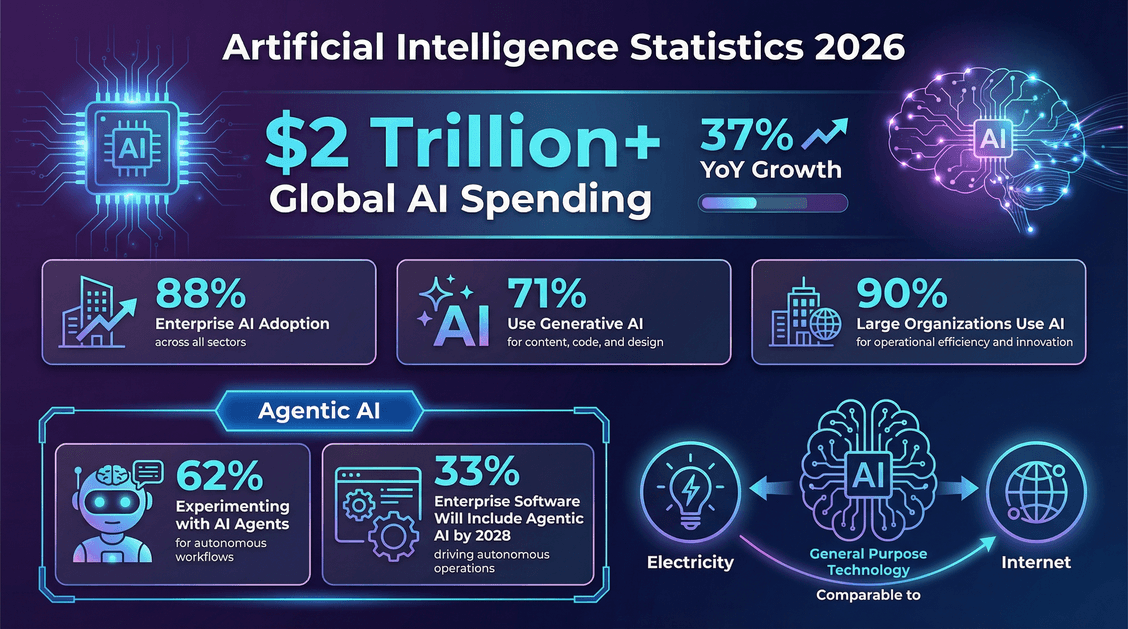
- เกือบ 90% ขององค์กรขนาดใหญ่ใช้ AI แล้ว อย่างน้อยหนึ่งกระบวนการทางธุรกิจ
- การใช้จ่ายด้าน AI ทั่วโลกคาดว่าจะ แตะ 2.59 ล้านล้านดอลลาร์ในปี 2026
- การใช้งาน Generative AI โตแบบก้าวกระโดด: 72% ขององค์กรใช้เครื่องมือ GenAI แล้ว อย่างน้อยหนึ่งด้าน จาก 33% ในปี 2023 (ฐานสำรวจปี 2024)
ถ้ามองในภาพรวม AI ตอนนี้เป็น “เทคโนโลยีเอนกประสงค์” ไปแล้ว คล้ายกับไฟฟ้าหรืออินเทอร์เน็ต คืออยู่ทุกที่ และยังโตได้อีกมาก
Agentic AI และระบบอัตโนมัติ
ต่อไปนี้คือส่วนที่น่าสนใจมากขึ้นไปอีก การมาของ agentic AI หรือ AI ที่ตัดสินใจและลงมือทำได้เอง ไม่ได้แค่ตอบสนองคำสั่ง กำลังเปลี่ยนเกมของซอฟต์แวร์องค์กร
- 62% ของบริษัทกำลังทดลองใช้ AI agents และ 23% เริ่มขยายการใช้งาน agentic AI แล้ว ในอย่างน้อยหนึ่งฟังก์ชันธุรกิจ
- ภายในปี 2028 33% ของซอฟต์แวร์องค์กรทั้งหมดจะมี agentic AI ฝังอยู่ จากน้อยกว่า 1% ในปี 2024
การเปลี่ยนแปลงนี้หมายความว่า งานตัดสินใจที่ทำซ้ำ ๆ หรือแม้แต่งานที่ซับซ้อนบางส่วน จะถูกส่งต่อให้เครื่องจักรมากขึ้น ทำให้มนุษย์มีเวลาไปโฟกัสงานระดับสูงกว่าเดิม — แต่ก็พ่วงมาด้วยคำถามใหม่เรื่องธรรมาภิบาล ความน่าเชื่อถือ และทักษะ
คลาวด์คอมพิวติ้งและศูนย์ข้อมูล: พลังขับเคลื่อนโลกดิจิทัล
คลาวด์ไม่ได้เป็นแค่คำฮิตอีกต่อไป แต่มันคือโครงสร้างพื้นฐานหลักของโลกดิจิทัล และตัวเลขก็โหดเอาเรื่องเลยทีเดียว
การใช้จ่ายและการยอมรับคลาวด์
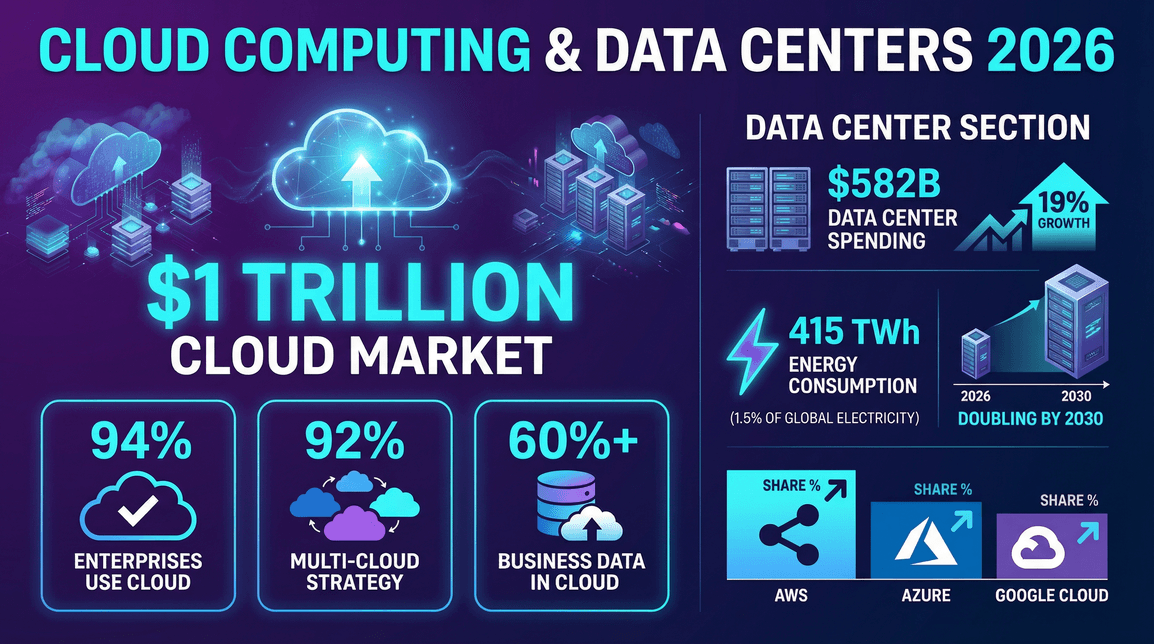
- ตลาดคลาวด์คอมพิวติ้งทั่วโลกกำลังมุ่งหน้าไปสู่ 1 ล้านล้านดอลลาร์ภายในปี 2026
- 94% ขององค์กรใช้บริการคลาวด์ และ 92% มีแผนกลยุทธ์ multi-cloud
- ข้อมูลธุรกิจมากกว่า 60% ถูกเก็บไว้บนคลาวด์แล้ว
คลาวด์ไม่ใช่ของฟุ่มเฟือยอีกต่อไป แต่มันคือมาตรฐานสำหรับเวิร์กโหลดใหม่ ๆ และเป็นตัวขับเคลื่อนทุกอย่างตั้งแต่ AI ไปจนถึงการทำงานระยะไกล
การขยายตัวของศูนย์ข้อมูลและการใช้พลังงาน
- การใช้จ่ายด้านระบบศูนย์ข้อมูลคาดว่าจะแตะ มากกว่า 788 พันล้านดอลลาร์ในปี 2026 เพิ่มขึ้น 55.8% จากปี 2025
- ศูนย์ข้อมูลใช้ไฟฟ้าไป 415 เทราวัตต์ชั่วโมง (TWh) ในปี 2024 หรือประมาณ 1.5% ของการใช้ไฟฟ้าทั่วโลก
เมื่อ AI และคริปโตผลักดันความต้องการขึ้นอย่างต่อเนื่อง ประสิทธิภาพพลังงานและความยั่งยืนจึงกลายเป็นลำดับความสำคัญสูงสุดของผู้ให้บริการคลาวด์
ความปลอดภัยไซเบอร์: ปกป้องพรมแดนดิจิทัล
เทคโนโลยีที่ยิ่งใหญ่ย่อมมาพร้อมความรับผิดชอบที่ใหญ่ตาม และน่าเสียดายที่ความเสี่ยงก็ใหญ่ด้วยเช่นกัน ความปลอดภัยไซเบอร์จึงกลายเป็นสิ่งที่เลี่ยงไม่ได้ในทุกกลยุทธ์ดิจิทัล
การใช้จ่ายด้านไซเบอร์และภูมิทัศน์ภัยคุกคาม
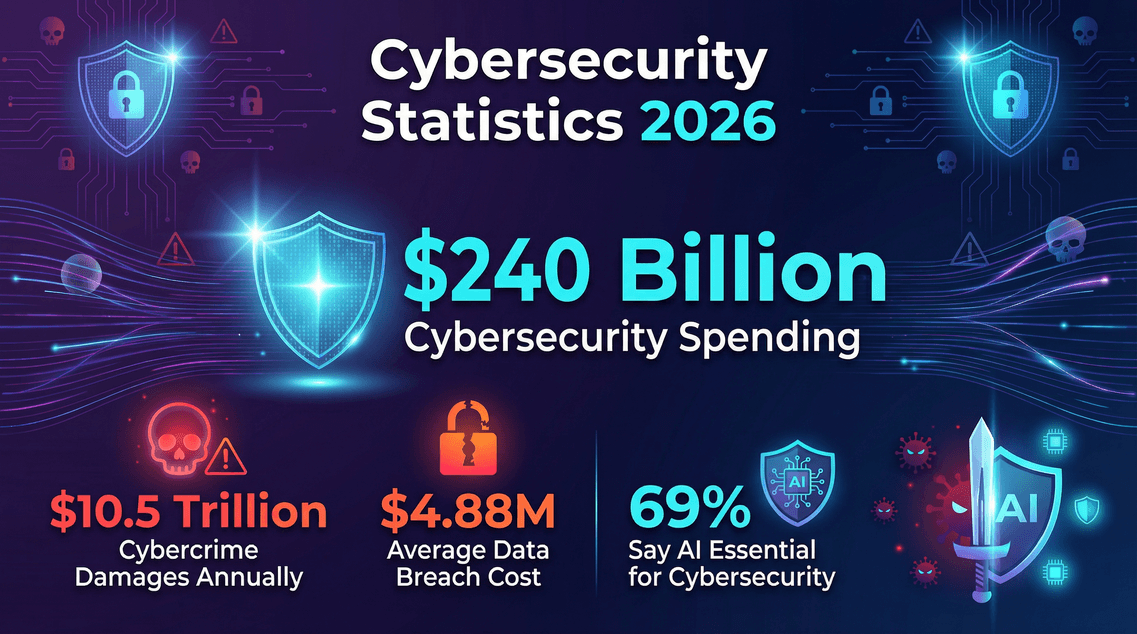
- การใช้จ่ายด้านความปลอดภัยไซเบอร์ทั่วโลกคาดว่าจะแตะ 240 พันล้านดอลลาร์ในปี 2026
- ความเสียหายจากอาชญากรรมไซเบอร์คาดว่าจะสร้างต้นทุนให้โลก 12.2 ล้านล้านดอลลาร์ต่อปีภายในปี 2031
- ค่าเสียหายจากการรั่วไหลของข้อมูลก็สูงขึ้นเรื่อย ๆ: ค่าเฉลี่ยทั่วโลกของข้อมูลรั่วไหลแตะ 4.99 ล้านดอลลาร์ในปี 2026 เพิ่มขึ้น 12% เมื่อเทียบกับปีก่อน ขณะที่ค่าเฉลี่ยในสหรัฐฯ อยู่ที่ 11.5 ล้านดอลลาร์
AI ในที่นี้เป็นได้ทั้งดาบและโล่ — 69% ขององค์กรเชื่อว่า AI จำเป็นต่อความปลอดภัยไซเบอร์ แต่ผู้โจมตีก็ใช้ AI เป็นอาวุธเช่นกัน นี่คือสงครามเทคโนโลยีที่เดิมพันสูงที่สุดครั้งหนึ่ง และความเสี่ยงไม่เคยมากเท่านี้มาก่อน
สถิติเทคโนโลยีฝั่งผู้บริโภค: อุปกรณ์ การใช้งาน และเทรนด์
มาคุยกันเรื่องอุปกรณ์ที่เราแทบขาดไม่ได้ ตัวเลขฝั่งนี้ก็แรงไม่แพ้กัน:
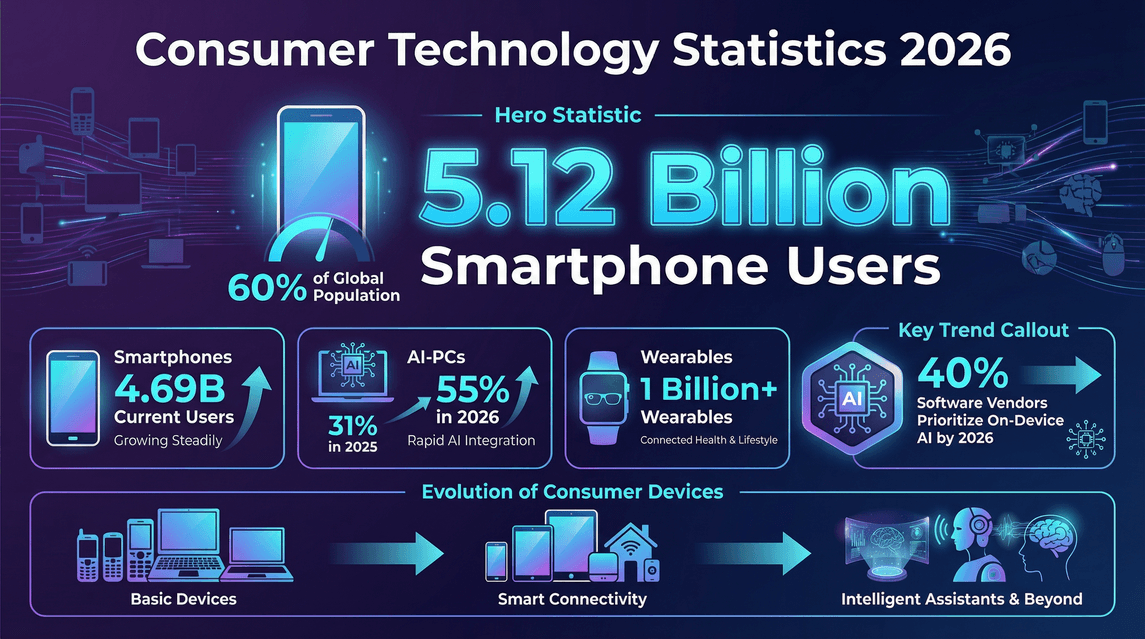
- 5.83 พันล้านคนทั่วโลกเป็นผู้ใช้มือถือที่ไม่ซ้ำกัน หรือราว 71% ของประชากรโลก ขณะที่ผู้ใช้อินเทอร์เน็ตมี 6.12 พันล้านคน (อัตราการเข้าถึง 73.8%)
- ภายในปี 2026 มีการคาดการณ์ว่าจะมี ผู้ใช้สมาร์ตโฟน 5.12 พันล้านคน
- 31% ของพีซีที่ส่งมอบในปี 2025 เป็น AI-PCs และคาดว่าจะเพิ่มเป็น 55% ในปี 2026
AI ตอนนี้กลายเป็นฟีเจอร์มาตรฐานในเทคโนโลยีผู้บริโภค ไม่ใช่ของหรูหราอีกต่อไป โทรศัพท์ พีซี และนาฬิกาอัจฉริยะของคุณล้วนฉลาดขึ้น และความคาดหวังของคุณก็เช่นกัน
อุปกรณ์ที่ฝัง AI ไว้ในตัว
- การใช้จ่ายกับสมาร์ตโฟนที่มี GenAI คาดว่าจะอยู่ที่ 393 พันล้านดอลลาร์ในปี 2026
- ภายในสิ้นปี 2026 40% ของผู้พัฒนาซอฟต์แวร์จะให้ความสำคัญกับฟีเจอร์ AI ที่รันได้โดยตรงบนพีซี
เส้นแบ่งระหว่างคำว่า “อุปกรณ์” กับ “ผู้ช่วยอัจฉริยะ” กำลังเลือนลงทุกวัน
แรงงานและทักษะ: ผลกระทบของเทคโนโลยีต่อการจ้างงาน
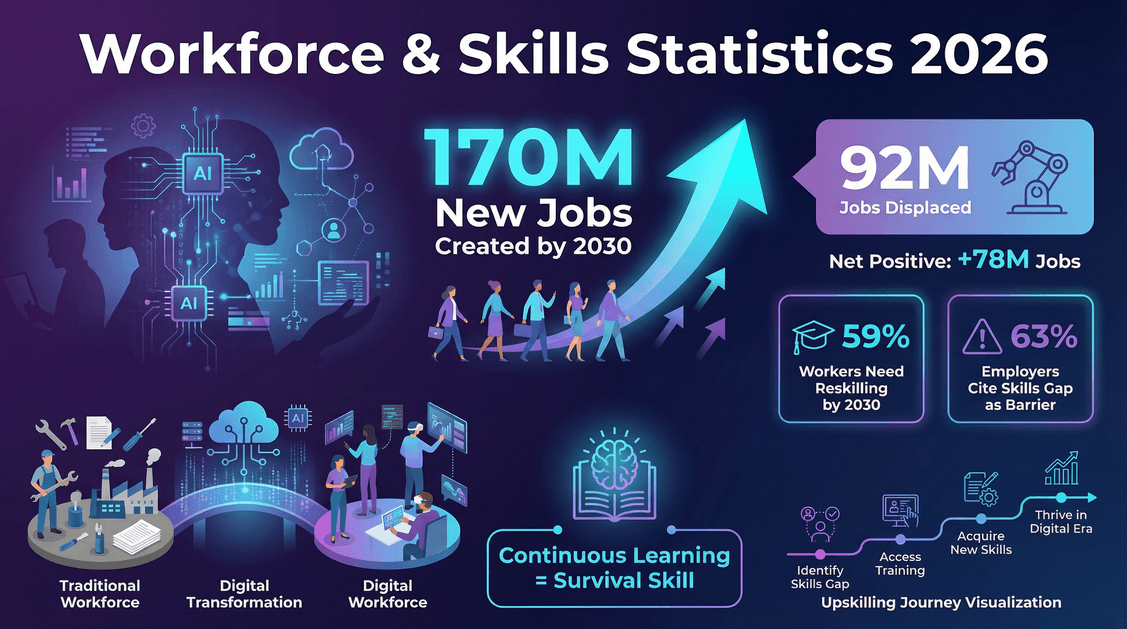
มีสถิติหนึ่งที่มักทำให้คนคุยกันไม่หยุด: World Economic Forum ประเมินว่าภายในปี 2030 จะมีการสร้างงานใหม่ถึง 170 ล้านตำแหน่ง ในขณะเดียวกัน 92 ล้านตำแหน่งจะถูกแทนที่ด้วยระบบอัตโนมัติ
- 59% ของแรงงานจะต้อง reskill หรือ upskill ภายในปี 2030
- 63% ของนายจ้างมองว่าช่องว่างทักษะคืออุปสรรคหลักต่อการนำเทคโนโลยีใหม่มาใช้
ข้อความที่ชัดเจนก็คือ การเรียนรู้ตลอดชีวิตไม่ใช่แค่คำสวยหรู แต่มันคือทักษะเอาตัวรอด
เทคโนโลยีเกิดใหม่ที่น่าจับตา: นอกเหนือจากตัวท็อปเดิม ๆ
แน่นอนว่า AI กับคลาวด์มักได้พาดหัวข่าว แต่ยังมีอีกหลายอย่างที่กำลังคืบหน้าแบบเงียบ ๆ:
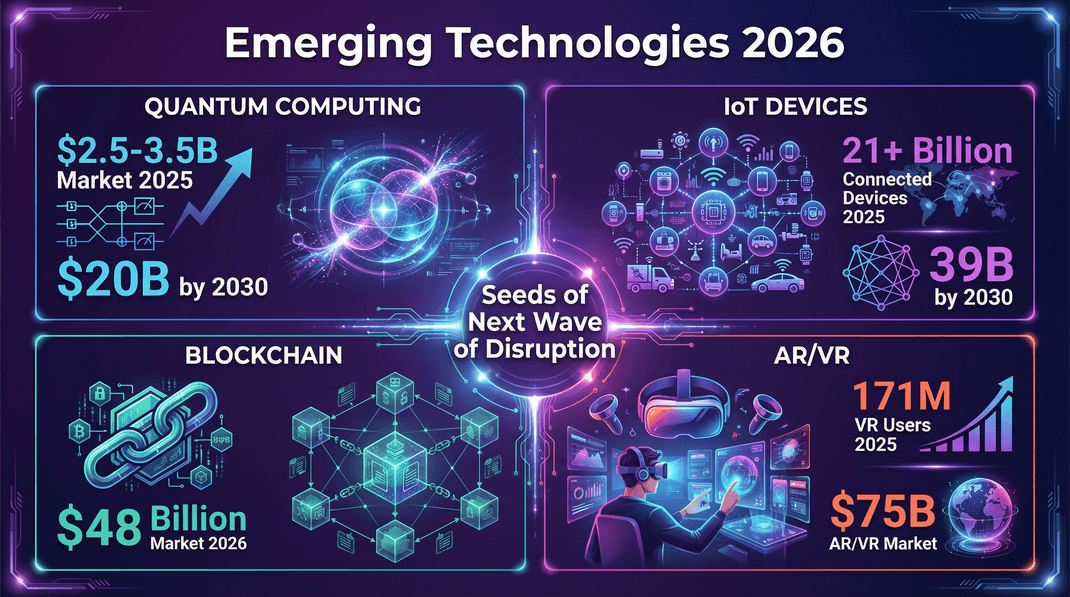
- คอมพิวเตอร์ควอนตัม: มูลค่าตลาดอยู่ที่ 2.5–3.5 พันล้านดอลลาร์ในปี 2025 และคาดว่าจะไปถึง 20 พันล้านดอลลาร์ภายในปี 2030
- อุปกรณ์ IoT: มี อุปกรณ์เชื่อมต่อมากกว่า 21 พันล้านชิ้นในปี 2025 และกำลังมุ่งสู่ 39 พันล้านชิ้นภายในปี 2030
- บล็อกเชน: ขนาดตลาดอาจแตะ 48 พันล้านดอลลาร์ในปี 2026
- AR/VR: มี ผู้ใช้ VR ทั่วโลก 171 ล้านคนในปี 2025 และมูลค่าตลาดกำลังขยับขึ้นไปถึง 75 พันล้านดอลลาร์ในปี 2025
สิ่งเหล่านี้ไม่ใช่แค่เทรนด์ “มีไว้ก็ดี” แต่มันคือเมล็ดพันธุ์ของคลื่นการเปลี่ยนแปลงรอบถัดไป
เทคโนโลยีกับเศรษฐกิจ: วัดผลกระทบในภาพใหญ่
มาดูภาพรวมกัน เทคโนโลยีไม่ได้เป็นเพียงอุตสาหกรรมหนึ่ง แต่มันคือกระดูกสันหลังของเศรษฐกิจโลก
- เศรษฐกิจดิจิทัลคิดเป็น 15% ของ GDP โลก และอาจแตะ 25% ภายในช่วงปลายทศวรรษ 2020
- ในสหรัฐฯ ภาคอินเทอร์เน็ตสร้างมูลค่า 4.9 ล้านล้านดอลลาร์ หรือประมาณ 18% ของ GDP และเพิ่มขึ้นเป็นสองเท่าจากปี 2020
- IMF ประเมินว่า AI อาจเพิ่ม GDP โลกได้ 0.5% ต่อปีในช่วงปี 2025 ถึง 2030
ถ้าคุณทำงานในภาคธุรกิจ ภาครัฐ หรือการกำหนดนโยบาย ตัวเลขเหล่านี้คือเข็มทิศสำหรับการวางแผน การลงทุน และการเติบโต
สถิติเทคโนโลยีกว่า 40 ข้อที่น่าจับตามองในปี 2026: ลิสต์ฉบับเต็ม
พร้อมรับข้อมูลแบบจัดเต็มหรือยัง? ด้านล่างคือรายการสถิติด้านเทคโนโลยีที่สำคัญที่สุดสำหรับปี 2026 ที่คัดมาให้อ่านง่าย แยกตามหมวดหมู่ไว้เรียบร้อย (ไม่ต้องกังวล ผมไม่ทดสอบคุณตอนจบ)
การใช้จ่ายด้าน IT และการเติบโตของเทคโนโลยีทั่วโลก
- งบ IT ทั่วโลก (2026): 6.37 ล้านล้านดอลลาร์ เพิ่มขึ้น 14.2% จากปี 2025
- การใช้จ่ายด้านซอฟต์แวร์: ประมาณ 1.44 ล้านล้านดอลลาร์ในปี 2026 และยังคงเป็นหมวดใช้จ่าย IT ที่ใหญ่ที่สุด (Gartner)
- ฮาร์ดแวร์ศูนย์ข้อมูล: มากกว่า 788 พันล้านดอลลาร์ในปี 2026 เพิ่มขึ้น 55.8% YoY
- สัดส่วนเศรษฐกิจดิจิทัล: 15% ของ GDP โลก หรือราว 16 ล้านล้านดอลลาร์
ปัญญาประดิษฐ์
- การใช้จ่ายด้าน AI ทั่วโลก: 2.59 ล้านล้านดอลลาร์ในปี 2026 โต 47% (Gartner)
- การยอมรับ AI ในองค์กร: 88% ของบริษัทใช้ AI
- การใช้งาน Generative AI: 72% ขององค์กรใช้ GenAI
- Agentic AI ในองค์กร: 33% ของซอฟต์แวร์องค์กรจะมี agentic AI ภายในปี 2028
คลาวด์คอมพิวติ้งและศูนย์ข้อมูล
- ขนาดตลาดคลาวด์: ราว 1 ล้านล้านดอลลาร์ภายในปี 2026
- การใช้คลาวด์: 94% ขององค์กรใช้คลาวด์
- การใช้พลังงานของศูนย์ข้อมูล: 415 TWh ในปี 2024 และคาดว่าจะเพิ่มเป็นสองเท่าภายในปี 2030
ความปลอดภัยไซเบอร์
- การใช้จ่ายด้านความปลอดภัยไซเบอร์: 240 พันล้านดอลลาร์ในปี 2026
- ความเสียหายจากอาชญากรรมไซเบอร์: 12.2 ล้านล้านดอลลาร์ต่อปีภายในปี 2031
- AI ในไซเบอร์ซีเคียวริตี้: 69% ขององค์กรบอกว่า AI จำเป็นต่อการป้องกันภัย
เทคโนโลยีผู้บริโภค
- ผู้ใช้สมาร์ตโฟน: 4.69 พันล้านคนในปี 2025, 5.12 พันล้านคนภายในปี 2026
- AI PC: 31% ของพีซีที่ส่งมอบในปี 2025 เป็น AI-PCs, 55% ในปี 2026
- อุปกรณ์สวมใส่: มีการใช้งานมากกว่า 1 พันล้านชิ้นทั่วโลก
แรงงานและทักษะ
- งานใหม่ภายในปี 2030: 170 ล้านตำแหน่ง โดย 92 ล้านตำแหน่งจะถูกแทนที่ด้วยระบบอัตโนมัติ
- ช่องว่างทักษะ: 59% ของแรงงานต้อง reskill ภายในปี 2030
เทคโนโลยีเกิดใหม่
- คอมพิวเตอร์ควอนตัม: ตลาดมูลค่า 2.5–3.5 พันล้านดอลลาร์ในปี 2025, 20 พันล้านดอลลาร์ภายในปี 2030
- อุปกรณ์ IoT: อุปกรณ์เชื่อมต่อมากกว่า 21 พันล้านชิ้นในปี 2025
- บล็อกเชน: ตลาดมูลค่า 48 พันล้านดอลลาร์ในปี 2026
- AR/VR: ผู้ใช้ VR 171 ล้านคนในปี 2025, ตลาด AR/VR มูลค่า 75 พันล้านดอลลาร์ในปี 2025
ข้อสรุปสำคัญ: สถิติด้านเทคโนโลยีเหล่านี้หมายความว่าอะไรกับธุรกิจของคุณ
Data Scraping คืออะไร และทำอย่างไรในปี 2025 Get Started Free
แล้วทั้งหมดนี้หมายความว่าอะไรกับคุณและองค์กรของคุณ? นี่คือเทรนด์ใหญ่และอินไซต์ที่ผมมองเห็นว่าเอาไปใช้งานได้จริง:
- การลงทุนด้านเทคโนโลยีเป็นสิ่งเลี่ยงไม่ได้: ถ้าคุณไม่ลงทุนในดิจิทัล คุณกำลังถูกทิ้งห่าง การใช้จ่ายด้าน IT เชื่อมโยงโดยตรงกับการเติบโตทางเศรษฐกิจ
- AI กลายเป็นมาตรฐานขั้นต่ำแล้ว: แทบทุกบริษัทกำลังใช้ AI ในรูปแบบใดรูปแบบหนึ่ง ถ้าคุณยังไม่ใช้ คุณกำลังพลาดทั้งประสิทธิภาพ ความคุ้มค่า และความได้เปรียบในการแข่งขัน
- คลาวด์คือเรื่องปกติใหม่: เมื่อเวิร์กโหลดและข้อมูลส่วนใหญ่ย้ายขึ้นคลาวด์ การปรับกลยุทธ์คลาวด์ให้เหมาะสมจึงเป็นเรื่องจำเป็น
- ความปลอดภัยไซเบอร์ขาดไม่ได้: ภัยคุกคามซับซ้อนขึ้นเรื่อย ๆ ลงทุนกับระบบรักษาความปลอดภัยที่ใช้ AI การอบรมพนักงาน และแผนรับมือเหตุการณ์ที่แข็งแกร่ง
- การพัฒนาทักษะต้องทำทันที: ช่องว่างด้านทักษะมีอยู่จริง การเรียนรู้ต่อเนื่องและการ reskill เป็นเรื่องสำคัญทั้งสำหรับองค์กรและแต่ละคน
- จับตาเทคโนโลยีเกิดใหม่ไว้: ควอนตัม IoT บล็อกเชน และ AR/VR กำลังขยับจากคำฮิตไปสู่ตัวขับเคลื่อนธุรกิจ ควรเริ่มทดลองตั้งแต่เนิ่น ๆ
และแน่นอน อย่าลืมตัดสินใจโดยยึดข้อมูลเป็นหลักเสมอ นั่นคือวิธีเปลี่ยนสถิติด้านเทคโนโลยีให้กลายเป็นผลลัพธ์จริงในโลกธุรกิจ
แหล่งที่มาและวิธีการ: สถิติด้านเทคโนโลยีของเรามาจากไหน
การรวบรวมลิสต์ใหญ่ชุดนี้ไม่ใช่แค่การค้นหา Google ด้วยคำว่า “สถิติเทคเจ๋ง ๆ” เราอ้างอิงจากแหล่งข้อมูลที่น่าเชื่อถือหลายแห่ง ได้แก่:
- Gartner (การคาดการณ์ด้านการใช้จ่าย IT, AI, คลาวด์ และอุปกรณ์)
- McKinsey (รายงานสถานะ AI)
- World Economic Forum (แรงงาน งาน และทักษะ)
- IDC, Deloitte, Statista และแหล่งอื่น ๆ (การประเมินขนาดตลาดและเศรษฐกิจดิจิทัล)
- บล็อกของอุตสาหกรรมเทคและรายงานจากผู้ให้บริการ (สำหรับสถิติที่รวบรวมและตรวจสอบข้ามแหล่ง)
- ข้อมูลจากสถาบันการศึกษาและหน่วยงานรัฐ (สำหรับผลกระทบทางเศรษฐกิจและแรงงาน)
เราให้ความสำคัญกับข้อมูลที่ใหม่ น่าเชื่อถือ และเกี่ยวข้องในระดับโลกมากที่สุด พร้อมตรวจสอบตัวเลขไขว้กัน และใส่ลิงก์ตรงไว้ให้คุณศึกษาเพิ่มเติมได้ทันที
อยากได้ข้อมูลเพิ่มอีกไหม? ตาม Thunderbit ให้ทัน
ถ้าคุณชอบข้อมูลพอ ๆ กับผม (และอยากเปลี่ยนสถิติเหล่านี้ให้กลายเป็นการลงมือทำจริง) ลองดู Thunderbit — Chrome extension สำหรับ AI web scraper ของเราที่ทำให้การเก็บ จัดโครงสร้าง และส่งออกข้อมูลเว็บง่ายเหมือนกดปุ่มเดียว ไม่ว่าคุณจะทำงานด้านขาย อีคอมเมิร์ซ มาร์เก็ตติ้ง หรือแค่อยากทำให้การรีเสิร์ชเป็นอัตโนมัติ ฟีเจอร์ที่ขับเคลื่อนด้วย AI ของ Thunderbit จะช่วยให้คุณนำหน้าคู่แข่งได้เสมอ
ลองใช้ Thunderbit ฟรี – ดึงข้อมูลเว็บได้ทันที
คุณยังลองใช้ฟรีได้ด้วย แค่ติดตั้ง Thunderbit Chrome Extension แล้วเริ่มดึงข้อมูลที่สำคัญที่สุดต่อธุรกิจของคุณได้เลย
ถ้าอยากอ่านเชิงลึก เคล็ดลับ และเทรนด์เทคโนโลยีล่าสุด แวะไปที่ Thunderbit Blog ได้เลย เราอัปเดตแหล่งความรู้อยู่เสมอด้วยงานวิจัยล่าสุด คู่มือที่ใช้ได้จริง และใช่… มีสถิติเพิ่มอีกแน่นอน (เพราะใครจะไม่ชอบกราฟดี ๆ สักอันล่ะ)
ความคิดส่งท้าย
เทคโนโลยีในปี 2026 กำลังเคลื่อนที่ด้วยความเร็วสูงมาก แต่ตัวเลขไม่เคยโกหก: อนาคตเป็นของคนที่เข้าใจข้อมูลและลงมือกับมัน ไม่ว่าคุณจะกำลังวางแผนการลงทุนครั้งใหญ่ ปรับกลยุทธ์กำลังคนใหม่ หรือแค่พยายามตามให้ทันตู้เย็น AI ของคุณ จงจำไว้ว่า สถิติคือเข็มทิศของคุณในยุคดิจิทัล
ถ้าเพียงแต่เครื่องชงกาแฟของผมอ่านบล็อกนี้แล้วเริ่มชงกาแฟก่อนประชุมรอบถัดไปได้ก็คงดี...
ถ้าอยากเจาะลึกยิ่งกว่าเดิม ลองอ่านต่อ:
- Data Scraping คืออะไร และทำอย่างไรในปี 2025
- วิธีดึงข้อมูลเว็บไซต์ลง Excel ด้วย AI
- Web Scraping Tools และซอฟต์แวร์ที่ดีที่สุดในปี 2025
แหล่งที่มา: สถิติทั้งหมดในบทความนี้เชื่อมโยงไปยังรายงานหรือการศึกษาต้นฉบับโดยตรง เพื่อให้ตรวจสอบและอ่านต่อได้เพิ่มเติม
ลองใช้ Thunderbit AI Web Scraper ฟรี Get Started Free




