
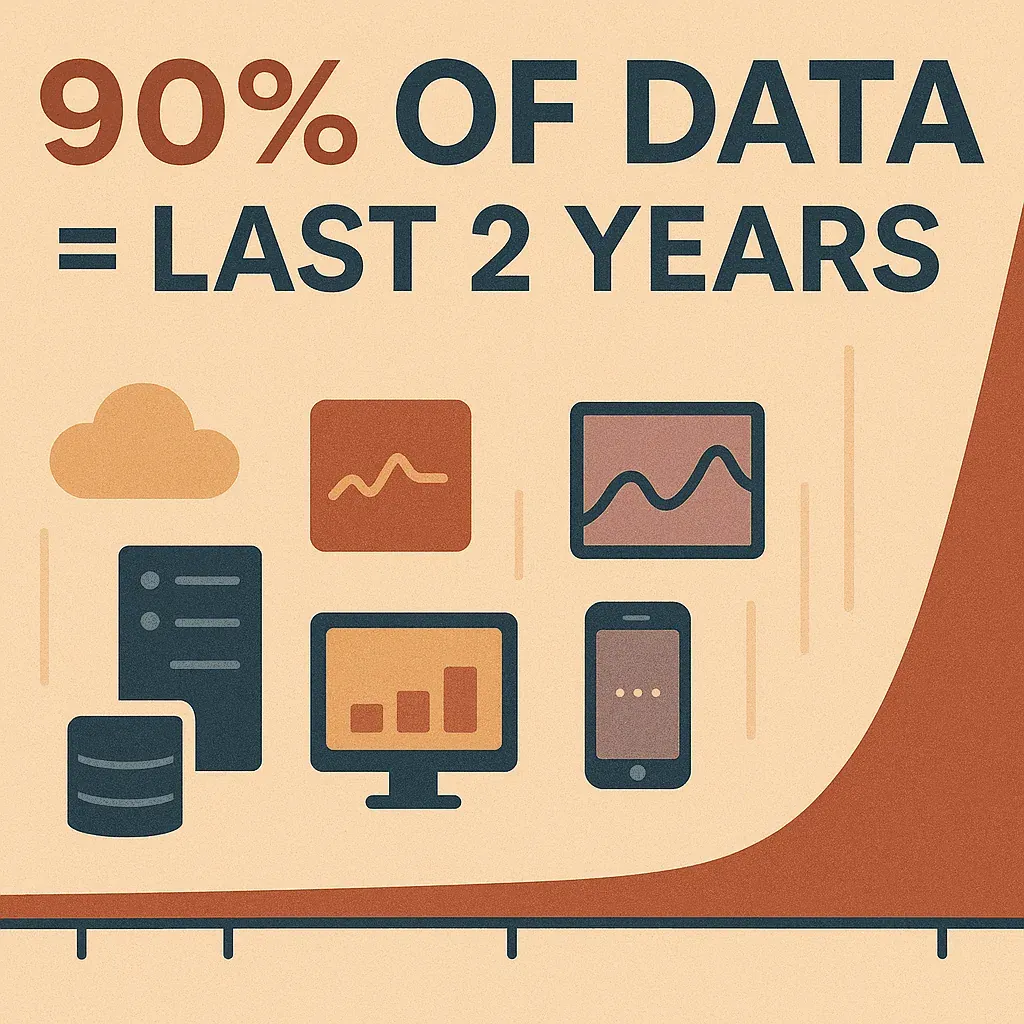
Świat tonie w danych. W 2025 roku globalna skala osiągnęła około 181 zettabajtów i zmierza do ~221 zettabajtów w 2026 roku — to wzrost o 22% rok do roku i wystarczająco dużo, by nawet najbardziej doświadczony mistrz arkuszy kalkulacyjnych poczuł lekki stres. A najlepsze jest to, że około 90% danych na świecie powstało w ciągu ostatnich dwóch lat, a krzywa wzrostu wcale nie zwalnia. Ale jak wie każdy lider biznesu, jedno to mieć góry danych — a zupełnie co innego naprawdę je zbierać, porządkować i wyciągać z nich sens. Tradycyjne zbieranie danych jest powolne, ręczne i, nie oszukujmy się, mniej więcej tak ekscytujące jak patrzenie, jak schnie farba. I właśnie tutaj wkraczają usługi AI do zbierania danych, odwracając cały schemat i zamieniając chaos danych w biznesowe złoto.
 Od lat pracuję w SaaS i automatyzacji i na własne oczy widziałem, jak ai zmienia sposób, w jaki organizacje pozyskują i wykorzystują informacje. W tym przewodniku wyjaśnię, czym tak naprawdę są usługi AI do zbierania danych, dlaczego redefiniują współczesne pozyskiwanie danych i jak narzędzia takie jak Thunderbit sprawiają, że każdy — tak, nawet osoba z obozu „nie umiem programować” — może zbierać, porządkować i wykorzystywać dane mądrzej i szybciej niż kiedykolwiek wcześniej.
Zbieraj dane z dowolnej strony internetowej dzięki ai Get Started Free
Czym są usługi AI do zbierania danych? Jasna definicja
Odłóżmy na chwilę żargon na bok. Usługi AI do zbierania danych to platformy lub narzędzia, które wykorzystują sztuczną inteligencję — czyli uczenie maszynowe, przetwarzanie języka naturalnego i computer vision — do automatycznego gromadzenia danych z różnych źródeł. Mogą to być strony internetowe, pliki PDF, obrazy, API, bazy danych i wiele więcej. Magia polega na tym, że te usługi nie tylko pobierają surowe dane — one je rozumieją, porządkują i strukturyzują, dzięki czemu naprawdę da się z nich korzystać.
Mówiąc prościej: usługi AI do zbierania danych są jak superinteligentni cyfrowi asystenci, którzy potrafią „czytać” strony internetowe, dokumenty lub obrazy, wyłuskiwać potrzebne informacje i podawać je w schludnym, uporządkowanym formacie — bez ręcznego kopiowania i wklejania, bez kodowania, bez bólu głowy. Radzą sobie zarówno z danymi ustrukturyzowanymi (jak tabele i bazy danych), jak i nieustrukturyzowanymi (jak swobodny tekst, obrazy czy zeskanowane dokumenty). Główne cele? Efektywność, dokładność i skalowalność — aby firma mogła podejmować decyzje szybciej i na lepszych danych (future-trans.com).
Jak usługi AI do zbierania danych redefiniują współczesne pozyskiwanie danych
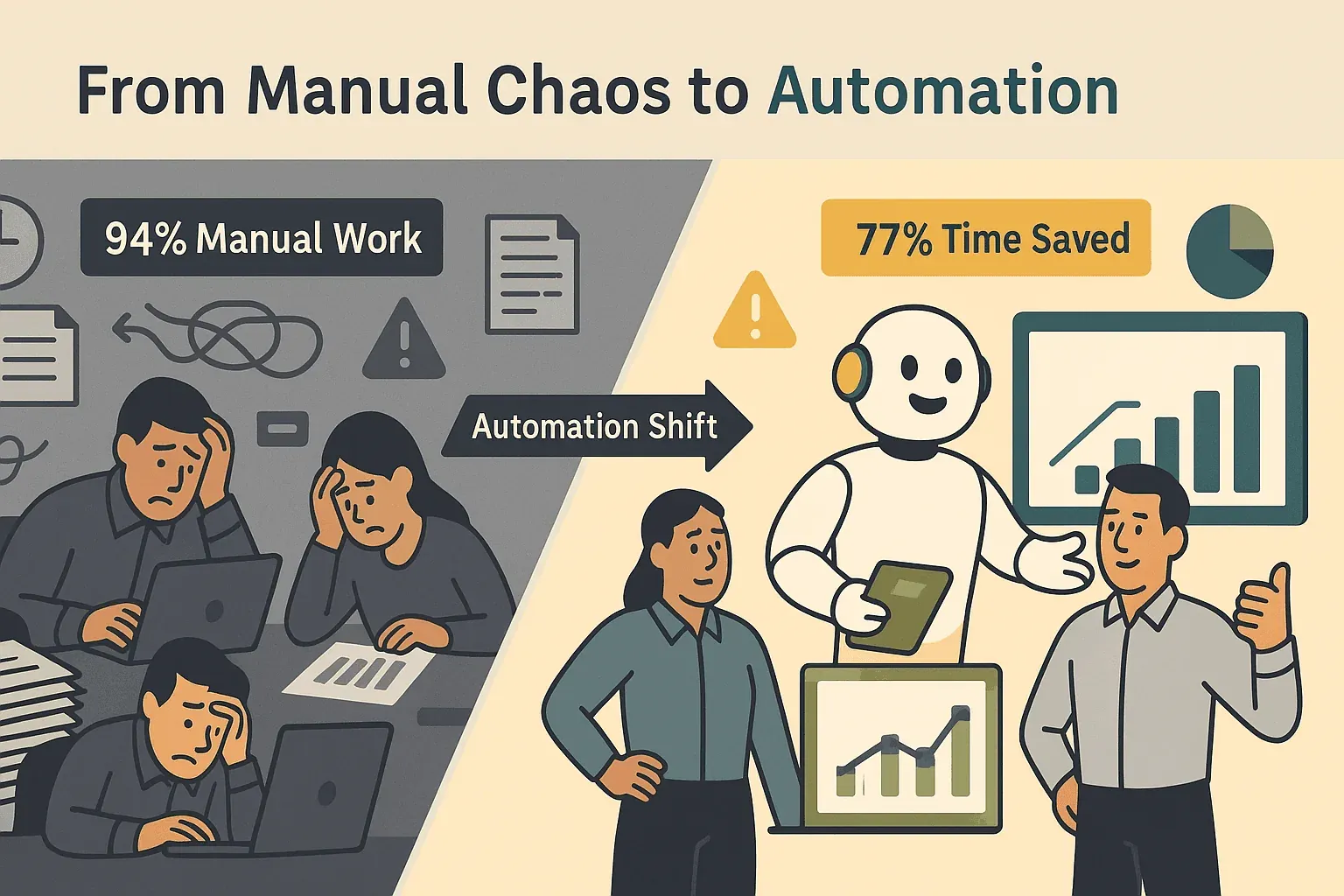
Jeśli kiedykolwiek spędziłeś godziny na kopiowaniu danych ze strony internetowej albo czyszczeniu chaotycznego arkusza, znasz ból tradycyjnego zbierania danych. To proces powolny, podatny na błędy i kompletnie nienadający się do skalowania. Ręczne metody po prostu nie nadążają za tempem i wolumenem dzisiejszych danych. W rzeczywistości 94% zespołów biznesowych grzęźnie w powtarzalnych zadaniach związanych z danymi), a automatyzacja może oszczędzić nawet 77% tego czasu).
 Usługi AI do zbierania danych zmieniają zasady gry, ponieważ:
- Automatyzują ekstrakcję: AI może w kilka sekund przeskanować dziesiątki (a nawet tysiące) źródeł, pobierając dane, których człowiek potrzebowałby godzin lub dni, by zebrać (factr.me).
- Zmniejszają liczbę błędów: Systemy AI stosują za każdym razem tę samą logikę, wyłapując niespójności i odstające wartości, które człowiek mógłby przeoczyć (factr.me).
- Skalują się bez wysiłku: Trzeba monitorować 10 000 źródeł? AI da radę — bez przerw na kawę (cux.io).
- Dostosowują się w czasie rzeczywistym: Dzięki przetwarzaniu języka naturalnego i uczeniu maszynowemu AI potrafi reagować na zmiany formatów danych lub układu stron, utrzymując stabilność Twoich pipeline’ów (zyte.com).
Efekt? Dane świeższe, bardziej wiarygodne i gotowe do działania — bez maratonu ręcznej pracy.
Kluczowe elementy usług AI do zbierania danych
Co właściwie kryje się pod maską nowoczesnej usługi AI do zbierania danych? Oto szybki przegląd:
- Ekstrakcja i integracja danych: AI zbiera dane ze stron, API, dokumentów, obrazów i innych źródeł — często łącząc wiele z nich w jeden pełny obraz.
- Jakość i walidacja danych: Automatyczne kontrole dbają o to, by dane były poprawne, spójne i kompletne. AI może też oznaczać anomalie albo uzupełniać brakujące elementy.
- Prywatność i zgodność: Wbudowane zabezpieczenia pomagają działać zgodnie z przepisami, takimi jak GDPR i CCPA, a także oferują opcje maskowania lub anonimizacji wrażliwych danych.
- Automatyzacja i harmonogramowanie: Można ustawić cykliczne zadania, aby dane były zawsze aktualne — bez ręcznej ingerencji.
- Przyjazny interfejs: Wiele usług (takich jak Thunderbit) pozwala korzystać z podpowiedzi w języku naturalnym i prostych kliknięć, więc nie trzeba być technologicznym czarodziejem, aby uzyskać wyniki.
Przyjrzyjmy się bliżej najważniejszym elementom:
Ekstrakcja i integracja danych
Narzędzia oparte na ai mogą pobierać dane z:
- Stron internetowych: poruszając się po nich, klikając i pobierając dane jak człowiek — tylko dużo szybciej.
- API i baz danych: bezpośrednio integrując dane ustrukturyzowane.
- Dokumentów i obrazów: wykorzystując OCR i computer vision do wyciągania tekstu z PDF-ów, zeskanowanych formularzy, a nawet zrzutów ekranu.
Prawdziwa siła pojawia się wtedy, gdy wszystkie te źródła zostaną połączone w jeden zestaw danych — bez ręcznego sklejania arkuszy.
Jakość i walidacja danych
AI nie tylko zbiera dane; dba też o to, by dało się z nich korzystać. Automatyczna walidacja sprawdza:
- poprawne formaty (np. daty, waluty lub adresy e-mail),
- spójność między rekordami,
- wartości odstające lub podejrzane.
Niektóre usługi wykorzystują nawet uczenie maszynowe, aby „nauczyć się”, jak wyglądają normalne dane, i oznaczać wszystko, co wydaje się nietypowe (zyte.com).
Prywatność i zgodność
Wraz z zaostrzaniem przepisów o prywatności odpowiedzialne zbieranie danych staje się koniecznością. Usługi AI pomagają, ponieważ:
- rozpoznają dane osobowe i obchodzą się z nimi właściwie,
- oferują opcje anonimizacji lub maskowania wrażliwych informacji,
- wspierają zgodność z ramami takimi jak GDPR, CCPA i HIPAA (scrapfly.io).
Dzięki temu możesz automatyzować zbieranie danych bez obaw o prawne miny.
Dostosowywanie usług AI do zbierania danych do potrzeb branżowych
Nie ma dwóch identycznych branż — i ich potrzeby związane z danymi też są różne. Piękno usług AI do zbierania danych polega na ich elastyczności. Oto, jak są dopasowywane do różnych sektorów:
| Branża | Przykładowe zastosowania niestandardowego zbierania danych z użyciem AI |
|---|---|
| Handel detaliczny / e-commerce | Monitorowanie cen, scrapowanie katalogów produktów, analiza sentymentu opinii klientów. |
| Finanse | Agregowanie danych rynkowych, przetwarzanie dokumentów finansowych, źródła danych do wykrywania nadużyć. |
| Ochrona zdrowia | Ekstrakcja kart pacjentów, analiza badań medycznych, śledzenie danych o zdrowiu publicznym. |
| Nieruchomości | Agregowanie ofert nieruchomości, monitorowanie trendów cenowych, wyciąganie cech z obrazów nieruchomości. |
| Sprzedaż / marketing | Generowanie leadów, monitorowanie mediów społecznościowych, śledzenie treści konkurencji, wzbogacanie CRM. |
Przykłady:
- Sieć sklepów korzysta z AI do codziennego scrapowania cen konkurencji, co umożliwia dynamiczne ustalanie cen w czasie rzeczywistym.
- Dostawca usług medycznych wyciąga kluczowe metryki ze скanowanych raportów pacjentów, oszczędzając godziny pracy administracyjnej i ograniczając liczbę błędów (factr.me).
- Zespół sprzedaży buduje ukierunkowane listy leadów, scrapując katalogi i LinkedIn, i raportuje 2–3× szybsze generowanie leadów (overloop.com).
Thunderbit: usługa AI do zbierania danych nowej generacji
Teraz przejdźmy do tego, gdzie w tym wszystkim znajduje się Thunderbit. Jako współzałożyciel i CEO jestem trochę stronniczy — ale naprawdę wierzę, że Thunderbit wyznacza standard prostego i potężnego zbierania danych z użyciem ai.
Thunderbit to oparty na AI web scraper i narzędzie do automatyzacji, które pozwala każdemu — tak, nawet najbardziej nieprzekonanemu do technologii członkowi zespołu — wyciągać ustrukturyzowane dane ze stron internetowych, plików PDF i obrazów w zaledwie dwóch kliknięciach. Bez kodowania, bez szablonów, bez zbędnych komplikacji. To jak zatrudnienie asystenta AI, który czyta sieć i wypełnia za Ciebie arkusz kalkulacyjny. Przekroczyliśmy już 100 000 użytkowników Chrome Web Store w 55 obsługiwanych językach, więc narzędzie przeszło testy bojowe u wszystkich — od solowych founderów po zespoły operacyjne w dużych firmach.
Wypróbuj Thunderbit do zbierania danych z ai za darmo
Scrapowanie w 2 kliknięciach w Thunderbit: proste zbieranie danych
Tak to działa:
- AI sugeruje pola: AI Thunderbit skanuje stronę (lub dokument) i proponuje najważniejsze kolumny — coś w stylu „Nazwa produktu”, „Cena”, „Adres e-mail kontaktowy” itd.
- Scrape: Po jednym kolejnym kliknięciu Thunderbit zbiera dane, radząc sobie nawet z trudniejszymi przypadkami, takimi jak podstrony i paginacja.
Możesz też używać podpowiedzi w języku naturalnym („wyodrębnij z tej strony nazwisko CEO”), a Thunderbit sam zrozumie, o co chodzi. To chyba najbliżej idei „ustaw i zapomnij”, jaką da się osiągnąć w zbieraniu danych.
Szeroki zakres danych: od stron po obrazy
Thunderbit nie służy wyłącznie do stron internetowych. Potrafi wyciągać dane z:
- stron internetowych (także tych z rozbudowaną nawigacją lub nieskończonym przewijaniem),
- plików PDF (nawet zeskanowanych),
- obrazów (z użyciem OCR),
- dokumentów biurowych.
Możesz nawet wgrać paczkę plików albo listę URL-i i pozwolić Thunderbitowi obsłużyć wszystko naraz. Dla zespołów biznesowych oznacza to jedno narzędzie do wszystkich potrzeb związanych z danymi — bez żonglowania osobnymi aplikacjami do wyciągania danych z sieci, PDF-ów czy obrazów.
A gdy już skończysz? Wyeksportujesz dane bezpośrednio do Excel, Google Sheets, Airtable lub Notion jednym kliknięciem. (Szkoda, że nie miałem tego, gdy ostatnio tonąłem w plikach CSV w poprzedniej pracy.)
Korzyści usług AI do zbierania danych dla zespołów biznesowych
Przejdźmy do konkretów. Oto, co usługi AI do zbierania danych wnoszą do sprzedaży, operacji i nie tylko:
- Szybkość: To, co kiedyś zajmowało dni, teraz zajmuje minuty (servicenow.com)).
- Dokładność: Mniej błędów, bardziej wiarygodne dane (factr.me).
- Skalowalność: Obsługa 10 albo 10 000 źródeł z taką samą łatwością (cux.io).
- Oszczędność kosztów: Mniej ręcznej pracy oznacza niższe koszty operacyjne (factr.me).
- Lepsze decyzje: Aktualne, wysokiej jakości dane prowadzą do mądrzejszych strategii (ctomagazine.com).
- Większa satysfakcja pracowników: Koniec z żmudną pracą z danymi — zespoły mogą skupić się na analizie, strategii i kreatywności (servicenow.com).
Usługi AI do zbierania danych w praktyce: zastosowania w realnym świecie
Jak organizacje naprawdę używają tych narzędzi? Oto kilka przykładów:
- Generowanie leadów: Zespoły sprzedaży automatyzują scrapowanie katalogów i LinkedIn, potrajając liczbę nowych leadów tygodniowo i skracając cykle sprzedaży (overloop.com).
- Monitorowanie cen rynkowych: Menedżerowie e-commerce śledzą codziennie ceny i stany magazynowe konkurencji, co umożliwia korekty cen w czasie rzeczywistym i zwiększa przychody (octoparse.com).
- Agregacja treści: Zespoły medialne używają AI do pobierania wiadomości, zgłoszeń i aktualizacji z mediów społecznościowych do jednego dashboardu, skracając czas researchu o 70%.
- Operacje: Detaliści uzgadniają dane o zapasach z wielu źródeł, redukując liczbę błędów o 80% i oszczędzając miliony (factr.me).
- Zgodność i wykrywanie nadużyć: Banki automatyzują weryfikację dokumentów i background checks, skracając czas dochodzeń i zwiększając zaufanie klientów.
Dowiedz się więcej o zbieraniu danych z ai Poznaj więcej poradników, wskazówek i historii z prawdziwego świata na blogu Thunderbit. Get Started Free
Ekspertyza człowieka + AI: wsparcie, nie zastąpienie analizy
Jest coś, w czym jestem bardzo przekonany: AI nie ma zastąpić ludzkich analityków — ma sprawić, że staną się superbohaterami. AI może wykonać ciężką, żmudną pracę, ale to od nas zależy zadawanie właściwych pytań, interpretacja wyników i podejmowanie kluczowych decyzji.
- AI wykonuje ciężką pracę: zbiera, czyści i strukturyzuje dane.
- Ludzie wnoszą osąd: decydujemy, co jest ważne, dostrzegamy trendy i nadajemy kontekst.
- Najlepsze efekty daje współpraca: pozwól AI zająć się rutyną, a Twój zespół skupi się na strategii, kreatywności i rozwiązywaniu problemów (bernardmarr.com).
Z mojego doświadczenia wynika, że najskuteczniejsze zespoły traktują ai jak partnera, a nie zamiennik.
Jak wybrać odpowiednią usługę AI do zbierania danych: najważniejsze kryteria
Gotowy, by zacząć? Oto, na co warto zwrócić uwagę przy wyborze usługi AI do zbierania danych:
| Czynnik | Na co zwrócić uwagę |
|---|---|
| Łatwość użycia | Interfejs no-code/low-code, podpowiedzi w języku naturalnym, prosta konfiguracja |
| Zakres źródeł danych | Strony, PDF-y, obrazy, API, bazy danych — czy obsługuje Twoje formaty? |
| Personalizacja | Czy można definiować własne pola, podpowiedzi lub workflow? |
| Skalowalność | Obsługa obecnych (i przyszłych) wolumenów danych |
| Integracja | Łatwy eksport do Excel, Sheets, Notion, Airtable lub narzędzi workflow |
| Zgodność i bezpieczeństwo | Wsparcie dla GDPR/CCPA, maskowanie danych, bezpieczne przetwarzanie |
| Wsparcie | Sprawna pomoc, dokumentacja i społeczność |
| Koszt | Przejrzyste ceny, darmowe wersje próbne i plany dopasowane do użycia |
| Niezawodność | Obsługa zmian w witrynach, self-healing lub bezobsługowe pipeline’y |
Thunderbit spełnia wszystkie te wymagania, ale zawsze warto przetestować kilka narzędzi i sprawdzić, co najlepiej pasuje Twojemu zespołowi. (I tak, Thunderbit oferuje darmowy plan, więc możesz sprawdzić go bez ryzyka.)
Zobacz ceny Thunderbit i darmowy plan
Podsumowanie: przyszłość usług AI do zbierania danych
Usługi AI do zbierania danych zmieniają sposób, w jaki firmy pozyskują, przetwarzają i wykorzystują informacje. Umożliwiają zamianę lawiny współczesnych danych w konkretne, możliwe do wykorzystania wnioski — szybko, dokładnie i na dużą skalę. Ale prawdziwa siła tkwi w połączeniu szybkości i spójności AI z ludzką wiedzą i osądem.
Patrząc w przyszłość, można spodziewać się jeszcze inteligentniejszej AI (na przykład dużych modeli językowych, które będą potrafiły podsumowywać lub interpretować dane już w trakcie ich zbierania), większego nacisku na zbieranie w czasie rzeczywistym i w modelu event-driven oraz narzędzi jeszcze łatwiejszych w obsłudze — niezależnie od poziomu technicznego użytkownika. Przyszłość należy do organizacji, które łączą AI i ludzką inteligencję, aby podejmować lepsze i szybsze decyzje.
Jeśli chcesz przestać tonąć w danych i zacząć sprawiać, że pracują dla Ciebie, wypróbuj Thunderbit. A jeśli chcesz dalej poznawać najnowsze rozwiązania z obszaru zbierania danych z użyciem AI, zajrzyj na blog Thunderbit, gdzie znajdziesz więcej poradników, wskazówek i historii z prawdziwego świata.
FAQ
1. Czym są usługi AI do zbierania danych?
Usługi AI do zbierania danych to narzędzia, które wykorzystują sztuczną inteligencję do automatycznego gromadzenia, strukturyzowania i walidacji danych ze źródeł takich jak strony internetowe, dokumenty, obrazy i API — dzięki czemu zbieranie danych jest szybsze, dokładniejsze i skalowalne.
2. Czym usługi AI do zbierania danych różnią się od tradycyjnych metod?
Tradycyjne metody opierają się na ręcznej pracy lub prostych skryptach, które są powolne i podatne na błędy. Usługi AI automatyzują ekstrakcję, dostosowują się do zmieniających się formatów i zapewniają wyższą jakość danych przy mniejszym wysiłku człowieka.
3. Czy usługi AI do zbierania danych można dopasować do mojej branży?
Zdecydowanie tak. Zbieranie danych z użyciem AI można dostosować do handlu detalicznego (monitorowanie cen), finansów (przetwarzanie dokumentów), ochrony zdrowia (ekstrakcja dokumentacji medycznej), nieruchomości (agregacja ofert) i wielu innych obszarów — dostarczając wartości dopasowanej do danej branży.
4. Jak Thunderbit ułatwia zbieranie danych z AI?
Thunderbit oferuje interfejs bez kodowania w 2 kliknięciach, podpowiedzi w języku naturalnym oraz obsługę danych ze stron internetowych, PDF-ów i obrazów. Narzędzie jest stworzone z myślą o użytkownikach biznesowych, więc każdy może zbierać i eksportować dane bez umiejętności technicznych.
5. Czy AI do zbierania danych zastąpi ludzkich analityków?
Nie — AI zajmuje się rutyną, ale ludzka wiedza jest niezbędna do interpretacji, strategii i podejmowania decyzji. Najlepsze wyniki daje połączenie efektywności AI z ludzkim osądem.
Gotowy zobaczyć, co AI do zbierania danych może zrobić dla Twojej firmy? Pobierz Thunderbit i zacznij odkrywać nowe możliwości już dziś.
Wypróbuj Thunderbit do zbierania danych z ai za darmo Get Started Free




