Ever wonder how your favorite apps seem to “just know” what you want, or how a website can instantly turn a messy form submission into a neatly organized database entry? That’s not magic—it’s the work of something called a parser. Whether you’re searching for a product, filling out a web form, or exporting data from a website, a parser is quietly working behind the scenes, translating the chaos of raw data into something your computer (and you) can actually use.
In today’s world, where , understanding what a parser is—and how it powers everything from web scraping to business automation—isn’t just for techies. It’s a must for anyone who wants to work smarter, not harder. So, let’s break down what a parser really does, why it matters for your business, and how tools like are making parsing accessible to everyone.
What Is a Parser? A Simple Explanation
At its core, a parser is like a super-organized translator. It takes messy, unstructured, or semi-structured information—think emails, web pages, or even code—and turns it into a structured format that computers can understand and process. Imagine you’re handed a pile of receipts in different languages and formats, and you need to enter them into a spreadsheet. A parser is the tool that reads each receipt, figures out what’s what, and puts every detail in the right column.
In more technical terms, . Without parsers, computers would see data as a wall of gibberish—with no spaces, punctuation, or meaning.
Key takeaway: Parsers are the bridge between raw information and actionable insights. They’re the reason your CRM, spreadsheet, or AI tool can “understand” the data you feed it.
Why Parsers Matter: Everyday Applications
Parsers aren’t just for programmers or data scientists—they’re everywhere in your daily digital life. Here are some real-world scenarios where parsers quietly save the day:
- Reading Emails: When your email client automatically sorts messages or pulls out dates and contacts, that’s a parser at work ().
- Processing Spreadsheets: Importing a CSV or Excel file? Parsers ensure each value lands in the right cell.
- Extracting Data from Websites: Tools like use parsers to turn messy web pages into clean, structured tables.
- Search Engines: When you type a query, parsers help break down your words and match them to relevant results ().
Let’s see how this plays out in different business functions:
| Department | Parser Use Case | Benefit |
|---|---|---|
| Sales | Extracting leads from emails or web forms | Faster, more accurate CRM updates |
| Operations | Parsing invoices or purchase orders | Automates data entry, reduces errors |
| Ecommerce | Collecting product info from supplier websites | Keeps catalogs up-to-date, saves time |
| Marketing | Analyzing survey responses or social media posts | Turns feedback into actionable insights |
| Real Estate | Scraping property listings from multiple sites | Aggregates data for better market analysis |
The bottom line? Parsers are the unsung heroes of business automation, powering everything from lead generation to inventory management.
How Parsers Work: The Basics Without the Jargon
So, how does a parser actually do its job? Let’s break it down into three simple steps:
- Input: The parser receives raw data—maybe a web page, a document, or an email.
- Analysis: It breaks the data into smaller pieces (like words, numbers, or tags) and checks how they fit together.
- Output: The parser organizes these pieces into a structured format—like a table, database, or spreadsheet.
Think of it like sorting a box of LEGO bricks by color and size before building something new.
Key Components of a Parser
Parsers usually have two main parts:
- Lexical Analysis (Tokenization): This is the “sorting” phase, where the parser splits the input into basic units called tokens (like words or numbers).
- Syntax Analysis: Here, the parser checks how those tokens fit together—like making sure a sentence has a subject and verb, or a product listing has a name and price.
For example, when parsing a product page, the parser might identify “$19.99” as a price token and “In Stock” as a status token, then organize them into the right columns.
Types of Parsers: What Business Users Need to Know
Not all parsers are created equal. There are different types, but for most business users, the main distinction is between:
- Top-Down Parsers: These start from the big picture and break data down into smaller parts. Think of reading a book chapter by chapter, then sentence by sentence.
- Bottom-Up Parsers: These start with the details and build up to the bigger structure. Like assembling a puzzle piece by piece until you see the whole image.
Why does this matter? Some data is easier to parse from the top down (like structured forms), while other data—like messy emails or web pages—benefits from a bottom-up approach. The best parser tools (including ) often combine both strategies for maximum flexibility and accuracy ().
Common Applications of Parsers in Business
Parsers are the backbone of many business tools and workflows. Here are some of the most common applications:
- Web Scraping: Turning website content into structured data for analysis or import ().
- Document Analysis: Extracting key information from PDFs, invoices, or contracts.
- Email Processing: Pulling out leads, orders, or support requests from incoming messages ().
- Database Queries: Parsing search terms or filters to deliver accurate results.
- Natural Language Processing (NLP): Analyzing text for sentiment, intent, or keywords.
Industry examples:
- Sales: Parsing event attendee lists for lead generation.
- Ecommerce: Aggregating product data from multiple suppliers.
- Real Estate: Compiling property details from various listing sites.
Without parsers, these tasks would require endless manual data entry—costing businesses .
The Role of Parsers in AI Web Scraping (Thunderbit Example)
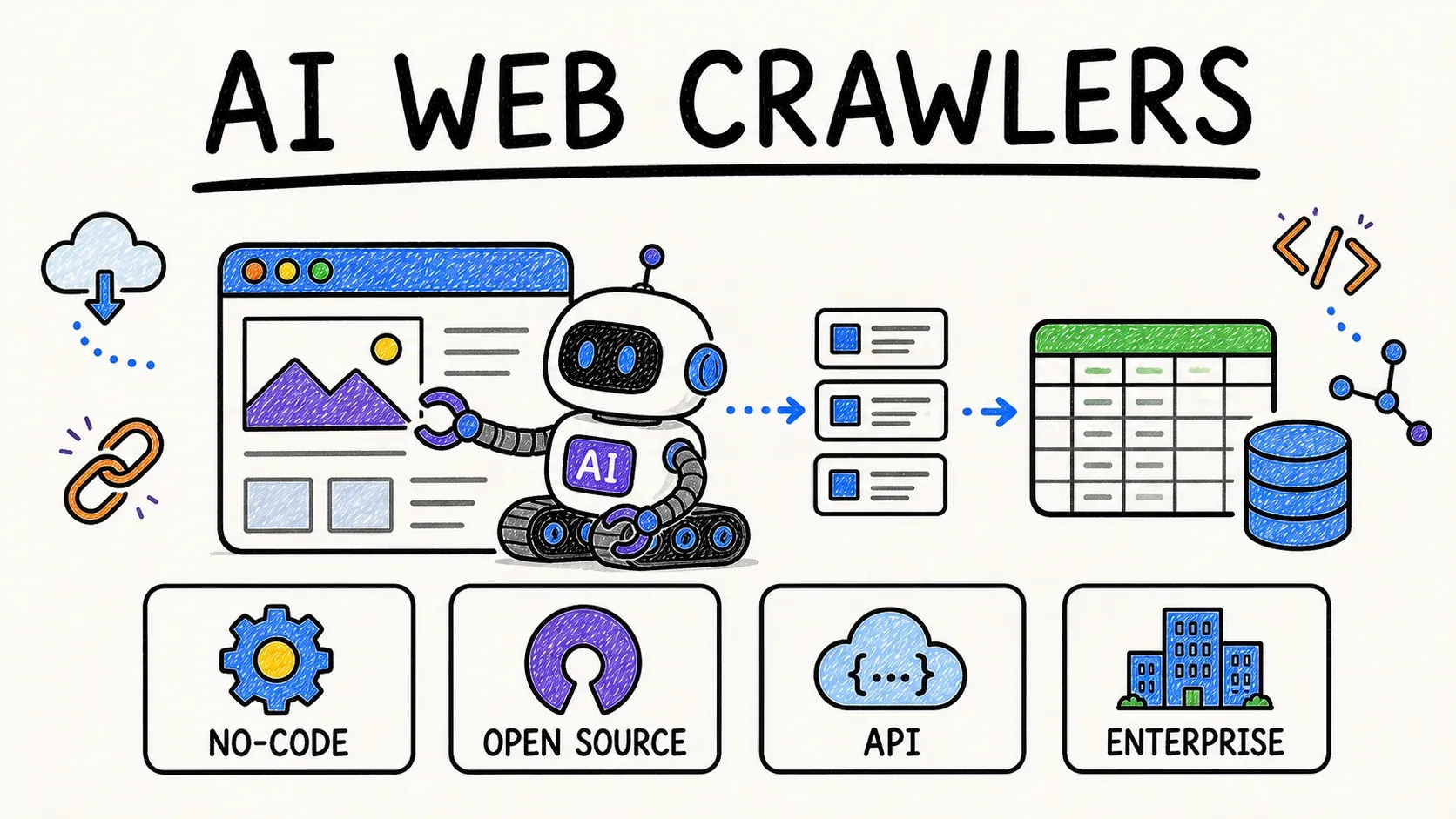
Now, let’s talk about where I spend most of my time: AI web scraping. At , our AI Web Scraper relies on powerful parsers to turn messy, unstructured website content into clean, structured data tables—ready for export to Excel, Google Sheets, Notion, or Airtable.
Here’s how it works:
- AI Reads the Page: Thunderbit’s AI scans the web page, identifying patterns, fields, and data types.
- Suggests Fields: With a click on “AI Suggest Fields,” the parser recommends the best columns to extract—like product name, price, or contact info.
- Parses the Data: The parser breaks down the content, organizes it, and handles tricky cases like subpages or pagination.
- Prepares for Export: The result? A perfectly structured table, ready to use in your favorite business tools.
Thunderbit’s parser isn’t just for techies. It’s designed so anyone—sales, ops, marketing, you name it—can extract and organize data without writing a single line of code. That’s a huge leap from the old days of manual copy-paste or fragile scraping scripts.
How Thunderbit Makes Parsing Easy for Non-Technical Users
What sets Thunderbit apart is our focus on accessibility. Here’s what that looks like in practice:
- Natural Language Prompts: Just describe what you want (“Extract all product names and prices”), and Thunderbit’s AI parser figures out the rest.
- AI Field Suggestions: No need to guess which columns to extract—the parser recommends them for you.
- Subpage and Pagination Support: Thunderbit’s parser can follow links, handle multi-page listings, and merge everything into one neat table.
- Multi-Format Export: Parsed data goes straight to Excel, Google Sheets, Airtable, or Notion—no manual cleanup required.
For business users, this means you can automate data extraction and organization in just a few clicks, freeing up hours (or days) for more valuable work ().
Limitations and Considerations When Using Parsers
Of course, even the best parsers have their challenges. Here are a few things to keep in mind:
- Multiple Languages: Parsing data in different languages or character sets can be tricky. Look for tools (like Thunderbit) that support multi-language parsing.
- Complex or Inconsistent Data: Some websites or documents have messy, unpredictable structures. Parsers may need extra guidance (like custom field prompts) to extract the right info.
- Changing Layouts: Websites update their designs all the time. A parser that worked yesterday might need tweaking today—unless you’re using an AI-powered tool that adapts automatically ().
- Parsing Errors: Sometimes, data gets missed or misclassified. It’s always smart to review your parsed results and make adjustments as needed ().
Pro tip: Use tools that let you preview and edit parsed data before exporting, and don’t be afraid to refine your field prompts for better accuracy.
Choosing the Right Parser Solution for Your Business
With so many parser tools out there, how do you pick the right one? Here are a few criteria to consider:
- Ease of Use: Can non-technical users set up and run the parser?
- Supported Formats: Does it handle the data types and sources you care about (web, PDF, email, etc.)?
- Integration Options: Can you export to your preferred tools (Excel, Sheets, Notion, CRM)?
- Scalability: Will it keep up as your data needs grow?
- Adaptability: Does it handle changes in data structure or language automatically?
Here’s a quick comparison:
| Feature | Thunderbit (AI Parser) | Traditional Parser Tools |
|---|---|---|
| No-Code Setup | Yes | Sometimes |
| AI Field Suggestions | Yes | Rare |
| Subpage/Pagination | Yes | Limited |
| Multi-Language | Yes | Varies |
| Export Options | Excel, Sheets, Notion, Airtable | CSV, Excel |
| Adaptability | High (AI-powered) | Low (manual updates) |
Questions to ask:
- How much manual setup is required?
- Can it handle the specific data sources I use?
- What support is available if I run into issues?
Key Takeaways: Why Understanding Parsers Empowers Business Teams
Let’s recap:
- A parser is the bridge between raw data and actionable insights. It turns chaos into order, powering everything from web scraping to CRM updates.
- Parsers are everywhere in business workflows. They automate repetitive tasks, improve data accuracy, and save serious time and money.
- Modern tools like Thunderbit make parsing accessible to everyone. No coding, no templates—just describe what you want and let AI do the heavy lifting.
- Choosing the right parser matters. Look for solutions that are easy to use, adaptable, and integrate with your existing tools.
If you’re ready to ditch manual data entry and unlock the power of automation, . And if you want to dive deeper into the world of data extraction, check out the for more guides and tips.
FAQs
1. What is a parser in simple terms?
A parser is a tool that reads messy or unstructured data (like web pages, emails, or documents) and organizes it into a structured format that computers can understand and use—think of it as a super-organized translator for digital information.
2. Why are parsers important for business users?
Parsers automate the process of turning raw data into actionable insights, saving time, reducing errors, and enabling smarter decision-making across sales, operations, marketing, and more.
3. How does Thunderbit use parsers in web scraping?
Thunderbit’s AI Web Scraper uses advanced parsers to analyze web pages, suggest the best fields to extract, and organize data into clean tables—ready for export to Excel, Google Sheets, Notion, or Airtable.
4. What are common challenges when using parsers?
Challenges include handling multiple languages, dealing with inconsistent or complex data structures, and adapting to changing website layouts. AI-powered parsers like Thunderbit help overcome many of these issues.
5. Can non-technical users benefit from parsers?
Absolutely! Modern tools like Thunderbit make parsing easy for everyone, using natural language prompts and AI suggestions so you can extract and organize data without any coding or technical setup.
Learn More