If you’ve ever wondered how some companies always seem to know their competitors’ prices, spot new market trends before anyone else, or build massive lead lists overnight—well, you’re not alone. The secret sauce behind much of this business wizardry is something called data scraping. And let me tell you, in today’s world of information overload, knowing how to harness the web’s data is like having a superpower (minus the cape and the awkward phone booth changes).
We’re living in an era where the web is overflowing with information—so much so that by the end of 2025, the world will have generated a mind-boggling of digital data. That’s more zeros than I care to count, and trust me, I’ve tried. For businesses, this explosion of online data is both a goldmine and a headache. The question is: how do you turn all that messy, scattered web info into something you can actually use? That’s where data scraping comes in—and why it’s become a must-have tool for everyone from scrappy startups to Fortune 500 giants.
Let’s break down what data scraping really is, why it matters, how it’s used across industries, and how new AI-powered tools like are making it easier (and a lot less painful) for anyone to tap into the web’s hidden data.
What Is Data Scraping? Core Definition and Background
At its core, data scraping (often called web scraping) is the process of automatically extracting information from websites or digital sources and converting it into a structured format—think spreadsheets, databases, or even dashboards. Imagine you’re running an online store and want to keep tabs on your competitors’ prices. Instead of manually checking every product page (and slowly losing your sanity), a data scraper acts like a supercharged research assistant: it visits each page, grabs the prices, product names, and reviews, and organizes everything neatly for you.
To put it simply: data scraping automates the grunt work of copying information from the web, turning unstructured content into actionable data. It’s like having an army of digital interns who never sleep, never make typos, and don’t complain about repetitive tasks ().
Why Is Data Scraping So Important Now?

The digital universe is expanding at breakneck speed. In fact, . Businesses have gone from making decisions based on gut feelings to relying on real-time data. Over say their decision-making is consistently data-driven.
But here’s the catch: most of the valuable data isn’t sitting in your company’s internal systems. It’s out there on the web—on competitor sites, news articles, social media, product listings, and more. Data scraping is the bridge that brings this external data into your business, giving you the context and intelligence you need to stay ahead.
Web Scraping vs. Web Crawling: What’s the Difference?
It’s easy to get these terms mixed up. Web crawling is like sending a robot to explore and map out all the pages on a website (think Google’s search bots). Web scraping, on the other hand, is focused on extracting specific data from those pages—like prices, emails, or product specs (). In practice, crawlers find the pages, and scrapers grab the data you care about.
Real-World Applications of Data Scraping Across Industries
Data scraping isn’t just for techies or data scientists—it’s become a secret weapon for teams in sales, ecommerce, marketing, real estate, finance, and beyond. Here’s a quick look at how different industries put data scraping to work:

| Industry | Common Use Case | Business Benefit |
|---|---|---|
| E-commerce | Price monitoring, competitor analysis | Real-time pricing strategy, higher margins, faster response to market changes |
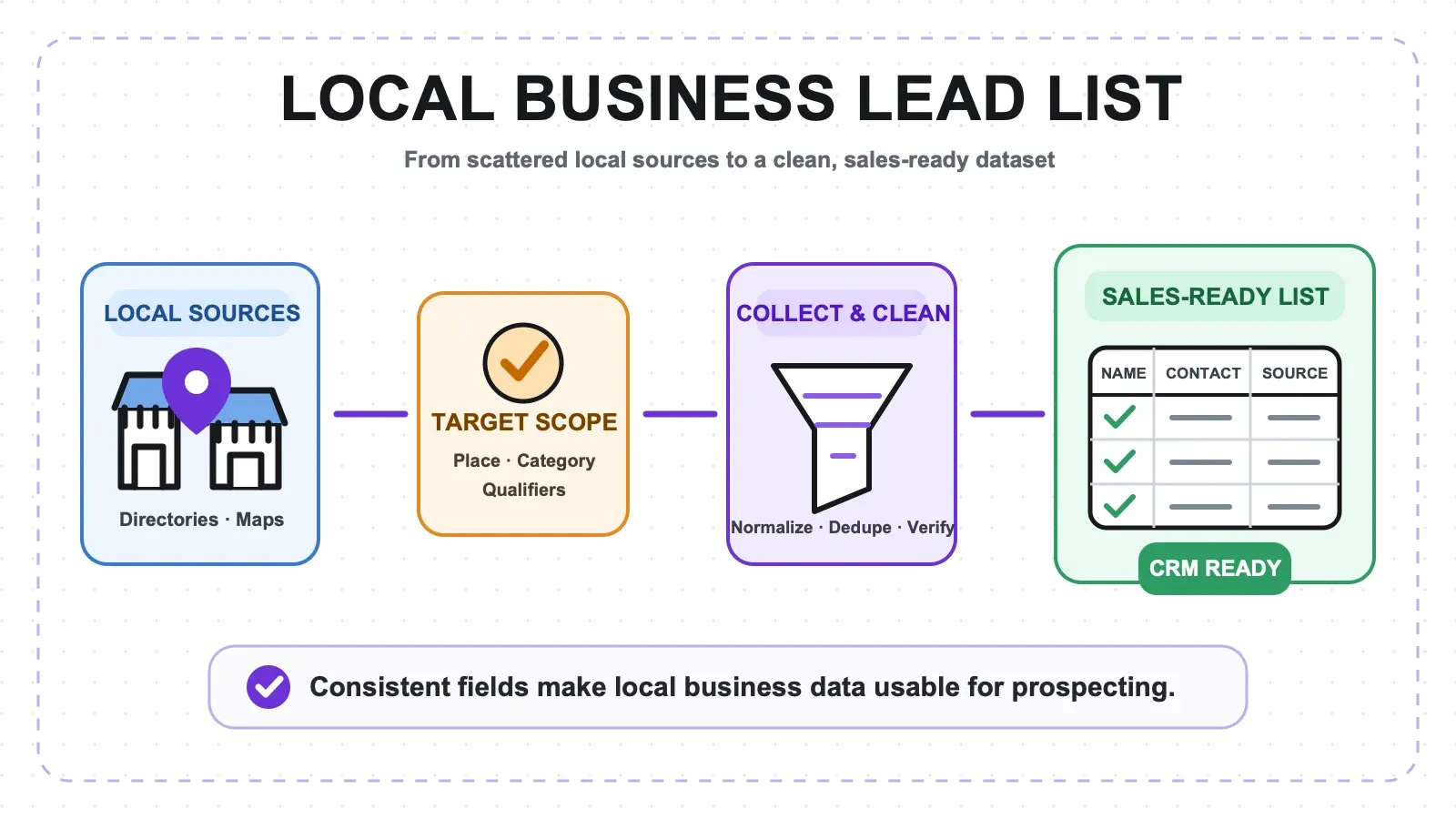
| Sales & Lead Gen | Building lead lists from directories, social networks | Targeted outreach, fuller pipelines, 5+ hours/week saved on prospect research |
| Marketing | Scraping reviews, social media, forums for sentiment | Data-driven campaign tweaks, rapid response to trends or PR issues |
| Real Estate | Aggregating property listings from multiple sites | Faster market analysis, unified inventory, better investment decisions |
| Finance & Investment | Scraping stock prices, financial news, economic data | Up-to-the-minute insights, informed trading, competitive edge |
| Operations | Automating vendor/compliance data collection | Automated reporting, fewer errors, freeing up staff from repetitive copy-paste tasks |
And these aren’t just edge cases. Over scrape competitor data daily, and about use scraping to track brand sentiment and competitor campaigns. Even hedge funds and real estate firms are using scraping to spot market shifts before they hit the headlines.
Overview of Common Data Scraping Techniques and Tools
So, how do you actually scrape data from the web? There are a few main approaches—some old-school, some cutting-edge.
Traditional Data Scraping Methods
1. Manual Copy-Paste
The original (and most painful) method: open a website, copy the info you need, and paste it into a spreadsheet. It works for a handful of pages, but for anything bigger, it’s a recipe for carpal tunnel and a lot of coffee.
2. Writing Custom Scripts
If you know Python or JavaScript, you can write scripts using tools like BeautifulSoup or Scrapy. This gives you flexibility, but it’s a maintenance nightmare—websites change all the time, and your script can break if a single button moves.
3. No-Code Web Scraper Tools
Tools like ParseHub, Octoparse, or Web Scraper Chrome Extension let you visually select what you want to extract. These are a big step up for non-coders, but still require you to build “recipes” or “sitemaps”—and they can struggle with complex or dynamic sites.
4. Browser Automation
Frameworks like Selenium or Playwright simulate a real user in a browser, letting you scrape sites that use lots of JavaScript or require clicking around. Powerful, but you’ll need some coding chops and patience.
5. OCR and Screen Scraping
When data is trapped in images or PDFs, OCR (Optical Character Recognition) can help. It’s not always perfect, but it’s better than squinting at scanned documents all day.
The big problem with all these? They require technical skills, lots of setup, and constant maintenance. If you’ve ever spent more time fixing a scraper than actually using the data, you know the pain.
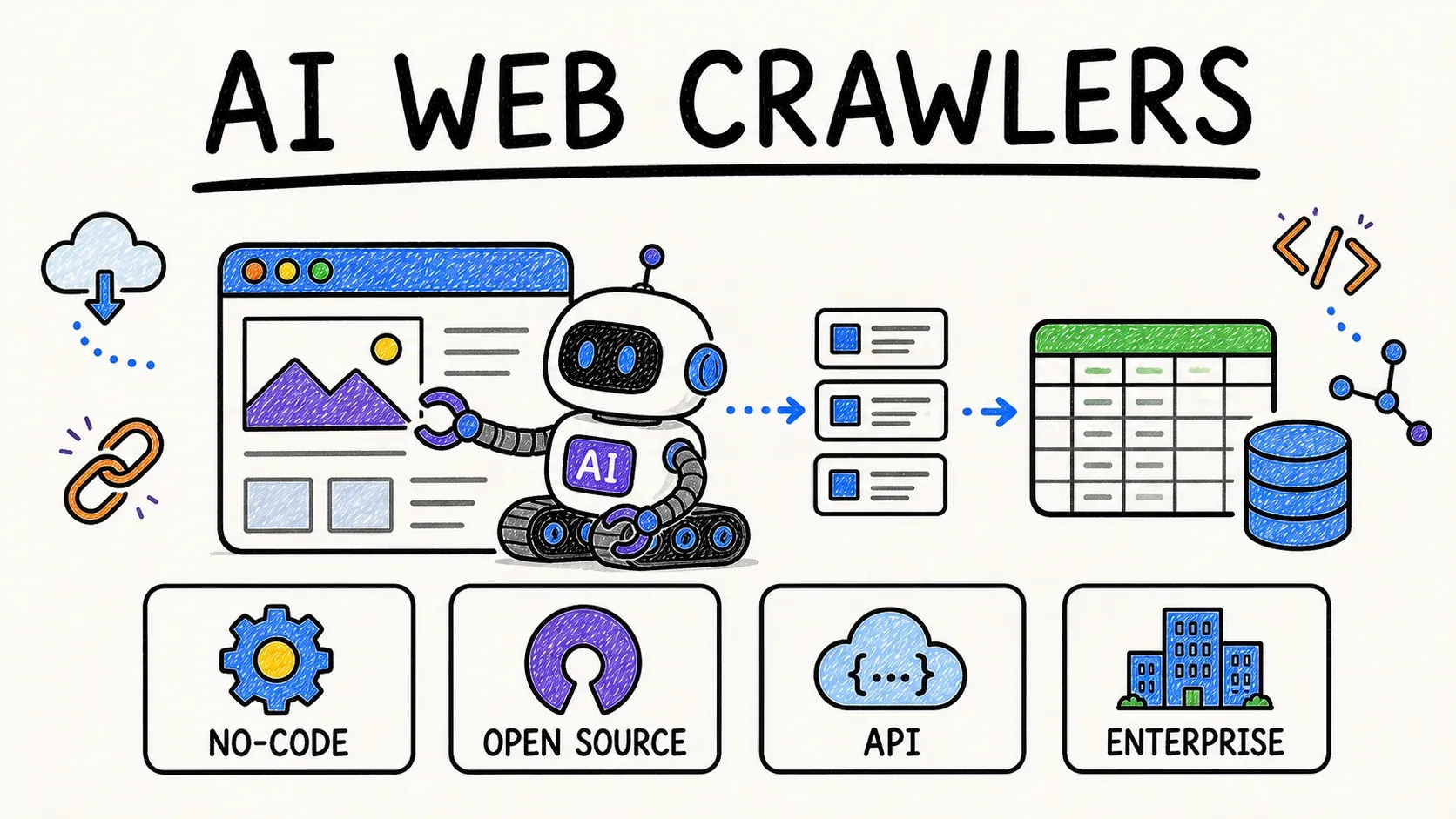
AI-Powered Data Scraping Tools
This is where things get exciting—and where tools like are changing the game for everyone, not just developers.
How Does AI Scraping Work?
- Automatic Field Detection: AI “reads” the page and suggests what data to extract—no more clicking every field or writing selectors.
- Natural Language Prompts: Just describe what you want (“Grab all product names and prices”), and the AI figures out the rest.
- Adaptability: If a website changes, AI can often still find the data by understanding context, not just code.
- Handles Dynamic Content: AI scrapers can click “Load More” buttons, scroll pages, and even log in if needed.
- On-the-Fly Data Cleaning: Need to translate, categorize, or summarize data as you scrape? AI can do that, too.
- No-Code, User-Friendly: Most AI scrapers are built for business users, with clean interfaces and minimal setup.
Businesses using AI-driven scraping tools have seen data accuracy jump to , especially on messy or complex websites.
Legal and Ethical Considerations in Data Scraping
Now, before you start scraping every website in sight, let’s talk about the rules of the road. Data scraping is powerful, but it comes with real legal and ethical responsibilities.
Key Legal Risks
- Website Terms of Service: Many sites prohibit scraping in their terms. Violating these can get you blocked—or, in rare cases, sued ().
- Data Privacy Laws: Regulations like GDPR and CCPA protect personal data. Scraping names, emails, or other personal info without consent can land you in hot water ().
- Copyright: Facts (like prices) are usually fair game, but copying large amounts of text or images can violate copyright.
- Anti-Scraping Measures: Circumventing logins, CAPTCHAs, or other technical barriers can cross legal lines (see the CFAA in the U.S.).
Best Practices for Compliance
- Scrape Public, Non-Sensitive Data: Stick to info that’s openly available and not personally identifiable.
- Respect robots.txt: If a site says “no scraping” in its robots.txt file, play nice and move on.
- Use Official APIs When Available: APIs are the safest, most compliant way to get data.
- Don’t Overload Servers: Throttle your requests and avoid hammering sites with too many queries.
- Be Transparent and Ethical: Only collect what you need, and don’t use scraped data in ways that could harm individuals or businesses.
When in doubt, consult legal counsel or err on the side of caution. Just because data is public doesn’t mean it’s free for any use.
How Thunderbit Enhances Data Scraping Efficiency and Accuracy
Alright, let’s talk about how (the tool my team and I built) is making data scraping not just easier, but smarter and more accessible for everyone.
Thunderbit’s Automation and Smart Recognition
- 2-Click Scraping: Open the page, click “AI Suggest Fields,” and Thunderbit instantly recommends what to extract. Click “Scrape,” and you’re done. No coding, no templates, no headaches ().
- AI Field Recognition: Thunderbit’s AI “reads” the page like a human, so even if the layout changes, it can still find the data you want.
- Natural Language Interface: Just tell Thunderbit what you need in plain English, and it sets up the extraction for you.
- Subpage Scraping: Need details from linked pages (like product details or profile pages)? Thunderbit can visit each subpage and enrich your table automatically ().
- Pagination and Infinite Scroll: Thunderbit detects “Next” buttons and infinite scroll, so you don’t miss data buried beyond the first page.
- On-the-Fly Data Transformation: Add custom prompts to summarize, categorize, or translate data as you scrape—no extra steps needed.
- Instant Templates: For popular sites like Amazon, Zillow, or LinkedIn, Thunderbit offers pre-built templates for one-click scraping ().
- Multiple Export Options: Export your data to Excel, CSV, Google Sheets, Airtable, Notion, or JSON—free and unlimited.
- Cloud Scraping and Scheduling: Scrape up to 50 pages at once in the cloud, or schedule recurring scrapes with a simple natural language prompt.
Real-World Example: Scraping Competitor Prices
Let’s say you’re in ecommerce and want to monitor competitor prices across 100 product pages. With Thunderbit:
- Open the competitor’s product listing page.
- Click “AI Suggest Fields.” Thunderbit suggests columns like Product Name, Price, and Stock Status.
- Click “Scrape.” Thunderbit grabs all the data from every product on the page.
- Need more details? Click “Scrape Subpages” to pull specs or seller info from each product’s detail page.
- Export to Excel or Google Sheets—and you’re ready to analyze or adjust your own pricing.
What used to take hours (or require a developer) now takes minutes—and you don’t need to know a single line of code.
Thunderbit’s Advantages in Complex Web Environments
Thunderbit isn’t just for simple sites. It shines when things get tricky:
- Dynamic, JavaScript-Heavy Sites: Thunderbit loads the page like a real browser, so it can handle content that appears after clicks or scrolling.
- Pagination and Multi-Level Navigation: Thunderbit detects and follows next-page buttons or infinite scroll, scraping hundreds or thousands of items without manual setup.
- Anti-Bot Evasion: Running as a Chrome extension, Thunderbit mimics real user behavior, making it less likely to get blocked.
- Mixed Content Types: Thunderbit can extract images, PDFs, and even run OCR on scanned documents—all in one workflow.
- Browser vs. Cloud Modes: Use browser mode for sites that require login, or cloud mode for speed and scale.
- Multilingual Support: Thunderbit works in 34 languages and can translate scraped data on the fly.
In short, Thunderbit brings the power of enterprise-grade scraping to anyone with a browser and a business need.
Future Trends and Directions in Data Scraping
The world of data scraping is evolving fast—here’s what’s on the horizon:
- Smarter AI Agents: Scrapers will get even better at understanding web pages, adapting to changes, and even summarizing or analyzing data as they collect it.
- Natural Language and Voice Interfaces: Imagine telling your scraper, “Find all the new job postings for software engineers in New York,” and having the results ready in minutes.
- Deeper Integration with Analytics: Scraped data will flow directly into dashboards, BI tools, and even trigger automated alerts or workflows.
- Cloud and Edge Scalability: Scraping will get faster and more robust, with cloud platforms running thousands of scrapes in parallel.
- Stealth Techniques: As websites get better at blocking bots, scrapers will use more sophisticated methods to mimic human behavior.
- Built-In Compliance: Expect scrapers to have features that help you avoid legal pitfalls—like automatic exclusion of personal data or respecting robots.txt by default.
- Democratization: Scraping is no longer just for big tech. With tools like Thunderbit, small businesses, researchers, and even solo entrepreneurs can access the same data as the giants.
By 2025, will have web data extraction tools in their analytics stack. The future is data-driven, and scraping is the engine that makes it possible.
Conclusion: How Data Scraping Empowers Data-Driven Business
Let’s recap: data scraping is the key to unlocking the web’s hidden insights. It’s how businesses turn the chaos of online information into structured, actionable intelligence. Whether you’re tracking prices, building lead lists, analyzing market trends, or just trying to stay one step ahead of the competition, scraping is your ticket to faster, smarter decisions.
The old days of manual copy-paste or fragile code scripts are fading fast. With AI-powered tools like , anyone can scrape data—no coding, no headaches, just results. And as data scraping gets smarter, more ethical, and more integrated with business workflows, the playing field is leveling for teams of all sizes.
Ready to see what data scraping can do for your business? and start turning the web into your own data goldmine. And if you want to dive deeper, check out the for more guides, tips, and real-world examples.
FAQs
1. What is data scraping, and how is it different from web crawling?
Data scraping is the automated extraction of specific information from websites or digital sources into a structured format (like a spreadsheet). Web crawling is about discovering and indexing web pages, while scraping focuses on pulling out the data you care about from those pages ().
2. Is data scraping legal?
Scraping public, non-sensitive data is generally legal, but you must respect website terms of service, privacy laws (like GDPR/CCPA), and copyright. Always avoid scraping personal data without consent and use official APIs when available ().
3. What are the main business benefits of data scraping?
Data scraping enables real-time price monitoring, competitor analysis, lead generation, market research, and more. It automates manual research, saves time, and empowers data-driven decision-making across sales, marketing, operations, and other teams.
4. How does Thunderbit make data scraping easier for non-technical users?
Thunderbit uses AI to automatically detect data fields, handle subpages and pagination, and transform data as you scrape. Its 2-click workflow and natural language prompts mean anyone can extract web data—no coding or templates required ().
5. What trends are shaping the future of data scraping?
Expect smarter AI agents, natural language interfaces, deeper analytics integration, cloud scalability, built-in compliance, and broader accessibility. By 2025, data scraping will be a mainstream tool for businesses of all sizes ().
Curious to learn more or ready to get started? and see how easy data scraping can be. Happy scraping—and may your spreadsheets always be full and your copy-paste days behind you.