What Is Data Collection? Techniques, Uses, and Benefits

Last Updated on October 28, 2025

Data is the new oil—or maybe it’s the new coffee, because let’s be honest, most of us can’t function without it. Every day, businesses, researchers, and even your favorite coffee shop are collecting mountains of information to make smarter decisions, spot trends, and get ahead. In 2024 alone, the world churned out a mind-boggling 402.7 million terabytes of data every single day. And it’s not just the tech giants: over 97% of companies are now investing in big data initiatives, and nearly half say they’ve built a truly data-driven culture. Why? Because organizations that harness data are 23 times more likely to win new customers and 19 times more likely to be profitable. data collection1 (1).png I’ve spent years in SaaS and automation, and I’ve seen firsthand how the right data—collected the right way—can turn a hunch into a winning strategy. In this guide, I’ll break down what data collection really means, the most effective techniques (from classic surveys to AI-powered web scraping), real-world business uses, and how tools like are making it easier than ever for anyone—not just data scientists—to gather the information they need. We’ll also cover the crucial ethical and legal guardrails you need to know, because with great data comes great responsibility.

What Is Data Collection? A Simple Explanation

At its core, data collection is the process of systematically gathering and measuring information from various sources so you can analyze it and make decisions. Think of it as collecting the facts, figures, or observations that matter to your business or research question. Whether you’re a retail manager tracking daily sales, a scientist logging lab results, or a marketer surveying customers, you’re collecting data.

Data collection can be as old-school as jotting notes on a clipboard or as high-tech as using AI to pull thousands of data points from websites in seconds. The key is to do it systematically and accurately, so you end up with reliable information you can actually use ().

Here’s a simple analogy: Imagine you’re baking cookies. You wouldn’t just throw random ingredients into a bowl and hope for the best (unless you like “surprise” cookies). You measure each ingredient carefully. Data collection is like that—gathering the right ingredients, in the right amounts, so your analysis (or cookies) turns out just right.

Why Data Collection Matters for Businesses

Collecting data isn’t just a box to check—it’s the secret sauce behind smarter decisions, higher efficiency, and faster growth. When you have the right data, you can stop guessing and start acting with confidence.

Let’s look at why data collection is so valuable:

  • Better Decision-Making: Data replaces gut feelings with facts. 98% of executives say increasing data analysis is crucial for their organization’s future. data collection2 (1).png
  • Higher Efficiency & ROI: report that data-driven marketing improves efficiency. Data helps you focus resources where they matter most.
  • Revenue Growth: Data-driven companies are 23× more likely to acquire customers and 8% more likely to increase revenues.
  • Customer Satisfaction: Real-time feedback and usage data help you build products and services people actually want.
  • Competitive Advantage: Spot trends and opportunities before your competitors do.

Here’s a quick table of ROI-focused benefits and use cases:

BenefitExample Use Case
Informed decisionsProduct development, pricing strategies
Improved efficiencyMarketing campaign optimization
Revenue growthTargeted sales outreach
Customer satisfactionService improvement via feedback
Competitive edgeMarket trend spotting, competitor analysis

In short, data collection is the backbone of every successful, modern business strategy.

Types of Data Collected: Qualitative vs. Quantitative

Not all data is created equal. In business (and beyond), we usually talk about two main types:

Quantitative Data

  • What it is: Numbers, counts, measurable facts.
  • Examples: Sales figures, website visits, customer ages, survey ratings.
  • Strengths: Easy to analyze, compare, and chart. Great for tracking performance or finding trends.
  • Limitations: Doesn’t tell you why something happened.

Qualitative Data

  • What it is: Descriptions, opinions, motivations, stories.
  • Examples: Customer feedback, interview transcripts, open-ended survey responses.
  • Strengths: Adds context and depth. Explains the “why” behind the numbers.
  • Limitations: Harder to analyze at scale; can be subjective.

Pro tip: The best organizations use both. Quantitative data tells you what’s happening; qualitative data tells you why.

There’s more than one way to collect data. Here are the most common techniques, from classic to cutting-edge:

  • Surveys & Questionnaires: Fast, scalable, and great for quantitative data. Think customer satisfaction surveys or market research polls.
  • Interviews: One-on-one conversations for deep, qualitative insights. Perfect for understanding motivations or pain points.
  • Observation: Watching real-world behavior, either in person or with digital tools (like website heatmaps).
  • Focus Groups: Small group discussions to explore opinions and reactions.
  • Web Scraping: Automated collection of data from websites—fast, scalable, and ideal for gathering large datasets.

Comparing Data Collection Techniques

Let’s break down how these methods stack up:

TechniqueSpeed & ScaleCostData Quality & DepthBest For
SurveysMedium–HighLow–MediumBroad, structuredMarket research, feedback
InterviewsLowHighDeep, nuancedUser research, case studies
ObservationVariableLow–MediumReal behavior, contextUsability, process improvement
Web ScrapingVery HighLow–MediumStructured, large volumeCompetitive intel, lead lists

Traditional methods like surveys and interviews are great for human-driven insights, but they can be slow or expensive. Modern digital techniques like web scraping are all about speed and scale—perfect for today’s data-hungry world.

The Role of Web Scraping in Modern Data Collection

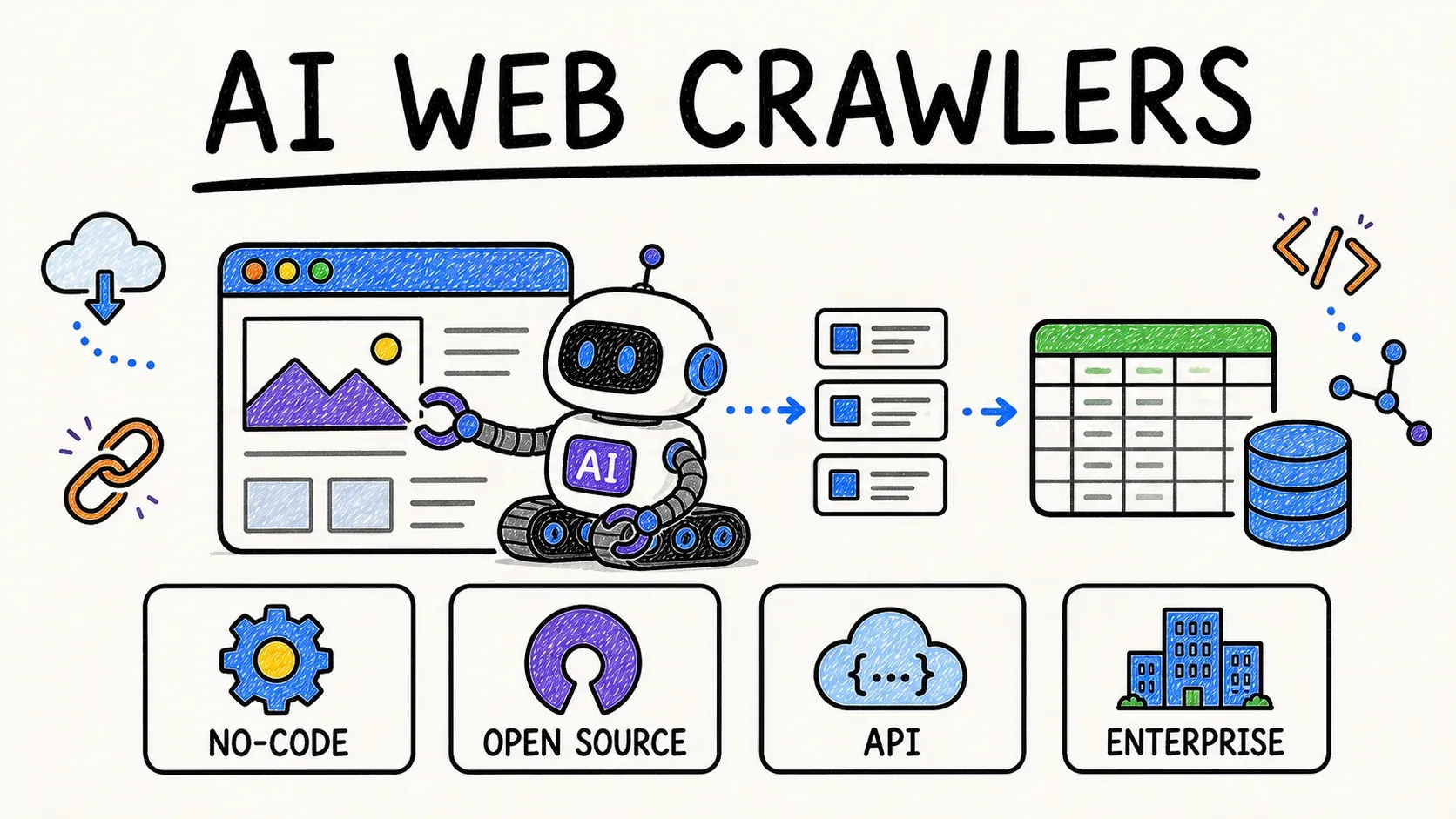
Web scraping is the digital workhorse of data collection. In simple terms, it’s using software to automatically visit websites, extract specific information, and save it in a structured format (like a spreadsheet).

Why is web scraping such a big deal? Because so much valuable data—product prices, reviews, job listings, competitor info—is available online, but not in a format you can easily use. Web scraping turns the messy web into clean, actionable data.

Real-world examples:

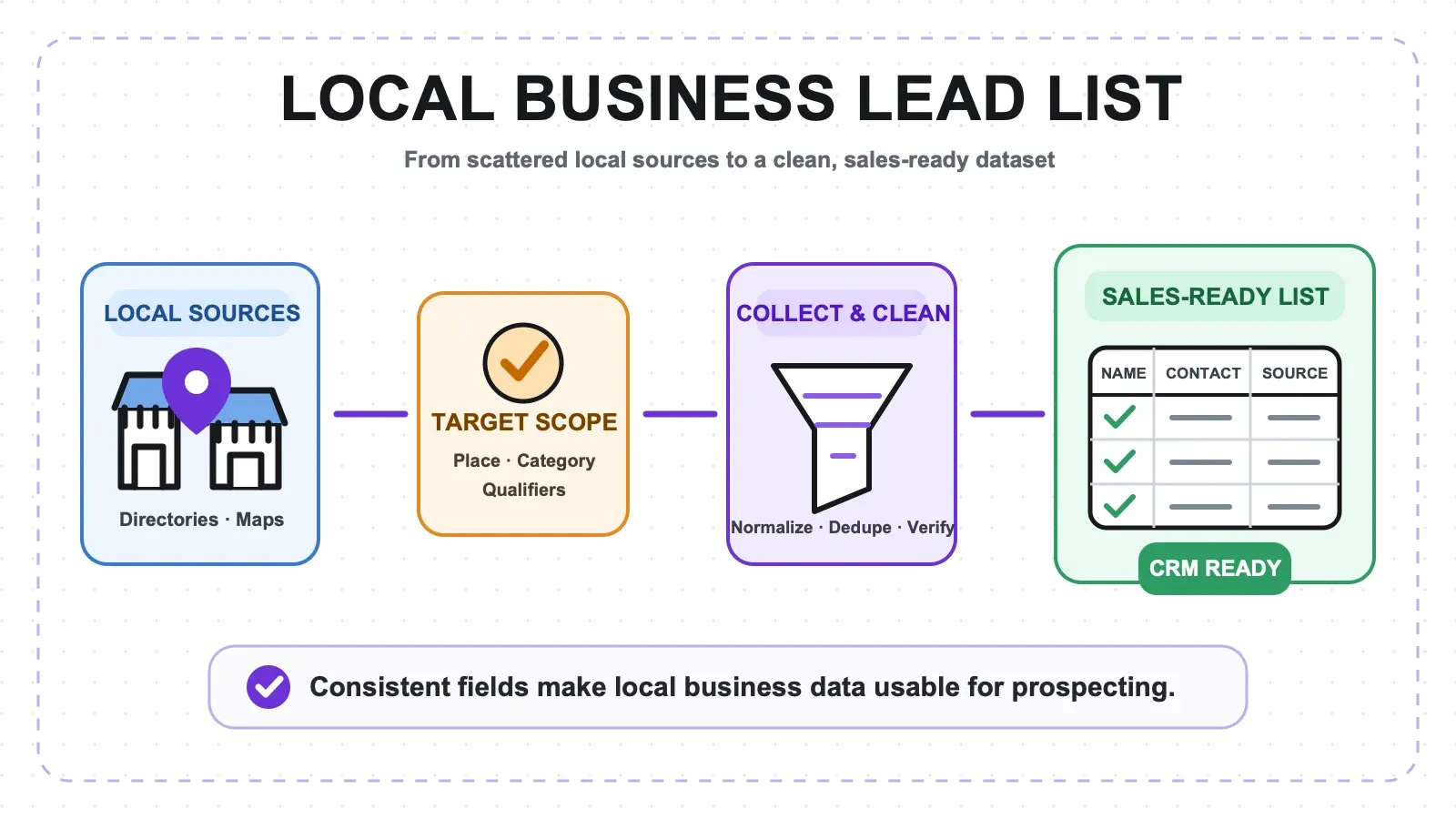
  • Sales: Scraping business directories or LinkedIn to build lead lists.
  • Marketing: Collecting competitor product reviews or social media mentions.
  • Ecommerce: Monitoring competitor prices and stock levels.
  • Healthcare: Aggregating public data on providers or research studies.

The best part? Thanks to tools like , you don’t need to be a coder to scrape data anymore. AI-powered web scrapers can handle the heavy lifting with just a couple of clicks.

Heads up: Always scrape ethically—only collect public data, respect website terms, and avoid overloading servers.

Data Collection in Action: Real-World Business Applications

Let’s see how data collection powers real results in different industries:

Marketing

  • What’s collected: Website analytics, social media metrics, customer feedback.
  • How it’s used: Track campaign performance, spot consumer trends, personalize offers.
  • Example: Spotify’s “Wrapped” campaign uses listening data to create personalized year-in-review summaries—driving engagement and viral sharing.

Healthcare

  • What’s collected: Patient records, treatment outcomes, device data.
  • How it’s used: Improve patient care, streamline operations, fuel research.
  • Example: Hospitals collect infection rates and treatment results to identify best practices and improve outcomes.

Sales

  • What’s collected: Lead lists, sales activity, competitor info.
  • How it’s used: Build prospect pipelines, qualify leads, optimize outreach.
  • Example: A recruitment agency used web scraping to pull job listings and company contacts, generating and achieving 10× sales growth in three months.

Simplifying Web Data Collection with Thunderbit

Now, let’s talk about making web data collection as easy as ordering takeout. That’s where comes in. As the co-founder and CEO, I’m biased—but for good reason. We built Thunderbit to be the easiest, most powerful AI web scraper for business users, not just developers.

What makes Thunderbit different?

  • AI-Powered Simplicity: Just click “AI Suggest Fields” and Thunderbit scans the page, suggests what to extract (like “Product Name,” “Price,” or “Email”), and sets up the scraper for you.
  • 2-Click Scraping: Approve the suggested fields, hit “Scrape,” and Thunderbit does the rest—even handling subpages and pagination.
  • Instant Export: Send your data straight to Excel, Google Sheets, Airtable, or Notion. Or download as CSV for free.
  • Subpage Scraping: Need more detail? Thunderbit can automatically visit each subpage (like individual product or profile pages) and enrich your table.
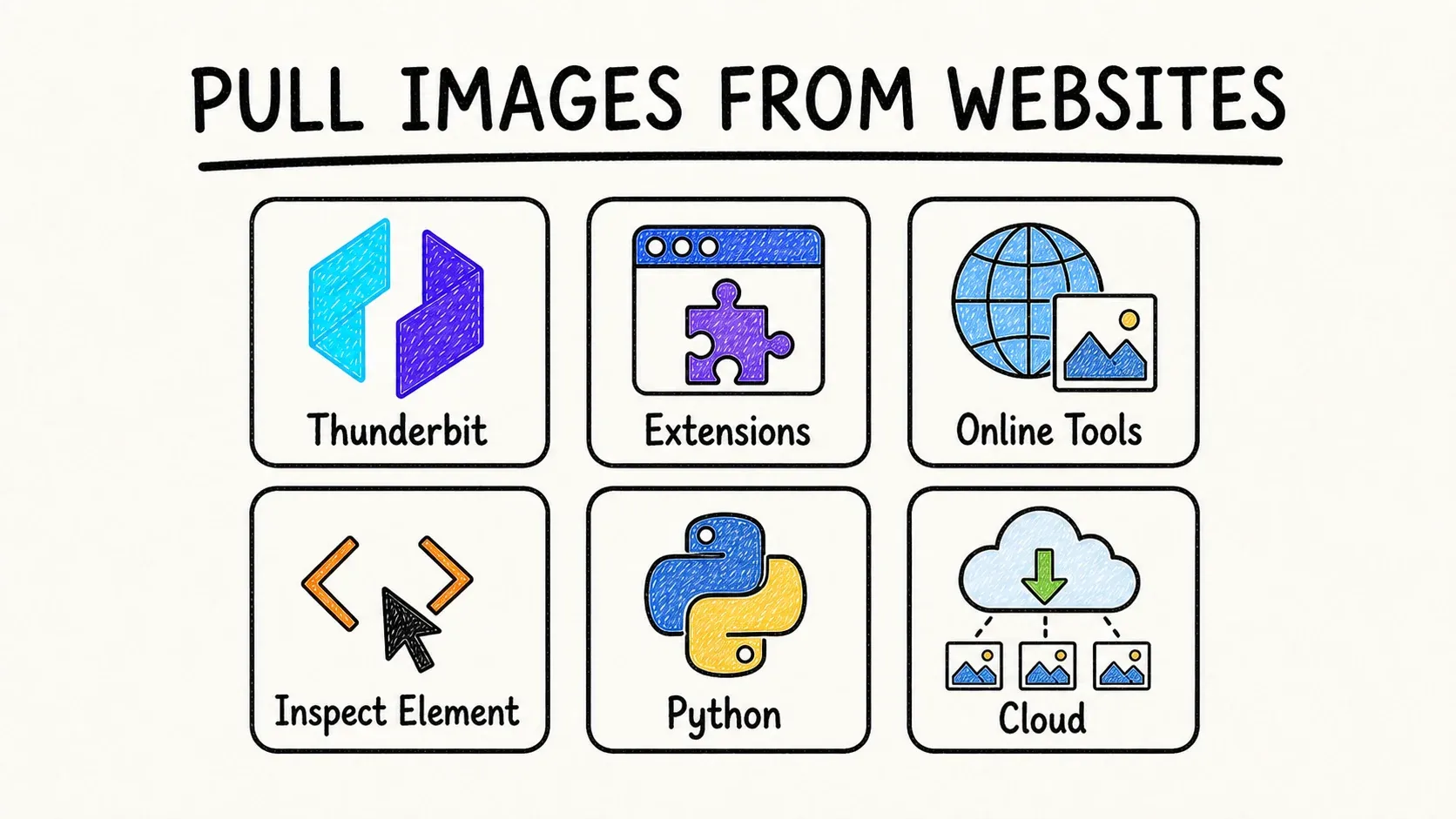
  • Free Extractors: One-click extraction of emails, phone numbers, or images from any website.
  • No Coding Required: If you can use a browser, you can use Thunderbit.

Thunderbit is trusted by , from sales and marketing teams to real estate agents and researchers.

Step-by-Step: How Thunderbit Makes Data Collection Easy

Here’s how you can collect web data in minutes—even if you’ve never scraped a website before:

  1. Install Thunderbit: Get the and sign up for a free account.
  2. Go to Your Target Website: Open the page with the data you want (like a product list, directory, or search results).
  3. Click “AI Suggest Fields”: Thunderbit’s AI reads the page and suggests columns to extract.
  4. Review & Adjust Fields: Add, remove, or rename fields as needed. You can even add custom AI instructions for tricky data.
  5. Click “Scrape”: Thunderbit collects the data—handling subpages and pagination automatically.
  6. Export Your Data: Download as CSV/Excel or send directly to Google Sheets, Notion, or Airtable.
  7. (Optional) Schedule Scrapes: Set up automatic, recurring data collection for ongoing needs.

That’s it. No code, no templates, no headaches. Just fast, accurate data—ready for analysis or action.

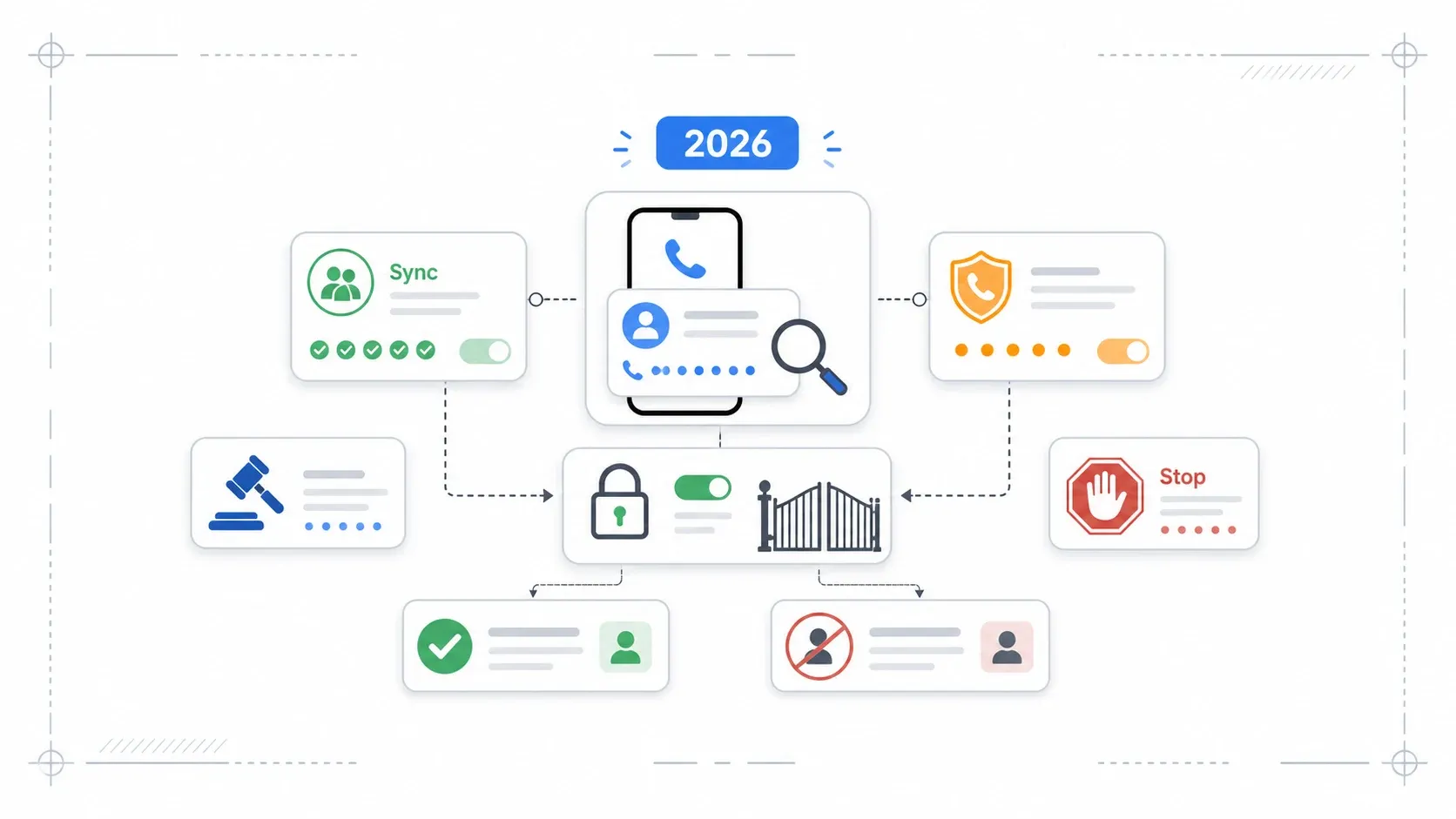
With great data comes great responsibility. Collecting data—especially personal or sensitive information—means you need to play by the rules and respect people’s rights.

Key ethical and legal principles:

  • Transparency & Consent: Always inform people when collecting their data and get their consent if required. This is why you see privacy policies and cookie banners everywhere.
  • Privacy & Data Protection: Collect only what you need, keep it secure, and don’t use it for unrelated purposes. Regulations like (EU) and (California) set strict standards for handling personal data.
  • Data Security: Protect data from unauthorized access or breaches. Use encryption, access controls, and regular audits.
  • Respect Website Terms: When scraping, only collect public data, respect robots.txt, and avoid overloading servers.
  • Right to Access & Deletion: Be prepared to let individuals see or delete their data if they request it.

Pro tip: If you’re unsure, treat others’ data the way you’d want yours treated. When in doubt, consult a legal expert.

Overcoming Common Data Collection Challenges

Collecting data isn’t always smooth sailing. Here are some common roadblocks—and how to tackle them:

  • Data Quality: Incomplete, inconsistent, or duplicate data can wreck your analysis. Use validation, cleaning, and regular audits to keep your data in shape ().
  • Integration & Silos: Data scattered across different systems? Use ETL tools or integration platforms to bring it all together.
  • Storage & Scalability: As data grows, so do storage and performance challenges. Cloud solutions and scalable databases can help.
  • Actionability: Don’t just collect data—make sure it’s usable. Focus on key metrics, use dashboards, and invest in analytics tools.
  • Ethics & Compliance: Build privacy and security into your processes from day one. Stay up to date on regulations and best practices.

Thunderbit tip: By exporting structured data directly to Google Sheets or Airtable, you can skip a lot of the usual integration headaches.

Key Takeaways: Making Data Collection Work for You

  • Data collection is the foundation of smart decision-making. Whether you’re tracking sales, analyzing competitors, or improving products, it all starts with good data.
  • Use the right technique for the job. Surveys, interviews, observation, and web scraping each have their place. Often, a mix works best.
  • Leverage technology to save time and boost accuracy. Tools like make web data collection accessible to everyone—not just programmers.
  • Prioritize ethics and compliance. Be transparent, protect privacy, and follow the law.
  • Start small and iterate. You don’t need to build a data empire overnight. Begin with a pilot project, prove the value, and scale up.
  • Focus on actionable insights. Collect data with a purpose, analyze it, and use it to drive real improvements.

Ready to make data collection your superpower? and see how easy it can be to turn the web into your own data goldmine. And for more tips, check out the .

FAQs

1. What is data collection and why is it important?
Data collection is the systematic process of gathering information to analyze and make decisions. It’s crucial because it replaces guesswork with facts, helping businesses improve efficiency, grow revenue, and stay competitive.

2. What are the main types of data collected in business?
Businesses collect quantitative data (numbers, metrics like sales or web traffic) and qualitative data (opinions, feedback, interviews). Both are valuable—quantitative shows what’s happening, qualitative explains why.

3. How does web scraping fit into data collection?
Web scraping automates the process of collecting large amounts of data from websites. It’s especially useful for gathering competitor info, product prices, reviews, or building lead lists—without manual copy-pasting.

4. What makes Thunderbit different from other data collection tools?
Thunderbit uses AI to make web scraping easy for non-technical users. With features like AI Suggest Fields, subpage scraping, and instant export to Excel/Sheets, you can collect and use web data in just a couple of clicks—no coding required.

5. What are the ethical and legal considerations in data collection?
Always be transparent, get consent when needed, protect privacy, and follow laws like GDPR and CCPA. When scraping, only collect public data and respect website terms. Ethical data practices build trust and keep you compliant.

Want to dive deeper? Explore more guides on the or subscribe to our for tutorials and tips on smarter, faster data collection.

Learn More

Try AI Web Scraper
Shuai Guan
Shuai Guan
Co-founder/CEO @ Thunderbit. Passionate about cross section of AI and Automation. He's a big advocate of automation and loves making it more accessible to everyone. Beyond tech, he channels his creativity through a passion for photography, capturing stories one picture at a time.
Topics
Data collectionData
Table of Contents

Try Thunderbit

Scrape leads & other data in just 2-clicks. Powered by AI.

Get Thunderbit It's free
Extract Data using AI
Easily transfer data to Google Sheets, Airtable, or Notion
Chrome Store Rating
PRODUCT HUNT#1 Product of the Week