If youâve ever found yourself staring at a mountain of web pages, wishing there was a way to magically scoop up all that data into a neat spreadsheetâwell, youâre not alone. In todayâs business world, the hunger for web data is insatiable. Whether itâs tracking competitor prices, building lead lists, or monitoring real estate trends, companies are racing to turn the internet into actionable insights. And at the heart of this digital gold rush? The Python scrapperâa tool thatâs become the secret weapon for anyone serious about automated data collection.
But hereâs the thing: while Python scrappers are legendary among developers, most business users still see them as a mysterious, code-filled black box. Iâve seen this firsthand at , where our mission is to make web data extraction as easy as ordering takeout. So, letâs pull back the curtain. What exactly is a Python scrapper? Why has it become the go-to solution for web data extraction? And how are new AI tools making this once-technical superpower accessible to everyoneâeven if youâve never written a line of code in your life?
Python Scrapper: What Is It and Why Should You Care?
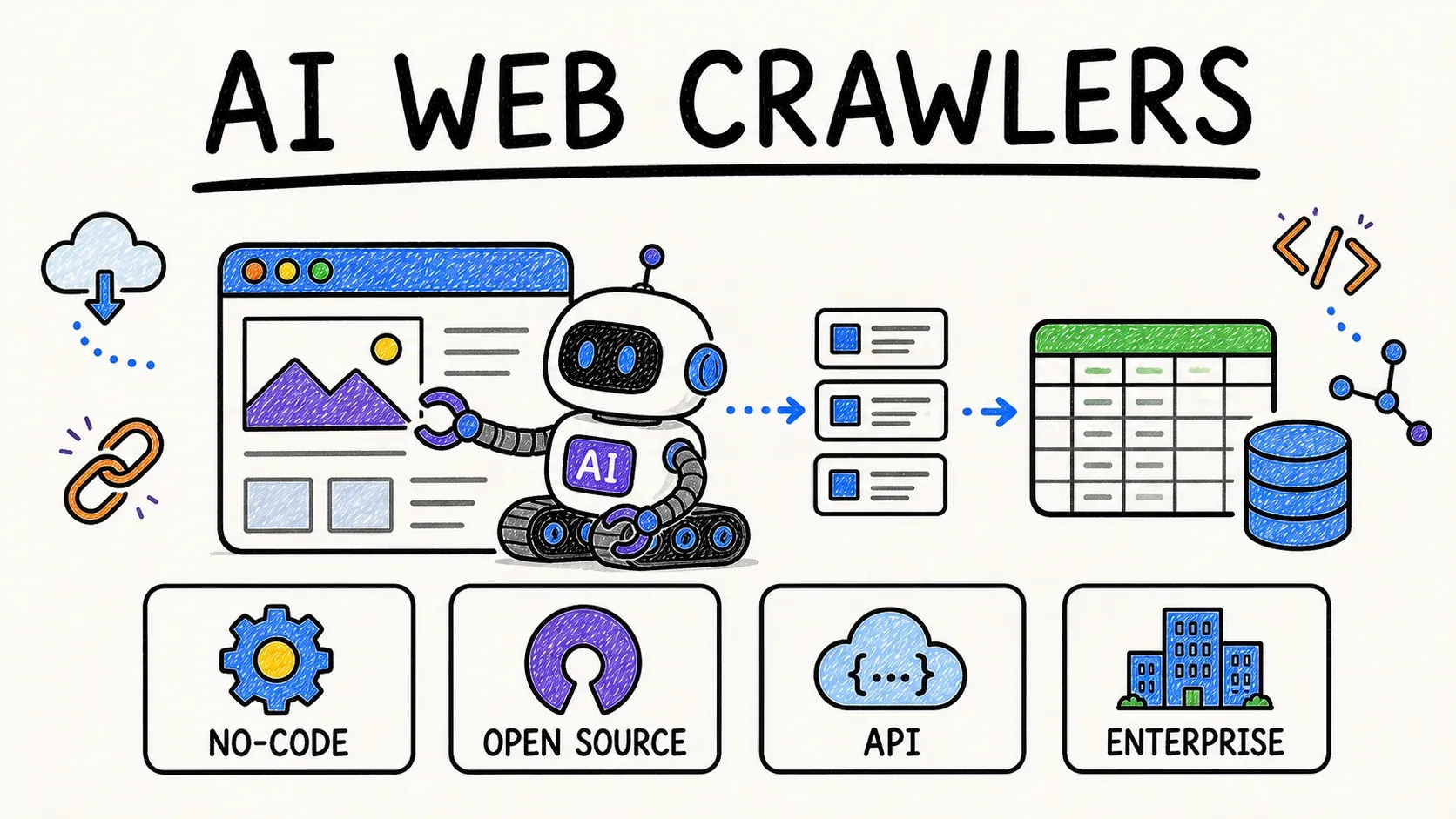
Letâs start with the basics. A Python scrapper (sometimes spelled âscraperâ) is a program written in Python that automates the process of extracting information from websites. Imagine hiring a super-diligent digital assistant: you give it a list of websites, and it tirelessly visits each one, reads the content, and copies the exact data you wantânames, prices, emails, you name itâinto a structured format like a spreadsheet.
Why does this matter for business users? Because manual data collection is a slog. Copying and pasting information from hundreds (or thousands) of web pages isnât just slowâitâs error-prone and, frankly, soul-crushing. Python scrappers liberate you from this drudgery, letting you gather massive amounts of data in minutes instead of days. As one guide puts it, a web scraper âautomatically extracts information from websites and turns it into structured data (like a spreadsheet)ââno more copy-paste marathons, no more missed opportunities ().
And the demand is only growing. Nearly now use external web data to launch new products or features, and the global web scraping software market is projected to hit . If youâre not tapping into this data, chances are your competitors are.

Key Capabilities of a Python Scrapper
So, what can a Python scrapper actually do? Quite a lot, as it turns out. Here are the core features that make it a data collection powerhouse:
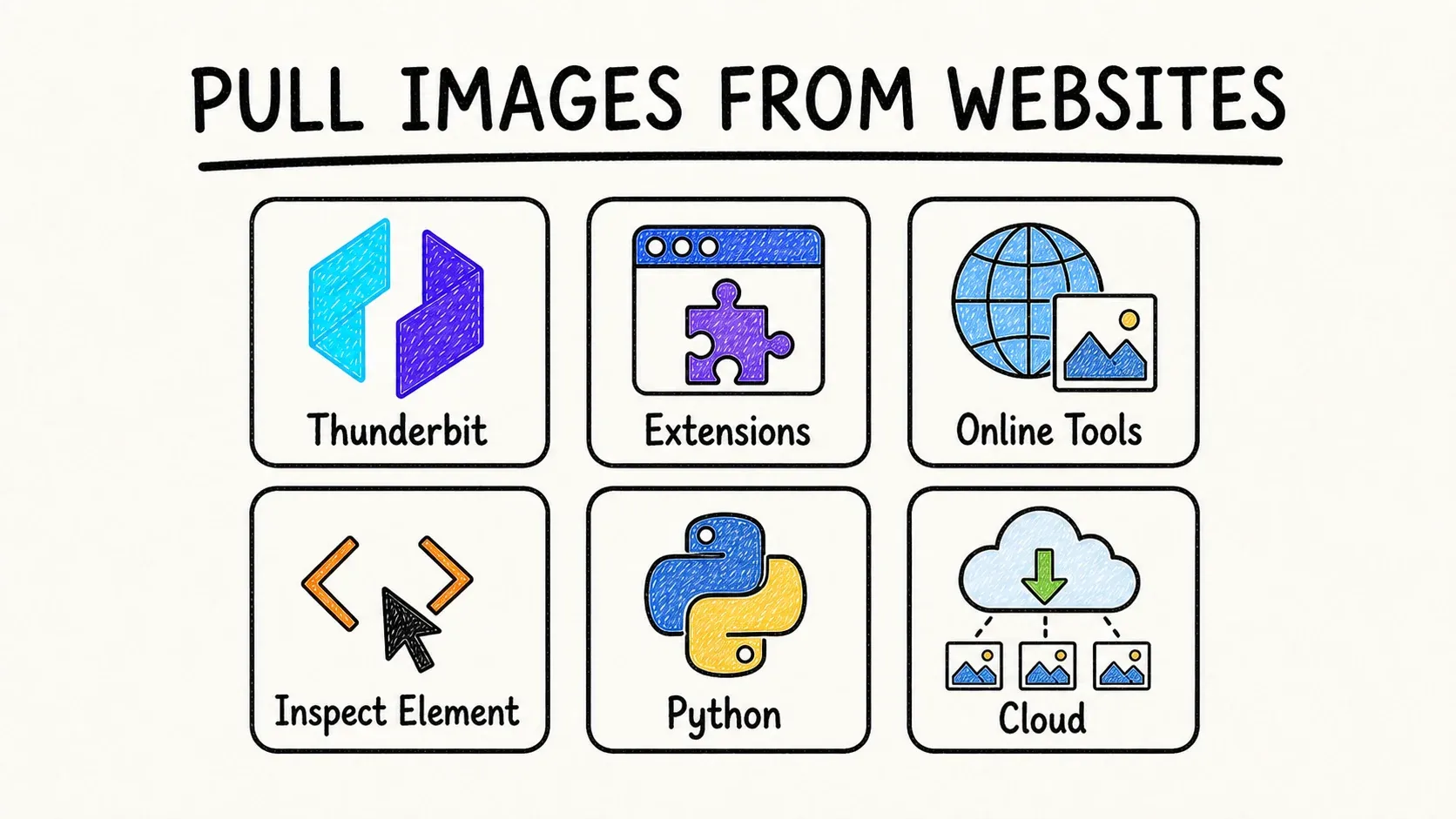
- Extract Any Kind of Data: Whether itâs tables of products, lists of emails, phone numbers, images, or even hidden metadata, a Python scrapper can pull virtually anything visible (or invisible) on a web page. Scraping contact info for lead generation? No problem. Need product specs, prices, or reviews? Easy.
- Handle Repetitive, Large-Scale Tasks: A scrapper can process hundreds or thousands of pages in a consistent, automated loop. It can follow âNextâ buttons, scroll through infinite pages, and never gets tired or distracted.
- Follow Links and Scrape Subpages: Need more detail? Scrappers can crawl from a main listing page to each product or profile subpage, extracting richer data and merging it all into one dataset.
- Deal with Pagination and Dynamic Content: Many modern sites load data with JavaScript or split it across multiple pages. Python scrappers (with the right libraries) can handle both, clicking through pages or waiting for content to load just like a real user.
- Export to Business-Friendly Formats: Once the data is collected, itâs exported to CSV, Excel, JSON, or even directly into databasesâready for analysis, reporting, or feeding into your CRM.
Popular Python libraries like , Scrapy, and Selenium make all this possible, but they do require some technical know-how.
Why Python Scrapper Is a Data Collection Powerhouse
Letâs get real: the difference between manual data collection and using a Python scrapper is like the difference between digging a tunnel with a spoon versus a power drill. Hereâs why:

- Speed & Efficiency: What takes a person days, a scrapper does in minutes. One developer used a Python script to collect âa task that would take weeks by hand.
- Scale: Need to monitor every product on a competitorâs site or aggregate thousands of reviews? Scrappers handle massive volumes, page after page, without breaking a sweat.
- Accuracy & Consistency: Scrappers follow instructions perfectly, every time. No typos, no skipped entries, no âIâll finish this tomorrow.â With AI enhancements, data accuracy can reach up to even on tricky, dynamic sites.
- Cost Savings: By automating what used to require teams of interns or expensive data vendors, scrappers can .
Hereâs a quick look at typical business use cases and the ROI:
| Use Case | Data Extracted | Business Impact (ROI) |
|---|---|---|
| Sales Lead Generation | Names, emails, phone numbers from directories | Rapidly build prospect lists; 4,000+ leads in hours (Medium) |
| Price Monitoring (E-commerce) | Competitor prices, stock levels | Dynamic pricing; John Lewis saw +4% sales (Browsercat) |
| Market & Competitor Intelligence | Product listings, reviews, sentiment | 73% of companies scrape for market insights (Browsercat) |
| Real Estate Analysis | Property listings, prices, features | Up-to-date comps and market trends for agents/investors |
| News & Research Aggregation | Headlines, articles, research data | Real-time feeds for analysts; no more manual news hunting |
Python Scrapper in Action: Industry Use Cases
Letâs zoom in on how Python scrappers are used in the real world:
E-commerce & Retail
Retailers use scrappers to monitor competitorsâ prices, product availability, and customer reviews. About use scraping for dynamic pricing. The result? Faster price adjustments and, in some cases, a measurable bump in sales.
Sales & Lead Generation
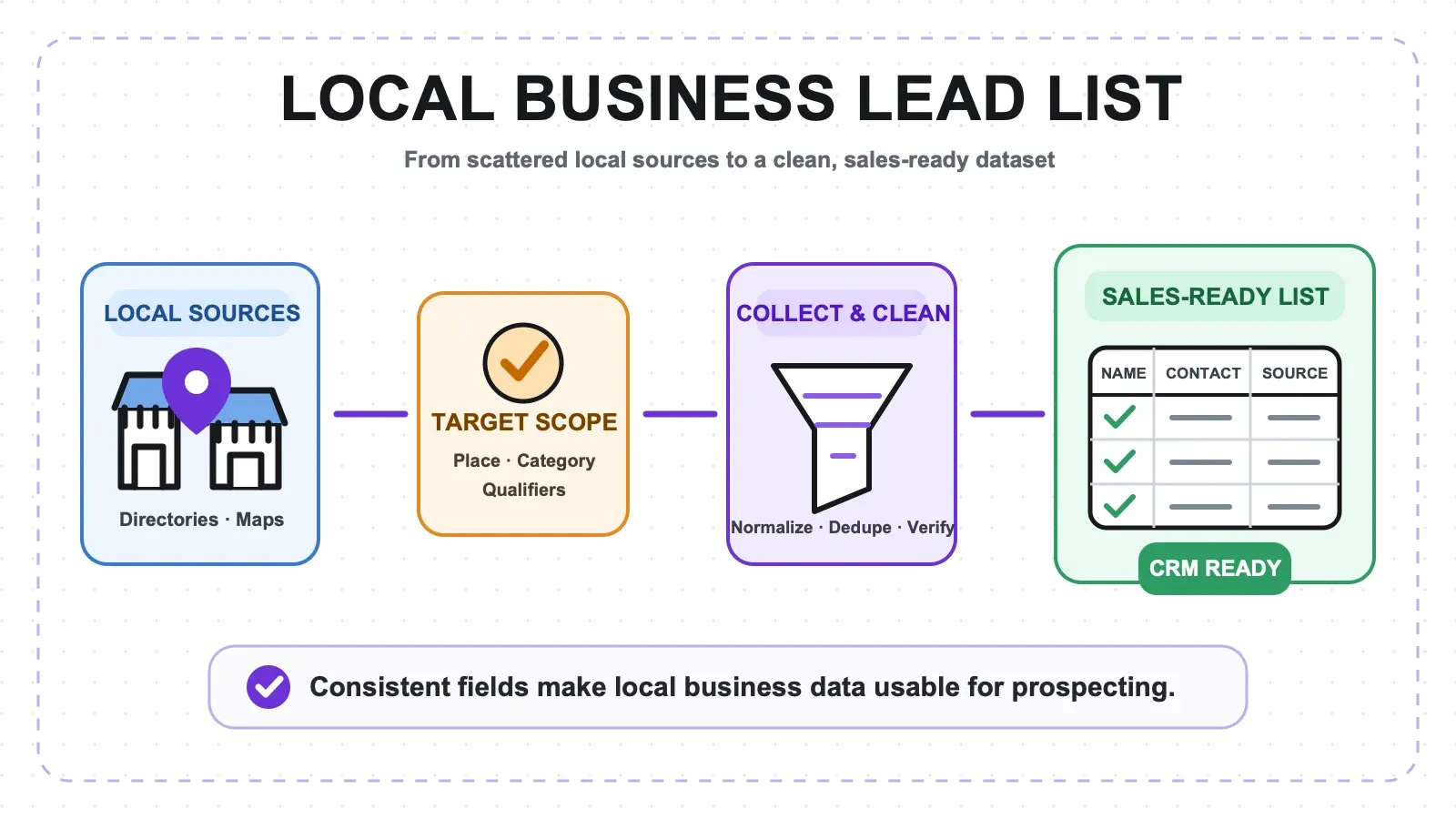
Sales teams scrape public directories, association websites, or even Google Maps to build lists of potential customers. Why pay for stale lead lists when you can gather thousands of fresh contacts in a day?
Real Estate
Agents and investors scrape sites like Zillow or Realtor.com to track property listings, prices, and trends. This gives them a real-time edge in a fast-moving market.
Market Research & News
Analysts scrape news sites, forums, and social media to track trends, sentiment, and competitor moves. The alternativeâreading every article by handâisnât even an option at scale.
Common Challenges
Of course, itâs not all smooth sailing. Scrappers often face:
- Dynamic Content: Sites that load data with JavaScript.
- Anti-Scraping Measures: CAPTCHAs, IP bans, and login requirements.
- Changing Website Structures: A site redesign can break your script overnight.
But as weâll see, new AI-powered tools are making these hurdles much easier to clear.
The Technical Side: How Python Scrapper Works (Without the Jargon)
Letâs demystify the process. Hereâs how a typical Python scrapper operates, in plain English:
- Send a Request: The scrapper âasksâ the website for the pageâs content (like your browser does).
- Fetch the Content: It receives the HTML code (and possibly loads dynamic content with tools like Selenium).
- Parse the Data: Using libraries like BeautifulSoup, it sifts through the HTML to find the exact info you wantâproduct names, prices, emails, etc.
- Clean & Structure: The data is tidied upâremoving extra spaces, standardizing formats, and validating things like phone numbers.
- Export: The final dataset is saved to CSV, Excel, or another format for your business use.
If the web is a giant library, a Python scrapper is like a robot librarian you program with specific instructions: âFind every book about shoes, copy the price and author, and put it in my spreadsheet.â The robot never gets bored, never misses a book, and works at lightning speed.
The Learning Curve: What Skills Are Needed to Use a Python Scrapper?
Hereâs the catch: traditional Python scrappers are powerful, but they come with a learning curve.
- Programming Knowledge: You need to know Python, how to install libraries, and how to debug code.
- HTML/CSS Understanding: Scrapping requires inspecting web pages to find the right elementsâthink âfind the
<h2>tag with class âproduct-titleâ.â - Handling Web Nuances: Many sites use JavaScript, require logins, or try to block bots. Youâll need to script around these hurdles.
- Ongoing Maintenance: Websites change. Your script might break and need updatesâsometimes at the worst possible moment.
For non-technical users, this can be daunting. Even for developers, writing and maintaining scrappers can be a time sink. No wonder so many people give up and go back to copy-paste.
Thunderbit: Bringing Python Scrapper Power to Everyone
This is where I get excitedâbecause this is exactly the problem we set out to solve with . Thunderbit is an that gives you all the power of a Python scrapper, but with zero coding required.
Hereâs how Thunderbit bridges the gap:
- AI Suggest Fields: Just click a button, and Thunderbitâs AI scans the page, suggests the best fields to extract (like âProduct Name,â âPrice,â âEmailâ), and even names them for you.
- 2-Click Scraping: Review the suggested columns, click âScrape,â and Thunderbit does the restâhandling pagination, subpages, and dynamic content automatically.
- Export Anywhere: Instantly export your data to Excel, Google Sheets, Notion, Airtable, CSV, or JSONâno extra fees, no headaches.
- Subpage Scraping: Need more details? Thunderbit can visit each subpage (like product details or LinkedIn profiles) and enrich your table automatically.
- No Setup, No Maintenance: Install the extension, and youâre ready to go. If a website changes, just hit âAI Suggest Fieldsâ againâThunderbit adapts on the fly.
Itâs like having a Python scrapper as a service, but designed for everyoneânot just the âPython wizards.â
How Thunderbit Removes the Technical Barriers
Letâs compare the traditional Python scrapper workflow to Thunderbitâs approach:
| Step | Traditional Python Scrapper | Thunderbit AI Web Scraper |
|---|---|---|
| Skills Needed | Python coding, HTML/CSS, troubleshooting | Noneâjust basic web browsing |
| Setup Time | Hours to days (install, code, debug) | Minutes (install extension, click to start) |
| Handling Pagination | Write code loops, debug when site changes | AI detects and clicks through pages automatically |
| Subpage Scraping | Custom code for each site | One clickâAI handles navigation and merging |
| Dynamic Content | Use Selenium/Playwright, manage browsers | Browser-based scrapingâsees what you see |
| Export to Excel/Sheets | Write export code, handle file formats | One-click export to Excel, Sheets, Notion, Airtable |
| Maintenance | Update code when sites change | Hit âAI Suggest Fieldsâ againâAI adapts |
In short, Thunderbit takes all the technical pain out of the equation. If you can use a browser, you can use Thunderbit.
AI + Python Scrapper: Boosting Data Accuracy and Business Value
Hereâs where things get really interesting. Thunderbit doesnât just copy dataâit uses AI to make your data smarter:
- Smarter Extraction: AI recognizes patterns, even on messy or dynamic pages, boosting accuracy to .
- Noise Reduction: Thunderbitâs AI filters out irrelevant content (ads, footers, navigation), focusing only on the data you need.
- Data Normalization: Want all phone numbers in E.164 format? Addresses standardized? Product categories labeled? Just add a custom instructionâThunderbitâs AI handles it as it scrapes.
- On-the-Fly Enrichment: Need to translate text, summarize descriptions, or categorize products? Thunderbitâs Field AI Prompts let you do all this in real time, as part of the extraction process.
The result? Cleaner, more actionable datasetsâready for your business needs, without hours of post-processing.
Overcoming Common Challenges with Python Scrapper Tools
Web scraping isnât without its obstacles, but modern tools are making them far less daunting:
- Anti-Scraping Measures: Thunderbitâs browser-based approach mimics real user behavior, rarely triggering blocks or CAPTCHAs. For tougher sites, its cloud mode uses rotating IPs and anti-bot techniques behind the scenes.
- Dynamic Content: If you can see it in your browser, Thunderbit can scrape itâno more wrestling with JavaScript or hidden data.
- Changing Website Structures: When a site changes, just hit âAI Suggest Fieldsâ again. Thunderbitâs AI adapts, so youâre not left scrambling to update code.
- Data Quality: Built-in deduplication, error handling, and AI cleaning mean you get high-quality data, every time.
- Compliance: Thunderbit encourages responsible scrapingârate limiting, respecting robots.txt, and avoiding sensitive data by default.
In short, the technical headaches that once made scraping a developer-only sport are now handled automatically.
Conclusion: Choosing the Right Data Extraction Solution for Your Business
So, what have we learned? A Python scrapper is a powerful tool for turning the wild, unstructured web into organized, actionable business data. Itâs the backbone of modern sales, ecommerce, market research, and more. But until recently, it was locked behind a wall of code and technical know-how.
Now, with AI-powered tools like , that wall is gone. Whether youâre a sales ops manager, a marketer, or a real estate agent, you can extract the data you needâin minutes, not months. No code, no setup, no maintenance. Just results.
When should you use a traditional Python scrapper? If you have a dedicated dev team, need ultra-custom workflows, or want to integrate deeply with internal systems, coding your own might make sense. But for 99% of business users, AI-powered tools like Thunderbit are faster, easier, and more reliable.
Ready to see for yourself? and try scraping your first website today. You might just wonder how you ever lived without it.
Want to dig deeper into web scraping, AI data extraction, or business automation? Check out the for more guides, tips, and real-world stories.
FAQs
1. What is a Python scrapper, and how is it different from manual data collection?
A Python scrapper is a program that automates the extraction of data from websites, turning web content into structured formats like spreadsheets. Unlike manual copy-paste, it works at scale, is much faster, and reduces errors.
2. What kinds of data can a Python scrapper extract?
Python scrappers can pull tables, lists, images, emails, phone numbers, prices, product details, reviews, and moreâbasically anything visible (or hidden) on a web page.
3. Do I need to know how to code to use a Python scrapper?
Traditional Python scrappers require programming knowledge. However, AI-powered tools like let anyone scrape data with just a few clicksâno coding required.
4. How does Thunderbit make web scraping easier for non-technical users?
Thunderbit uses AI to automatically detect data fields, handle pagination and subpages, and export results to Excel, Google Sheets, Notion, or Airtable. You just describe what you want, and Thunderbit does the rest.
5. Is web scraping legal and safe for business use?
Web scraping is legal when done responsiblyâscraping only public data, respecting website terms, and avoiding sensitive or personal information. Thunderbit encourages ethical scraping and includes features to help you stay compliant.
Curious to see how easy web data extraction can be? and start turning the web into your business advantage today.
Learn More