What Are Web Crawlers? Understanding Their Role in SEO

Last Updated on December 1, 2025

If the internet were a library, it would be the wildest, most chaotic library you’ve ever seen—books scattered everywhere, new titles popping up every second, and no one quite sure what’s on which shelf. Now, imagine a tireless librarian sprinting from aisle to aisle, reading every book, jotting down notes, and creating a master catalog so anyone can find exactly what they need in seconds. That’s the magic of web crawlers: the unsung digital librarians that keep our online world discoverable and organized.

Here’s a mind-bending stat: Google’s crawlers have indexed , filling an index that’s over 100 million gigabytes. Yet, even that’s just the tip of the iceberg—the public internet contains trillions of pages, with much of it still lurking in the “deep web.” For businesses, understanding web crawlers isn’t just a geeky curiosity; it’s the key to being found online, climbing the search rankings, and reaching new customers. So, let’s dive into what web crawlers are, how they work, and why they’re the backbone of SEO and digital visibility. Illustration of four robotic spiders with Google logos crawling over digital web pages, connected by green lines to a large server labeled "100 MILLION GB," accompanied by explanatory text at the top.

What Are Web Crawlers? (What Are Web Crawlers Explained Simply)

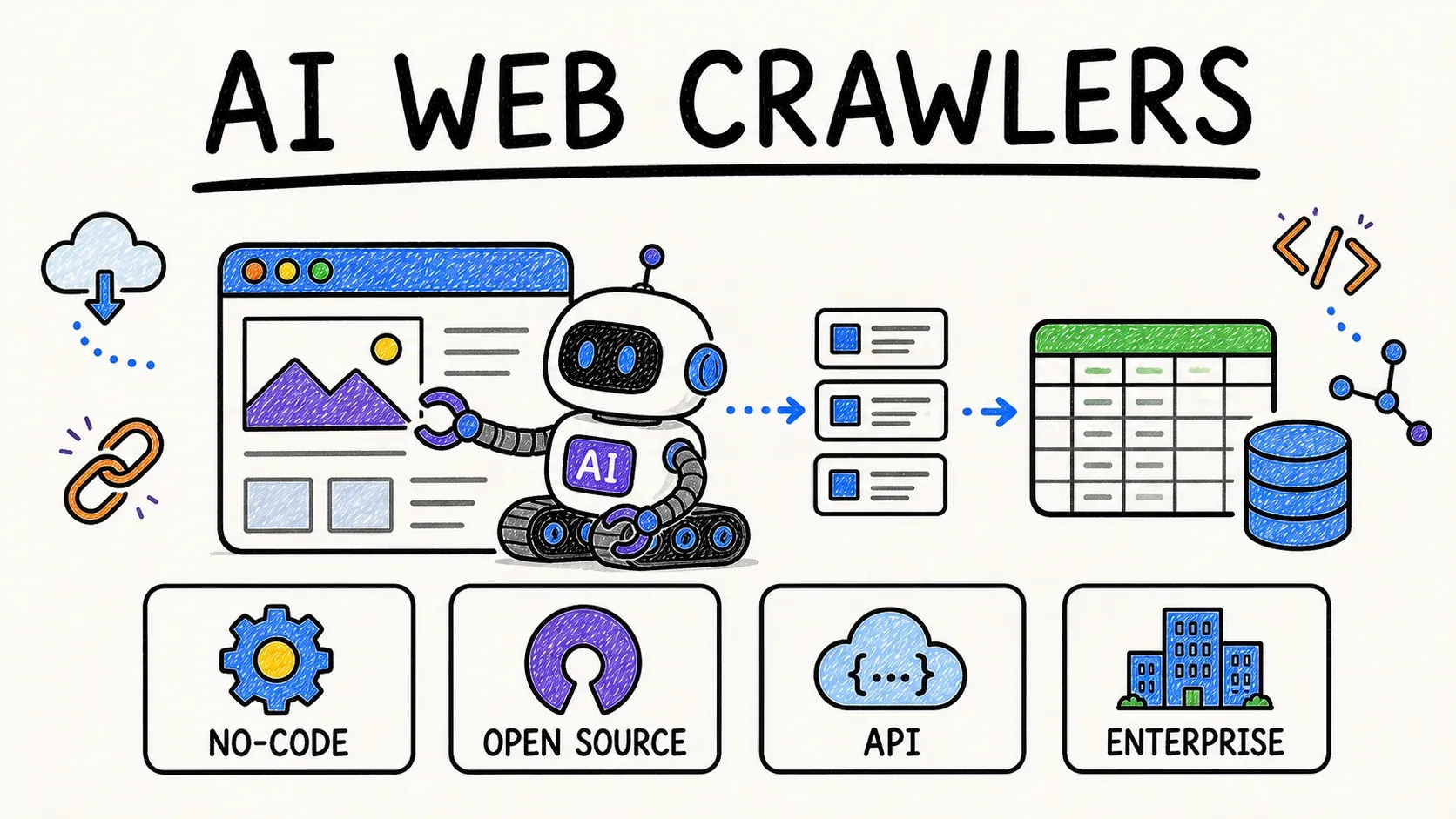
At their core, web crawlers—also known as spiders or bots—are automated software agents that systematically browse the internet, reading and cataloging web pages. Think of them as digital scouts, hopping from link to link, gathering information about every page they visit so that search engines (like Google, Bing, or Baidu) can organize and serve up relevant results when you search.

These crawlers don’t just work for search engines. Some are operated by organizations archiving the web, others by AI companies training language models, and some by businesses monitoring competitors or aggregating news. But their core job is the same: automatically discover, read, and record information from web pages for later use ().

Common Names for Web Crawlers

  • Spider: Emphasizes how they “crawl” the web, following links like a spider’s web.
  • Bot: Short for “robot,” a general term for automated software agents.
  • Crawler: Highlights their methodical, page-by-page approach.

No matter what you call them, these bots are the reason you can Google “best pizza in Chicago” and get a list of local restaurants in seconds. Without web crawlers, the internet would be a digital haystack—good luck finding your needle.

How Do Web Crawlers Work? (Step-by-Step, Non-Technical)

Let’s break down the basic workflow of a web crawler—no computer science degree required:

  1. Seed URLs: The crawler starts with a list of known website addresses (these could be popular sites, links submitted via sitemaps, or URLs from previous crawls).
  2. Fetching Pages: It visits each URL, downloading the page’s content—just like your browser does, but at superhuman speed.
  3. Extracting Links: As it reads a page, the crawler identifies all the hyperlinks on that page and adds them to its to-do list (called the “crawl frontier”).
  4. Following Links Recursively: The crawler moves on to the next URL in its queue, repeating the process: visit, read, extract links, and add new ones to the list.
  5. Respecting Rules: Before fetching a page, a well-behaved crawler checks for a robots.txt file—a set of instructions from the site owner about which pages should or shouldn’t be crawled. It also looks for sitemaps, which act as treasure maps pointing to important pages.
  6. Storing Data: The crawler hands off the page’s content to the search engine’s indexing system, which analyzes and stores the information in a massive searchable database.

It’s a bit like a snowball rolling downhill: the crawler starts small, but as it follows more links, it discovers more and more of the web.

Key Components of Web Crawling

  • URL Discovery: Crawlers need starting points—these come from prior knowledge, submitted links, or sitemaps. Well-linked pages are found quickly; “orphan” pages (with no inbound links) may remain hidden unless manually submitted.
  • Link Following & Crawl Frontier: The crawler maintains a queue of URLs to visit, prioritizing pages based on importance (like how many other sites link to them), how often they’re updated, and server health.
  • Content Extraction: The crawler grabs the visible text, metadata, and sometimes images from each page—just enough to understand what the page is about.
  • Data Storage and Indexing: All this information is organized in a search engine’s index, ready to be retrieved when someone searches for a related topic.
  • Recrawl Scheduling: The web is always changing, so crawlers revisit pages based on how often they’re updated or how important they are.

For a visual, picture a flowchart: Start with URLs → Fetch page → Extract links → Add new links to queue → Repeat, while obeying robots.txt and sitemaps.

Why Are Web Crawlers Important for SEO? (What Are Web Crawlers and SEO Impact)

Here’s the bottom line: If a web crawler can’t find and read your page, your site won’t show up in search results—period (). Crawling is the first step in the SEO journey. No crawl = no index = no organic traffic.

Let’s say you launch a new online store, but your robots.txt accidentally blocks all crawling. Googlebot will respect that and skip your site, making you invisible to anyone searching for your products. Even beyond accidental blocks, if your site is slow, hard to navigate, or missing an XML sitemap, crawlers might miss important pages or take longer to index updates—slowing down your SEO progress.

How Crawlers Influence Indexing and Ranking

It’s important to distinguish three stages:

  • Crawling: The spider finds and reads your page.
  • Indexing: The search engine analyzes and stores your page’s content.
  • Ranking: The engine decides where your page appears in search results.

If your page isn’t crawled, it can’t be indexed. If it’s not indexed, it can’t rank. Even after indexing, regular crawling ensures that updates (like new blog posts or price changes) are reflected quickly in search results. For businesses, this means that making your site crawler-friendly—fast, well-linked, and with clear sitemaps—is essential for SEO success ().

Web Crawlers vs. Web Scrapers: What’s the Difference?

People often mix up web crawlers and web scrapers, but they’re not the same animal. Here’s the difference:

AspectWeb Crawler (Spider)Web Scraper
PurposeBroad discovery and indexing of websites for search enginesTargeted extraction of specific data from particular sites/pages
OperatorSearch engines, archiving orgs, AI companiesIndividuals, businesses, sales/marketing teams
ScopeInternet-wide, follows links endlesslyNarrow, focused on specific sites or data points
Data CollectedFull page content and metadata for indexingSpecific fields (e.g., product prices, emails) in structured format
FrequencyContinuous, 24/7On-demand or scheduled by user
Respect for RulesStrictly follows robots.txt and webmaster guidelinesVaries; ethical scrapers follow rules, but some don’t
OutputSearchable index for search enginesStructured dataset (Excel, CSV, Google Sheets, etc.) for user

A web crawler is like a city inspector mapping every building in town, while a web scraper is like a real estate agent collecting details only about houses for sale on one street.

Thunderbit: AI-Powered Web Scraper for Business Users

is a modern example of an AI-powered web scraper. Unlike crawlers that try to map the whole web, Thunderbit lets you target exactly what you need—say, all the product names and prices from a competitor’s site or every email address listed on a directory. Its AI features mean you can describe what you want in plain English, and Thunderbit figures out how to extract it, no coding required. It’s designed for sales, marketing, real estate, and operations teams who want data fast, accurate, and in a format they can use ().

When to Use a Web Crawler vs. a Web Scraper

  • Web Crawler: Use when you need broad discovery or to audit your entire website for SEO (e.g., checking which pages are indexed, finding broken links).
  • Web Scraper: Use when you want to extract specific data from known sites (e.g., compiling a list of leads, monitoring competitor prices, aggregating reviews).

For most business users, scrapers like Thunderbit are the go-to for practical data collection, while understanding crawlers helps you optimize your own site for SEO ().

How Search Engines Use Web Crawlers (Googlebot and Beyond)

Major search engines run their own crawlers:

  • Googlebot: Google’s main spider, fetching and indexing billions of pages. It uses multiple instances and prioritizes pages based on importance and freshness.
  • Bingbot: Bing’s equivalent, with similar principles.
  • Baiduspider: Baidu’s crawler for the Chinese web.
  • Yandex Bot: Russia’s main search engine crawler.

Within each engine, there are specialized bots for images, videos, news, ads, and mobile content ().

Crawl Budget: What It Means for Your Website

Crawl budget is the number of pages a search engine is willing or able to crawl on your site in a given timeframe (). For small sites, this isn’t usually a concern—Google will crawl your pages just fine. But for large sites (think thousands of product pages), crawl budget matters. If Googlebot only crawls 5,000 pages a day on your 50,000-page site, it could take days or weeks for updates to be indexed. A graphic with the Google logo, explanatory text about Googlebot crawling limits, and icons of a robot, arrow, and calendar with a clock. How to optimize your crawl budget:

  • Eliminate unnecessary URLs: Avoid duplicate or trivial pages.
  • Use sitemaps and internal links: Make sure crawlers can find your important pages easily ().
  • Improve site speed and health: Faster sites get crawled more.
  • Use robots.txt wisely: Block only truly unnecessary pages.
  • Monitor in Google Search Console: Check crawl stats and fix issues promptly.

Challenges and Limitations of Web Crawlers

Web crawlers are powerful, but they face plenty of obstacles:

ChallengeDescriptionImpact on Crawling & Business
robots.txt & noindexSite owners can block crawlers from certain pagesBlocked pages won’t appear in search results—accidental blocks can tank SEO (Cloudflare)
CAPTCHAs & anti-bot systemsSites use CAPTCHAs or bot detectors to block automated accessCrawlers may be stopped; search engines are usually whitelisted, but scrapers often get blocked
Rate limiting & IP bansToo many requests can trigger bansCrawlers must pace themselves; aggressive scraping risks being blocked
Geolocation & content gatingSome content is region-locked or behind loginsCrawlers may miss region-specific or private content
Dynamic content & JavaScriptContent loaded by JavaScript may not be visible to basic crawlersImportant info might be missed unless crawlers can render JavaScript
Infinite spaces (calendars, etc.)Sites with infinite scroll or endless linksCrawlers can get stuck or waste resources
Content changes & site updatesFrequent redesigns can break scrapersTraditional scrapers need constant maintenance; AI-powered tools adapt better (Thunderbit Blog)
Bad bots & crawler abuseNot all bots are ethical—some steal content or overload serversSite owners deploy bot blockers, which can sometimes block good bots too

For businesses, the key is to make sure you’re not accidentally blocking search engine crawlers and to use modern scraping tools that adapt to changes and respect site rules.

How AI Is Transforming Web Crawling (AI-Powered Web Crawlers and Scrapers)

Artificial intelligence is turning web crawling and scraping from a technical headache into a user-friendly, supercharged workflow. Here’s how:

  • Natural Language Prompts: Tools like Thunderbit let you describe what you want (“Get all product names and prices from this page”) and the AI handles the rest—no coding, no fiddling with selectors ().
  • AI Field Suggestions: Thunderbit’s “AI Suggest Fields” reads the page and recommends which columns to extract, saving you time and surfacing useful data you might have missed.
  • Adaptability: AI scrapers can handle site redesigns and dynamic content, reducing maintenance headaches ().
  • Subpage Crawling: Thunderbit can automatically follow links to detail pages (like product listings), grab extra info, and merge it into your dataset.
  • Data Cleaning and Enrichment: AI can format, categorize, and even translate data as it’s scraped, giving you cleaner, more useful results.

Practical Benefits for Sales and Operations Teams

AI-powered tools like Thunderbit are a game-changer for non-technical teams:

  • Sales: Instantly build lead lists by scraping directories or extracting emails from websites ().
  • Marketing: Track competitor prices, monitor product launches, or aggregate reviews with scheduled scrapes.
  • Real Estate: Pull property listings from sites like Zillow in minutes.
  • Operations: Monitor supplier prices or stock levels automatically.

What used to take hours (or days) of manual copy-pasting can now be done in minutes, with fewer errors and fresher data.

Web Crawlers, Data Ethics, and Privacy: What Businesses Need to Know

With great crawling power comes great responsibility. Here’s what every business should know:

  • Stick to Public Data: Only scrape data that’s publicly accessible—never bypass logins or paywalls ().
  • Respect Privacy Laws: Be careful with personal data (names, emails, etc.). Laws like GDPR and CCPA apply even to public data in some cases.
  • Follow Copyright Rules: Don’t republish scraped content—use it for analysis, not for creating a competing site.
  • Check Terms of Service: Many sites forbid scraping in their ToS. If in doubt, seek permission or use official APIs.
  • Honor robots.txt: It’s not legally binding, but it’s good etiquette and can help you avoid trouble.
  • Use Ethical Tools: Thunderbit and similar tools are designed to encourage compliance, with features that respect robots.txt and avoid scraping sensitive data.

Ethical scraping isn’t just about avoiding lawsuits—it’s about building trust and future-proofing your business as regulations evolve ().

Web crawling is evolving fast. Here’s where things are headed:

  • AI-Driven Crawling: Search engines and scrapers are using more AI to decide what to crawl, when, and how—making crawling smarter and more efficient ().
  • Real-Time and Event-Driven Crawling: New protocols like IndexNow let sites ping search engines instantly when content changes, speeding up indexing.
  • Specialized Crawlers: Separate bots for images, video, news, and even AR/VR content are becoming more common.
  • Structured Data and Knowledge Graphs: Crawlers are getting better at understanding structured data (like Schema.org markup), making it even more important for businesses to use these tools for rich search results.
  • Privacy and Consent: Expect stricter regulations and new standards for indicating content usage rights to crawlers.
  • Integration with APIs: More sites are offering APIs for data access, blending crawling with direct data feeds.
  • Bot Traffic Dominance: Nearly , and that number is rising—meaning bot management is a growing concern for site owners.

Thunderbit and similar tools are leading the way by making crawling and scraping more accessible, ethical, and AI-driven—empowering businesses of all sizes to harness web data without the technical headaches.

Conclusion: Key Takeaways for Business Users

Web crawlers are the invisible librarians of the internet, making sure your website can be found, indexed, and ranked in search results. For businesses, understanding how crawlers work—and how they differ from web scrapers—is essential for SEO success and smart data-driven decision-making.

Here’s what to remember:

  • Web crawlers are automated bots that discover and index web pages for search engines.
  • SEO starts with crawling: If your site isn’t crawler-friendly, you’re invisible online.
  • Web scrapers (like ) are tools for targeted data extraction—perfect for sales, marketing, and research teams.
  • AI is making crawling and scraping smarter, faster, and more accessible—no coding required.
  • Ethics and compliance matter: Stick to public data, respect privacy laws, and use tools that encourage responsible data collection.

Ready to make your site more discoverable, or to start gathering the data you need to outpace the competition? Explore AI-powered tools like and check out the for more guides on web scraping, SEO, and digital automation.

FAQs

1. What exactly is a web crawler?
A web crawler (also called a spider or bot) is an automated program that systematically browses the internet, reading and indexing web pages for search engines and other applications ().

2. How do web crawlers impact my website’s SEO?
If a crawler can’t access your site, your pages won’t be indexed and won’t appear in search results. Making your site crawler-friendly is essential for SEO and online visibility ().

3. What’s the difference between a web crawler and a web scraper?
Web crawlers broadly discover and index web pages for search engines, while web scrapers (like ) extract specific data from targeted sites for business use ().

4. How can AI-powered tools like Thunderbit help my business?
AI-powered scrapers let you gather leads, monitor competitors, and automate data tasks with natural language prompts and smart field suggestions—no coding required ().

5. What are the ethical and legal considerations of web crawling and scraping?
Always stick to public data, respect privacy laws like GDPR and CCPA, follow copyright rules, check website terms of service, and use tools that encourage compliance ().

Want to learn more? Dive into the for deep dives on web scraping, SEO, and the future of AI-powered automation.

Try Thunderbit AI Web Scraper for Free
Shuai Guan
Shuai Guan
Co-founder/CEO @ Thunderbit. Passionate about cross section of AI and Automation. He's a big advocate of automation and loves making it more accessible to everyone. Beyond tech, he channels his creativity through a passion for photography, capturing stories one picture at a time.
Topics
Web crawlersAi web scraping
Table of Contents

Try Thunderbit

Scrape leads & other data in just 2-clicks. Powered by AI.

Get Thunderbit It's free
Extract Data using AI
Easily transfer data to Google Sheets, Airtable, or Notion
Chrome Store Rating
PRODUCT HUNT#1 Product of the Week