Understanding What Are Crawlers and How They Work

Last Updated on February 3, 2026

Ever wonder how Google seems to know about every website on the planet, or how your favorite price comparison site updates deals in real time? Behind the scenes, armies of digital “spiders” are crawling the web 24/7, mapping out the internet’s endless maze so we can find what we need in a split second. In fact, nearly half of all internet traffic these days is generated by bots—most of them crawlers—quietly fetching, indexing, and organizing the world’s information for search engines, AI models, and businesses alike ().

As someone who’s spent years building automation and AI tools at Thunderbit, I’ve seen firsthand how understanding crawlers can give any business a serious edge. Whether you’re in sales, ecommerce, or operations, knowing what crawlers are—and how modern AI-powered solutions like work—can help you unlock new data, automate research, and outpace the competition. Let’s pull back the curtain on these digital workhorses and see why they matter more than ever.

What Are Crawlers? The Basics Explained

web-crawlers-basics-explained.png

So, what exactly are crawlers? In the simplest terms, a crawler (also called a spider or bot) is a software program that automatically browses the web, fetching pages, following links, and collecting information along the way. Think of crawlers as the internet’s tireless librarians: they visit websites, read their contents, and catalog everything so it can be found later (, ).

Here’s a quick analogy: Imagine the web as a massive city, and crawlers as messengers who start at one address, jot down what’s inside, then follow every road sign (hyperlink) to the next place. They repeat this process endlessly, building a giant, searchable map of the internet.

Some of the most famous crawlers are Googlebot (for Google Search), Bingbot (for Bing), and newer AI crawlers like GPTBot (for OpenAI’s models). These bots are responsible for indexing hundreds of billions of webpages—Google’s index alone takes up over 100 million gigabytes of storage (). Without crawlers, search engines, AI assistants, and countless business tools simply wouldn’t work.

Why Crawlers Matter: Key Functions and Business Applications

web-crawlers-business-benefits.png

Crawlers aren’t just for search engines—they’re the backbone of many modern business workflows. Here’s what they do best:

  • Search Engine Indexing: Crawlers scan the web so search engines can instantly deliver relevant results. If your site isn’t crawled, it won’t show up in Google or Bing ().
  • Data Extraction & Market Intelligence: Businesses use crawlers (and scrapers) to collect competitor prices, product details, reviews, and more. For example, UK retailer John Lewis boosted sales by 4% using competitor price crawling, while ASOS doubled international sales by leveraging region-specific web data ().
  • Website Monitoring & Compliance: Crawlers can monitor your own or competitors’ websites for changes—think new product launches, price updates, or compliance checks.
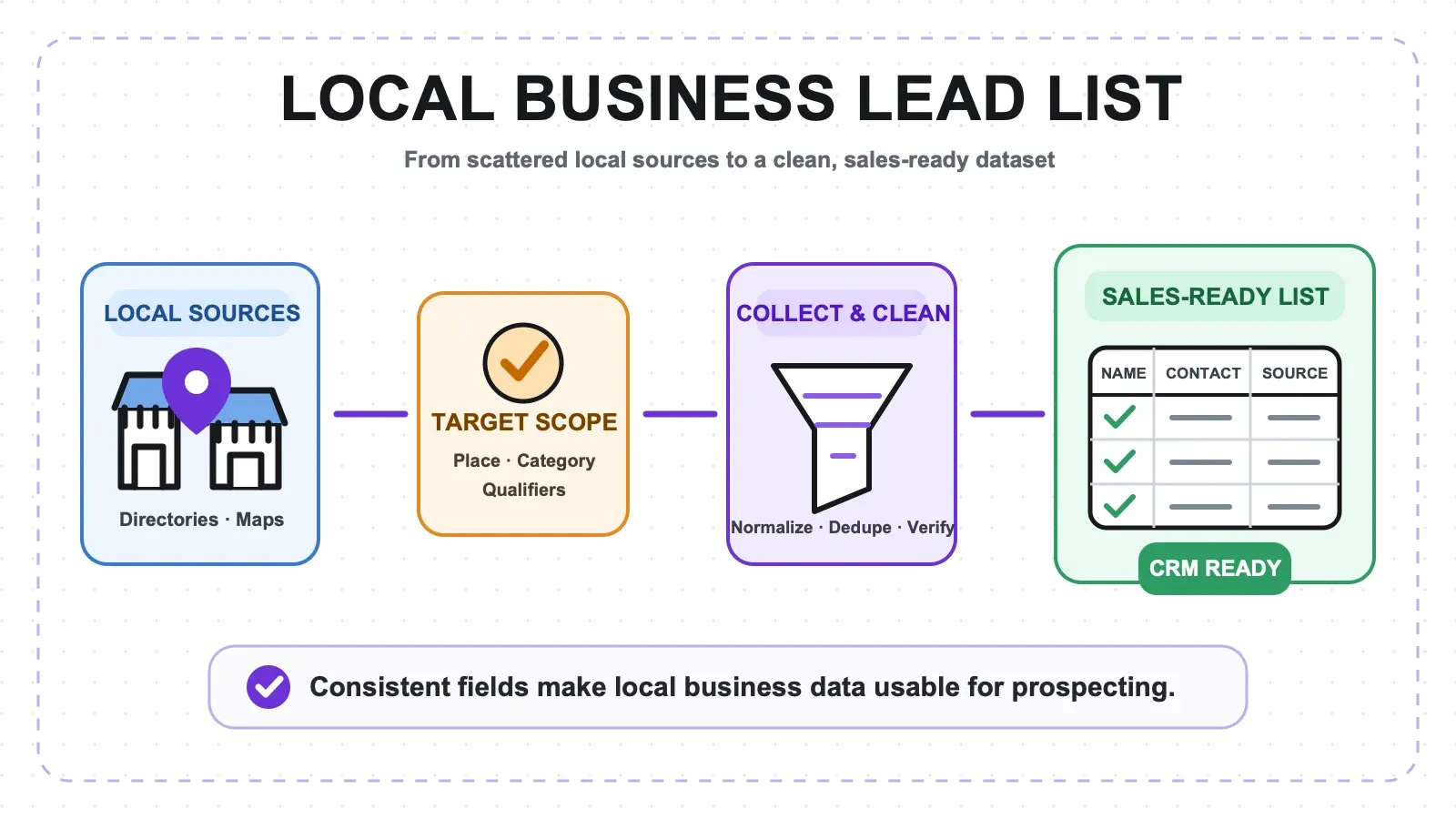
  • Lead Generation: Sales teams use crawlers to gather contact info from directories or business listings, automating what used to take hours of manual research.
  • Operations & Analytics: From tracking inventory to aggregating real estate listings, crawlers feed data into dashboards and analytics tools, powering smarter decisions.

Here’s a handy table summarizing crawler use cases for different business teams:

Team/FunctionCrawler Use CaseBenefit Gained
Sales & Lead GenCollect contact info from websites or directoriesAutomated lead list building; pipeline growth without manual data entry
Marketing/ResearchMonitor competitor sites and online reviewsReal-time market intelligence; informed strategy
Ecommerce & RetailPrice scraping and product monitoring across competitor sitesDynamic pricing; improved margins and revenue
Operations/ProductWebsite change detection for compliance or updatesQuality control; quick response to external changes
Data Analytics & AILarge-scale data collection for analytics or AI trainingData-driven insights; training material for machine learning

()

How Do Crawlers Work? A Step-by-Step Overview

Despite their high-tech reputation, the core workflow of a crawler is pretty straightforward ():

  1. Seed URLs: Crawlers start with a list of initial web addresses (the “seeds”). This might be a homepage, a sitemap, or a list you provide.
  2. Fetching: The crawler visits each URL, downloading the page’s HTML (just like your browser does).
  3. Parsing & Extraction: It reads the page, extracts useful information (like text, metadata, and links), and notes every hyperlink it finds.
  4. Storing & Indexing: The extracted data is saved in a database or index—organized and ready for search or analysis.
  5. Following Links: All new links are added to the queue, and the crawler repeats the process, endlessly exploring the web.

Modern crawlers are polite: they check a site’s robots.txt file to see what they’re allowed to access, and they throttle their requests to avoid overloading servers (). Search engines even use “crawl budgets” to decide how often to revisit a site, prioritizing important or frequently updated pages.

Crawlers vs. Scrapers: What’s the Difference?

People often use “crawling” and “scraping” interchangeably, but there’s a key difference ():

  • Crawling is about discovering and indexing as many pages as possible (think: mapping the web).
  • Scraping is about extracting specific data from targeted pages (think: grabbing prices from a product page).

In practice, the two often work together: you might crawl a site to find all product pages, then scrape each one for details like price and stock status. For businesses, understanding this distinction helps you pick the right tool for the job.

Types of Crawlers: From Search Engines to AI-Powered Bots

Not all crawlers are created equal. Here are the main types you’ll encounter ():

  • Search Engine Crawlers: The giants like Googlebot, Bingbot, Baidu Spider, and Yandex Bot. Their mission: index the entire web so you can search it.
  • Focused Crawlers: Designed to seek out pages on a specific topic (e.g., only crawling job boards or news sites about “climate change”).
  • Incremental Crawlers: Optimized to detect and fetch only new or updated content, saving bandwidth and time.
  • Deep Web Crawlers: Built to access content behind search forms, logins, or hidden pages.
  • Site Audit Crawlers: Tools like Screaming Frog or SEMrush’s Site Audit, used to crawl your own site for SEO or quality checks.
  • Comparison/Monitoring Crawlers: Used by businesses to track competitor prices, product changes, or compliance across specific sites.
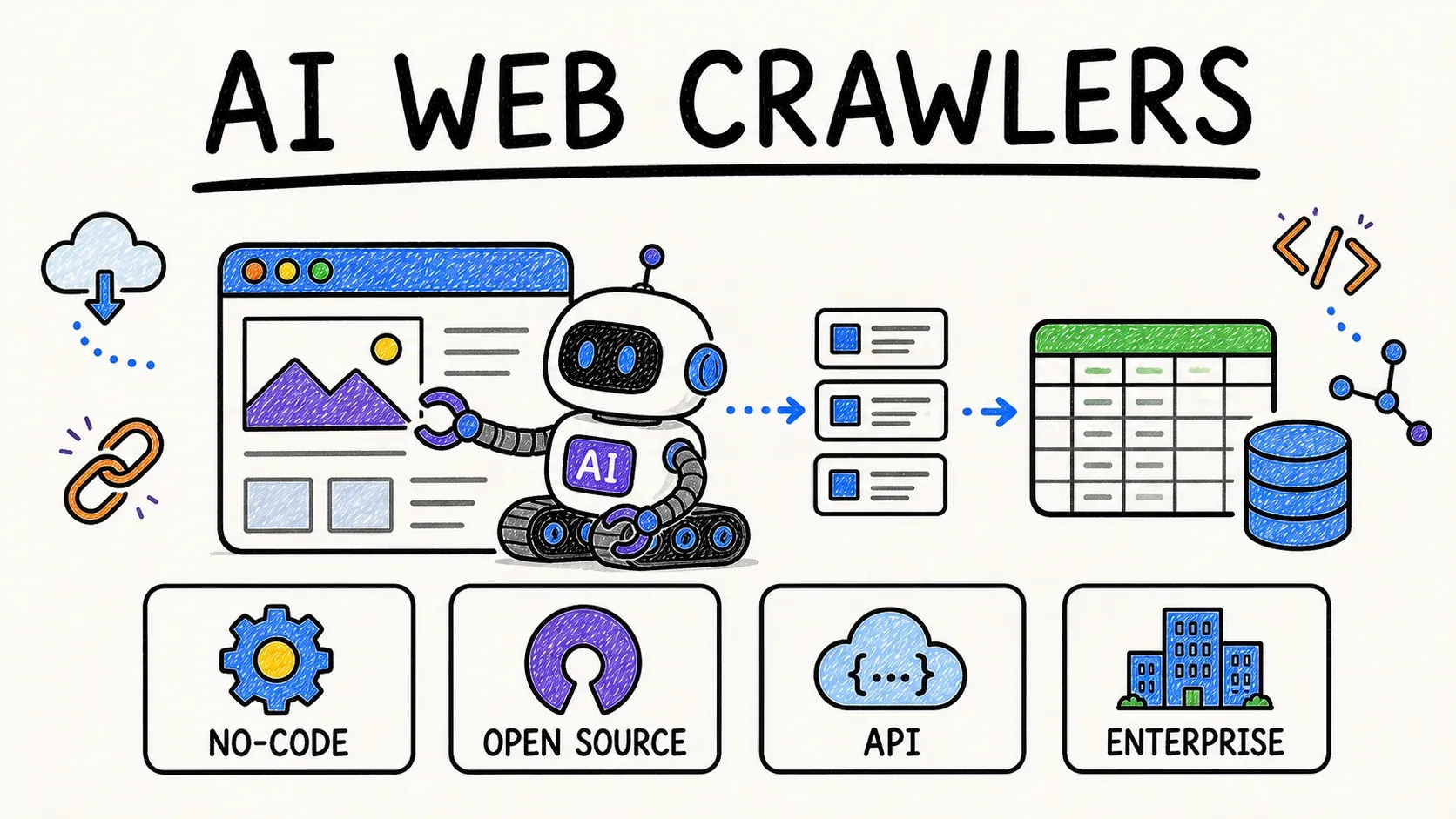
  • AI-Powered Crawlers: The new kids on the block—like OpenAI’s GPTBot or Common Crawl’s CCBot—designed to gather data for AI training or use AI to decide what and how to crawl ().

AI crawlers are rapidly changing the landscape. In 2025, AI-related bots already make up about 30% of web traffic—and that number is growing fast ().

Challenges of Traditional Crawlers and Modern Solutions

As the web gets more complex, traditional crawlers face some serious hurdles:

  • Anti-Crawling Defenses: CAPTCHAs, IP blocks, rate limits, and browser fingerprinting can stop old-school bots in their tracks. Over 95% of scraping failures are due to anti-bot measures ().
  • Dynamic Content: Many sites now load data with JavaScript or infinite scroll, which basic crawlers can’t handle. Headless browsers and AI parsing are now essential ().
  • Frequent Site Changes: If a site tweaks its layout, traditional scrapers break and require manual fixes. Maintenance is a constant headache.
  • Scale and Speed: Crawling millions of pages quickly requires distributed systems and cloud infrastructure—way beyond what a single laptop can handle.
  • Legal and Ethical Issues: Respecting robots.txt, privacy laws, and terms of service is more important than ever.

Modern solutions—including AI-powered tools—are stepping up. They use machine learning to adapt to changing layouts, simulate real browsers, and even interpret pages like a human would. For example, AI scrapers can now extract data from PDFs, images, or non-standard web pages, making them far more resilient and flexible.

Thunderbit: Optimizing Crawlers for Today’s Diverse Web

This is where Thunderbit comes in. At , we’ve built an AI-powered web crawler and scraper designed for the messy, ever-changing web of 2025. Our goal? Make web data accessible to everyone, not just developers.

What makes Thunderbit different?

  • AI-Powered Simplicity: Just click “AI Suggest Fields,” and Thunderbit’s AI scans the page, suggests the best data columns (like “Product Name,” “Price,” “Rating”), and sets up the extraction for you. No coding, no fiddling with HTML—just click and go ().
  • Handles Complex & Long-Tail Pages: Thunderbit’s AI adapts to weird layouts, dynamic content, and even non-standard pages. It’s especially good at extracting data from niche sites or pages that break traditional scrapers.
  • Subpage & Pagination Crawling: Need details from every product page in a category? Thunderbit can automatically follow links, crawl subpages, and merge the data into a single table—no manual setup required ().
  • Cloud & Browser Modes: Choose fast cloud scraping for public sites, or browser mode for sites that require logins or extra protection.
  • Free Data Export: Export your data directly to Excel, Google Sheets, Airtable, or Notion—no hidden fees ().
  • No-Code, Business-Ready: Thunderbit is built for business users—sales, marketing, ecommerce, and operations teams—who just want results, not a crash course in web scraping.

Thunderbit vs. Traditional Crawlers: Feature Comparison

Here’s how Thunderbit stacks up against old-school tools:

FeatureThunderbit (AI-Powered)Traditional Crawlers/Scrapers
Setup Time2-click AI setupManual configuration, steep curve
AdaptabilityAI adjusts to site changesBreaks on layout changes
Handles Dynamic ContentYes (AI & headless browser)Limited or manual setup needed
Subpage/Pagination CrawlingBuilt-in, automaticManual scripting required
Data ExportFree to Excel, Sheets, NotionOften paywalled or limited
User Skill NeededNone (no-code)Coding or technical skills needed
MaintenanceMinimal (AI re-learns)Frequent manual fixes
Templates for Popular Sites1-click, always updatedCommunity/shared, may be outdated
PriceFree tier, affordable plansOften expensive for full features

()

Inside Thunderbit: Innovative Features That Make Crawling Simple

Let’s take a closer look at what makes Thunderbit special:

  • AI Suggest Fields: This is my personal favorite. Click once, and Thunderbit’s AI reads the page, suggests the most relevant columns, and even creates extraction prompts. No more guessing which selector to use or what to call each field.
  • Subpage Crawling: After scraping a list page, click “Scrape Subpages” and Thunderbit will visit each linked page (like product details), enriching your table automatically.
  • Instant Templates: For popular sites (Amazon, Zillow, Instagram, Shopify), Thunderbit offers 1-click templates—no setup, just results.
  • Free Email, Phone, and Image Extractors: Need to grab all emails or images from a page? Thunderbit does it in one click, for free.
  • Scheduled Scraping: Set up recurring scrapes (daily, weekly, etc.) using plain English. Perfect for price monitoring or regular market checks.
  • Cloud vs. Browser Scraping: Choose the mode that fits your needs—cloud for speed, browser for tricky sites.

Thunderbit is trusted by over 30,000 users worldwide, from solo founders to enterprise teams (). And yes, there’s a so you can try it out risk-free.

Managing Crawler Access: Best Practices for Businesses

Whether you run a website or use crawlers, managing access is crucial:

For Website Owners:

  • Use robots.txt to set ground rules—disallow sensitive sections, allow search bots, block unwanted crawlers ().
  • Add meta tags (noindex, nofollow) to control what gets indexed.
  • Monitor bot traffic and adjust crawl rates if needed.
  • Balance SEO (discoverability) with content protection—don’t block the bots you want (like Googlebot).

For Businesses Using Crawlers:

  • Always respect robots.txt and site terms—ethical crawling is key.
  • Identify your bot with a clear user-agent string.
  • Throttle requests to avoid overloading servers.
  • Use APIs when available, and only scrape public data.
  • Monitor your crawler’s impact and adjust as needed.

Conclusion: The Evolving Role of Crawlers in Business Data Strategy

Crawlers have evolved from simple “spiders” into the backbone of search, AI, and business intelligence. In today’s data-driven world, understanding what crawlers are—and how to use modern, AI-powered tools like Thunderbit—can unlock new opportunities for any team. Whether you’re looking to boost your SEO, automate research, or build smarter sales pipelines, crawlers are your invisible allies.

And as the web keeps growing and changing, the most successful businesses will be those who embrace these tools—responsibly and creatively. If you’re ready to see what AI-powered crawling can do for your business, and start exploring. For more deep dives and practical guides, check out the .

FAQs

1. What is a web crawler, in plain English?
A web crawler is a software program that automatically browses the internet, visiting websites, following links, and collecting information. Think of it as a digital librarian that catalogs web pages so they can be found by search engines or used for business data.

2. How are crawlers different from scrapers?
Crawlers focus on discovering and indexing as many pages as possible (mapping the web), while scrapers extract specific data from targeted pages. In practice, they often work together—crawl to find pages, scrape to get the details you need.

3. Why do businesses use crawlers?
Businesses use crawlers for everything from SEO (making sure their site is indexed) to competitive intelligence (tracking prices or product changes), lead generation, market research, and automating data collection for analytics or AI.

4. What challenges do traditional crawlers face?
Traditional crawlers struggle with anti-bot defenses (CAPTCHAs, IP blocks), dynamic content (JavaScript, infinite scroll), frequent site changes, and legal/ethical constraints. Modern AI-powered tools like Thunderbit are designed to overcome these hurdles.

5. How does Thunderbit make crawling easier for business users?
Thunderbit uses AI to automatically recognize web page structure, suggest data fields, and handle complex tasks like subpage crawling and dynamic content. It’s no-code, fast to set up, and exports data directly to your favorite tools—making web data accessible to everyone, not just developers.

Ready to put crawlers to work for your business? and see how easy web data can be.

Try AI Web Scraper

Learn More

Shuai Guan
Shuai Guan
Co-founder/CEO @ Thunderbit. Passionate about cross section of AI and Automation. He's a big advocate of automation and loves making it more accessible to everyone. Beyond tech, he channels his creativity through a passion for photography, capturing stories one picture at a time.
Topics
What Are Crawlers
Table of Contents

Try Thunderbit

Scrape leads & other data in just 2-clicks. Powered by AI.

Get Thunderbit It's free
Extract Data using AI
Easily transfer data to Google Sheets, Airtable, or Notion
Chrome Store Rating
PRODUCT HUNT#1 Product of the Week