Automation isn’t just a buzzword anymore—it’s the backbone of how businesses, big and small, are getting things done in 2026. I’ve watched this shift up close, and let me tell you, the numbers are wild: the global hyperautomation market is projected to hit , up from $64.78 billion just a year prior. But here’s where it gets really interesting—SMBs and enterprises are taking very different roads to get there. From cloud-first, plug-and-play tools for SMBs to complex, compliance-heavy integrations for the enterprise crowd, the automation landscape is splitting in two.
As someone who’s spent years building automation tools (and yes, seeing firsthand how sales and ops teams wrestle with these choices), I’m fascinated by how these trends are playing out. Whether you’re running a lean startup or steering a Fortune 500 ship, understanding the latest automation adoption trends isn’t just “nice to know”—it’s mission-critical for staying competitive. Let’s dive into the stats, the stories, and the practical takeaways that define SMB vs enterprise automation in 2026.
SMB vs Enterprise Automation Adoption: Top Statistics for 2026
If you want the quick version, here are the headline stats that everyone’s citing this year. These numbers tell the story of two very different automation journeys:

76% of SMBs say they’re spending more on technology than last year (). 95% of enterprise automation decision-makers say automation is “critical” or “important” to their strategy (). Among SMBs using AI, 90% report more efficient operations, and 85% expect a positive ROI (). In 2026, 40% of enterprise applications are projected to feature task-specific AI agents (up from 5% in 2025) ()
Cloud-based automation now accounts for over 55% of RPA deployments and 53.9% of intelligent process automation revenue (, ). 88% of enterprises report regular AI use in at least one business function (). 51% of SMBs worry about falling behind on technology, and 47% feel overwhelmed by the pace of change (). 248% ROI for enterprise automation (Power Automate composite org), with payback in under 6 months (). 84% of SMB finance leaders say automation improves decision-making ().
These aren’t just numbers—they’re a roadmap for where automation is heading and how differently SMBs and enterprises are getting there.
Key Differences in SMB vs Enterprise Automation Adoption
So, what’s really driving the wedge between SMB and enterprise automation strategies in 2026? Here’s what I’m seeing (and what the data backs up):
- SMBs want speed and simplicity. They’re gravitating toward cloud-based, self-service tools that don’t require an IT army or six months of onboarding. Cost and ease of deployment are everything.
- Enterprises crave integration and control. For the big players, automation is all about connecting dozens (or hundreds) of systems, ensuring compliance, and customizing workflows to fit complex business processes.
- Buying behavior is diverging. SMBs are happy to swipe a credit card for a SaaS tool like , while enterprises are still running RFPs and negotiating with vendors for custom solutions.
- Deployment speed is night and day. SMBs can roll out new automation in days or weeks; enterprises often take months (or longer) due to integration and governance hurdles.
- ROI pressure is higher for SMBs. They need to see value fast, or they’ll churn. Enterprises are more patient but demand measurable, organization-wide impact.
Let’s break down these differences in more detail.
SMB Automation Solutions: Simplicity and Speed
If you’ve ever run a small or mid-sized business, you know the pain of limited resources. That’s why SMBs are flocking to automation tools that are easy to deploy, affordable, and don’t require a PhD in IT to use. In fact, cloud-based automation captured over 55% of RPA deployments in 2025 (), and that number is only climbing.
Here’s what’s driving the trend:
- Lower costs: No need for expensive servers or custom integrations. Most SMB automation solutions are SaaS, billed monthly, and scale as you grow.
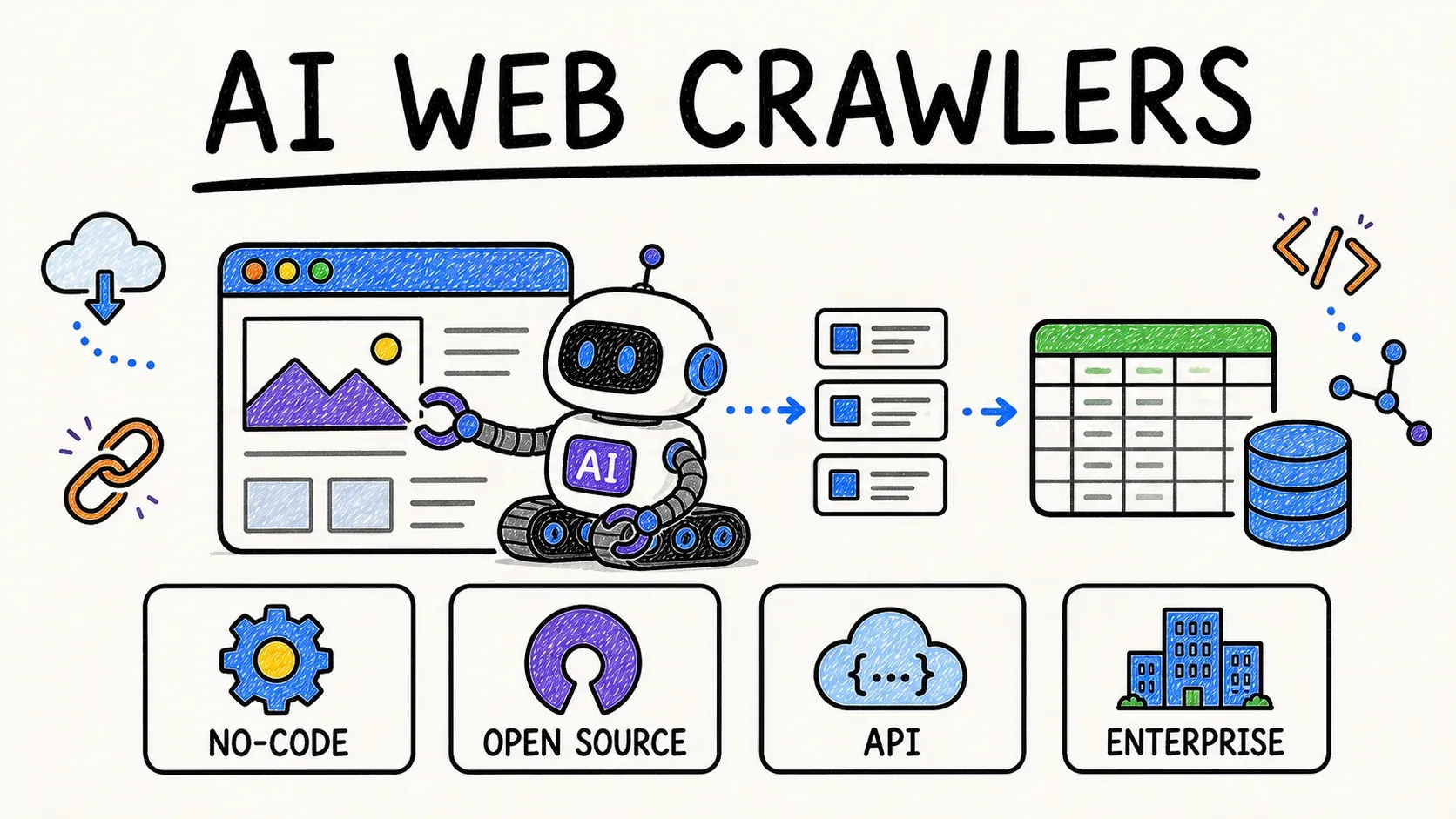
- Minimal IT requirements: Tools like let non-technical users automate web data extraction, lead generation, and workflow tasks with just a few clicks—no coding required.
- Fast deployment: The average SMB can get up and running with a new automation tool in days, not months.
- Plug-and-play integrations: SMBs want tools that connect easily to Google Sheets, Airtable, Notion, and other cloud apps they already use.
And the results speak for themselves: 90% of SMBs using AI report more efficient operations, and 85% expect to get a return on their investment (). That’s a level of confidence you don’t see in every tech trend.
Enterprise Automation: Integration and Compliance
Enterprises, on the other hand, have a different set of headaches. Their automation wish list looks more like this:
- Multi-system integration: Connecting ERP, CRM, HR, finance, and dozens of other systems is table stakes.
- Customization: Off-the-shelf solutions rarely fit the bill. Enterprises need workflows tailored to their unique processes.
- Compliance and governance: With stricter regulations and more at stake, large organizations can’t afford to cut corners.
- On-premise and hybrid deployments: While cloud is gaining ground, many enterprises still rely on on-prem or hybrid setups for security and control.
By 2026, 30% of enterprises are expected to automate more than half of their network activities (), and 40% of enterprise applications will feature task-specific AI agents (). But getting there isn’t easy—less than 20% have mastered measuring the impact of these initiatives ().
Automation Adoption Trends: 2026 Market Overview
Zooming out, the automation market is on a tear across all segments. Here’s a quick snapshot of where things stand for 2026:

| Market Segment | 2025 Market Size | 2026 Market Size | CAGR (2025–2026) |
|---|---|---|---|
| Hyperautomation | $64.78B | $75.54B | 16.6% |
| Intelligent Process Automation | $15.42B | $17.88B | 16.0% |
| Robotic Process Automation (RPA) | $4.68B | $6.04B | 29.1% |
(, , )
Regional trends: North America and Europe continue to lead in enterprise automation, but Asia-Pacific is seeing the fastest SMB adoption, especially in cloud-based and AI-powered solutions ().
Tech drivers: AI is the rocket fuel here. From agentic systems in enterprise software to no-code AI tools for SMBs, automation is getting smarter, faster, and more accessible.
The Rise of AI-Driven Automation Tools in SMBs
Here’s where things get personal for me. I’ve seen SMBs go from “automation is too complicated” to “I can’t imagine life without it”—and AI is the reason why. Tools like are making it possible for non-technical users to automate everything from web scraping to lead generation, without writing a single line of code.

- 61% of SMBs in APAC plan to implement or expand AI within 24 months ().
- 90% of SMBs using AI report more efficient operations ().
- In the UK, AI is helping SME workers save an average of 5.2 hours per week ().
And it’s not just about saving time. SMBs are using AI automation to:
- Capture leads from websites and export them directly to their CRM.
- Extract product data for price monitoring and inventory management.
- Gather market intelligence and competitor insights in real time.
The best part? These tools are affordable, easy to use, and don’t require a dedicated IT team. That’s a game plan SMBs can actually execute.
Cloud-Based vs On-Premise Automation: A 2026 Comparison
The cloud vs on-prem debate is alive and well, but the numbers are tipping in favor of the cloud—especially for SMBs.

| Feature/Metric | SMBs (Cloud) | Enterprises (Hybrid/On-Prem) |
|---|---|---|
| Deployment Speed | Days to weeks | Months |
| Upfront Cost | Low (SaaS pricing) | High (infrastructure, setup) |
| Scalability | Easy, pay-as-you-go | Complex, often manual |
| Security/Compliance | Standardized, good | Custom, highly controlled |
| Integration | Plug-and-play | Deep, multi-system |
| Market Share (2025 RPA) | >55% cloud | ~45% on-prem/hybrid |
(, )
SMBs love the cloud for its speed, cost, and simplicity. Enterprises stick with hybrid or on-prem for control, security, and compliance—especially in regulated industries.
Automation ROI: Impact on Sales and Operations Teams
Let’s talk bottom line. Automation isn’t just about shiny dashboards—it’s about real results for sales and ops teams.

- SMBs: Among those using AI, 90% report efficiency gains, and 84% of finance leaders say automation improves decision-making (, ).
- Enterprises: Forrester’s TEI study found 248% ROI and payback in under 6 months for automation at scale (). UiPath users saved up to 225,000 hours annually ().
For sales teams, this means more leads, faster follow-up, and less time wasted on manual tasks. For operations, it’s about streamlining workflows, reducing errors, and scaling without hiring armies of new staff.
Barriers to Automation Adoption: SMBs vs Enterprises

Of course, it’s not all smooth sailing. Both SMBs and enterprises face real challenges when it comes to automation.
SMB Barriers:
- Capacity and trust: 51% worry about falling behind, 47% feel overwhelmed, and 46% are frustrated by current tools ().
- Data privacy and security: 40% cite this as a top barrier, with 39% worried about trusting AI systems ().
- Budget focus: 37% prioritize stable operations, 19% automation, 22% strategic initiatives ().
Enterprise Barriers:
- Measurement and scaling: Less than 20% have mastered measuring hyperautomation impact ().
- Governance: 51% of AI-using orgs report at least one negative consequence, often tied to inaccuracy ().
- Pilot-to-scale gap: Most are still experimenting or piloting, with only about a third scaling AI programs ().
Future Outlook: What’s Next for SMB and Enterprise Automation?
Looking ahead to 2027 and beyond, here’s what I’m watching:
- Agentic AI is going mainstream. By 2026, 40% of enterprise apps will have task-specific AI agents, and by 2029, we’ll see multi-agent collaboration across applications ().
- The SMB–enterprise gap persists. In 2024, 40% of firms with 250+ employees used AI, compared to just 11.9% of firms with 10–49 employees (). Expect this gap to narrow as tools get easier and more affordable.
- Cloud-first is the new normal. SMBs will continue to lead the charge, but even enterprises are shifting more workloads to the cloud as security and compliance catch up.
- ROI will rule. Both segments will double down on solutions that deliver measurable business value, not just automation for automation’s sake.
Key Takeaways from 2026 Automation Adoption Trends
- Automation adoption is surging across both SMBs and enterprises, but the strategies and tools are diverging fast.
- SMBs are winning with cloud-based, self-service automation—it’s all about speed, simplicity, and ROI.
- Enterprises are focused on integration, compliance, and scaling agentic AI, but face bigger hurdles in measurement and governance.
- AI-driven automation tools like Thunderbit are making it possible for non-technical users to automate complex workflows, especially in SMBs.
- Cloud is now the default for SMB automation, while enterprises still rely on hybrid and on-prem for critical systems.
- ROI is strong across the board—SMBs report efficiency and confidence, while enterprises see massive time and cost savings.
- Barriers remain: SMBs struggle with capacity and trust; enterprises with measurement and scaling.
- The future is agentic, cloud-first, and ROI-driven—and the gap between SMB and enterprise automation adoption is narrowing, but not gone.
Further Reading & Resources
Want to dig deeper? Here are some of the best reports and resources on automation trends in 2026:
And if you’re curious how AI-powered automation can work for your team—without the headaches—check out . We’re making automation accessible, affordable, and actually fun (yes, really) for sales, marketing, and ops teams everywhere.
FAQs
1. What’s the biggest difference between SMB and enterprise automation adoption in 2026?
SMBs are prioritizing cloud-based, self-service automation tools that are easy to deploy and affordable, while enterprises focus on complex integrations, customization, and compliance—often with hybrid or on-premise solutions.
2. How fast is the automation market growing?
The global hyperautomation market is projected to grow from $64.78B in 2025 to , a 16.6% CAGR. RPA and intelligent process automation are also seeing double-digit growth.
3. Why are AI-driven automation tools like Thunderbit gaining traction with SMBs?
AI-powered tools like let SMBs automate web data extraction and workflow tasks without coding or heavy IT investment, making automation accessible and cost-effective for smaller teams.
4. What are the main barriers to automation adoption for SMBs and enterprises?
SMBs struggle with tech fatigue, trust in AI, and budget constraints. Enterprises face challenges in measuring ROI, scaling pilots, and ensuring governance and compliance.
5. What’s the outlook for automation adoption beyond 2026?
Expect more agentic AI in enterprise apps, a narrowing gap between SMB and enterprise adoption, and a continued shift toward cloud-first, ROI-driven automation strategies across all business sizes.
Want more insights on automation, AI, and productivity? Subscribe to the or check out our for the latest tips and tutorials.