If you’ve ever wondered how businesses seem to know exactly what their competitors are charging, or how sales teams magically fill their pipelines with fresh leads, here’s a little secret: a huge chunk of that data comes from web scraping. I’ve seen firsthand how web scraping has gone from a geeky side project to a must-have business tool—powering everything from price monitoring to market research. And if you peek behind the curtain, you’ll find Python code running the show for a massive share of these projects. In fact, over , and .
But let’s be real: the phrase “Python code for web scraping” can sound intimidating if you’re not a developer. So, in this guide, I’ll break down what Python web scraping actually means, why Python is the go-to language, how the process works, and—importantly—how tools like are making web scraping accessible to everyone, not just the folks who dream in code.
Python Code for Web Scraping: What Does It Mean?
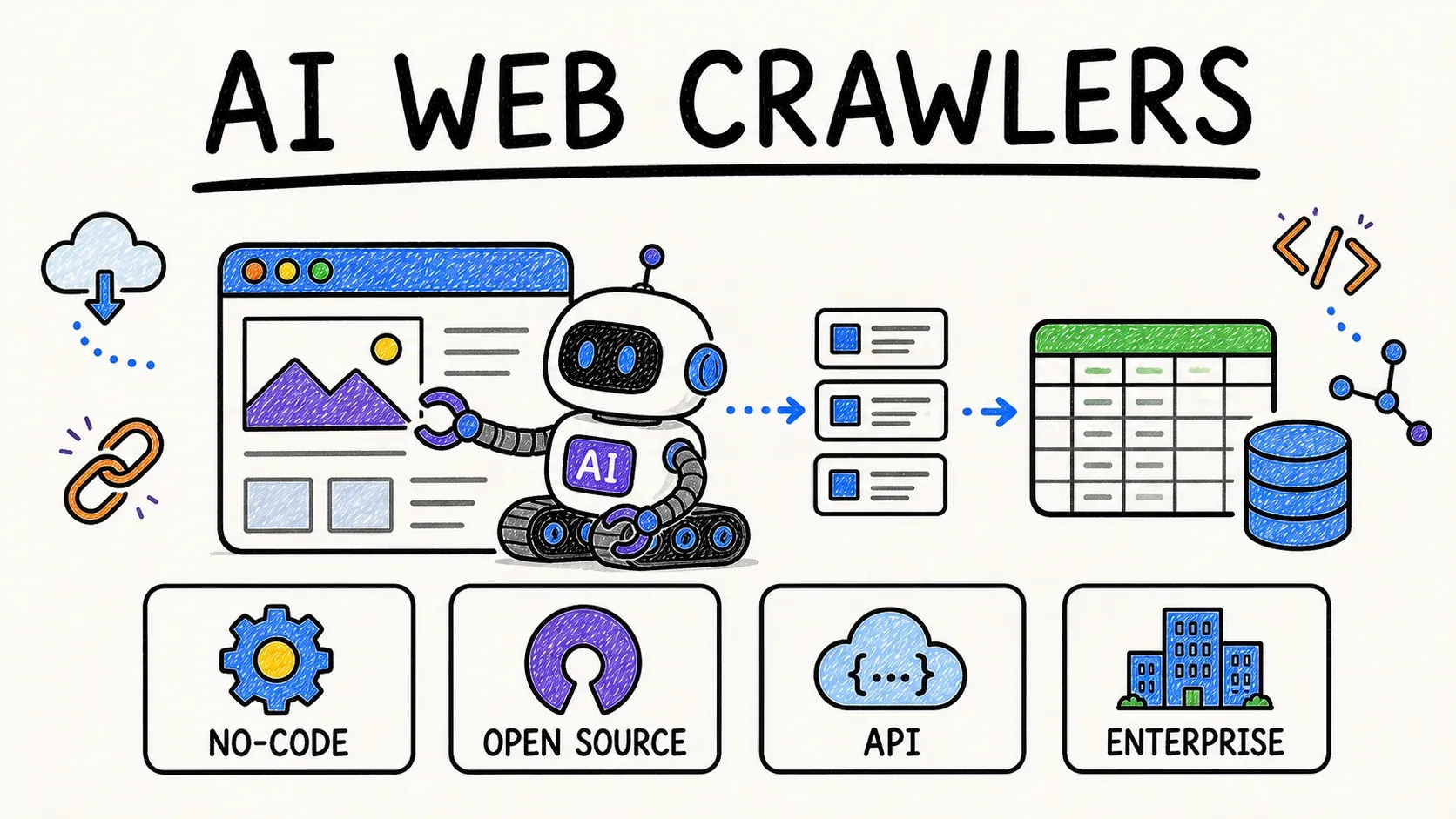
Let’s start with the basics. Python code for web scraping simply means using Python scripts to automatically collect data from websites. Think of it as writing a set of instructions for a robot: “Go to this page, grab these details, and save them for me.” Instead of copying and pasting info by hand, Python acts as your digital assistant, fetching and organizing web data at scale ().
Web scraping itself is the automated process of extracting information from websites—turning messy web pages into structured data you can actually use. It’s not hacking, it’s not just taking screenshots, and it’s definitely not magic (though it sometimes feels like it). Python web scraping means you’re using Python, a popular programming language, to do the heavy lifting.
Why Python Is the Go-To for Web Scraping
So, why does everyone reach for Python when it’s time to scrape the web? There are a few big reasons:
- Beginner-Friendly Syntax: Python is known for being readable and approachable, even for folks new to programming.
- Powerful Libraries: Python boasts a rich ecosystem of scraping libraries like , , and , which handle everything from fetching web pages to parsing complex HTML.
- Flexibility: Whether you’re scraping a simple static site or wrangling data from a JavaScript-heavy app, Python has tools to get the job done.
- Community Support: With so many people using Python for scraping, there’s a massive community and tons of tutorials, so you’re rarely stuck for long.
Python’s popularity isn’t just hype. It’s the backbone for business-critical scraping in sales, ecommerce, marketing, and even finance. For example, , and .

The Anatomy of Python Web Scraping: How Does It Work?
Let’s demystify what’s actually happening when you run Python code for web scraping. Here’s the high-level workflow—no code required, just concepts:
- Send an HTTP Request: The Python script “visits” a web page by sending a request, just like you do when you type a URL into your browser.
- Fetch the HTML Content: The website responds with the page’s HTML code (the raw structure behind what you see).
- Parse the HTML: Python uses a library like BeautifulSoup to read and understand the HTML, turning it into something the script can navigate.
- Extract Target Data: The script pinpoints the exact info you want—like product names, prices, or emails—and pulls it out.
- Store or Output the Data: Finally, the data is saved in a useful format (CSV, Excel, database, etc.).
Key Components of Python Web Scraping
Let’s break down the main building blocks:
- HTTP Request Module (e.g., Requests): Connects to the website and fetches the raw page data. Imagine this as your “messenger” that brings back the goods.
- HTML Parser (e.g., BeautifulSoup, lxml): Reads the HTML code and helps the script find the right sections—like an index in a book.
- Data Extraction Logic: The “highlighter” that marks only the info you care about (e.g., product prices).
- Storage/Output Mechanism: Files the extracted info into a spreadsheet or database.
For example, if you’re a sales ops pro scraping a directory for leads, Python’s parser helps you grab just the names and emails, not the whole messy page.
Python Code for Web Scraping: Typical Use Cases
Python web scraping isn’t just for techies—it’s driving real business results across industries. Here are some classic examples:
| Use Case | Value for Business Users |
|---|---|
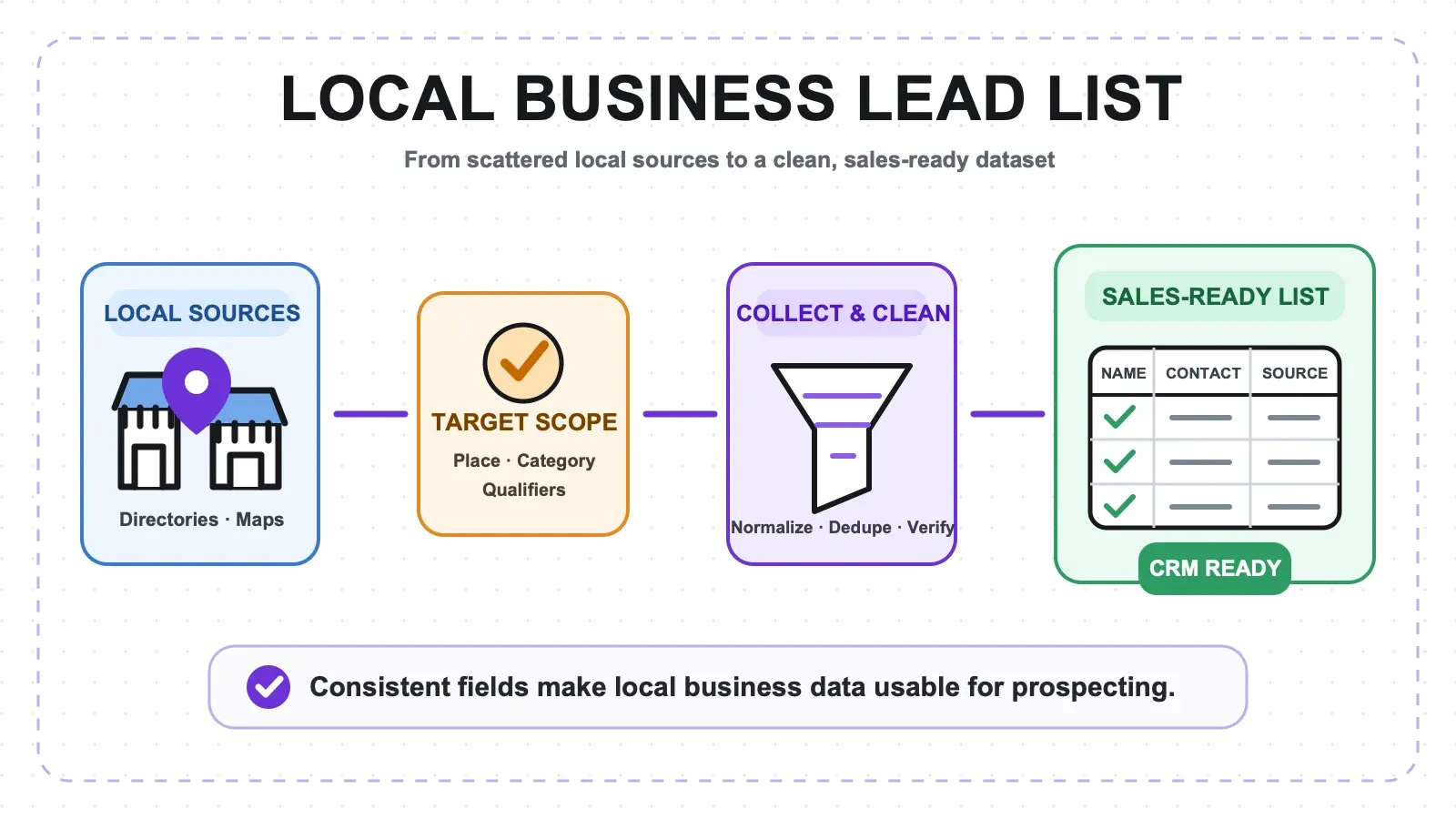
| Sales Lead Generation | Automatically collect contact info from directories or LinkedIn, filling your CRM with fresh leads. Companies saw a 30% increase in qualified leads by automating this process. |
| Price Monitoring (Ecommerce) | Track competitor prices and stock in real time. 81% of retailers use automated price scrapers to stay competitive. |
| Market Research | Aggregate reviews, news, and social media mentions to spot trends and consumer sentiment. |
| Brand Reputation | Collect reviews and social mentions to monitor and improve brand perception. |
| Real Estate Analysis | Pull property listings and prices from sites like Zillow for investment or market research. |
The bottom line? Python scraping saves hours of manual work and delivers insights that would be impossible to gather by hand.
The Challenges of Python Web Scraping for Non-Technical Users
Here’s where things get tricky. While Python is powerful, it’s not always friendly for folks without a coding background. Some common hurdles:
- Coding Skills Required: You need to know Python, understand HTML, and be comfortable debugging errors.
- Script Maintenance: Websites change their layouts all the time. When they do, your script might break and need updating.
- Setup Headaches: Installing Python, libraries, and dependencies can be a pain—especially if you hit version mismatches.
- Anti-Bot Roadblocks: Many sites use CAPTCHAs, rate limits, or IP bans to block scrapers. Handling these requires advanced tricks.
- Time Investment: Writing and debugging a robust scraper can take hours or even days, especially for complex sites.
I’ve heard plenty of stories from business users who tried to learn scraping for a project, only to get stuck when the site changed or the script stopped working. For many, it’s more time-consuming than they bargained for ().
Thunderbit: No-Code Alternative to Python Code for Web Scraping
This is where comes in. As a co-founder and CEO, I’m a little biased—but I genuinely believe Thunderbit is the easiest way for business users to scrape the web without touching a line of code.
Thunderbit is an that lets you extract data by simply describing what you need. Our “AI Suggest Fields” feature reads the page, suggests the best columns to extract, and structures your data automatically. No coding, no setup, just results.
How Thunderbit Simplifies Web Scraping
Here’s what a typical Thunderbit workflow looks like:
- Install the Extension: Add Thunderbit to Chrome from our .
- Open the Target Website: Navigate to the page you want to scrape.
- Click “AI Suggest Fields”: Thunderbit’s AI scans the page and suggests relevant data columns (like “Product Name,” “Price,” “Image”).
- Review or Adjust Fields: Rename, add, or remove columns as needed. You can even add custom instructions for special cases.
- Click “Scrape”: Thunderbit pulls the data into a neat table—handling lists, subpages, and pagination automatically.
- Export Your Data: Download as CSV/Excel, or export directly to Google Sheets, Airtable, or Notion.
Thunderbit also supports subpage scraping (visiting each detail page for more info), cloud scraping (scrape up to 50 pages at once), and scheduled scraping (set it and forget it for daily price checks or lead updates). And yes, you can use it for free on small jobs.
For a deeper dive, check out our or see our .
Comparing Python Code vs. Thunderbit for Web Scraping
Let’s put Python and Thunderbit side by side:
| Criteria | Python Code for Web Scraping | Thunderbit (No-Code AI Tool) |
|---|---|---|
| Ease of Use | Requires programming skills and setup. | Point-and-click interface; anyone can use it. |
| Flexibility | Extremely flexible; can handle any logic if you can code it. | Covers most business use cases; some advanced scenarios may require code. |
| Scalability | Can scale, but you need to manage servers, proxies, etc. | Built-in cloud scraping for up to 50 pages at once; great for most business needs. |
| Maintenance | Scripts break when sites change; you must fix them. | AI adapts to layout changes; minimal maintenance for users. |
| Anti-Bot Handling | You must implement proxies, delays, and other tricks. | Thunderbit handles anti-bot measures behind the scenes. |
| Learning Curve | Steep for non-coders; must learn Python and HTML. | Very gentle; most users get results in minutes. |
| Cost | Python is free, but your time (and possibly developer hours) isn’t. | Free tier available; paid plans for higher volume. |
| Best For | Developers, technical users, or highly custom/large-scale projects. | Business users, sales, marketing, ops, or anyone who wants data quickly and easily. |
In short: Python is unbeatable for custom, complex, or deeply integrated scraping projects—if you have the skills and time. Thunderbit is ideal for business users who want to get data fast, with no headaches or maintenance.
Compliance and Risks: What You Need to Know About Web Scraping
No matter which tool you use, web scraping comes with legal and ethical responsibilities. Here’s what you need to keep in mind:
- Scrape Only Public Data: If you can access it in your browser without logging in or paying, it’s generally fair game. Avoid scraping behind logins or paywalls ().
- Respect Terms of Service and robots.txt: Always check a site’s terms and robots.txt file. If they forbid scraping, you could face bans or legal action.
- Don’t Overload Servers: Space out your requests to avoid harming the site. Many tools (including Thunderbit) have built-in rate limits.
- Avoid Personal Data: Be extra careful with names, emails, or any sensitive info—privacy laws like GDPR and CCPA apply.
- Use Data Responsibly: Don’t republish copyrighted content, and don’t use scraped personal info for spammy marketing.
For a deeper look at compliance, see .
Key Takeaways: Choosing the Right Web Scraping Approach
Let’s recap:
- Python code for web scraping is a powerful way to automate data collection—but it requires programming skills, ongoing maintenance, and a willingness to tinker.
- Python’s strengths are flexibility, scalability, and deep customization. It’s the best choice for developers or teams with unique, complex needs.
- Thunderbit and other no-code tools make web scraping accessible to everyone. With AI-powered field detection, subpage scraping, and instant exports, Thunderbit is perfect for business users who want results without the hassle.
- Compliance matters: Always scrape responsibly—stick to public data, respect site rules, and avoid overloading servers or mishandling personal info.
My advice? Match your tool to your technical comfort and your project’s needs. If you’re a business user who just wants to get data and get on with your day, —you might be surprised how much you can accomplish in just a few clicks. And if you’re a developer who loves to code, Python’s your playground.
Want to dig deeper? Check out the for more guides, or explore our .
FAQs
1. What is Python code for web scraping?
Python code for web scraping refers to using Python scripts to automatically collect and extract data from websites. It’s like having a programmable robot that fetches and organizes online information for you.
2. Why is Python so popular for web scraping?
Python is popular because of its readable syntax, powerful libraries (like BeautifulSoup, Scrapy, and Requests), and strong community support. It’s flexible enough to handle everything from simple sites to complex, dynamic web apps.
3. What are the main challenges of using Python for web scraping?
The biggest challenges are the need for coding skills, ongoing script maintenance (sites change often), handling anti-bot measures, and the time investment required to set up and debug scripts.
4. How does Thunderbit compare to Python code for web scraping?
Thunderbit is a no-code, AI-powered Chrome extension that lets users extract web data by clicking a few buttons—no programming required. It’s ideal for business users who want fast results without the hassle of coding or maintenance.
5. Is web scraping legal?
Web scraping is generally legal when you collect publicly available data and respect the website’s terms of service, robots.txt, and privacy laws. Always avoid scraping behind logins, overloading servers, or collecting personal data without consent.
Ready to see what web scraping can do for your business? and start turning the web into actionable data—no Python required.