

If you’d told me five years ago that my sales team would spend more time talking to AI than to prospects, I’d have laughed and asked if the robots were going to buy our product too. But here we are in 2026, and the lead generation process has transformed from a grind of endless cold calls and mind-numbing spreadsheets into something that actually feels… well, smart.
These days, the best sales teams aren’t just working harder—they’re working with AI, letting data and automation do the heavy lifting while they focus on building real relationships.
I’ve seen this shift up close, both as a founder and as someone who’s spent way too many late nights trying to wrangle messy lead lists. The old “spray and pray” approach—blast out a thousand emails and hope for a nibble—is fading fast. Now, it’s all about precision: finding the right sales leads, at the right time, with the right signals that say, “Hey, I’m actually interested.” In this guide, I’ll walk you through what the modern lead generation process looks like, why it matters, and how tools like Thunderbit can help you generate leads online faster (and smarter) than ever before.
What is the Lead Generation Process? A 2026 Perspective
Let’s start simple: the lead generation process is how you attract and convert potential customers—your sales leads—into real opportunities for your business. In practice, that means getting people interested in what you offer, capturing their information, and then guiding them (gently, not like a used car salesman) toward becoming paying customers.
But here’s what’s changed: in 2026, lead generation isn’t about stuffing your pipeline with as many names as possible. It’s about quality over quantity. The process now typically looks like this:
- Attract: Use content, ads, social media, and digital channels to get noticed.
- Capture: Collect info via forms, sign-ups, or (increasingly) by scraping public data from places like LinkedIn or company directories.
- Qualify: Decide if these leads are actually a good fit.
- Nurture: Build a relationship until they’re ready to buy.
The big shift? Most of this now happens online, and AI is at the center of it all. Instead of cold-calling your way through a phone book, you’re using smart tools to find and engage the right people, at the right companies, at the right time. And you’re doing it with data—not just gut instinct.
In fact, 61% of B2B marketers say that finding high-quality leads is their biggest challenge, and 44% of sales reps complain about poor inbound lead quality. The takeaway? The days of “more is better” are over. It’s about finding the right leads, not just more leads.
Why the Lead Generation Process Matters for Sales Teams
Scrape sales leads with AI Get Started Free
Let’s be honest: a good lead generation process is the lifeline of any sales team. If you’re not feeding your pipeline with the right prospects, you’re basically showing up to a potluck with an empty casserole dish. No one’s impressed, and you’re not closing deals.
Here’s why getting this right is so important:
- Higher ROI and Lower Costs: When you focus on qualified leads, your salespeople spend time on prospects who are actually likely to buy. Companies that excel at nurturing and qualifying leads generate 50% more sales-ready leads at 33% lower cost.
- Faster Sales Cycles: Identifying high-intent buyers early means you close deals faster. Nurtured leads produce a 20% increase in sales opportunities.
- Improved Lead Quality & Conversion Rates: Proper qualification means you’re talking to the right people. Without it, 80% of new leads never translate into sales.
- Competitive Advantage: In today’s market, speed-to-lead is crucial. Responding within five minutes makes you up to 21 times more likely to qualify a lead than waiting an hour.
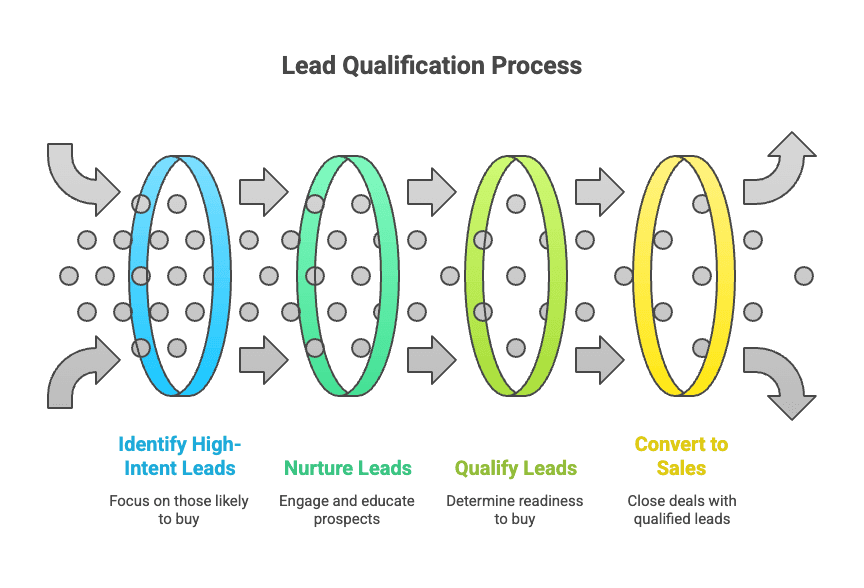
Here’s a quick table to sum up the benefits:
| Key Benefit | What It Means for Sales (Use Case) |
|---|---|
| Higher ROI on Marketing | Less spend wasted on unqualified leads; invest in campaigns that yield sales-ready leads. |
| Steady Pipeline Growth | Continuous flow of new prospects; avoids dry spells and helps sales hit quotas consistently. |
| Shorter Sales Cycles | Focus on high-intent leads who convert faster; reps spend time with educated buyers. |
| Improved Conversion Rates | Better lead qualification means a higher percentage of leads turn into customers. |
| Sales & Marketing Alignment | Shared definitions of a qualified lead; smooth handoff process increases win rates. |
| Competitive Advantage | Use of AI and automation to respond quickly and personalize outreach at scale. |
If you want to dig deeper, check out this breakdown of lead generation benefits.
Comparing Lead Generation Solutions: AI vs. Traditional Methods
Let’s talk tools. Not all lead generation methods are created equal. Here’s what most sales teams have in their toolbox:
- Manual Research: Old-school prospecting by hand. Think hours on LinkedIn, Google, or—if you’re feeling retro—Yellow Pages.
- Buying Lists: Purchase a database of leads. Fast, but often outdated and shared with your competitors.
- Inbound Marketing: Web forms, content, and SEO. Great for warm leads, but slow to build.
- AI-Powered Tools (like Thunderbit): Use AI to scrape, structure, and enrich leads from anywhere online in seconds.
Here’s how they stack up:
| Method | Speed | Accuracy & Data Quality | Data Depth | Ease of Use |
|---|---|---|---|---|
| Manual Research | Slow | Moderate (human error) | Varies | Low (laborious) |
| Buying Lists | Fast | Low–Moderate (often stale) | Basic | Easy |
| Inbound Marketing | Slow build | High (self-entered) | Varies | Moderate |
| AI-Powered Tools | Very Fast | High (real-time, fresh) | Rich (multi-field) | High |
AI-driven solutions like Thunderbit are changing the game (oops, I mean, “rewriting the playbook”). With Thunderbit, you can scrape sales leads from LinkedIn, company directories, or job boards in seconds, and the AI does the structuring for you. No more copy-pasting until your fingers cramp.
For a deeper dive into the pros and cons of each method, check out this comparison.
Step 1: Define Your Ideal Sales Leads
Before you start scraping the web or blasting emails, you need to know who you’re actually trying to reach. This is where most teams go wrong—they cast too wide a net and end up with a bucket of fish they can’t sell to.
Start with two things:
- Ideal Customer Profile (ICP): What does your perfect customer look like? Think company size, industry, location, tech stack, and budget. For example: “Mid-market SaaS companies in North America with 100–500 employees using cloud infrastructure.” Here’s a great primer on ICPs.
- Buyer Personas: Who are the actual people you’re selling to? The IT director? The VP of Sales? Define their roles, pain points, and what keeps them up at night.
Key data points to profile:
- Firmographics: Company attributes (industry, size, revenue, etc.)
- Technographics: What tools or platforms do they use?
- Behavioral Signals: Are they hiring? Did they just raise funding? Are they launching new products?
Thunderbit’s AI can help here. Instead of spending weeks researching, you can use Thunderbit to scrape business directories or LinkedIn for companies that match your ICP, and the AI will even suggest which data fields to gather. It’s like having a research assistant who never sleeps (or complains about coffee).
Step 2: Find Leads Online Using Modern Tools
Now that you know who you want, it’s time to find them. In 2026, the best sales leads are hiding in plain sight—on LinkedIn, company websites, industry directories, and job boards.
Top channels for finding B2B leads online:
- LinkedIn: Still the king for B2B. 44% of B2B marketers say it’s their top platform. Use LinkedIn’s filters to zero in on your targets, then let Thunderbit scrape the results for you.
- Company Websites & Directories: Many industries have online directories or association lists. Job boards are goldmines too—if a company is hiring for a role related to your product, that’s a buying signal.
- Social Media & Forums: Twitter/X, Reddit, or niche communities can reveal prospects asking for recommendations or discussing pain points.
- Inbound Sources: Don’t forget your own web traffic—form fills, demo requests, or content downloads.
How Thunderbit helps:
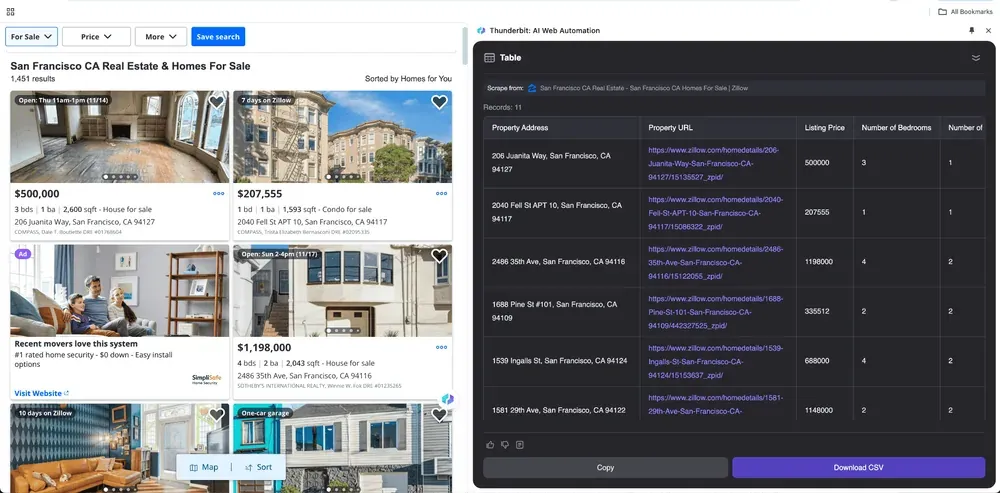
With the Thunderbit Chrome Extension, you can visit any of these sources, click “AI Suggest Fields,” and the AI will read the page and recommend which columns to extract (name, title, company, email, etc.). Then hit “Scrape,” and you’ve got a structured table ready to export to Excel, Google Sheets, Airtable, or Notion.
Want to see it in action? Start with Thunderbit’s Website Contact Scraper to collect public contact details from company sites and directories in a structured table.
Using AI to Uncover Hidden Sales Opportunities
Here’s where things get fun. AI isn’t just about finding names—it’s about spotting the signals that say, “This company is ready to buy.” Thunderbit can detect:
- Trigger Events: New funding, hiring sprees, leadership changes, product launches.
- Behavioral Signals: Job postings that hint at new initiatives, press releases, or even a CEO dropping hints in an interview.
By scraping not just the main page but also subpages (like press releases or blog sections), Thunderbit can enrich your leads with context—so when you reach out, you’re not just another cold email. You’re the person who noticed they just opened a new office in Austin and might need your solution. That’s how you get 7× higher conversion rates.
Try Thunderbit for AI-Powered Lead Generation
Step 3: Qualify and Score Your Sales Leads
Not every lead is created equal. After you’ve gathered a list, you need to qualify and score them—otherwise, your sales team will waste time chasing dead ends.
Classic frameworks:
- BANT: Budget, Authority, Need, Timeline.
- CHAMP: Challenges, Authority, Money, Priority.
Ask yourself: Does this company need what we offer? Is the contact a decision-maker? Do they have the budget? Is there urgency?
Lead scoring:
Assign points based on fit and engagement. For example, +5 if they’re in your target industry, +10 if they visited your pricing page. In 2026, AI-driven lead scoring is common—AI analyzes hundreds of data points and predicts which leads are most likely to convert (more on predictive scoring here).
Thunderbit makes this easier by enriching your leads with all the data you need—company size, tech stack, recent news—so you can plug them into your CRM’s scoring model or even use simple “Hot/Warm/Cold” tags for a quick start.
Step 4: Nurture and Engage Your Leads Online
Here’s the truth: most leads aren’t ready to buy the first time you contact them. Lead nurturing is about building a relationship—educating, answering questions, and staying top-of-mind until they’re ready.
Best practices for nurturing in 2026:
- Personalized Email Sequences: Set up drip campaigns tailored to each lead’s interests or stage. Use the data you scraped (industry, role, pain points) to personalize every touch. 91% of marketers believe personalization drives sales.
- Targeted Content & Social Engagement: Share relevant blogs, invite leads to webinars, and engage with them on LinkedIn. 73% of B2B marketers say webinars produce high-quality leads.
- Timely Follow-ups: It often takes 5–7 touches to get a response. Don’t give up after one email.
- Sales & Marketing Alignment: Make sure marketing provides the right content for sales to use in nurturing, and that sales shares feedback on what’s working.
Thunderbit’s enriched data lets you segment and personalize at scale. If you know a lead’s company just raised funding, you can send a congrats email and offer a relevant case study. That’s how you stand out from the noise.
Step 5: Handoff to Sales and Track Lead Generation Results
The last mile: turning nurtured, qualified leads into real sales opportunities. This is where a lot of teams drop the ball—don’t let your hard-won leads fall into a black hole.
Best practices:
- Seamless Handoff: When a lead is ready, transfer all relevant info to the sales rep—company details, engagement history, notes from SDRs. No one likes repeating themselves.
- Fast Follow-up: Respond within minutes if possible. Contacting a lead within five minutes makes you 21 times more likely to qualify them.
- Integration with Sales Tools: Thunderbit lets you export data directly to Excel, Google Sheets, Airtable, or Notion, making it easy to import leads into your CRM.
- Track Metrics: Monitor conversion rates, response times, cost per lead, and source performance. Set up dashboards to spot trends and optimize your process.
And don’t forget: every lead should eventually be marked as “won, lost, or recycle.” No lead left behind!
Thunderbit vs. Other Lead Generation Tools: What Sets It Apart?
There are plenty of tools out there for generating sales leads online. So what makes Thunderbit different?
| Tool / Solution | Approach | Key Strengths | Limitations / Considerations |
|---|---|---|---|
| Thunderbit (AI Web Scraper) | AI-powered scraping of any website | Flexible, custom targeting; AI automation; real-time data; easy export; cost-effective; deep enrichment | Requires a target source; may need email/phone verification |
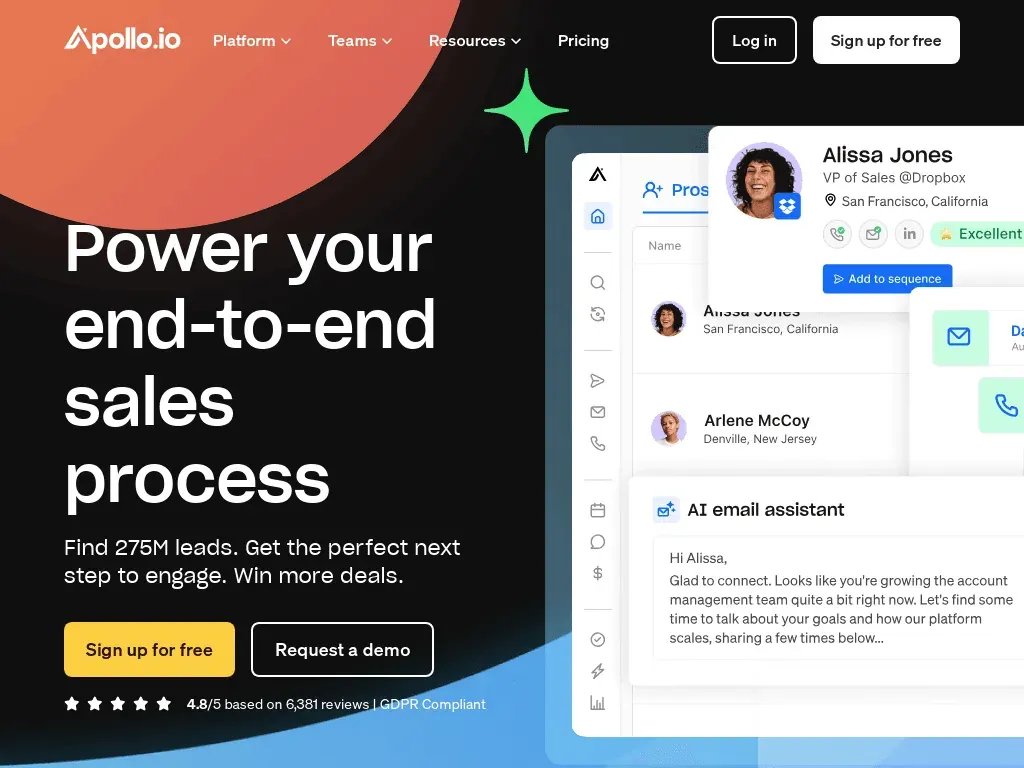
| Apollo.io | B2B contact database + outreach | Massive database; all-in-one platform; granular filters; affordable | Data can be outdated; shared data; limited customization |
| Cognism | B2B data provider (focus on EMEA) | High-quality, verified data; compliance; strong in Europe; integrations | Premium pricing; coverage gaps in US; less DIY flexibility |
| Mailshake | Email outreach/sequencing | Easy to use; good deliverability tools; analytics; multi-channel engagement | No lead data included; limited enrichment; scale constraints |
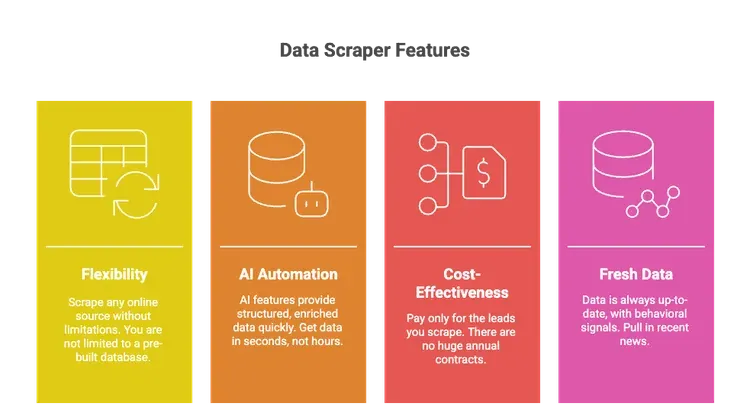
What sets Thunderbit apart?
- Flexibility: Scrape any online source—LinkedIn, directories, event attendee lists, you name it. You’re not limited to a pre-built database.
- AI Automation: Features like “AI Suggest Fields” and subpage scraping mean you get structured, enriched data in seconds, not hours.
- Cost-Effectiveness: Only pay for the leads you scrape. No huge annual contracts.
- Fresh, Contextual Data: Always up-to-date, with the ability to pull in behavioral signals and recent news.
Many teams use Thunderbit alongside other tools—scrape targeted lists with Thunderbit, then use Apollo for broader outreach, and Mailshake for sequencing. It’s all about building the right stack for your needs.
For a more detailed comparison, see this breakdown.
Key Takeaways: Mastering the Lead Generation Process in 2026
Read more AI-powered sales tips Get Started Free
Let’s wrap up with the essentials:
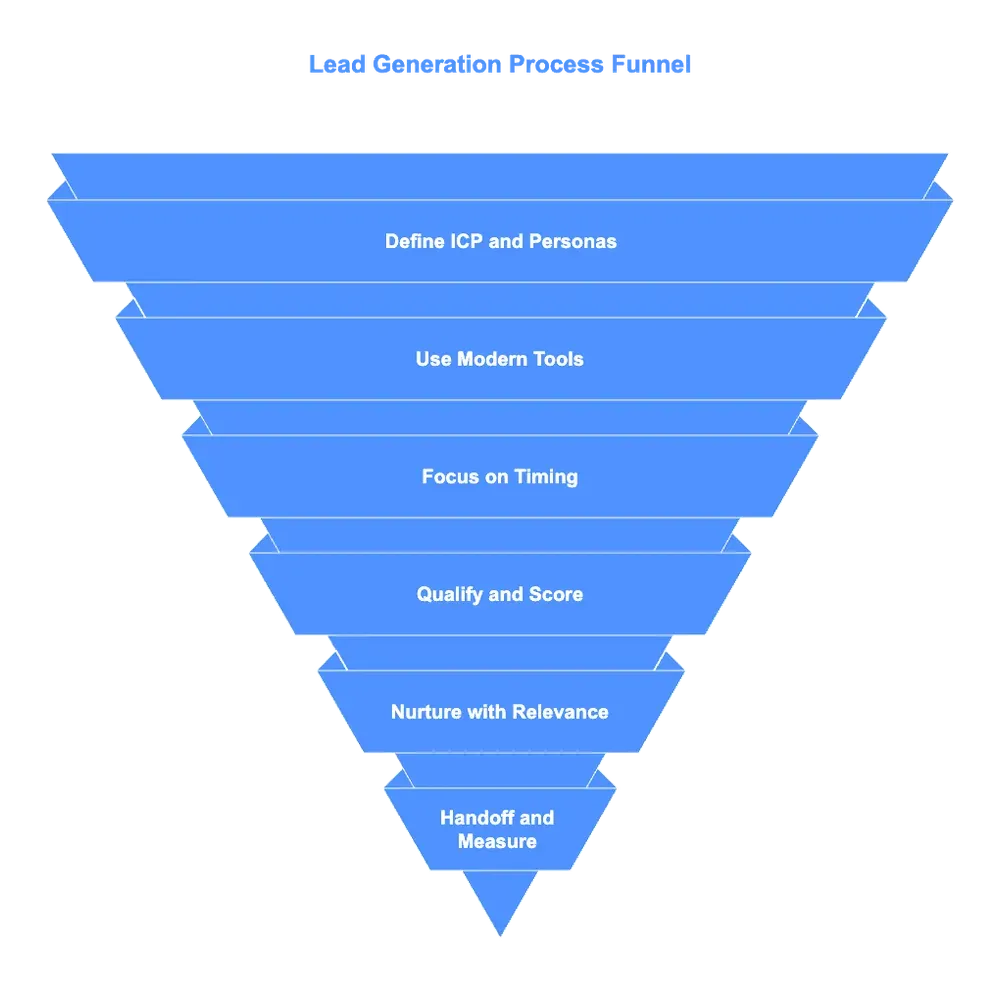
- Start with a plan: Define your ICP and buyer personas. Quality beats quantity every time.
- Use modern tools: AI and automation are now table stakes. 72% of companies use AI in at least one business function.
- Focus on timing and signals: The best leads are both a fit and “in market” now. Use AI to detect buying intent.
- Qualify and score: Don’t treat all leads the same. Use frameworks and predictive scoring to prioritize.
- Nurture with relevance: Personalize your outreach, align sales and marketing, and keep the conversation going.
- Handoff and measure: Ensure a smooth transition to sales and track everything. Optimize based on real results.
- Stay agile: The landscape is always changing. Keep learning and adapting.
The bottom line? Mastering the lead generation process in 2026 means blending timeless sales fundamentals with cutting-edge AI and automation. Tools like Thunderbit give you the edge to find, qualify, and engage the right sales leads online—before your competitors even know they exist.
Ready to see how easy it can be? Download Thunderbit’s Chrome Extension and start building your next pipeline of high-quality leads. And if you want more tips, check out our Thunderbit Blog for the latest on AI-powered sales, web scraping, and more.
Happy lead hunting—and may your pipeline always be full (with the right leads, of course).
Try Thunderbit AI Web Scraper for Lead Generation Get Started Free
FAQ
1. How has the lead generation process changed by 2026?
By 2026, lead generation has evolved from mass cold outreach and manual spreadsheets to a smarter, AI-driven approach. Sales teams now focus on quality over quantity, using automation and real-time data to identify and engage high-potential leads more efficiently.
2. Why is AI so important in modern lead generation?
AI plays a crucial role by automating time-consuming tasks like data scraping, lead enrichment, and scoring. It helps identify buying signals, improves targeting accuracy, and enables personalized outreach at scale—allowing sales reps to focus on building real relationships.
3. What are the key steps in an effective lead generation strategy?
A modern lead generation strategy includes: defining your Ideal Customer Profile (ICP) and buyer personas, finding leads using digital tools, qualifying and scoring those leads, nurturing them with personalized content, and seamlessly handing them off to sales for follow-up.
Learn more:
- Thunderbit Chrome Extension Download: Chrome Extension Download
- Thunderbit Blog: AI-Powered Lead Gen Tips
- Apollo.io Pricing: How to Build a Lead Gen Machine
- HubSpot Lead Generation Guide: The Ultimate Guide to Lead Generation
- SalesHandy Lead Generation Statistics: Cold Outreach Effectiveness




