Outbound outreach. It’s one of those phrases that gets tossed around in sales meetings, marketing playbooks, and every “how to grow your pipeline” webinar. But let’s be honest—ask five people what it means, and you’ll get seven answers (and probably a few groans about cold emails). Yet, even as inbound marketing gets all the buzz, outbound outreach remains a powerhouse for driving new business. In fact, over still rely on outbound outreach as a core part of their revenue engine.
So, what exactly is outbound outreach? How does it differ from inbound? Why does it still matter in 2025, and how can modern tools—like Thunderbit—make it not just bearable, but actually effective (and maybe even fun)? Let’s break it all down, with real-world examples, practical strategies, and a few stories from the front lines of sales and operations.
Outbound and Outreach: What Do They Really Mean?
Let’s clear up the confusion right away. In business, outbound is all about you making the first move. Think of it as the digital equivalent of walking up to someone at a networking event and saying, “Hi, I think we should talk.” Outbound outreach means your team is proactively reaching out to prospects who haven’t (yet) raised their hand—using channels like cold emails, phone calls, LinkedIn messages, or even direct mail.
On the flip side, inbound is when prospects come to you. Maybe they found your blog, downloaded an eBook, or filled out a demo request. You’re responding to their interest, not initiating the conversation.
Outreach is the set of activities you use to connect with those prospects—sending that email, making that call, or pinging them on LinkedIn. So, outbound outreach is the art and science of systematically reaching out to new leads, often before they even know they need you.
Here’s a simple example:
- Outbound Outreach: You build a list of target companies and send personalized emails to their decision-makers.
- Inbound: A decision-maker finds your website via Google, reads a case study, and requests a demo.
Why does this distinction matter? Because outbound requires a different mindset, skill set, and toolkit. It’s more targeted, more proactive, and—done right—can open doors you didn’t even know existed.
Why Outbound Outreach Still Matters for Sales and Operations
Despite the rise of inbound marketing, outbound outreach is far from obsolete. In fact, it’s often the fastest way to break into new markets, reach untapped audiences, and accelerate your sales cycle. Recent data shows that comes directly from outbound efforts by sales development reps (SDRs). That’s a third (or more) of your potential revenue on the line.
Why does outbound work so well?
- Control: You choose who to contact and when, targeting your ideal customer profile (ICP) instead of waiting for them to find you.
- Speed: Outbound campaigns can generate conversations in days, while inbound strategies like SEO or content marketing might take months to gain traction.
- Market Expansion: Outbound lets you reach prospects who aren’t actively searching for your solution—think of it as “fishing with a spear” instead of a net.
Here’s a quick table of common outbound outreach use cases for sales and operations teams:
| Use Case | How Outbound Outreach Helps |
|---|---|
| Breaking into new markets | Target specific industries or geographies |
| Filling pipeline gaps | Proactively source leads when inbound is slow |
| Launching new products | Reach early adopters before competitors do |
| Account-based selling | Engage high-value accounts with tailored outreach |
| Recruiting partners or vendors | Identify and approach strategic collaborators |
| Competitive displacement | Target users of competitor products directly |
In short, outbound outreach gives you the steering wheel. Instead of waiting and hoping, you’re driving the conversation.
Outbound Outreach vs. Inbound: Key Differences Explained
Let’s get practical. Here’s how outbound and inbound stack up:
| Aspect | Outbound Outreach (Seller-Initiated) | Inbound Marketing/Sales (Buyer-Initiated) |
|---|---|---|
| Who initiates contact | Salesperson | Prospect |
| Lead source | Targeted lists, research, scraping | Content, SEO, referrals |
| Prospect awareness | Usually “cold” | “Warm”—already interested |
| Channels | Cold email, calls, LinkedIn, direct mail | Content marketing, ads, webinars, SEO |
| Control & targeting | High—you pick who, when, and how | Lower—reactive to who finds you |
| Speed of results | Fast—immediate conversations possible | Slower—builds over time |
| Cost per lead | Often higher, but immediate | Lower, but requires upfront investment |
| Personalization | One-to-one, highly targeted | One-to-many, personalization comes later |
| Skill focus | Prospecting, research, persistence | Content creation, nurturing |
| Example | Cold-calling CFOs; tailored email sequence | Inbound demo request from blog reader |
Neither approach is “better” universally—they serve different purposes. The most successful teams blend both. Outbound is your go-to when you need to break into new markets or hit aggressive targets, while inbound is great for capturing active buyers.
How Thunderbit Supercharges Outbound Outreach
Now, let’s talk about making outbound outreach not just possible, but powerful. One of the biggest bottlenecks in outbound is the grunt work: researching prospects, finding accurate contact info, and organizing it all for outreach. That’s where comes in.
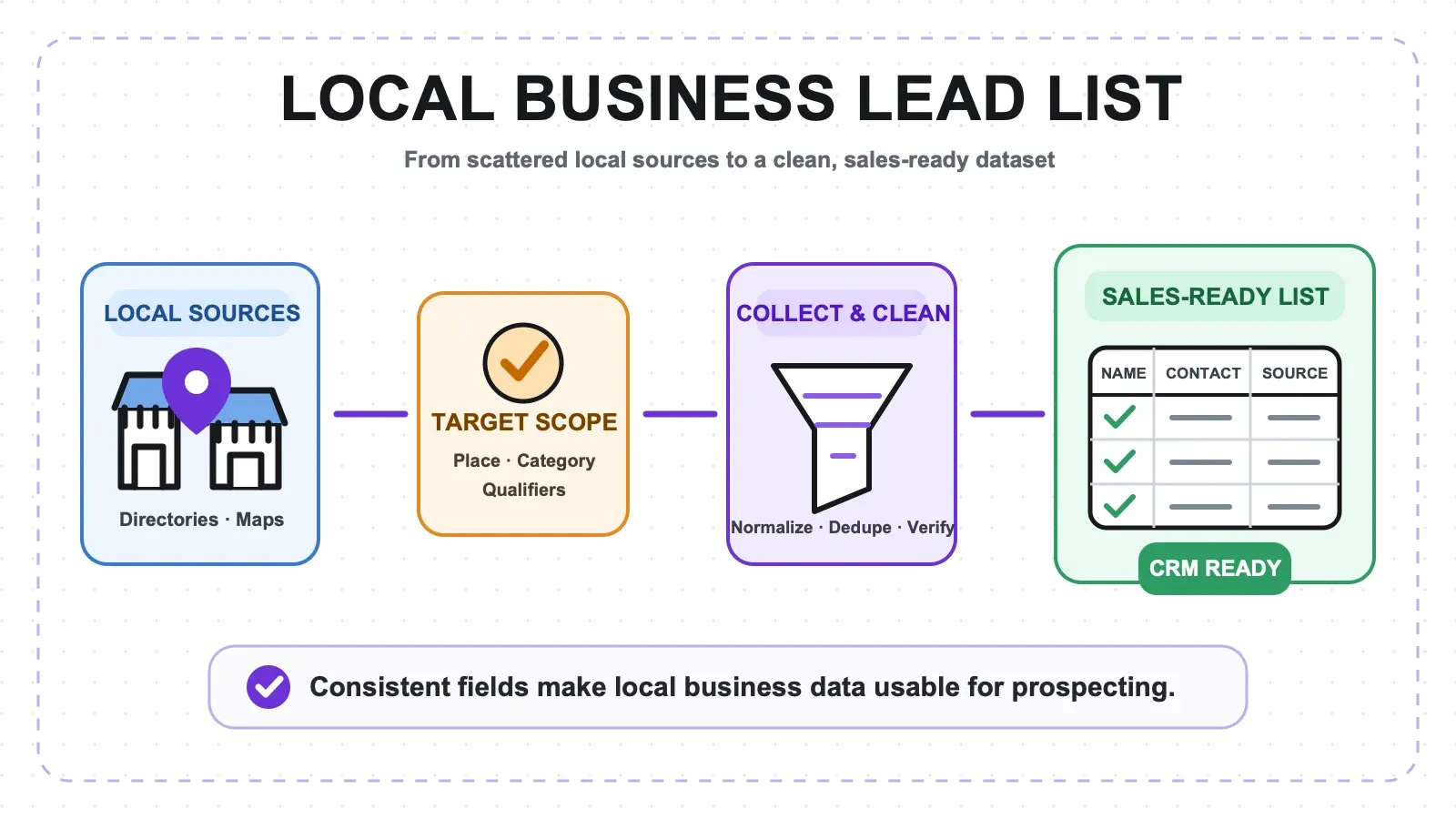
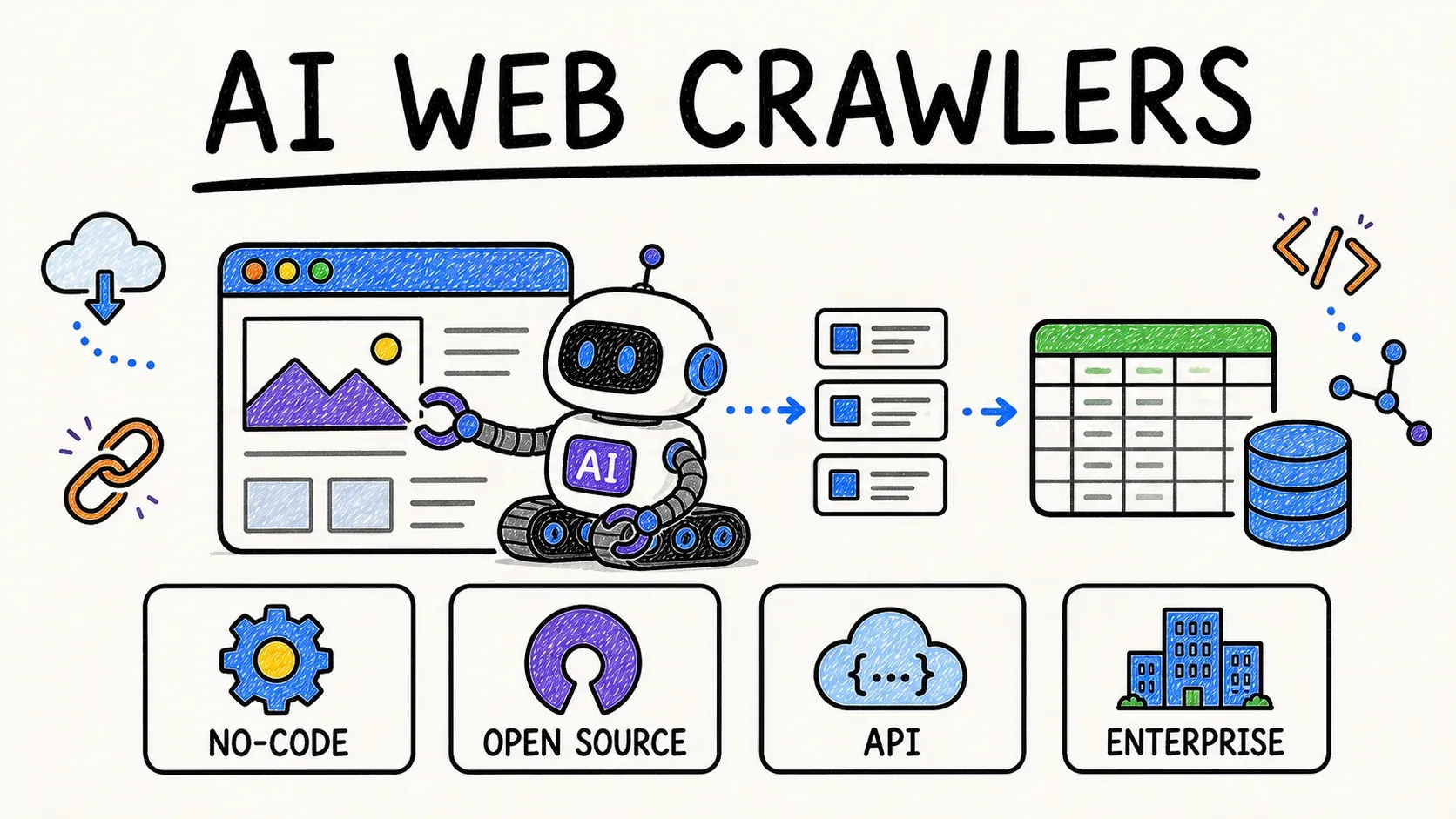
Thunderbit is an that acts like a tireless research assistant. It reads any website, extracts structured data (names, emails, titles, you name it), and helps you build targeted lead lists in minutes—not hours.
Using Thunderbit for Lead Research and Segmentation
Here’s how Thunderbit fits into your outbound workflow:
- Find Your Target Source: Maybe it’s a trade association directory, a conference attendee list, or a niche forum.
- Open Thunderbit: With one click, use “AI Suggest Fields”—Thunderbit’s AI scans the page and recommends the best columns to extract (like “Company Name,” “Contact Email,” “Job Title”).
- Scrape and Segment: Thunderbit pulls all the data into a neat table. You can even add custom AI prompts to categorize leads by industry, role, or any other criteria.
- Go Deeper with Subpage Scraping: Need more details? Thunderbit can automatically visit each subpage (like individual profiles) and enrich your table with extra info—no manual clicking required.
- Export and Outreach: Send your lead list straight to Google Sheets, Airtable, Notion, or Excel. From there, import into your CRM or outreach tool and start your campaign.
What makes Thunderbit stand out? It’s not just about speed—it’s about precision. You can get as niche as you want (“only U.S.-based Shopify stores with a public email”), and the AI helps you structure and segment your data for hyper-targeted outreach.
And yes, it even works on tricky sites with pagination, infinite scroll, or contact info hidden in images or PDFs (thanks to built-in OCR). If you’ve ever tried to copy an email from a scanned conference badge, you know how magical that feels.
Common Outbound Outreach Challenges (and How to Solve Them)
Let’s be real: outbound outreach isn’t easy. Here are the biggest hurdles I see—and how modern teams (and tools) are tackling them:
Overcoming Data Shortages and Quality Issues
The Problem: “We don’t have enough good leads,” or “Our contact data is outdated.” Sound familiar? You’re not alone— say identifying quality leads is their top struggle.
Why It Matters: Bad data means wasted time, missed opportunities, and lower conversion rates.
How to Fix It:
- Refresh and verify data regularly. Use email verification tools to keep bounce rates low.
- Scrape from multiple sources. Don’t rely on a single database—use Thunderbit to pull fresh contacts from the web, events, or industry lists.
- Use AI for enrichment. Thunderbit can fill in missing info, categorize leads, and even translate data on the fly.
- Focus on your ICP. Target quality over quantity. A smaller, well-qualified list will always outperform a massive, random one.
Streamlining Communication and Channel Management
The Problem: “We’re juggling email, phone, LinkedIn, and it’s chaos.” Multi-channel outreach is powerful, but it can get messy fast.
Why It Matters: Disorganized outreach leads to missed follow-ups, duplicate touches, and a poor prospect experience.
How to Fix It:
- Use a sales engagement platform (like Outreach.io, Salesloft, or HubSpot Sequences) to orchestrate multi-channel cadences.
- Centralize your data in a CRM. Log every touchpoint, so you always know where each prospect stands.
- Set clear cadences. Define how many touches, on which channels, and over what time frame.
- Automate where possible. Let tools handle reminders, scheduling, and logging, so your team can focus on conversations.
Personalization and Engagement Hurdles
The Problem: “Our emails feel generic, and prospects ignore us.” In the age of automation, personalization is the secret sauce.
Why It Matters: Personalized emails generate a .
How to Fix It:
- Do your homework. Use Thunderbit to gather unique insights—like recent news, awards, or LinkedIn posts—to reference in your outreach.
- Segment your messaging. Tailor templates by industry, role, or trigger event.
- Leverage AI writing assistants. Tools like Lavender or Regie.ai can help draft personalized intros at scale.
- Focus on the prospect’s pain. Make your message about them, not you.
Measuring Outbound Outreach Success: Metrics That Matter
You can’t improve what you don’t measure. Here are the KPIs that matter most for outbound outreach:
Quantitative Metrics: Tracking the Numbers
| Metric | What It Means | Good Benchmarks |
|---|---|---|
| Outreach Volume | # of prospects contacted | Varies by team/market |
| Email Open Rate | % of emails opened | 20–30% |
| Reply Rate | % of prospects who reply (any response) | 1–5% (cold), higher if targeted |
| Meeting Booking Rate | % of contacts who schedule a meeting | 2–4% |
| Lead-to-Opportunity Rate | % of leads that become qualified opportunities | 10–15% (B2B SaaS average) |
| Win Rate | % of opportunities that close | 15–30% (outbound-specific) |
| Pipeline Generated | $ value of opportunities created | $3M/year per SDR (median) |
Track these weekly or monthly, and look for bottlenecks. Is your reply rate low? Maybe your targeting or messaging needs work. Lots of meetings but few deals? Maybe qualification needs tightening.
Qualitative Metrics: Assessing Engagement and Satisfaction
- Response quality: Are replies positive, negative, or neutral?
- Engagement level: Are prospects showing up to meetings, asking questions, or ghosting?
- Time to respond: Are you (and your prospects) replying quickly?
- Prospect feedback: What do prospects say about your outreach? Are you getting “I usually ignore cold emails, but…” responses?
- Pipeline progression: Are outbound-sourced leads moving through the funnel, or stalling out?
Combine these with your quantitative metrics for a full picture. Sometimes, a handful of high-quality conversations is worth more than a mountain of “not interested” replies.
Thunderbit in Action: Real-World Outbound Outreach Success Stories
Let’s get specific. Here are a few ways Thunderbit has helped teams level up their outbound outreach:
1. Quadrupling Outreach Volume for a SaaS Sales Team
A B2B SaaS company’s SDRs were spending 10+ hours a week just researching leads. After adopting Thunderbit, they scraped targeted lists from industry directories and event pages in minutes. Outreach volume jumped from 50 to 200 leads per rep per week—without burning out the team. Cold email reply rates doubled, and the team generated 40% more qualified opportunities in a single quarter.
2. Reducing Burnout and Improving Follow-Up Consistency
A marketing agency struggled to keep up with multi-channel outreach. By using Thunderbit to keep their lead lists fresh (scraping new job postings weekly) and integrating with a sequencing tool, they ensured every prospect got 5+ touches over three weeks. Meeting bookings increased by 50%, and reps reported less stress and more time for real conversations.
3. Personalization at Scale for a Consulting Firm
A consulting firm used Thunderbit to scrape company news and About pages for personalization fodder. With AI writing assistants, they crafted emails that referenced each prospect’s recent achievements (“Congrats on expanding to Singapore!”). The result? A 15% response rate and several new clients who said the outreach “didn’t feel cold at all.”
These aren’t just feel-good stories—they’re proof that combining smart strategy with the right tools can transform outbound from a slog into a growth engine.
Best Practices for Building a Winning Outbound Outreach Strategy
Ready to up your outbound game? Here’s my checklist:
- Define your ICP and segment your audience. Get specific—industry, size, role, trigger events.
- Build high-quality lists from multiple sources. Use Thunderbit to scrape fresh, targeted leads and enrich your data.
- Craft a multi-touch cadence. Plan 5+ touches across email, phone, and social over 2–3 weeks.
- Personalize every message. Reference something unique, focus on the prospect’s pain, and add value.
- Leverage technology wisely. Use Thunderbit for research, a CRM for tracking, and a sequencing tool for execution.
- Train your team and share what works. Role-play calls, swap winning templates, and keep learning.
- Measure, iterate, and improve. Track your KPIs, analyze what’s working, and refine your approach.
- Stay compliant and respectful. Follow regulations, honor opt-outs, and play the long game.
Outbound isn’t about brute force—it’s about working smarter, not harder.
Conclusion: Outbound Outreach in the Modern Sales Toolkit
Outbound outreach is alive, well, and more important than ever. It’s your ticket to reaching prospects who aren’t coming inbound, filling pipeline gaps, and accelerating growth. But the game has changed—today’s outbound is data-driven, personalized, and powered by AI tools like .
By automating the grunt work, enriching your data, and enabling hyper-targeted outreach, Thunderbit helps your team focus on what really matters: building relationships and closing deals. Whether you’re a sales rep, marketer, or operations leader, outbound outreach belongs in your toolkit—and with the right strategy and technology, it can be your unfair advantage.
Curious to see Thunderbit in action? and start building smarter lead lists today. And if you’re hungry for more tips, check out the for deep dives on sales, automation, and AI.
FAQs
1. What’s the difference between outbound and outreach?
Outbound is the strategy of proactively reaching out to prospects who haven’t expressed interest yet. Outreach refers to the actual activities—emails, calls, messages—you use to make contact. Outbound outreach is the combination: systematically initiating conversations with new leads.
2. Why is outbound outreach still important in 2025?
Outbound outreach accounts for for many teams. It lets you target specific markets, accelerate sales cycles, and reach prospects who aren’t coming inbound.
3. How does Thunderbit improve outbound outreach?
Thunderbit automates prospect research and data extraction, helping you build targeted lead lists quickly. Its AI can segment, enrich, and structure data, making your outreach more precise and effective.
4. What are the biggest challenges in outbound outreach?
Common hurdles include finding accurate data, managing multi-channel communication, and personalizing messages at scale. Modern tools like Thunderbit, CRMs, and sequencing platforms help teams overcome these challenges.
5. How do I measure outbound outreach success?
Track both quantitative metrics (reply rate, meetings booked, pipeline generated) and qualitative feedback (response quality, engagement level). Use these insights to refine your targeting, messaging, and cadence for continuous improvement.
Outbound outreach isn’t just about sending more emails—it’s about sending the right emails, to the right people, at the right time. With a little help from AI (and maybe a strong cup of coffee), you can turn cold outreach into warm opportunities. Happy prospecting!
Learn More