How to Master Search Engine Scraping: A Complete Guide

Last Updated on October 30, 2025

Search engines have become the front page of the internet—and for modern businesses, they’re also the world’s biggest, messiest, and most valuable data source. Whether you’re tracking competitors, hunting for leads, or just trying to keep up with shifting market trends, the information living inside Google, Bing, and other search engines is pure gold. But here’s the catch: manually copying search results is about as fun as watching paint dry, and about as scalable as a lemonade stand in a snowstorm.

That’s where search engine scraping comes in. I’ve seen firsthand how teams that master this skill can unlock insights, automate research, and outmaneuver the competition. But I’ve also seen folks run into legal headaches, technical roadblocks, and a whole lot of “Why did Google just block me?” moments. So, if you’re ready to turn search engines into your own business intelligence feed—without stepping on legal landmines or losing sleep over CAPTCHAs—let’s dive into how to master search engine scraping in 2025.

What is Search Engine Scraping? A Simple Explanation

Let’s break it down: search engine scraping is the process of using automated tools to extract search results data—think titles, URLs, snippets, rankings—from engines like Google or Bing. Imagine having a robot intern who can type your query into Google, copy every result, and paste it into a spreadsheet for you. That’s search engine scraping in a nutshell.

Instead of manually scrolling and copying, a scraper “reads” the HTML of the search engine results page (SERP) and pulls out the info you care about. For example, you might want the top 100 Google results for “best CRM software,” including the title, URL, and snippet for each. Advanced scrapers can even grab “People Also Ask” questions, featured snippets, images, or ad placements.

How does it work? Under the hood, a scraper sends a request to the search engine, pretending to be a regular browser. It then parses the returned HTML, extracting structured data. The magic is that you can do this for hundreds (or thousands) of queries in the time it would take a human to copy-paste just one page of results ().

Top business use cases:

  • SEO tracking: Monitor your website’s Google ranking for target keywords.
  • Competitor research: See where and how your rivals appear in search.
  • Lead generation: Find directories, lists, or LinkedIn profiles for sales outreach.
  • Content strategy: Discover trending questions or topics for new content.

If you’ve ever Googled your company name and written down what you see, you’ve done the manual version. Search engine scraping just does it at scale—and with a lot less caffeine.

Why Search Engine Scraping Matters for Modern Businesses

Let’s get real: search engines are the pulse of the market. The data they show reflects what people want, who’s winning, and what’s trending. That’s why nearly , making it the single largest category of web data extraction. Here’s how businesses are using search engine scraping to drive real results:

Use Case (Team)Data Collected via SearchBenefit / Outcome
SEO Monitoring (Marketing)Google results for target keywordsIdentify SEO gaps, adjust content, protect organic traffic growth
Competitor Analysis (Ops)Search results for competitorsReal-time intel, react to rival moves, e.g., undercutting prices for a 4% sales boost (Browsercat)
Lead Generation (Sales)SERPs listing potential clientsBuild prospect lists in minutes—e.g., 900+ leads found via Google operators (Amplemarket)
Content Strategy (Marketing)Top search results, related questionsData-driven content, higher relevance, improved marketing ROI (10–20% boost with external data (Dataforest))
Brand Monitoring (Legal/Ops)Search results for brand, imagesEarly detection of brand issues, counterfeit products, or negative press

The ROI is real: companies integrating external web data and AI into their business see . And with as part of their operations, scraping isn’t just a hacker’s hobby—it’s a business necessity. engine1 (1).png

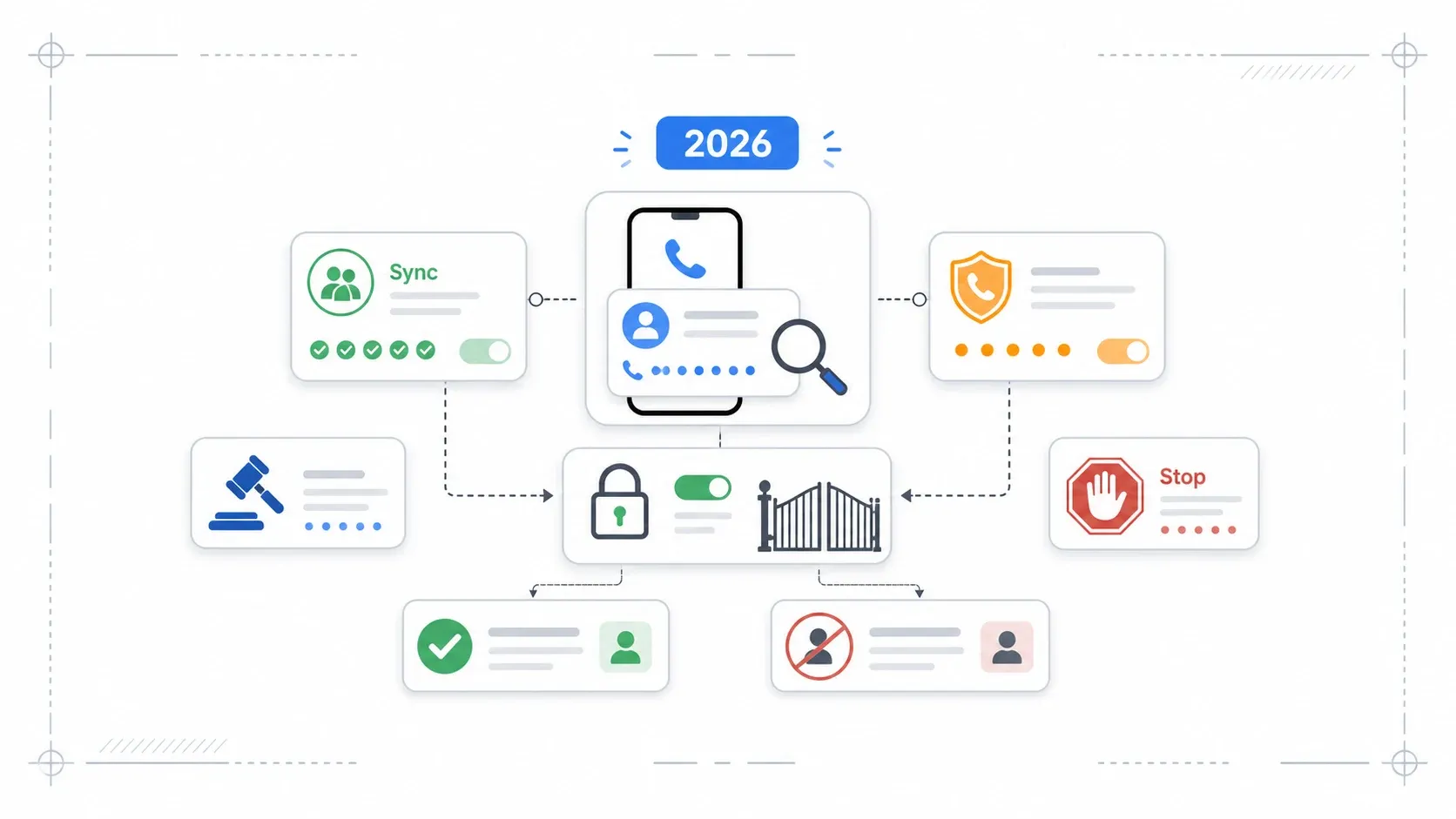
Here’s where things get spicy: scraping search engines is powerful, but it’s also a legal and technical minefield if you’re not careful.

Legal Considerations:

  • Is it legal? Generally, scraping public search results is legal (), but violating a search engine’s terms of service (ToS) can get your IP banned or trigger a cease-and-desist. U.S. courts have ruled that accessing public data isn’t a crime (see ), but breaching ToS is a contract issue.
  • Data privacy: If you scrape personal data (even if public), you may run into GDPR or CCPA issues. Stick to non-personal, public info, and always check what you’re collecting ().
  • Robots.txt: Not legally binding, but it’s an industry standard. If robots.txt says “no scraping,” consider that a red light ().

Technical Risks:

  • CAPTCHAs & IP blocks: Over are due to anti-bot defenses. Google and Bing use rate limits, CAPTCHAs, and IP bans to stop bots.
  • Layout changes: Search engines love to tweak their HTML. Hard-coded scrapers break when the structure shifts.
  • User-agent detection: Search engines serve different HTML to mobile vs. desktop. If your scraper looks “botty,” you might get flagged or see different data. engine2 (1).png Tips to avoid trouble:
  • Scrape slowly, add random delays, and use rotating proxies.
  • Use realistic user-agent strings (pretend to be Chrome, not a robot from 1999).
  • Check robots.txt and ToS before scraping.
  • Don’t collect or resell personal data.
  • Monitor legal updates—privacy laws are tightening ().

Mobile vs. Desktop: Key Differences in Search Engine Scraping

Here’s a fun one: scraping Google on your phone isn’t the same as scraping on your laptop. Why? Because search engines serve different layouts, features, and even rankings depending on the device.

Key differences:

  • Layout: Desktop SERPs often have more columns, side panels, and richer snippets. Mobile is single-column, with fewer results visible at once.
  • HTML structure: Desktop Google uses containers like <div class="g">, while mobile uses data-ved or data-sncf attributes (). Scrapers need different parsing logic for each.
  • SERP features: Mobile shows more image/video results and local packs; desktop has more featured snippets and side panels ().
  • Pagination: Desktop often uses numbered pages (&start=10), while mobile may use infinite scroll or a “More results” button ().
  • Ranking differences: About , and .

Actionable tips:

  • Set your scraper’s user-agent to match your target device (iPhone/Android for mobile, Chrome for desktop).
  • For mobile, use a headless browser to emulate scrolling and viewport size ().
  • Test your scraper on both devices—don’t assume one fits all.

Thunderbit: The Easiest Way to Scrape Search Engines

Now, if you’re thinking, “This sounds complicated,” you’re not alone. That’s exactly why we built . Thunderbit is an AI-powered Chrome Extension that makes search engine scraping as easy as two clicks—no coding, no selector headaches, no maintenance.

What sets Thunderbit apart?

  • AI Suggest Fields: Thunderbit’s AI scans the page and suggests exactly which fields to extract (like “Title,” “URL,” “Snippet”). No more guessing CSS selectors.
  • Subpage & Pagination Scraping: Want to grab more than just the first page? Thunderbit can click “Next” or scroll automatically, and even visit each result’s URL to enrich your table with extra info.
  • Natural Language Prompts: You can describe what you want in plain English (“Extract the date from the snippet” or “Translate to Spanish”), and Thunderbit’s AI figures out how to do it.
  • No-code, browser-based: It works right inside Chrome, so you can scrape any search engine page you can see—dynamic content, infinite scroll, you name it.
  • Free Data Export: Export your results to Excel, Google Sheets, Airtable, or Notion—no paywalls, no fuss.

Thunderbit is trusted by , from sales teams to marketers to solo founders.

Step-by-Step Guide: Scraping Search Engines with Thunderbit

Ready to try it yourself? Here’s how to go from zero to search engine data hero in four steps:

Step 1: Install and Set Up Thunderbit

  • Go to the and click “Add to Chrome.”
  • Sign up or log in (it’s free to start).
  • Pin the Thunderbit icon to your toolbar for easy access.
  • Grant permissions when prompted—Thunderbit needs to read the pages you want to scrape.

Step 2: Configure Your Search Engine Scraping Template

  • Open Google (or your search engine of choice) and run your query.
  • Click the Thunderbit icon to open the sidebar.
  • Hit “AI Suggest Fields.” Thunderbit’s AI will scan the page and suggest columns like “Title,” “URL,” and “Snippet.”
  • Review and adjust fields as needed. Want to extract the date or filter ads? Add a custom field or tweak the AI prompt (e.g., “Extract only organic results”).
  • For advanced needs, add a Field AI Prompt (like “Translate snippet to French” or “Summarize in 10 words”).

Step 3: Launch the Scrape and Collect Data

  • Click “Scrape.” Thunderbit will extract data from the current page.
  • Need more results? Enable pagination scraping—Thunderbit will click “Next” or scroll as needed, collecting results across multiple pages.
  • Want more detail? Use subpage scraping to visit each result’s URL and extract additional info (like contact emails or meta tags).
  • Monitor progress in the Thunderbit panel. If you hit a CAPTCHA, try switching to browser mode or slow down your scraping rate.

Step 4: Export and Use Your Data

  • Once done, preview your data in Thunderbit’s table view.
  • Export directly to Excel, Google Sheets, Airtable, or Notion—or download as CSV/JSON.
  • Use your data for SEO reports, lead lists, competitor tracking, or whatever your business needs.

Building Dynamic Scraping Strategies with AI

The web changes fast—especially search engines. That’s why Thunderbit’s AI is built to adapt:

  • Handles layout changes: If Google tweaks its HTML, Thunderbit’s AI can usually “roll with it,” identifying new patterns and keeping your data flowing ().
  • Natural language prompts: Describe your needs in plain English—Thunderbit can extract, label, translate, or summarize data on the fly.
  • On-the-fly data transformation: Want to categorize results as “commercial” or “informational”? Add a prompt, and Thunderbit will label them as it scrapes.
  • Continuous improvement: Thunderbit’s AI gets smarter over time, so your scraping strategy evolves as the web does.

Pro tips for staying dynamic:

  • Regularly update your field prompts as your needs change.
  • Schedule recurring scrapes for ongoing monitoring.
  • Combine scraping with official APIs (like Google Trends) for richer insights.

Real-World Applications: Putting Search Engine Scraping Data to Work

Here’s how teams are using search engine scraping to drive real business impact:

  • Market trend analysis: Scrape “People Also Ask” and autocomplete suggestions to spot emerging trends before your competitors.
  • Competitor monitoring: Set up daily scrapes of top keywords—catch new rivals or pricing moves before they hit your bottom line.
  • Lead generation: Scrape Google for industry lists, then use subpage scraping to gather contact info from each result.
  • SEO performance: Track your rankings and those of competitors, spot drops, and adjust content fast.
  • Ad intelligence: Scrape search ads to see what offers and messaging competitors are running.

Case in point: One retailer used scraped competitor pricing data to undercut rivals and saw a . Another agency built a list of 900+ leads in a day using Google search operators and scraping—something that would’ve taken weeks by hand ().

The only constant in search engine scraping? Change. Here’s what’s on the horizon:

  • AI-powered search results: Google’s Search Generative Experience (SGE) and Bing’s chat answers are making SERPs more dynamic and less structured. Scrapers will need to adapt to conversational, AI-generated answers ().
  • Stronger anti-bot defenses: With bots making up , expect more CAPTCHAs, fingerprinting, and login requirements.
  • No-code & AI scraping platforms: Tools like Thunderbit are making scraping accessible to everyone, not just developers.
  • Regulatory shifts: Privacy laws are tightening. Regulators are urging platforms to combat unauthorized scraping, especially of personal data ().
  • Hybrid approaches: Combining scraping with official APIs (like Google Custom Search) may become the norm for compliance and reliability.
  • Voice, visual, and AI search: As search expands to voice assistants and visual tools, expect new scraping frontiers (think: scraping Google Lens results or voice answers).

How to stay ahead:

  • Use tools that evolve with the web (like Thunderbit).
  • Be ethical—scrape respectfully, avoid personal data, and minimize server load.
  • Monitor legal and technical updates.
  • Focus on data quality and integration—scraping is just the start; analysis and action are where the value happens.

Conclusion & Key Takeaways

Search engine scraping is no longer just a hacker’s trick—it’s a must-have skill for any business that wants to stay competitive, data-driven, and agile. The key is to do it smartly: understand the legal and technical landscape, use adaptive tools like , and always tie your data back to real business outcomes.

Here’s what to remember:

  • Scraping search engines turns public results into actionable business intelligence.
  • The benefits are huge: faster insights, better leads, smarter strategy, and measurable ROI.
  • But you need to scrape responsibly—respect legal boundaries, adapt to technical challenges, and focus on quality.
  • Thunderbit makes it easy for anyone to get started, with AI-powered field detection, subpage/pagination scraping, and no-code workflows.
  • The future is dynamic—embrace AI, stay compliant, and keep your scraping strategy evolving.

Ready to see what search engine scraping can do for your business? , try scraping your top keywords, and turn the world’s search engines into your own competitive advantage. And if you want more tips, deep dives, or practical guides, check out the .

FAQs

1. Is search engine scraping legal?
Generally, scraping public search results is legal, but violating a search engine’s terms of service can get your IP banned or trigger a cease-and-desist. Avoid scraping personal data and always check robots.txt and ToS before you start ().

2. What’s the difference between scraping mobile and desktop search results?
Mobile and desktop SERPs differ in layout, HTML structure, features, and sometimes even rankings. Scraping both requires different user-agent strings and parsing logic ().

3. How does Thunderbit make search engine scraping easier?
Thunderbit uses AI to suggest fields, handle subpages and pagination, and lets you use natural language prompts for custom extraction—all inside your browser, with no coding required ().

4. What are the main technical risks in search engine scraping?
CAPTCHAs, IP bans, and layout changes are the biggest risks. Scrape slowly, use proxies, and choose tools that adapt to changes (like Thunderbit).

5. What’s the future of search engine scraping?
Expect more AI-driven search results, stronger anti-bot measures, and evolving privacy laws. Tools that combine AI, no-code workflows, and compliance (like Thunderbit) will lead the way.

Happy scraping—and may your search results always be structured, actionable, and one step ahead of the competition.

Learn More

Try Thunderbit AI Web Scraper for Search Engines
Shuai Guan
Shuai Guan
Co-founder/CEO @ Thunderbit. Passionate about cross section of AI and Automation. He's a big advocate of automation and loves making it more accessible to everyone. Beyond tech, he channels his creativity through a passion for photography, capturing stories one picture at a time.
Topics
Search engine scrapingSearch engine
Table of Contents

Try Thunderbit

Scrape leads & other data in just 2-clicks. Powered by AI.

Get Thunderbit It's free
Extract Data using AI
Easily transfer data to Google Sheets, Airtable, or Notion
Chrome Store Rating
PRODUCT HUNT#1 Product of the Week