Importing website data into Google Sheets used to be the kind of task that made even the most patient business users groan. I’ve seen sales teams spend hours copying and pasting leads, ecommerce managers wrestling with outdated price lists, and operations folks stuck in spreadsheet purgatory. But here’s the thing: Google Sheets is now a backbone for business reporting and collaboration, with and a . Yet, most teams are still stuck doing manual data entry, even though .

If you’re tired of spending your afternoons copying website data into Google Sheets—or you just want to automate the boring stuff—this guide is for you. I’ll show you how to import data from website into Google Sheets the easy way, using , the AI web scraper my team and I built to make this process as simple as two clicks. Whether you’re a sales rep, ecommerce manager, or just someone who loves a clean spreadsheet, let’s dive in and make your workflow a whole lot smarter.
What Does It Mean to Import Data from Website into Google Sheets?
When we talk about importing data from a website into Google Sheets, we’re really talking about taking information that lives out on the web—think product listings, contact info, prices, images, or even entire tables—and bringing it directly into your spreadsheet for analysis, reporting, or sharing with your team.
Why does this matter? Because Google Sheets isn’t just a place to store numbers; it’s a living, collaborative workspace. Imagine your sales team pulling fresh leads from a directory, your operations team monitoring competitor prices in real time, or your marketing crew tracking reviews—all in one up-to-date, shareable sheet. No more “who has the latest version?” headaches, and no more late-night copy-paste marathons.
Some everyday business scenarios where this is a game-changer:
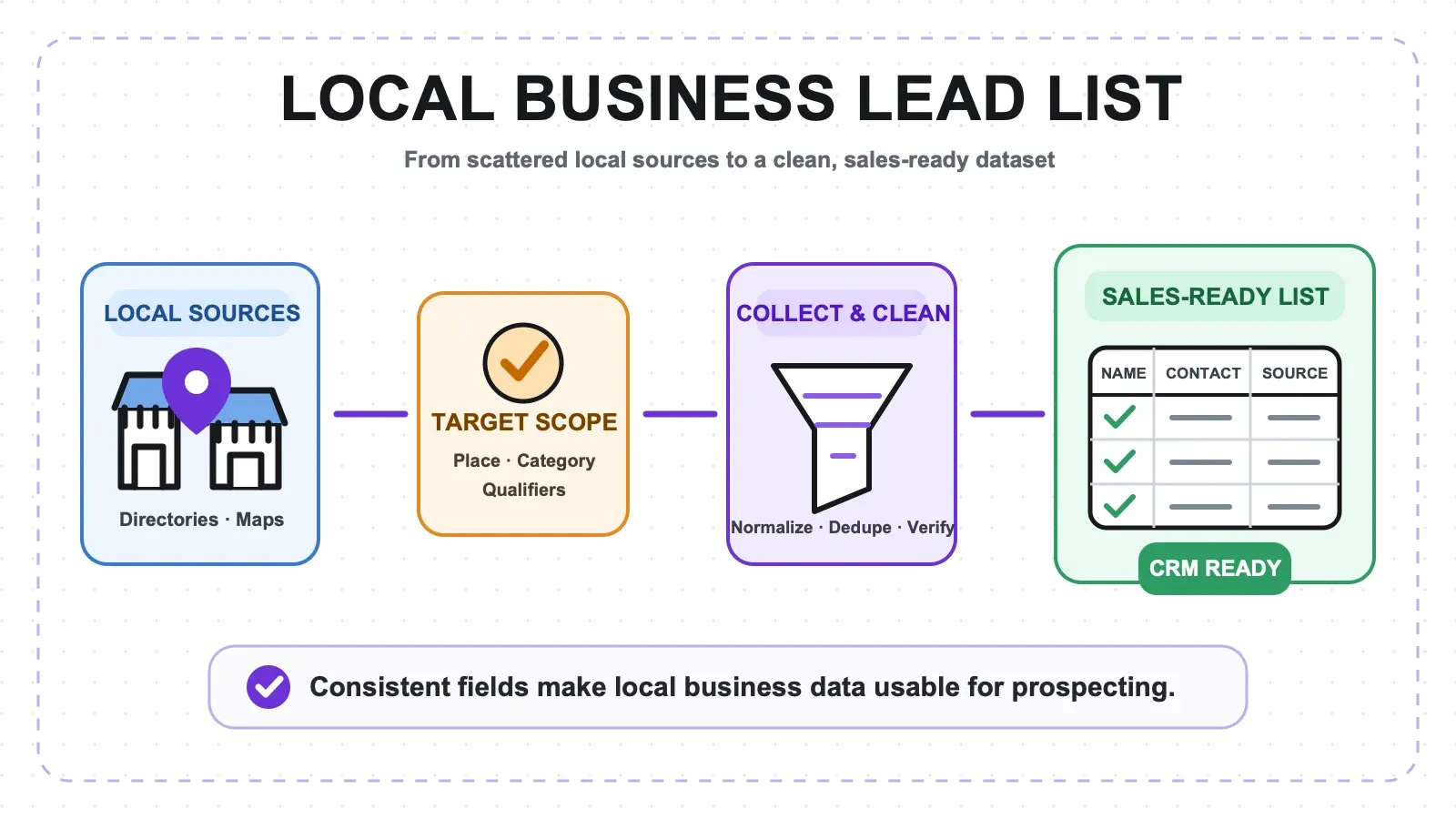
- Lead Generation: Scrape contact info from directories or event pages and feed it straight into your CRM via Google Sheets.
- Price Monitoring: Track competitor prices or product availability and update your pricing strategy on the fly.
- Market Research: Aggregate reviews, news, or product specs for trend analysis.
- Real Estate: Collect property listings from multiple sites for a unified view of the market.
Centralizing website data in Google Sheets means faster reporting, better collaboration, and—let’s be honest—a lot less grunt work.
Why Import Data from Website into Google Sheets? Key Business Benefits
Let’s get down to brass tacks: why do so many teams want to import website data into Google Sheets? Here are the big wins:
- Time Savings: Automated imports can save .
- Improved Accuracy: Manual entry is error-prone—. Automation means fewer mistakes and cleaner data.
- Real-Time Updates: Scheduled scraping keeps your Sheets always current, so you’re never working with stale info.
- Enhanced Collaboration: Google Sheets is built for teamwork. When your data flows in automatically, everyone stays on the same page.
Here’s how different teams benefit:
| Team | Use Case Example | Key Benefit |
|---|---|---|
| Sales | Import leads from web directories | Faster outreach, less manual work |
| Ecommerce | Monitor competitor prices | Dynamic pricing, quick reaction |
| Marketing | Aggregate reviews or content | Better campaign targeting |
| Operations | Track inventory or supplier data | Real-time decision-making |
| Real Estate | Collect property listings | Unified market analysis |
When you automate web-to-Google Sheets workflows, you’re not just saving time—you’re unlocking smarter, faster, and more collaborative business processes.
Common Methods to Import Data from Website into Google Sheets
Before Thunderbit, I tried every trick in the book to get website data into Google Sheets. Here’s a quick rundown of the usual suspects:
- Manual Copy-Paste: Open the website, highlight the data, copy, and paste into Sheets. Simple, but painfully slow and error-prone.
- Google Sheets Functions (IMPORTHTML, IMPORTXML): These built-in formulas can pull tables or lists from public web pages. They’re great for simple, static sites, but break easily on complex or dynamic pages ().
- Apps Script: Write custom JavaScript to fetch and parse website data. Powerful, but requires coding skills and ongoing maintenance.
- Third-Party Add-ons: There are add-ons for Sheets that promise web scraping, but most are limited in what they can extract, struggle with complex layouts, or require lots of setup.
Let’s compare these methods side by side:
| Method | Ease of Use | Handles Complex Sites | Maintenance | Speed | Automation | Cost |
|---|---|---|---|---|---|---|
| Manual Copy-Paste | Easy | No | High | Slow | None | Free |
| IMPORTHTML/IMPORTXML | Medium | No | Medium | Fast | Limited | Free |
| Apps Script | Hard | Yes (with effort) | High | Fast | Yes | Free |
| Add-ons | Medium | Sometimes | Medium | Fast | Sometimes | Often Paid |
| Thunderbit | Easiest | Yes | Low | Fast | Yes | Free tier |
Thunderbit’s AI-powered approach means you don’t need to code, build templates, or worry about website changes breaking your workflow.
How to Import Data from Website into Google Sheets Using Thunderbit
Now for the fun part—let’s walk through how to import data from website into Google Sheets using . This is the workflow I wish I’d had years ago.
Step 1: Install Thunderbit Chrome Extension
First, head to the and click “Add to Chrome.” Thunderbit works on any Chromium-based browser (Chrome, Edge, Brave, etc.). No fancy system requirements—if you can run Google Sheets, you’re good to go.
Once installed, you’ll see the Thunderbit icon in your browser toolbar. Click it, sign up (free tier available), and you’re ready.
Step 2: Navigate to the Target Website
Open the website you want to scrape. Maybe it’s a list of products, a directory of leads, or a table of real estate listings. For example, if you’re in ecommerce, you might open a competitor’s product page; if you’re in sales, maybe a business directory.
Step 3: Use “AI Suggest Fields” to Identify Data
Click the Thunderbit icon. Here’s where the magic happens: hit “AI Suggest Fields,” and Thunderbit’s AI scans the page, automatically suggesting the most relevant columns—like “Product Name,” “Price,” “Image,” “Contact Email,” or whatever fits the context.
You can review, rename, or add fields as needed. No need to fiddle with selectors or write code—the AI does the heavy lifting.
Step 4: Scrape and Export Data to Google Sheets
Click “Scrape.” Thunderbit pulls the data, structures it into a table, and shows you a preview. If you’re happy, hit “Export” and choose “Google Sheets.” Thunderbit will create a new Sheet (or let you pick an existing one) and send your data straight there—images, links, emails, and all.
You can also export to Excel, Airtable, or Notion if that’s your jam. All exports are .
Step 5: Automate Data Updates with Scheduled Scraping
Want your Google Sheet to update automatically? Thunderbit’s scheduled scraping lets you set up recurring jobs—hourly, daily, or weekly. Just describe your schedule in plain English, and Thunderbit will keep your Sheet fresh with the latest data.
This is a lifesaver for price monitoring, inventory tracking, or any workflow where up-to-date info is critical.
Troubleshooting tip: If you hit a login wall or dynamic content, try Thunderbit’s Browser Mode. It can handle sites that require you to be logged in, or that load data via JavaScript.
Why Choose Thunderbit Over Traditional Data Extraction Tools?
I get asked this a lot: “Why not just use IMPORTXML or a Sheets add-on?” Here’s the honest answer:
- AI-Powered Field Recognition: Thunderbit’s AI understands the page and suggests the right fields—no need to build templates or write XPath.
- Handles Complex Layouts: Whether it’s a messy directory, a product grid, or a table with images and links, Thunderbit adapts automatically.
- No-Code Setup: Anyone can use it—no technical skills required.
- Low Maintenance: Scripts and formulas break when websites change. Thunderbit’s AI adapts in real time.
- Versatile Export: Send your data to Google Sheets, Excel, Airtable, or Notion in one click.
Here’s a quick comparison:
| Feature | Thunderbit | IMPORTXML/HTML | Add-ons |
|---|---|---|---|
| No-code setup | Yes | No | Some |
| Handles dynamic sites | Yes | No | Rarely |
| Field recognition | AI-driven | Manual (XPath) | Template-based |
| Maintenance | Low | High | Medium |
| Export options | Sheets, Excel, etc | Sheets only | Varies |
| Cost | Free tier | Free | Often Paid |
Thunderbit is designed for business users who want results—no coding, no headaches, and no more fixing broken scripts.
Beyond Text: What Data Types Can Thunderbit Import into Google Sheets?
One of my favorite things about Thunderbit is its versatility. It’s not just for text—here’s what you can import into Google Sheets:
- Text: Product names, descriptions, addresses, etc.
- Numbers: Prices, ratings, stock levels.
- Dates: Availability dates, event times.
- Links (URLs): Product pages, profile links.
- Emails: Contact info for leads or support.
- Phone Numbers: Formatted automatically (E.164 format).
- Images: Product photos, profile pictures—these show up as links in Sheets, or as embedded images in Notion/Airtable.
- Single/Multi Select: Categories, tags, or labels.
Example: Scraping a real estate listing site? Thunderbit can pull the address, price, number of bedrooms, agent’s email, phone number, and even the property image—all in one go, ready for Google Sheets.
Formatting tip: In Google Sheets, images appear as links (click to view), but if you export to Notion or Airtable, Thunderbit uploads the images directly to your workspace.
Supercharge Your Workflow: Combining Thunderbit with Google Sheets Automation
Thunderbit doesn’t just get your data into Sheets—it sets you up for next-level automation:
- Scheduled Scraping: Keep your Sheets live and up-to-date with recurring imports.
- Formulas & Filters: Use built-in Sheets formulas (like
=FILTER(),=VLOOKUP(), or=QUERY()) to analyze, clean, and enrich your imported data. - Add-ons & Plugins: Pair Thunderbit with tools like Google Apps Script, Supermetrics, or Zapier for advanced workflows—think auto-emailing leads, updating dashboards, or syncing with your CRM.
- Conditional Formatting: Highlight price drops, flag missing info, or color-code leads for quick prioritization.
Example workflow: Scrape competitor prices daily with Thunderbit, then use a Sheets formula to highlight any products where your price isn’t the lowest. Instant price intelligence, no manual work.
Best Practices for Importing Data from Website into Google Sheets with Thunderbit
Want to get the most out of Thunderbit + Google Sheets? Here are my top tips:
- Choose Clear Field Names: Use descriptive column names (“Product Name,” “Price,” “Contact Email”) for easier analysis later.
- Clean Your Data: Use Sheets formulas to remove duplicates, fix formatting, or split data into multiple columns.
- Schedule Wisely: For frequently updated data, set up scheduled scraping. For one-off projects, manual runs are fine.
- Organize Your Sheets: Use tabs for different data sources, add timestamps to track freshness, and document your workflow for teammates.
- Handle Large Datasets: For big scrapes, break your job into chunks (e.g., 500 rows at a time) to avoid hitting Sheets limits.
Troubleshooting and Tips: Smooth Import Data from Website into Google Sheets
Even with AI, web scraping can hit a few bumps. Here’s how to keep things running smoothly:
- Login-Required Pages: Use Thunderbit’s Browser Mode and make sure you’re logged in before scraping.
- Dynamic Content: If data loads after the page appears, wait a few seconds before running Thunderbit, or use Browser Mode.
- Export Errors: Double-check your Google account connection, and make sure you have permission to create or edit the target Sheet.
- Data Formatting: Use Sheets’ built-in tools to clean up any weird formatting or split data as needed.
- Need Help? Check out or reach out to support—we’re always happy to help.
Conclusion: Unlock the Full Power of Google Sheets with Thunderbit
Importing data from website into Google Sheets doesn’t have to be a chore. With Thunderbit, you get:
- AI-powered, no-code extraction from any website—even the messy ones.
- 2-click workflow: “AI Suggest Fields,” “Scrape,” and export directly to Sheets.
- Support for all data types: Text, images, links, emails, phone numbers, and more.
- Scheduled scraping for always-fresh data and real-time reporting.
- Free exports to Google Sheets, Excel, Airtable, or Notion.
It’s the fastest, easiest way I know to turn the web into actionable, collaborative data—without the headaches of manual entry or broken scripts. Ready to give it a try? , and let your next data import project be your easiest yet.
For more tips, deep dives, and automation tricks, check out the . Happy scraping—and may your Sheets always be up-to-date.
FAQs
1. Can Thunderbit import images and links into Google Sheets?
Yes! Thunderbit can extract images, links, emails, phone numbers, and more. Images appear as clickable links in Google Sheets, and as embedded images in Notion or Airtable.
2. How does Thunderbit handle websites that require login?
Use Thunderbit’s Browser Mode while logged in. The AI will access the page as you see it, so you can scrape data behind login walls.
3. Is Thunderbit free to use for Google Sheets exports?
Thunderbit offers a free tier that lets you scrape and export up to 6 pages (or 10 with a trial boost) to Google Sheets, Excel, Airtable, or Notion.
4. What if the website layout changes? Will my workflow break?
Thunderbit’s AI adapts to layout changes automatically—no need to rebuild templates or fix scripts.
5. Can I automate recurring imports into Google Sheets?
Absolutely. Thunderbit’s scheduled scraping lets you set up automatic imports—hourly, daily, or weekly—so your Sheets are always up-to-date.
Ready to start? and see how easy it is to import data from website into Google Sheets.
Learn More