The web is overflowing with data, and if you’re anything like me, you’ve probably found yourself staring at a website, wishing you could just zap all that info straight into Google Sheets—no copy-paste marathons, no wrestling with broken formulas, and definitely no late-night debugging of scripts you found on some forum. As businesses race to make faster, smarter decisions, the ability to import data from web to sheets is no longer a “nice-to-have”—it’s the secret sauce behind real-time dashboards, up-to-date lead lists, and competitive pricing strategies. And with over on Google Sheets, it’s clear that spreadsheets are still the beating heart of business operations.

But here’s the kicker: more than spend at least a quarter of their week on repetitive tasks like transferring data between web pages and spreadsheets. That’s a lot of coffee and a lot of wasted potential. So, let’s break down exactly why importing data from web to sheets matters, why the old ways are holding you back, and how tools like are making this process so simple that even your most spreadsheet-averse teammate will look like a data wizard.
Why Import Data from Web to Sheets Matters for Businesses
Let’s get real: business moves at the speed of data. Whether you’re in sales, marketing, e-commerce, or operations, having the latest info at your fingertips can be the difference between closing a deal and missing out. Here are some of the most common (and powerful) use cases for importing web data into Google Sheets:
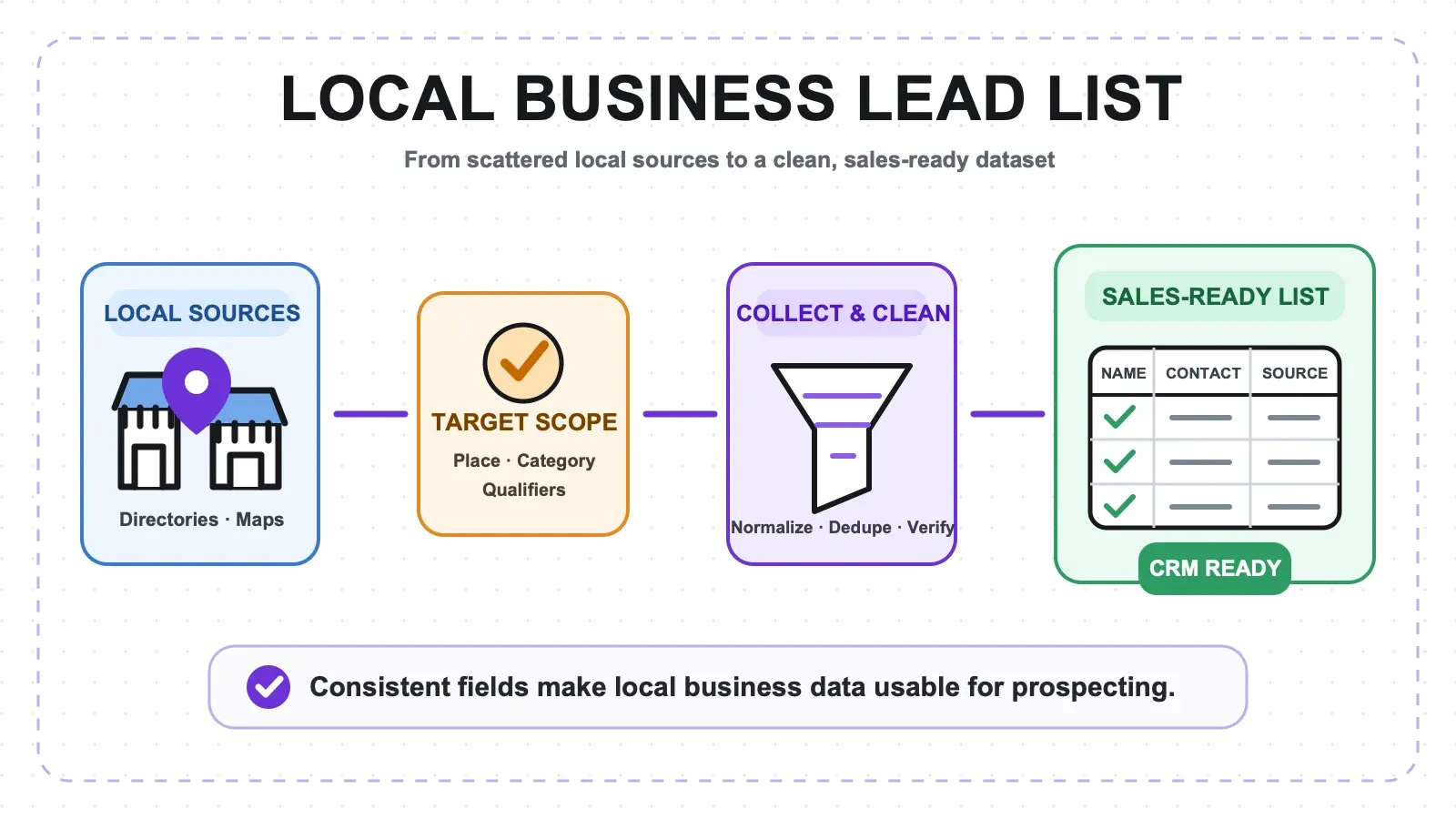
- Lead Generation & Sales: Pull names, emails, and phone numbers from online directories or LinkedIn directly into Sheets for outreach campaigns. Automating this can save sales teams days of manual entry and eliminate typos—scraping 500 contacts from a directory can literally .
- Market Research & Marketing: Import competitor prices, features, or customer reviews for side-by-side comparison. This means up-to-date insights on the competition without shelling out for expensive reports.
- E-commerce & Pricing: Track product prices and stock levels across competitor websites to adjust your own strategy. Real-time pricing intelligence helps you avoid revenue loss from slow reactions.
- Operations & Procurement: Aggregate supplier data (inventory, shipping rates, etc.) from multiple websites into one sheet, so you’re always making decisions with the freshest info.
- Inventory & Finance Tracking: Monitor stock prices, crypto rates, or inventory levels via web sources, so your dashboards in Sheets reflect what’s happening right now.

Automating these imports doesn’t just save time—it , reduces errors, and lets your team focus on what actually moves the needle. Highly data-driven businesses are to financially outperform their less data-savvy competitors. That’s not just a spreadsheet flex—that’s a business advantage.
Common Challenges with Traditional Methods to Import Data from Web to Sheets
Now, let’s talk about the elephant in the spreadsheet: traditional methods are a pain. Here’s what most teams have tried (and why they’re often left frustrated):
- Manual Copy-Paste: Sure, it’s easy for a handful of entries. But try doing this for hundreds of rows and you’ll be drowning in errors, missing data, and inconsistent formatting. Plus, it’s about as fun as watching paint dry.
- Google Sheets Formulas (
IMPORTXML,IMPORTHTML): These built-in functions can fetch data from a URL, but they require you to know HTML or XPath. They’re brittle—one tiny change in the website’s layout and your data pipeline breaks. And forget about sites that load data with JavaScript. - Custom Scripts or APIs: If you’re handy with code, you might write a script or use Google Apps Script. But every new data source or field means more code, more maintenance, and more headaches. And many sites don’t even have APIs.
The result? Manual methods don’t scale and introduce errors, while programmatic methods require expertise and can fail without warning. If you’ve ever tried using a Sheets formula on a modern page with infinite scroll or pop-ups, you know the pain.
Comparing Solutions: Manual, Built-In Functions, and Automation Tools
Let’s lay it out side by side:
| Method | Ease of Use | Flexibility & Capability | Reliability | Technical Skill Required |
|---|---|---|---|---|
| Manual Copy-Paste | Very easy | Very limited | Low | None |
| Sheets Import Functions | Moderate | Limited | Fragile | Basic HTML/XPath |
| Automation Tools (Thunderbit) | Very easy | Highly flexible | High | None |
Manual and formula-based methods might work for one-off tasks, but they just can’t keep up with the demands of modern business. Automation tools, especially those powered by AI, are the only way to get both ease of use and robust, reliable imports.
How Thunderbit Makes Importing Data from Web to Sheets Simple
This is where Thunderbit comes in. is an AI-powered Chrome Extension that turns web data extraction into a two-click operation—even for non-technical users. Here’s what makes it a game-changer for business teams:
- No-Code, 2-Click Operation: Click “AI Suggest Fields” and Thunderbit’s AI scans the page, suggests the most relevant fields, and assigns data types. Then click “Scrape” and watch your data appear in a neat table.
- AI-Recommended Fields & Templates: Thunderbit automatically picks out what to scrape—product names, prices, ratings, emails, images, you name it. For popular sites like Amazon or Zillow, there are instant templates for one-click scraping.
- Subpage Scraping: Need more details? Thunderbit can automatically visit each subpage (like product details or contact profiles) and enrich your table with extra info.
- Pagination & Infinite Scroll Handling: Thunderbit will click “Next” or load more results, scraping up to 50 pages in parallel in cloud mode.
- Direct Export to Google Sheets: After scraping, export your data straight into Google Sheets with one click—no CSV downloads, no manual imports.
- Scheduled Scraping: Set up recurring scrapes (e.g., “every day at 8am”) and Thunderbit will automatically update your Google Sheet on schedule.
And yes, all of this is free to try—Thunderbit’s free tier lets you scrape a handful of pages and export to Sheets without any extra cost.
Step-by-Step Guide: Import Data from Web to Sheets Using Thunderbit
Let’s walk through the process. You’ll be amazed at how quick it is.
Step 1: Install Thunderbit Chrome Extension
Head to the or search “Thunderbit AI Web Scraper” in the Chrome Web Store. Click “Add to Chrome” and approve the permissions. You’ll see a ⚡ lightning bolt icon in your toolbar. Sign up for a free account (email or Google login). The free tier lets you scrape up to 6 pages, or 10 with a trial boost.
Step 2: Open the Target Web Page
Navigate to the web page with the data you want. Make sure all the content you need is visible—sometimes you’ll need to scroll down to load more items. If the page requires a login, log in first; Thunderbit works in your browser context, so it can scrape data behind a login as long as you have access.
Step 3: Use “AI Suggest Fields” to Detect Data
Click the Thunderbit icon to open the sidebar. Hit “AI Suggest Fields.” Thunderbit’s AI will scan the page and propose field names (like “Product Name,” “Price,” “Email,” etc.) with the right data types. You can rename, delete, or add custom fields as needed. For advanced users, you can add Field AI Prompts—custom instructions for formatting, translating, or categorizing data.
Step 4: Click “Scrape” to Extract Data
Click “Scrape.” Thunderbit will extract the data and show a preview in a table. If the page has pagination or infinite scroll, Thunderbit will handle it automatically—just let it work through the pages. If you enable subpage scraping, Thunderbit will visit each detail page and grab extra info.
Step 5: Export Data Directly to Google Sheets
Click “Export” and choose Google Sheets. Thunderbit will prompt you to connect your Google account (one-time authorization). Pick or create a destination Sheet, and Thunderbit will populate it with your data—clean, structured, and ready to use. You can also export to Excel, Airtable, Notion, or download as CSV/JSON, but Sheets export is totally free and instant.
Boosting Data Accuracy: Thunderbit’s AI-Powered Formatting and Cleaning
Importing raw data is just the start. Thunderbit’s AI features help you get analysis-ready data, not just a jumble of text:
- Automatic Data Typing & Cleaning: Thunderbit assigns data types (text, number, date, etc.), so your exported data is already formatted. No more weird spacing or mixed-up fields.
- AI Prompts for Custom Formatting: Want prices as pure numbers? Phone numbers in a specific format? Add a prompt like “output number only” or “format as (XXX) XXX-XXXX”—Thunderbit will handle it as it scrapes.
- Deduplication: If you’re scraping from multiple sources, Thunderbit’s structured output makes it easy to spot and remove duplicates in Sheets.
- Data Enrichment & Transformation: Translate fields, categorize data, or combine multiple fields—all with simple AI prompts.
- Consistency & Validation: Thunderbit’s AI “understands” data patterns, so you get fewer malformed entries and more reliable results.
By the time your data lands in Google Sheets, it’s already cleaned and normalized. You can jump straight to analysis—no more hours spent fixing inconsistencies.
Advanced Tips: Automating Recurring Imports and Handling Complex Data
Ready to level up? Here’s how to automate even the trickiest workflows:
- Scheduled Scrapes: Use Thunderbit’s built-in scheduler to set up recurring imports—daily, weekly, or on your custom schedule. Your Google Sheet will always have the latest data.
- Pagination & Multi-Page Data: Thunderbit auto-detects and clicks through pagination or infinite scroll, scraping up to 50 pages at once in cloud mode.
- Subpage Scraping: Need info from detail pages? Enable subpage scraping and Thunderbit will visit each link and enrich your dataset.
- Browser vs. Cloud Mode: Use Browser Mode for sites that require login or interactive navigation. Use Cloud Mode for public sites and high-volume scraping—it’s faster and won’t tie up your computer.
- Custom Field Prompts: For tricky data, guide the AI with prompts like “extract the 8-digit SKU” or “translate to English.” You can even use regex or keywords for fine-tuned extraction.
- Save & Reuse Configurations: Thunderbit saves your last-used field setup for each domain, so recurring jobs are a breeze.
With these features, you can turn a painstaking manual process into a fully automated data pipeline. Imagine your lead list, inventory tracker, or competitor dashboard updating itself every morning—no more Monday morning data sprints.
Future Trends: AI and Automation in Web-to-Sheets Data Management
The future is bright (and automated). Here’s what’s coming down the pipeline:
- AI-Powered Data Workflows: have seen their AI investments pay off, and 63% plan to double down by 2026. Companies with fully AI-enabled processes are seeing 2.5Ă— faster revenue growth and over 2Ă— greater productivity.
- From Static Reports to Live Dashboards: Spreadsheets are becoming living dashboards, not just static reports. Teams spend less time wrangling data and more time making decisions.
- Natural Language & No-Code Interfaces: Soon, you’ll be able to just describe the data you want (“import all product prices from competitor.com every hour”) and the AI will handle the rest.
- Continuous, Real-Time Data Integration: Expect near real-time syncing of web data, with AI scrapers feeding your Sheets as changes happen.
- Enhanced Data Enrichment: AI will not just pull data, but also summarize, categorize, and provide insights—right in your spreadsheet.
- Integration with Business Systems: Web-to-sheets tools will connect seamlessly with CRMs, BI tools, and databases, blurring the line between external and internal data.
- Wider Adoption Across Teams: As the tech gets easier, more frontline users (not just analysts) will set up their own live data feeds—no IT bottleneck required.
In short, the future is AI-driven, continuous, and collaborative. Tools like Thunderbit are putting that future in your hands today.
Key Takeaways: Import Data from Web to Sheets with Confidence
- Web-to-Sheet Imports Are a Business Superpower: Automatically updated spreadsheets mean real-time dashboards, faster decisions, and less grunt work.
- Traditional Methods Fall Short: Manual copy-paste and basic import formulas are too limited and error-prone for today’s business needs.
- Thunderbit Streamlines the Process: With Thunderbit, anyone can import data from web to sheets—no code, no hassle, just results.
- AI Features Ensure Clean, Useful Data: Thunderbit’s AI cleans, formats, and enriches your data as it scrapes, so you can trust what lands in your spreadsheet.
- Automation Saves Hours: Schedule recurring imports and let Thunderbit do the heavy lifting—your Sheets will always be up to date.
- Non-Technical Users Empowered: Thunderbit is built for business users, not just engineers. If you can use a browser, you can use Thunderbit.
Ready to ditch the copy-paste grind? and try it on your next data import project. And if you want to dive deeper into web scraping, automation, or spreadsheet hacks, check out the for more guides and tips.
FAQs
1. Can I use Thunderbit to import data from any website into Google Sheets?
Yes! Thunderbit works on almost any website, including those with dynamic content, pagination, or subpages. For best results, start on a page with structured data (like a list or table).
2. Do I need coding skills to use Thunderbit?
Not at all. Thunderbit is designed for non-technical users. Just click “AI Suggest Fields,” adjust your columns if needed, and hit “Scrape.” Exporting to Google Sheets is a single click.
3. What if the website requires a login?
Thunderbit’s Browser Mode lets you scrape data from sites you’re logged into. Just log in as usual, then run Thunderbit on the page.
4. How does Thunderbit handle data cleaning and formatting?
Thunderbit’s AI assigns data types, formats fields, and can apply custom prompts for things like deduplication, translation, or categorization—so your data is ready to use in Sheets.
5. Is Thunderbit free to use?
Thunderbit offers a free tier that lets you scrape up to 6 pages (or 10 with a trial boost) and export to Google Sheets, Excel, Airtable, or Notion. Paid plans are available for higher volume needs.
Happy scraping—and may your spreadsheets always be up to date!
Learn More