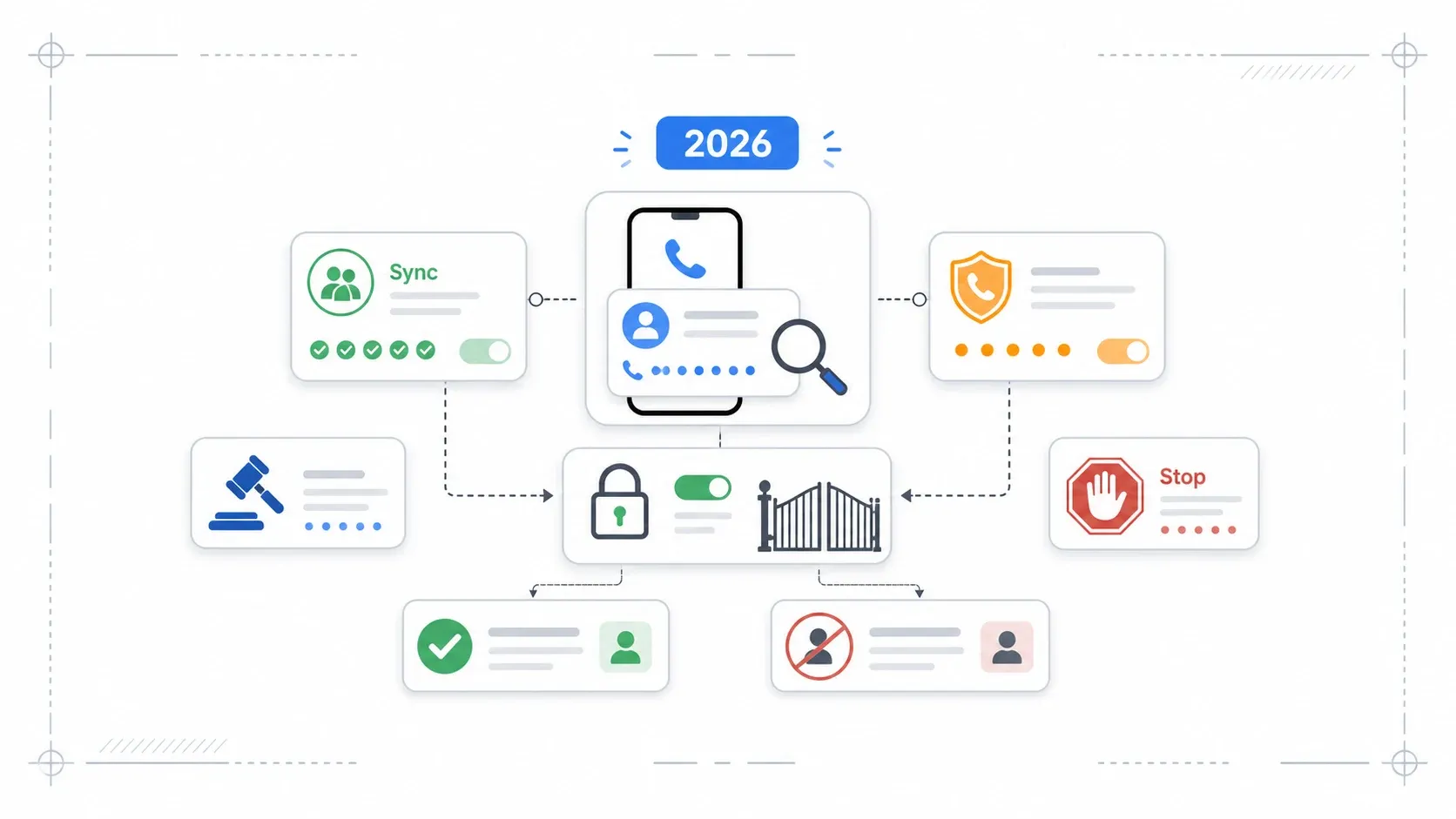
If you’ve ever tried to run a telemarketing campaign in the last few years, you know the landscape isn’t just shifting—it’s shaking. Regulators are cracking down harder than ever, consumers are registering their numbers on the Do Not Call list at record rates, and those “guaranteed opt-in” lead lists from telemarketing data providers? They’re starting to look more like legal landmines than shortcuts to sales. Just ask the auto-warranty robocallers who got slapped with a for blasting out billions of calls without real consent. Or the 2 million Americans who filed complaints about unwanted calls last year alone ().
It’s clear: the old playbook of buying lists from third-party data brokers is not just risky—it’s outdated. But here’s the good news: you don’t need to gamble your business on black-box data. In this guide, I’ll show you how to build a compliant, auditable, and high-quality telemarketing data workflow using public web sources and , so you can ditch the third-party roulette and take control of your outreach.
Why Rethink Telemarketing Data Providers? The Compliance Problem
Let’s get real about the traditional approach: buying bulk lists from telemarketing data providers. On paper, it sounds easy—just pay up and get a spreadsheet of “opt-in” contacts. But in practice, you’re often buying into a compliance nightmare:
- Opaque sourcing: You rarely know where the data came from, how consent was obtained, or if it’s even current.
- Unverifiable consent: Regulations like the , , and require clear, direct consent. The that you can’t just rely on a third party’s word for it.

- Outdated data: About 30% of sales contact data goes bad every year, so even a “fresh” list can be stale before you hit “dial” ().
- Legal liability: If you can’t prove where your data came from, you’re the one on the hook for violations—not the provider ().
And the stakes are only getting higher. The National Do Not Call Registry now protects , and regulators are . If you can’t show a clear, auditable trail for every contact, you’re playing with fire.
Treat Public Websites as Your First-Party Telemarketing Data Source
So what’s the alternative? Flip the script: treat public websites, directories, and company pages as your own first-party data source. Instead of buying lists, you build your own—direct from the source, with full transparency.
Why is this approach more compliant and more effective?
- Clear provenance: You know exactly where each contact came from (e.g., “Contact Us” page, industry directory, company website).
- Verifiable context: If a business lists a sales line or email publicly, it’s generally meant for outreach—especially for relevant, B2B communications.
- Up-to-date info: You’re capturing data as it exists today, not as it sat in a vendor’s database for months.
- Custom targeting: You can focus on the exact industries, regions, or signals that matter for your campaign.
And with tools like , even non-technical teams can extract, clean, and document this data—no coding or data science degree required.
Building a Traceable, Auditable Data Workflow with Thunderbit
One of the biggest compliance headaches with third-party lists is the lack of traceability. If you get audited or challenged, can you prove where every number came from? With Thunderbit, you can.
Thunderbit’s workflow automatically captures:
- Source URL: The exact web page where each contact was found.
- Timestamp: When the data was collected.
- Original vs. cleaned fields: Raw data and the AI-extracted, standardized version.
- AI extraction logic: The rules or prompts used to extract and clean each field.
This creates a full data lineage for every contact—so if anyone asks, “Where did you get my number?” you can show the source, date, and context. That’s a level of transparency most data providers simply can’t match ().
Key Data Points to Track for Compliance
For each contact, you should capture:
- Source URL
- Date collected
- Type of contact (business vs. personal)
- Any consent or intent signals (e.g., “Contact us for a quote”)
- Risk level (low/medium/high, based on context)
- Notes on any opt-in or opt-out language found
Thunderbit automates most of this, embedding the metadata directly into your exported lead list.
From Raw Web Data to Compliant, Actionable Telemarketing Leads
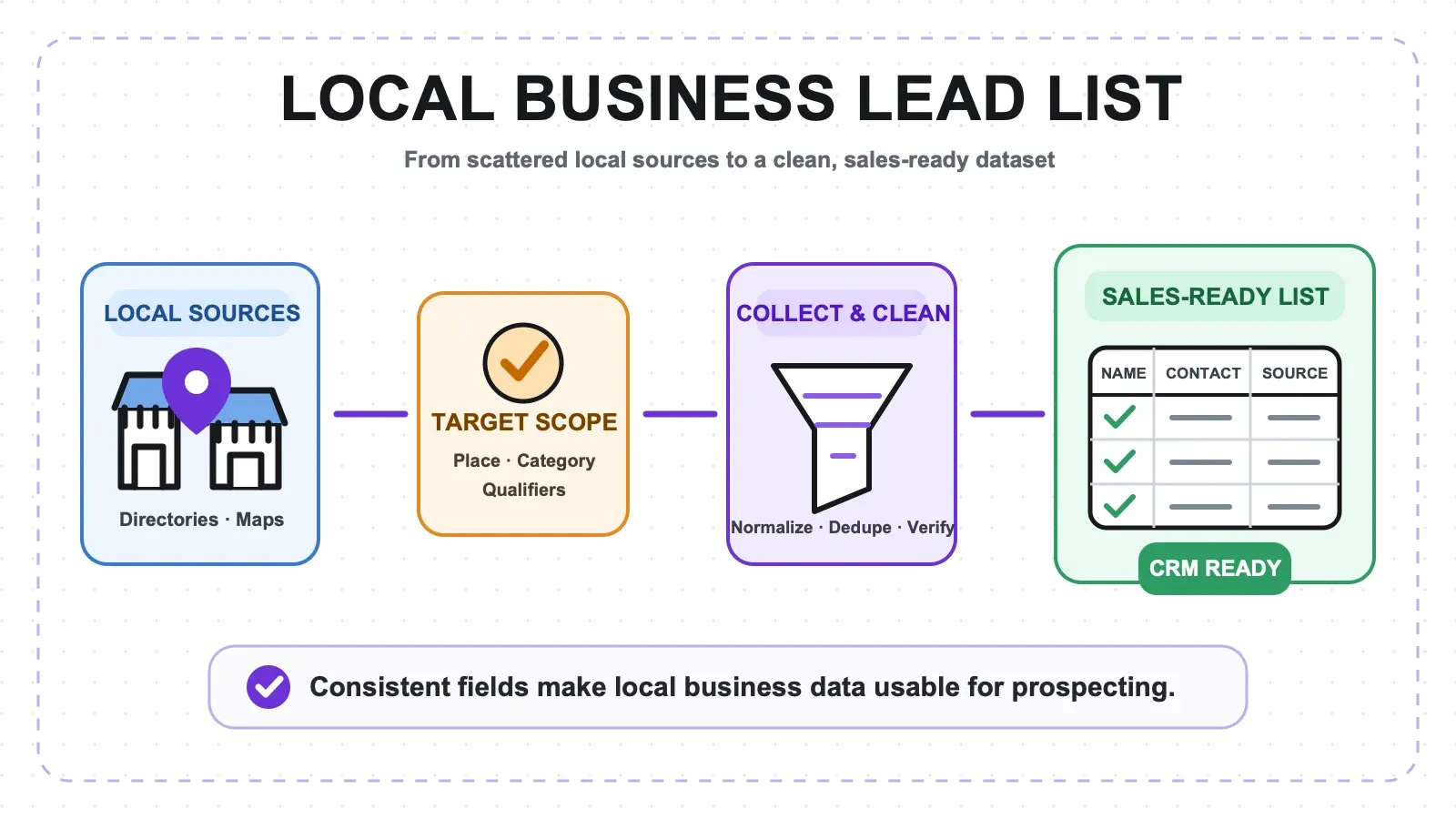
Collecting data is just the first step. To make it actionable—and compliant—you need to clean, normalize, and label it. Here’s how Thunderbit makes that painless:
- AI-powered extraction: Thunderbit’s “AI Suggest Fields” reads the page and proposes the right columns (name, phone, email, company, etc.).
- Data cleaning: Use Field AI Prompts to standardize formats (e.g., phone numbers in E.164), split names, or flag personal emails.
- Risk labeling: Automatically tag each contact as low, medium, or high risk based on your criteria (e.g., public business line = low risk, personal cell = high risk).
- Filtering: Exclude high-risk or non-compliant contacts before they ever hit your dialer.
This means you’re not just scraping data—you’re building a compliant, ready-to-use lead list, complete with an audit trail.
Automating Consent and Intent Signals with AI
Here’s where Thunderbit’s AI really shines. It can scan each page for intent signals—the clues that a contact is actually open to business outreach. For example:
- “Contact our sales team at…”
- “Request a quote”
- “Now hiring” (great for HR or SaaS outreach)
- “For business inquiries, call…”
Thunderbit can flag these automatically, so you prioritize contacts who are more likely to welcome your call—and who are more defensible from a compliance standpoint ().
Embedding Compliance Rules Directly into Your Data Collection Workflow
The best compliance strategy is one that’s built into your workflow—not tacked on at the end. Thunderbit lets you set rules like:
- Only extract business contact info (skip personal emails, filter by domain)
- Exclude personal pages or non-commercial listings
- Flag or exclude contacts without opt-in or with explicit “do not contact” language
- Apply region-specific filters (e.g., stricter rules for EU or Canada)
You can even use Field AI Prompts to encode your compliance logic for each field. For example: “Only include phone numbers if they’re listed as business lines; skip if labeled as personal cell.”
This means your data isn’t just “clean”—it’s compliant by design, and you can prove it.
Real-Time, Up-to-Date Data: Outperforming Third-Party Lists
One of the dirty secrets of telemarketing data providers is that their lists are often out of date. With , you’re likely to hit wrong numbers, dead lines, or people who have moved on.
Thunderbit’s real-time scraping means you’re always working with the latest info—straight from the source. If a company updates its contact page, your next scrape reflects that change. That leads to:
- Higher connect rates: More calls reach the right person.
- Lower complaint rates: Fewer wrong numbers, less chance of calling someone who opted out.
- Better ROI: Your team spends less time chasing ghosts and more time talking to real prospects.
Automating Risk Assessment: AI-Powered Data Risk Grading
Not all contacts are created equal. Thunderbit’s AI can automatically grade each lead by compliance risk:
- Low risk: Public business email or main office phone from a company website.
- Medium risk: Direct line or cell listed on a business profile.
- High risk: Personal mobile or email, or unclear consent.
You define the rules, and Thunderbit does the sorting. This helps your team focus on the safest, most compliant leads—and avoid the ones that could land you in hot water.
Empowering Small Teams: Building an In-House, Compliant Data Operation
Here’s what gets me excited: Thunderbit puts the power of an internal data compliance team into the hands of small and mid-sized businesses. You don’t need a legal department or a team of engineers. With Thunderbit, you can:
- Automate data collection from public sources
- Clean, normalize, and label data for compliance
- Document every step, from source to export
- Scale up as needed, without ballooning costs
And with pricing starting at just $15/month for 500 records (), it’s a fraction of what you’d pay for a single “premium” lead list.
Step-by-Step Guide: Setting Up a Compliant Telemarketing Data Workflow with Thunderbit
Let’s walk through how you can put all this into practice—no technical skills required.
1. Identify Your Target Websites and Directories
Think about where your ideal contacts are listed:
- Industry associations or chamber of commerce directories
- Company “Contact Us” or “Team” pages
- Business directories (Yelp, Google Maps, etc.)
- Event attendee lists or trade show sites
2. Set Up Scraping Rules and Compliance Filters in Thunderbit
- Install the .
- Open your target page and click the Thunderbit icon.
- Click “AI Suggest Fields” to let Thunderbit propose the right columns (e.g., Name, Phone, Email, Company).
- Add custom fields for “Source URL,” “Date Collected,” and “Risk Level.”
- Use Field AI Prompts to encode your compliance rules (e.g., “Only include business emails,” “Flag if page says ‘do not contact’”).
3. Run the Extraction and Review the Traceable Data Output
- Click “Scrape” and let Thunderbit do its thing.
- Review the output table—each row includes your contact, source, date, and risk label.
- If needed, use subpage scraping to enrich your data (e.g., grab owner names from detail pages).
4. Use AI to Flag Intent and Risk
- Add a field for “Intent Signal” and prompt the AI to look for phrases like “contact us,” “request a quote,” or “now hiring.”
- Thunderbit will flag high-intent contacts, so you can prioritize outreach.
5. Export and Use Your Compliant Lead List
- Export your data to Google Sheets, Excel, Airtable, or Notion.
- Run any final DNC or opt-out checks as needed.
- Document your process (source, date, compliance rules) for future audits.
And that’s it—you’ve built a compliant, auditable, and high-quality telemarketing list without ever touching a third-party data provider.
Conclusion & Key Takeaways
The days of buying “opt-in” lists from telemarketing data providers and hoping for the best are over. With regulators tightening the screws and consumers more protected than ever, the only safe path forward is a transparent, first-party data strategy.
By using public web sources and , you can:
- Control your data: Know exactly where every contact came from.
- Automate compliance: Build rules and documentation into your workflow.
- Improve results: Get fresher, more relevant leads and higher connect rates.
- Empower your team: Run a data operation that rivals the big players—without the overhead.
Ready to take your telemarketing data in-house? and see how easy compliance can be when you own the process from end to end. Your future self—and your legal team—will thank you.
FAQs
1. Is it legal to scrape telemarketing data from public websites?
Yes, collecting business contact info from publicly available web pages is generally legal, especially for B2B outreach. However, you must respect each site’s terms of service, avoid scraping personal data without consent, and always comply with regulations like TCPA, GDPR, and DNC rules. For more, see .
2. How does Thunderbit help with telemarketing compliance?
Thunderbit captures the source URL, timestamp, and context for every contact, making your data fully traceable. You can set compliance rules (e.g., only business contacts, flag opt-in language), automate risk grading, and document your workflow for audits—all without technical skills.
3. What are the risks of using third-party telemarketing data providers?
Third-party lists often lack transparency, may not have verifiable consent, and can be outdated. If you can’t prove where your data came from, you could face hefty fines or lawsuits under TCPA, GDPR, or DNC rules. Recent cases have resulted in fines of up to .
4. Can Thunderbit identify high-intent or compliant contacts automatically?
Absolutely. Thunderbit’s AI can scan for “intent signals” (like “contact us” or “request a quote”) and flag contacts that are more likely to be receptive—and compliant—for outreach. You can also set rules to exclude high-risk or non-compliant entries.
5. How much does it cost to build a compliant telemarketing list with Thunderbit?
Thunderbit’s pricing starts at $15/month for 500 records, with a free tier for small-scale testing. That’s a fraction of what you’d pay for a single third-party list—and you get fresher, more compliant data that’s proprietary to your business. See the for details.
Want more tips on compliant data sourcing and sales automation? Check out the for guides, best practices, and real-world case studies.
Learn More