The hotel industry is in the middle of a transformation—one that’s as much about data as it is about hospitality. Not long ago, hotels relied on walk-ins, travel agents, and a bit of luck to fill their rooms. But in 2024, with and competition fiercer than ever, the old playbook just doesn’t cut it. Customer acquisition costs are climbing, digital channels are multiplying, and the pressure to keep rooms full (and guests happy) is at an all-time high ().
As someone who’s spent years in SaaS and automation, I’ve watched hotels wrestle with these changes up close. The good news? There’s never been a better time to rethink how you find and convert leads. In this guide, I’ll break down what hotel lead generation really means, how it’s evolved, and why AI-powered tools like are helping hotels turn data into direct bookings, loyal guests, and a healthier bottom line.
Hotel Lead Generation Explained: The Core Concept
Let’s start with the basics. Hotel lead generation is the process of identifying, attracting, and nurturing potential guests or business clients who are likely to book rooms, events, or services at your property. Think of it as the engine that keeps your sales pipeline humming—whether you’re targeting individual travelers, corporate groups, wedding planners, or event organizers.
But it’s more than just collecting names and emails. Effective lead generation means finding people who actually want what your hotel offers, understanding their needs, and engaging them at the right moment. Done right, it leads to higher occupancy rates, better guest satisfaction, and a sales team that spends less time chasing dead ends and more time closing deals ().
In a nutshell: Hotel lead generation is about building a steady stream of qualified prospects—so your rooms (and event spaces) are always buzzing.
Why Hotel Lead Generation Matters for Modern Hotels
Let’s be honest: in today’s market, waiting for guests to show up just isn’t an option. The stakes are high—especially when and online travel agencies (OTAs) are eating into margins. Hotels that invest in smart lead generation see real, measurable benefits:
| Use Case | Business Impact |
|---|---|
| Group Bookings & Events | Fill blocks of rooms, boost F&B revenue |
| Corporate Partnerships | Secure repeat business, higher lifetime value |
| Direct Bookings | Lower OTA fees, build guest loyalty |
| Wedding & Social Events | Capture high-value, high-margin business |
| Upselling & Cross-Selling | Increase per-guest revenue, maximize occupancy |
When you get lead generation right, you’re not just filling rooms—you’re building relationships that pay off over time. Studies show that hotels with robust lead pipelines enjoy .
Traditional vs. Modern Hotel Lead Generation Methods
The way hotels find leads has changed dramatically. Let’s compare the old-school tactics with what’s possible today:
| Traditional Methods | Modern Methods |
|---|---|
| Walk-ins & Local Ads | Online booking platforms (OTAs, GDS) |
| Travel agents & tour operators | Hotel website forms & chatbots |
| Trade shows & printed directories | Social media marketing & influencer outreach |
| Phone/email inquiries | Web data extraction & AI-driven lead scoring |
| Word of mouth | Review sites (TripAdvisor, Google, Yelp) |
Traditional methods still have their place, but they’re slow, expensive, and often miss the mark. Modern digital approaches let you reach more prospects, personalize your outreach, and react to market trends in real time ().
The Shift to Digital: How Online Channels Changed the Game
Let’s face it—most travelers start their journey online. In fact, . Review sites, OTAs, and even social media have become goldmines for lead generation. But with opportunity comes complexity: more channels, more data, and more competition for attention.
Hotels that embrace digital lead generation can tap into a much larger pool of prospects, track guest preferences, and respond faster to inquiries. It’s not just about being online—it’s about being smart with your data.
How Thunderbit Powers Efficient Hotel Lead Generation
Here’s where things get interesting. At Thunderbit, we set out to make hotel lead generation easier, faster, and more accurate—no coding, no endless spreadsheets, no guessing.
What does this look like in practice? Imagine you want to:

- Scrape guest reviews from TripAdvisor or Booking.com to spot high-intent travelers or corporate planners.
- Extract contact info from event directories, wedding sites, or LinkedIn lists of travel managers.
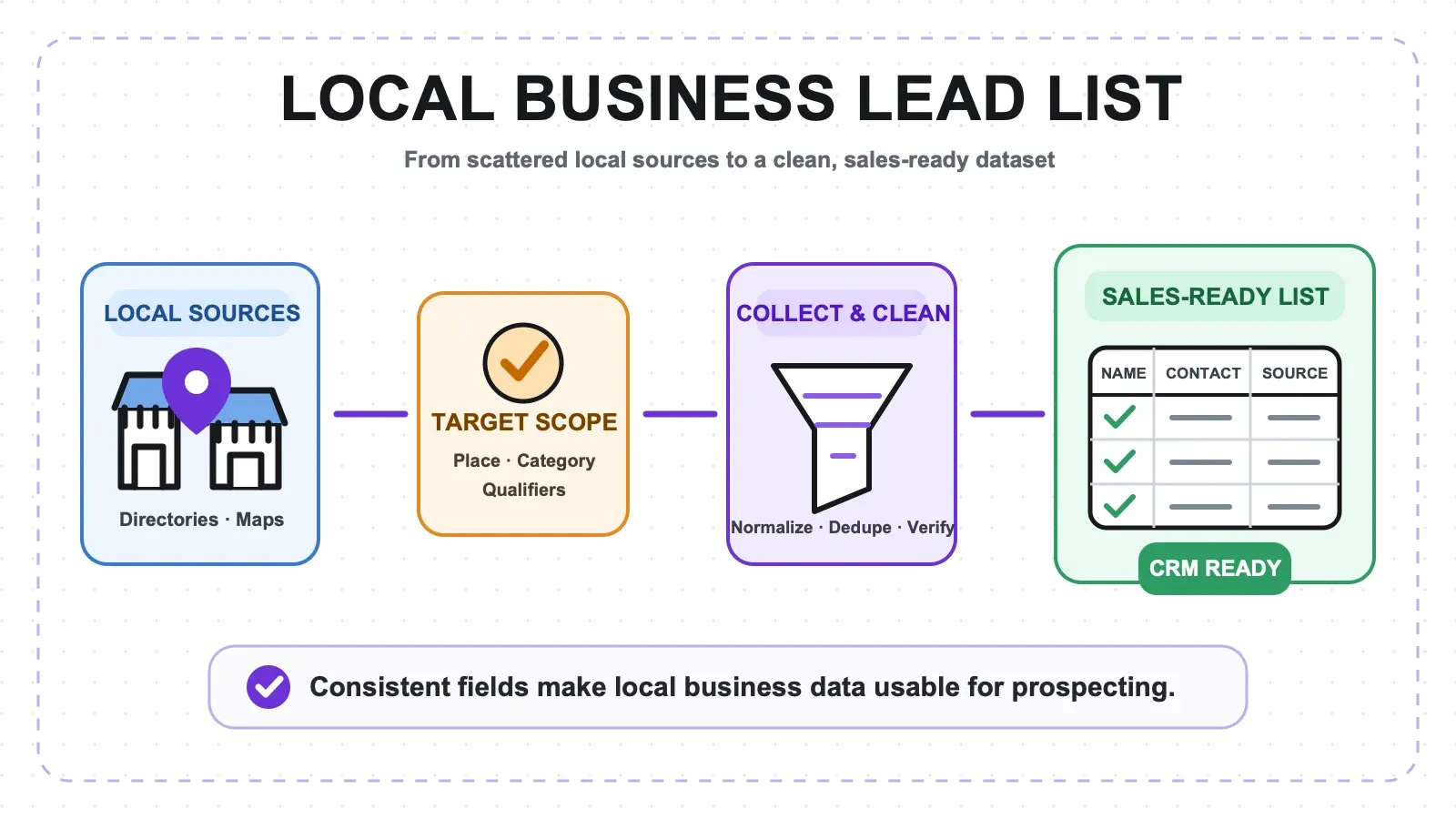
- Build a structured lead list with names, emails, company info, and even guest preferences—ready for your sales team to follow up.
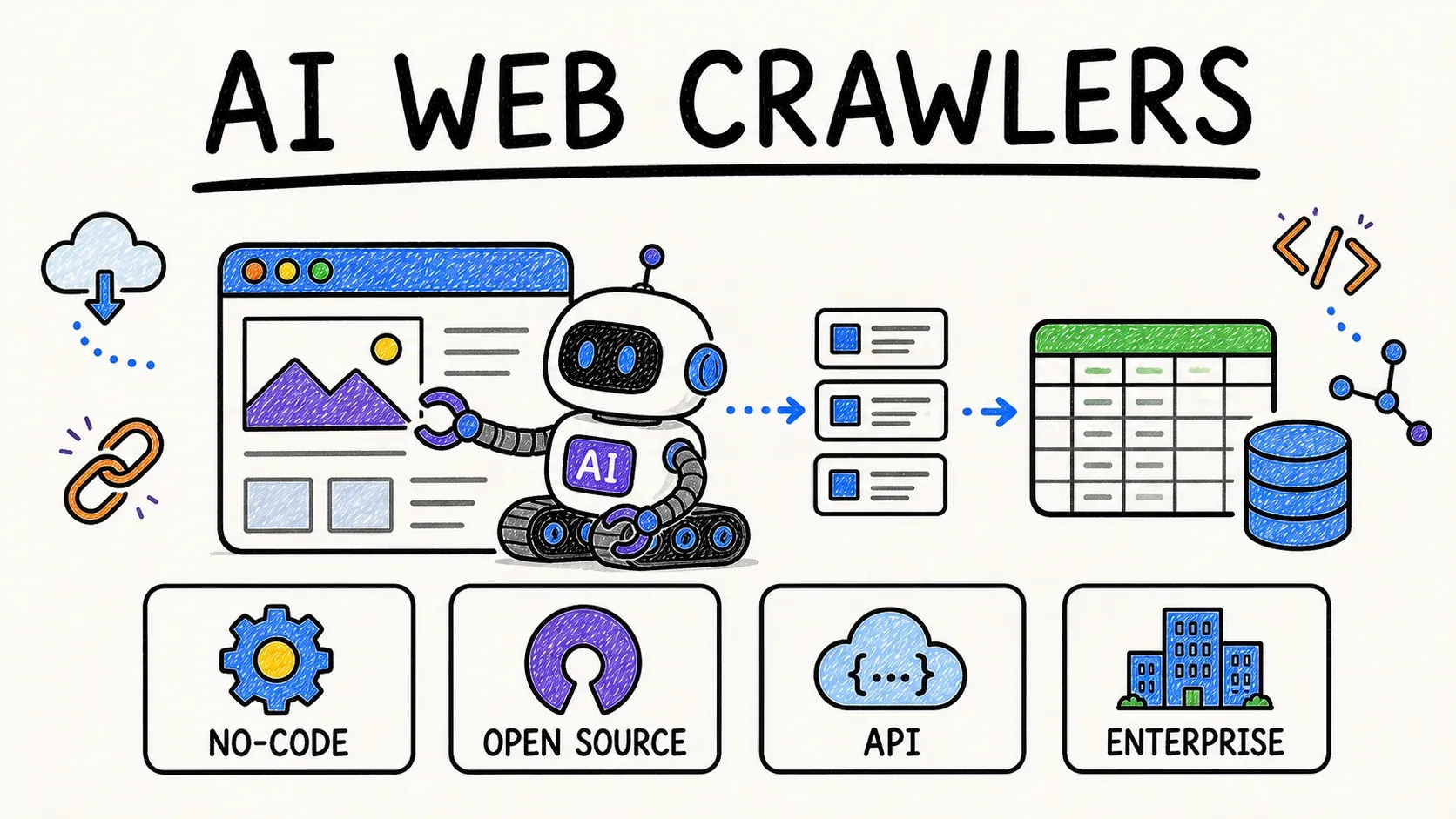
With , you can do all of this in just a few clicks. Our “AI Suggest Fields” feature reads the page, recommends the best columns to extract (like “Name,” “Email,” “Company,” “Event Type”), and even handles subpages (think: clicking into each guest review or attendee profile for more details). You can export everything directly to Excel, Google Sheets, Airtable, or Notion—no manual cleanup required.
Why does this matter for hotels? Because speed and accuracy are everything. The faster you can identify and engage a hot lead, the more likely you are to win the booking (). And with Thunderbit, even non-technical staff can build and manage lead lists like pros.
Building a Hotel Lead List with Thunderbit: Step-by-Step
Let’s walk through a real-world scenario:
- Identify your target: Maybe it’s a list of wedding planners from a local event site, or recent reviewers on a booking platform.
- Open Thunderbit: Click the extension in Chrome, navigate to your target page.
- AI Suggest Fields: Let Thunderbit scan the page and suggest columns—like “Name,” “Email,” “Event Type,” “Review Score.”
- Scrape & Enrich: Thunderbit extracts the data, follows subpage links for more details, and compiles everything into a neat table.
- Export & Act: Send the data straight to your CRM or spreadsheet. Your sales team can now personalize outreach, follow up fast, and track results.
No code, no templates, no hours lost to copy-paste. Just actionable leads, ready to go ().
Boosting Hotel Lead Generation Quality with AI
It’s not just about quantity—it’s about quality. That’s where AI comes in. With Thunderbit, you can:
- Score and segment leads based on behavior (e.g., “high-value corporate,” “wedding inquiry,” “repeat guest”).
- Label and categorize by event type, budget, or guest preferences—automatically.
- Prioritize follow-up so your team spends time on the leads most likely to convert.
AI-driven lead scoring is a game-changer for hotels. According to , hotels using AI for lead qualification see higher conversion rates and better ROI on marketing spend. You can even use AI to spot patterns—like which types of events or guest profiles are most profitable—so you can double down on what works.
Real-World Success: Hotel Lead Generation Case Studies
Let’s look at a few examples of hotels that have nailed lead generation:
1. Edgewater Boutique Hotel: 54% Increase in Direct Bookings
By investing in digital lead generation and optimizing their website for direct inquiries, this historic hotel saw a in just a few months. The secret? Using structured data to personalize follow-ups and reduce reliance on OTAs.
2. Magnolia Hotel: Improved Group Sales with Lead Automation
Magnolia Hotel leveraged digital tools to by streamlining their lead capture and follow-up process. Automated lead qualification meant sales reps could focus on the best opportunities—resulting in more closed deals.
3. Thunderbit User: Event Lead Capture at Scale
One Thunderbit user scraped a list of 100+ trade show attendees, enriched each contact with LinkedIn profiles and company info, and generated a targeted outreach campaign. The result? A higher response rate and incremental bookings—without the manual labor ().
What do these hotels have in common? They all use structured, data-driven lead generation—powered by automation and AI—to drive real business results.
Key Challenges in Hotel Lead Generation (And How to Overcome Them)
Let’s not sugarcoat it: hotel lead generation isn’t always easy. Here are some common hurdles—and how to tackle them:

- High Competition: With so many hotels vying for the same guests, standing out is tough. Solution: Use AI to personalize outreach and target niche segments (like corporate planners or wedding organizers).
- Seasonality: Demand fluctuates throughout the year. Solution: Build a year-round pipeline by targeting group events, conferences, and off-peak travelers.
- Unqualified Leads: Not every inquiry is a good fit. Solution: Use AI-driven lead scoring to filter out low-potential leads before your team spends time on them ().
- OTA Dependency: Relying too much on online travel agencies can eat into profits. Solution: Invest in direct lead generation via your website, social channels, and data extraction tools like Thunderbit.
- Slow Follow-Up: Speed matters—a lot. Solution: Automate lead capture and notifications so your team can respond within minutes, not days ().
Hotel Lead Generation Best Practices for Sales and Operations Teams
Ready to level up your lead gen game? Here’s a quick checklist for hotel teams:
- Keep Your Data Fresh: Regularly update and clean your lead lists to avoid chasing dead ends.
- Go Multi-Channel: Don’t put all your eggs in one basket—combine website forms, social media, review sites, and web scraping.
- Leverage AI Tools: Use Thunderbit and similar platforms to automate data extraction, lead scoring, and segmentation.
- Nurture Your Leads: Set up automated email sequences and personalized follow-ups to keep prospects engaged.
- Measure and Optimize: Track conversion rates, response times, and ROI—then tweak your strategy based on what works.
For more tips, check out .
Conclusion: The Future of Hotel Lead Generation
The hotel industry is only going to get more competitive—and more digital. The winners will be those who embrace data-driven, AI-powered lead generation strategies. Whether you’re a boutique property or a global chain, investing in the right tools and processes can mean the difference between empty rooms and a thriving business.
If you’re ready to see what modern hotel lead generation looks like, and start building your next high-converting lead list in minutes. And for more insights, don’t miss the .
FAQs
1. What is hotel lead generation?
Hotel lead generation is the process of finding and nurturing potential guests or business clients who are likely to book rooms, events, or services at your hotel. It’s about building a steady pipeline of qualified prospects to boost occupancy and revenue.
2. Why is lead generation important for hotels?
Effective lead generation helps hotels increase direct bookings, reduce reliance on OTAs, fill group/event spaces, and improve guest retention—all of which drive profitability and long-term growth.
3. How does Thunderbit help with hotel lead generation?
Thunderbit lets hotel teams quickly extract guest or event data from websites, review platforms, or directories. With AI-powered field suggestions and subpage scraping, even non-technical staff can build structured lead lists for sales follow-up.
4. What are the main challenges in hotel lead generation?
Common challenges include high competition, seasonality, unqualified leads, OTA dependency, and slow response times. Overcoming these requires smart targeting, automation, and fast, personalized follow-up.
5. How can AI improve hotel lead generation quality?
AI can analyze and score leads based on guest behavior, preferences, and booking signals—helping hotels prioritize the best prospects and tailor their marketing for higher conversion rates.
Ready to take your hotel’s lead generation to the next level? Give Thunderbit a try and see how easy it is to turn web data into real bookings.
Learn More