Understanding Hotel Data Analysis: What It Is and Why It Matters

Last Updated on December 17, 2025

Hotel lobbies used to be all about the handshake and the smile. Now, there’s a new VIP in town: data. In 2025, the hospitality industry is in the midst of a digital transformation, with more than to stay competitive and delight guests. As someone who’s spent years in SaaS and automation, I’ve watched this shift up close—and let me tell you, the hotels that treat data as a strategic asset are the ones winning the loyalty (and wallets) of modern travelers. Hotel digital transformation infographic showing 70% tech investment, guest experience features, and analytics dashboard for competitive edge. But what exactly is hotel data analysis? Why is it suddenly the talk of every GM’s meeting? And how can tools like help you turn a flood of raw information into smarter decisions, happier guests, and a healthier bottom line? Let’s dig in—because in today’s hospitality world, being data-driven isn’t just a buzzword. It’s your ticket to thriving in a market where every review, rating, and room night counts.

What Is Hotel Data Analysis? A Simple Explanation

At its core, hotel data analysis is the process of turning the mountain of information your hotel collects—bookings, guest reviews, pricing, social media chatter—into actionable insights. It’s about moving beyond gut feelings and using real numbers to guide decisions on everything from room rates to breakfast menus.

Think of it as detective work for hoteliers: you gather clues (data), spot patterns, and use those findings to make your hotel more profitable, efficient, and guest-friendly. The data sources are everywhere: reservation systems, guest feedback forms, online reviews, competitor websites, and even Instagram posts about your rooftop bar.

Here are some of the most common data types analyzed in hotels:

Data SourceExample Data Points
Bookings & ReservationsOccupancy rates, booking windows, lead times
Guest FeedbackSurvey scores, comment cards, NPS
Online ReviewsRatings, sentiment, keywords
Website & OTA AnalyticsConversion rates, click-throughs
Competitor DataRoom rates, package offers, amenities
Social MediaMentions, hashtags, influencer posts

The goal? To make smarter choices—like adjusting prices on high-demand weekends, personalizing offers for repeat guests, or spotting service issues before they become 1-star reviews.

Why Hotel Data Analysis Matters for Modern Hotels

Let’s get real: the days of “set it and forget it” are over. Today’s guests are more demanding, competition is fierce, and a single bad review can ripple through your revenue. That’s why is now at the heart of successful hotel management.

Here’s how hotel data analysis is transforming the industry:

  • Optimizing Pricing: By analyzing occupancy, competitor rates, and booking trends, hotels can implement dynamic pricing—charging more when demand spikes and filling rooms with smart discounts in slow periods. This isn’t just theory: hotels using advanced analytics have seen . Analytics drive hotel growth infographic with charts, graphs, and hotel metrics highlighting 15% revenue increase.
  • Improving Guest Satisfaction: Mining reviews and feedback helps spot what guests love (or hate). Fixing recurring issues or doubling down on what works can boost ratings and repeat business.
  • Staying Ahead of Competitors: Regularly tracking competitor pricing, amenities, and promotions lets hotels react quickly—adjusting strategies before rivals even notice.
  • Boosting ROI: According to , hotels investing in tech and analytics are outperforming peers in both guest satisfaction and profitability.

In short, hotel data analysis is the secret sauce behind every “Wow, how did they know I wanted a late checkout?” moment—and the reason some hotels always seem one step ahead.

The Core of Hotel Data Analysis: Driving Better Decisions

Let’s pause for a moment: Why has data become the backbone of hotel management? It’s simple—because guessing is expensive. Every decision, from setting tonight’s rate to launching a new spa package, carries risk. Data analysis helps take the guesswork out.

Here’s how it works in practice:

  • Occupancy Rates: Tracking how full your hotel is (and when) helps you spot demand patterns, plan staffing, and avoid overbooking headaches.
  • Average Daily Rate (ADR) & RevPAR: These metrics show how much you’re earning per room and per available room—crucial for benchmarking against competitors.
  • Guest Sentiment: Analyzing reviews and survey data uncovers what guests are really saying, letting you fix problems before they go viral.
  • Competitor Intelligence: Monitoring rival hotels’ rates, amenities, and reviews helps you position your property more effectively.

A sums it up: the best hotels use data to “make adjustments in real time, not after the fact.” That’s the difference between leading the market and playing catch-up.

Diverse Data Sources: Blending Traditional and Emerging Hotel Data

Gone are the days when hotel data meant just “how many heads in beds.” Today, the smartest hotels blend traditional sources with a wave of new, digital data streams.

Traditional Data Sources

  • Reservation Systems: Occupancy, booking pace, cancellations
  • Guest Feedback Forms: Post-stay surveys, in-room comment cards
  • POS Systems: Restaurant, bar, and spa sales
  • CRM Data: Repeat guest profiles, loyalty program activity

Emerging Data Sources

  • Online Reviews: Tripadvisor, Google, Booking.com, Expedia
  • Social Media: Instagram posts, Facebook comments, TikTok videos
  • Third-Party Platforms: OTAs, metasearch engines, travel blogs
  • Competitor Websites: Real-time pricing, package deals, amenities

Why does this matter? Because combining these sources gives you a 360-degree view of your market and guests. For example, you might notice that bookings are steady, but social media buzz is dropping—an early warning to step up your marketing. Or maybe competitor rates are climbing while your reviews mention “dated rooms”—time to invest in a refresh.

How Social Media and Online Reviews Shape Hotel Data Analysis

If you think online reviews are just for bragging rights, think again. , and .

Hotels now monitor platforms like Tripadvisor, Google Reviews, and even TikTok for real-time feedback. By analyzing review sentiment and keywords, you can:

  • Spot service gaps (“slow check-in”)
  • Identify new trends (“love the rooftop yoga”)
  • Benchmark against competitors (“best breakfast in town”)

And with the right tools, you can turn thousands of reviews into actionable insights—no more reading them one by one.

Why Use AI Web Scraper Tools for Hotel Data Analysis?

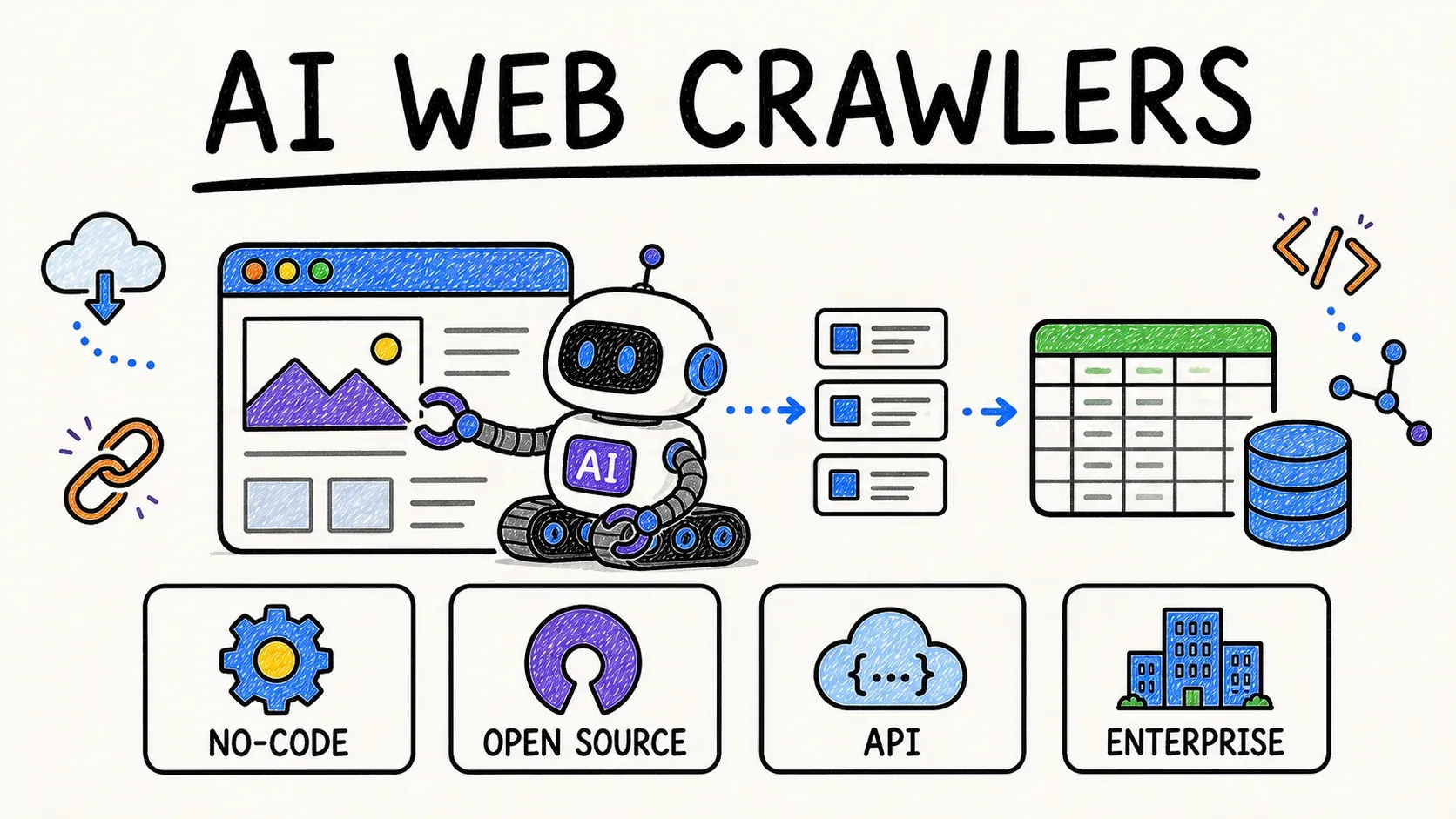
Here’s the challenge: with so many data sources, collecting and analyzing it all manually is like trying to mop up a flood with a napkin. That’s where AI web scraper tools come in.

AI web scrapers (like ) automate the process of gathering data from hotel and travel sites, competitor listings, and review platforms. Instead of copying and pasting reviews or prices by hand, you can extract hundreds (or thousands) of data points in minutes.

What can you extract?

  • Guest reviews and ratings from Tripadvisor, Booking.com, Google, etc.
  • Competitor room rates, availability, and package details
  • Social media mentions and hashtags
  • Market trends from OTAs and travel blogs

But here’s where AI takes it to the next level: with natural language processing, you can automatically classify review sentiment (positive, negative, neutral), tag comments by topic (“cleanliness,” “location,” “staff”), and even translate reviews from other languages. That means richer, faster insights—and less time spent wrangling spreadsheets.

For a deeper dive, check out .

Thunderbit: Simplifying Hotel Data Collection and Analysis

I’ll be honest—I’m a little biased here, but Thunderbit was built to make hotel data analysis as easy as ordering room service. Here’s what makes it a perfect fit for hospitality teams:

  • AI Suggest Fields: Just click, and Thunderbit’s AI recommends the best columns to extract—like “Review Text,” “Rating,” “Reviewer Country,” or “Room Price.”
  • Subpage Scraping: Need more details? Thunderbit can visit each review or competitor page, pulling in extra info (like cancellation policies or amenities) and merging it into your dataset.
  • Sentiment Analysis: Thunderbit’s AI can auto-categorize reviews by sentiment and topic, so you can spot trends at a glance.
  • Bulk Data Extraction: Scrape hundreds of pages at once—no code, no templates, no headaches.
  • Instant Export: Send your data straight to Excel, Google Sheets, Airtable, or Notion for analysis or reporting.
  • Scheduled Scraping: Set Thunderbit to run automatically—perfect for tracking competitor prices or review trends over time.

Want to see it in action? Here’s a .

Thunderbit as a Key Part of Hotel Growth Strategies

So, how does Thunderbit fit into your growth playbook? Simple: it gives you the data edge to move faster than your competitors.

  • Monitor Market Trends: Use Thunderbit to track pricing, availability, and reviews across your comp set. Spot demand spikes or new guest preferences before others do.
  • Adjust Room Rates in Real Time: Before peak season, scrape competitor prices and booking trends to optimize your own rates—maximizing revenue without leaving money on the table.
  • Resource Allocation: Analyze guest reviews to identify service pain points (“slow housekeeping on weekends”) and adjust staffing accordingly.
  • Capture New Demand: Scrape OTAs and travel blogs for mentions of emerging destinations or amenities, letting you pivot your marketing or packages to capture new segments.

In a world where , having real-time insights is the difference between leading and lagging.

Customer Segmentation and Personalized Marketing: The Foundation

Let’s talk about the holy grail of hospitality: knowing your guests so well you can personalize every interaction. Hotel data analysis is the engine behind this.

By segmenting guests based on behavior, preferences, and value, you can:

  • Send targeted offers (spa discounts for wellness travelers, late checkout for business guests)
  • Personalize in-room amenities (“Welcome back, Mr. Smith—your favorite pillow is ready”)
  • Build loyalty programs that actually drive repeat business

Thunderbit’s AI makes this even easier. By quickly processing reviews, booking data, and even social media profiles, you can create detailed customer segments—without spending hours on manual research. The result? More relevant marketing, higher guest satisfaction, and a bigger share of wallet.

Step-by-Step: How to Start with Hotel Data Analysis Using Thunderbit

Ready to get your hands dirty (without actually getting dirty)? Here’s how to kick off hotel data analysis with Thunderbit:

Step 1: Identify Your Data Sources

  • List the platforms you want to analyze: Tripadvisor, Booking.com, Google Reviews, competitor websites, OTAs, etc.

Step 2: Install Thunderbit

  • Download the and sign up for a free account.

Step 3: Set Up Your Scraper

  • Open your target site, click the Thunderbit icon, and use “AI Suggest Fields” to auto-detect the best data columns.
  • Need more details? Enable subpage scraping to pull extra info from each listing or review.

Step 4: Extract and Analyze

  • Click “Scrape” and watch Thunderbit gather your data—hundreds of reviews, prices, or competitor listings in minutes.
  • Export your results to Excel, Google Sheets, or your favorite tool for deeper analysis.

Step 5: Apply Insights

  • Use your findings to adjust rates, launch new packages, improve service, or target marketing campaigns.
  • Schedule regular scrapes to keep your data (and your strategy) fresh.

For a full walkthrough, check out .

Key Takeaways: The Future of Hotel Data Analysis

Let’s wrap up with some big-picture thoughts:

  • Hotel data analysis is no longer optional. In 2025, it’s the backbone of smart, agile hotel management.
  • Blending traditional and new data sources—from bookings to social media—gives you a competitive edge.
  • AI web scrapers like Thunderbit make collecting and analyzing data faster, easier, and more accurate than ever.
  • Personalization and segmentation are the future—guests expect tailored experiences, and data is how you deliver.
  • Staying data-driven future-proofs your hotel. The market will only get more competitive, and the hotels that adapt now will be the ones guests (and investors) remember.

Want to see how Thunderbit can help you unlock the power of hotel data analysis? and start exploring your data advantage today. And for more tips, check out the .

FAQs

1. What is hotel data analysis, and why is it important?
Hotel data analysis is the process of collecting and interpreting data from sources like bookings, guest reviews, and competitor rates to make smarter business decisions. It helps hotels optimize pricing, improve guest satisfaction, and stay ahead in a competitive market.

2. What types of data are most valuable for hotels to analyze?
Key data includes occupancy rates, ADR, RevPAR, guest reviews, competitor pricing, and social media sentiment. Combining traditional data (like reservations) with new sources (like online reviews) gives the fullest picture.

3. How does Thunderbit help hotels with data analysis?
Thunderbit automates the extraction of reviews, competitor prices, and market feedback from multiple platforms. Its AI features can categorize sentiment, enrich datasets, and export results for easy analysis—no coding required.

4. Can hotel data analysis really improve revenue and guest satisfaction?
Absolutely. Hotels that use data-driven strategies have seen up to 15% revenue growth and higher guest ratings by responding quickly to trends and guest feedback.

5. How can I start using Thunderbit for hotel data analysis?
Just install the , pick your data sources, and use the AI-powered tools to extract and analyze the data you need. It’s beginner-friendly and designed for hospitality teams of any size.

Try Thunderbit for Effortless Hotel Data Analysis
Shuai Guan
Shuai Guan
Co-founder/CEO @ Thunderbit. Passionate about cross section of AI and Automation. He's a big advocate of automation and loves making it more accessible to everyone. Beyond tech, he channels his creativity through a passion for photography, capturing stories one picture at a time.
Topics
HotelDataAnalysis
Table of Contents

Try Thunderbit

Scrape leads & other data in just 2-clicks. Powered by AI.

Get Thunderbit It's free
Extract Data using AI
Easily transfer data to Google Sheets, Airtable, or Notion
Chrome Store Rating
PRODUCT HUNT#1 Product of the Week