There’s nothing quite like the scramble of trying to track down a phone number on social media when you need to make a business connection—especially when time is ticking and you’re staring at a profile that’s all selfies and inspirational quotes. I’ve been there, and I know I’m not alone. In fact, over 78% of sales professionals say they rely on social media to find contact info for leads, partners, or even potential hires. But let’s be honest: finding a phone number on Facebook, LinkedIn, or Instagram can feel like searching for a needle in a haystack—unless you know exactly where to look and how to do it right.
In this guide, I’ll walk you through the practical, compliant, and surprisingly efficient ways to find phone numbers on social media for business use. I’ll cover the best spots to search on each platform, the pitfalls to avoid, and how—once your research points you to a permitted public source like a company website, directory, or event page—tools like Thunderbit can turn a frustrating extraction job into a two-click operation. Whether you’re in sales, recruiting, or just trying to get in touch with a real human, let’s demystify the process—without crossing any ethical lines.
What Does “Phone Number Social Media” Mean for Business Outreach?
When we talk about “phone number social media,” we’re really talking about the art (and sometimes science) of finding phone numbers that people or companies have made publicly available on their social profiles. For business teams—especially in sales, operations, or recruiting—these numbers are gold. They’re often the fastest route to a real conversation, whether you’re chasing a hot lead, reaching out for a partnership, or following up on a job application.
Social media platforms are full of contact info, but it’s not always obvious. Some users proudly list their business numbers in bios or “Contact” sections, while others tuck them away on company pages or job postings. The trick is knowing where to look—and understanding the difference between personal and business numbers. For example, LinkedIn is built for professional networking and encourages sharing business contact details, while Facebook and Instagram are more of a mixed bag, with privacy settings and profile types affecting what’s visible.
Why Finding Phone Numbers on Social Media Matters
Let’s get real: phone outreach still works. Despite all the hype about DMs and emails, cold calling remains a top channel for B2B sales, with direct phone access to decision-makers increasing response rates by up to 50%. And it’s not just sales—recruiters, support teams, and even founders use social media to find the right number and get things done faster.
| Benefit | Impact for Business Teams |
|---|---|
| Faster Outreach | Skip the email back-and-forth; call directly and close deals sooner |
| Higher Response Rates | Phone calls get up to 8x more responses than cold emails in many industries |
| Improved Targeting | Reach the right person, not just a generic inbox |
| Better Personalization | Reference social context or recent posts for warmer calls |
| Competitive Advantage | Move ahead of teams stuck in email queues |
A recent case study even showed that adding a phone follow-up to LinkedIn outreach increased conversion rates by 30%. The bottom line? If you’re not leveraging social media for phone contact discovery, you’re leaving opportunities (and revenue) on the table.
Main Ways to Find Phone Numbers on Social Media Platforms
So, where do you actually find these elusive phone numbers? Each platform has its quirks, but most numbers show up in one of these spots:

- Profile bios or “About” sections: Especially on business or creator accounts.
- Contact Info fields: Often tucked away in a tab or dropdown.
- Business pages: Company profiles usually list main lines or sales contacts.
- Posts or comments: Occasionally, users will share a number in a post or reply (though this is less common).
- Job postings or event pages: Especially on LinkedIn, where companies want to be contacted.
But there are obstacles: privacy settings, platform restrictions, and the simple fact that not everyone wants to be called. Let’s break it down by platform.
Facebook: Navigating Profiles and Pages
On Facebook, business pages are your best bet. Many companies list their main phone number right in the “About” section or under “Contact Info.” Personal profiles, on the other hand, are usually locked down—users can set their phone number to be visible only to friends, or hide it entirely (Reddit guide). If you’re looking for a business contact, stick to official pages or groups.
LinkedIn: The Business Contact Goldmine
LinkedIn is where things get interesting. With over 1 billion professionals, it’s the go-to platform for B2B prospecting. Many users list their business phone in the “Contact Info” section of their profile—sometimes visible to all, sometimes just to connections. Company pages and job postings also frequently include direct phone numbers for HR, sales, or support.
If a number isn’t visible, try checking for mutual connections who can introduce you, or look at recent posts and job ads for alternative contact info. For any platform, keep the collection method within that platform's rules; when a profile is restricted or private, use introductions or official contact options instead of automation.
Instagram: Where to Look for Contact Details
Instagram is a bit more hit-or-miss. Business accounts often feature a “Contact” button in their profile, which can reveal a phone number or email. Some brands also list numbers directly in their bio. Personal profiles, however, rarely display phone numbers due to privacy concerns. If you’re targeting a business or influencer, always check for the “Contact” button first.
LinkedIn Business Contacts: How to Check Public Contact Info Safely
Let’s zoom in on LinkedIn, since it’s the heavyweight for B2B outreach. Here’s how I approach it:
- Start with the “Contact Info” section: If you’re connected, you’ll often see a direct business number. Even if you’re not, some users make this info public.
- Check company pages: Many list a main office or sales line, especially in the “About” or “Overview” section.
- Review job postings: Companies hiring for sales or support roles sometimes include a phone number for applicants.
- Use advanced search: Filter by industry, title, or location to find the right contact, then check their profile for a number.
If you are doing business contact research at scale, keep LinkedIn as a manual or platform-approved research source. Use automation only on permitted sources such as company websites, public directories, event pages, PDFs, and business listings where you have the right to process the data.
Thunderbit isn’t just fast; it’s accurate. It reformats numbers into E.164 format, so you can drop them straight into your CRM or dialer without cleanup. The phone number extraction feature is free for permitted public web pages, directories, and documents (Thunderbit Free Phone Number Extractor).
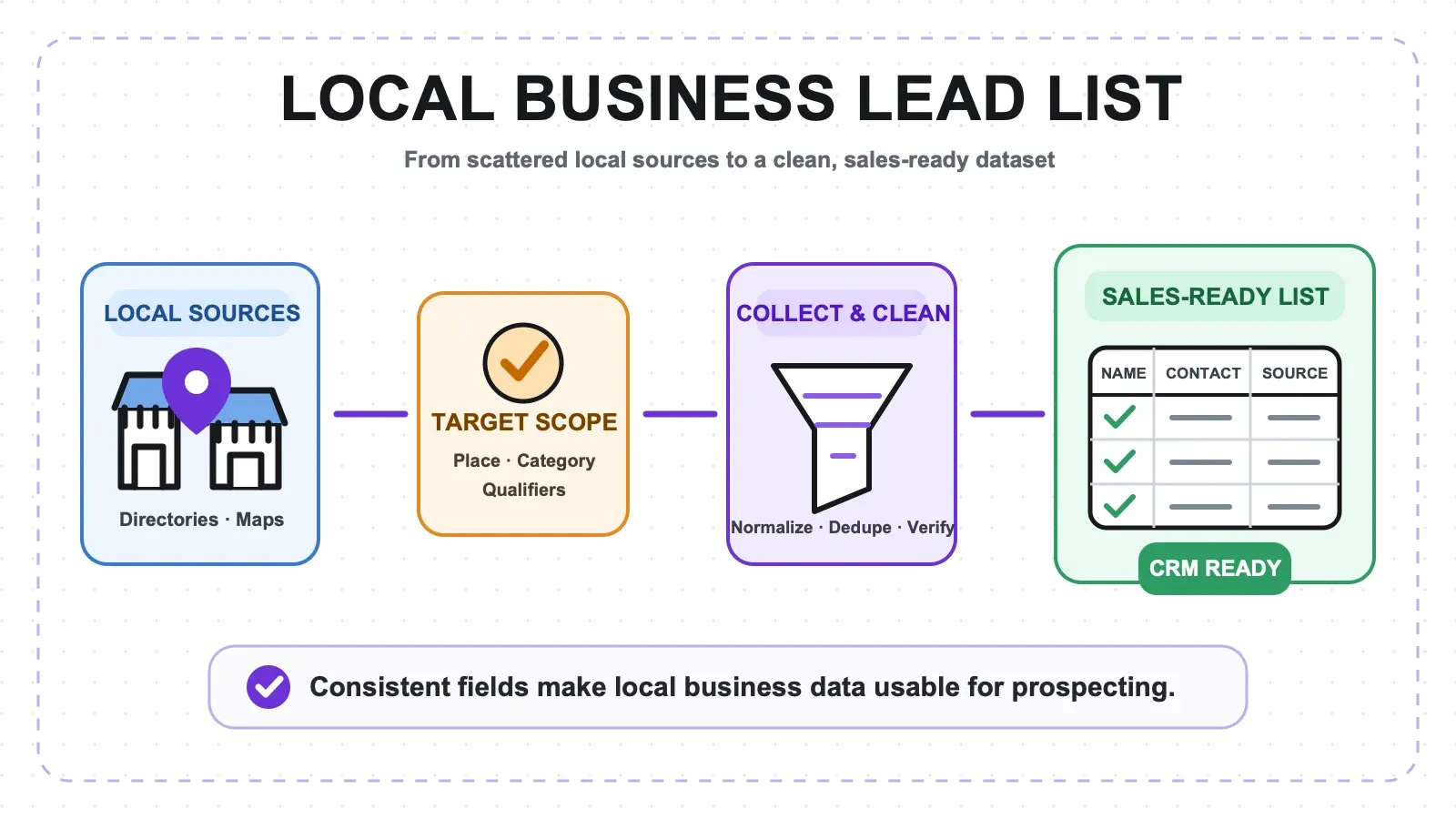
Thunderbit: Your Shortcut for Public Web Contact Data
I’ll be honest: before Thunderbit, I spent way too much time squinting at profiles and copying numbers into spreadsheets. Now, it’s a two-step process. Here’s how it works:

- Open the Thunderbit Chrome Extension on a permitted public webpage, business directory, PDF, or listing page.
- Click “AI Suggest Fields.” Thunderbit’s AI scans the page, identifies phone numbers (along with names, emails, and other fields), and suggests a structured table for extraction.
- Click “Scrape.” In seconds, you’ll have a table of all public phone numbers on the page—ready to export to Excel, Google Sheets, Airtable, or Notion.
Extract Phone Numbers from Public Web Pages with Thunderbit
Thunderbit’s Free Phone Number Extractor: How It Works
Here’s the quick workflow:
- Step 1: Go to the permitted public source you want to process.
- Step 2: Open Thunderbit, select the “Phone Number Extractor” tool, and hit “Extract.”
- Step 3: Thunderbit instantly scans the page, finds all visible phone numbers, and displays them in a clean table.
- Step 4: Export the results in your preferred format—no manual copy-paste required.
User feedback has been overwhelmingly positive, with many reporting that what used to take an hour now takes less than a minute (Thunderbit reviews).
Staying Compliant: Legal and Ethical Considerations When Finding Phone Numbers on Social Media
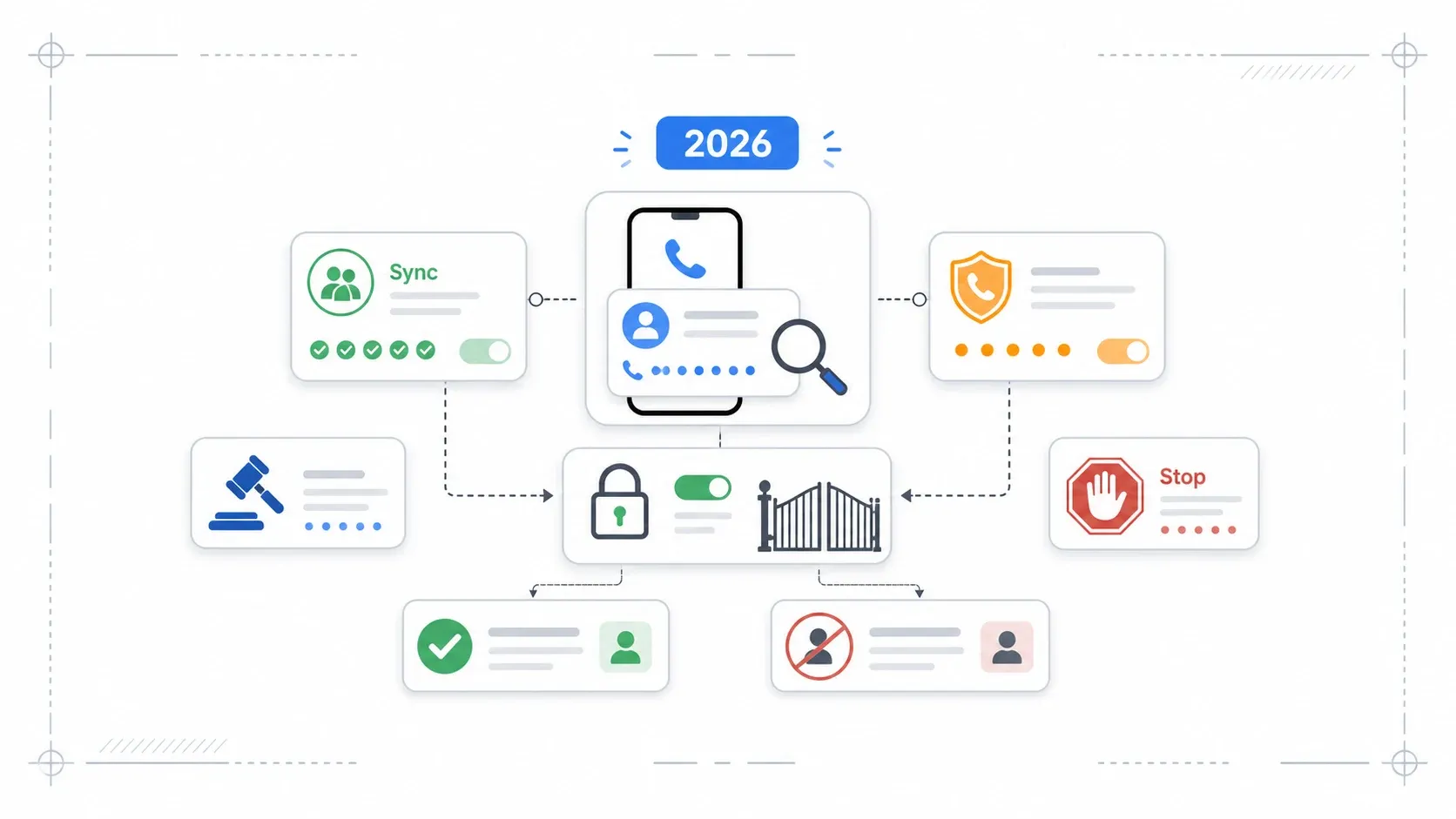
Now, a word of caution: just because you can extract a phone number doesn’t mean you should use it however you want. Data privacy laws like GDPR and CCPA require that you only use publicly available data for legitimate business purposes—and you must respect users’ privacy settings.
- Always check if the number is public: If it’s hidden behind a login or privacy wall, don’t scrape it.
- Don’t use numbers for spam: The FTC’s Do Not Call provisions apply to business outreach, too.
- Document your process: Keep records of where and how you obtained contact info, especially if you’re reaching out in regulated industries.
- Premium services: Some platforms (like LinkedIn Premium) offer enhanced access to contact info, but that data is meant to stay inside the platform—use it there, under their official terms, rather than pulling it out.
Using Thunderbit Responsibly: Compliance in Practice
Thunderbit is designed with compliance in mind. You can configure it to only extract data that’s publicly visible, and it won’t bypass privacy settings or scrape restricted info. For extra peace of mind, always:
- Review the data before exporting: Double-check that all numbers are meant for business contact.
- Use opt-out language in outreach: Give contacts a clear way to say “no thanks.”
- Stay up to date on local laws: Data privacy is a moving target—when in doubt, consult your legal team.
Try Thunderbit's Free Phone Number Extractor
Avoiding Misuse: Respecting Privacy When Detecting Phone Numbers
Respecting privacy isn’t just about following the law—it’s about building trust. Here are a few best practices I live by:
- Never use extracted numbers for unsolicited marketing or robocalls.
- Verify that the number is intended for business contact (not a personal cell, unless clearly labeled as such).
- Be transparent in your outreach: Reference where you found the number (“I saw your business line listed on your company website…”).
- Honor opt-out requests immediately: If someone asks to be removed, do it—no questions asked.
Misusing phone numbers can backfire, leading to complaints, spam reports, or even legal trouble. Play it safe and stay on the right side of privacy advocates.
Step-by-Step Guide: How to Find and Organize Phone Numbers with Thunderbit
Ready to put this into action? Here is a safer workflow for using Thunderbit on permitted public sources while keeping platform rules and privacy expectations in view:
- Install the Thunderbit Chrome Extension.
- Navigate to a permitted source such as a company website, business directory, public event page, or PDF.
- Click the Thunderbit icon in your browser.
- Select “AI Suggest Fields”—Thunderbit’s AI will scan the page and suggest columns like “Name,” “Title,” “Phone Number,” etc.
- Review and adjust the suggested fields if needed.
- Click “Scrape.” Thunderbit extracts all public phone numbers into a structured table.
- Export your data to Excel, Google Sheets, Notion, or Airtable with one click.
If you want to see this in action, check out the Thunderbit YouTube Channel for video walkthroughs and tips.
The Best Email Scrapers in 2025 Discover top tools for extracting emails and phone numbers from websites, directories, and documents. Get Started Free
Comparing Manual Social Media Research vs. Automated Extraction from Permitted Public Sources
Let’s be honest: nobody wants to spend their day copying numbers by hand. Here’s how the main methods stack up:
| Method | Speed | Accuracy | Compliance | Ease of Use | Best For |
|---|---|---|---|---|---|
| Manual Social Media Search | Slow | Medium | High | Easy | One-off profile lookups |
| Traditional Scraper | Medium | Medium | Varies | Technical | Bulk extraction (with setup) |
| Thunderbit AI (permitted public sources) | Fastest | High | High | Easiest | Anyone, any scale |
For social profiles, manual research inside each platform is the way to go. But once your list points to permitted public sources—company websites, directories, event pages, public PDFs—Thunderbit’s AI-powered approach is a huge time-saver, especially for teams that need to extract dozens or hundreds of numbers at once. Plus, it’s built for compliance—no coding, no templates, just results.
Conclusion & Key Takeaways
Finding phone numbers on social media doesn’t have to be a wild goose chase. By knowing where to look on social media (bios, contact sections, business pages), using the right tools (like Thunderbit’s AI Web Scraper) on permitted public sources such as company websites, directories, and event pages, and always putting compliance and privacy first, you can turn your research into a powerful pipeline of business contacts.
Key takeaways:
- Social media is a goldmine for business phone numbers—if you know where to look.
- LinkedIn is the top platform for B2B phone contact discovery, but Facebook and Instagram business pages are valuable too.
- Manual searching is slow and error-prone; when your leads trace back to permitted public sources (company websites, directories, event pages, public PDFs), AI-powered tools like Thunderbit make extraction fast, accurate, and compliant.
- Always respect privacy settings, use numbers only for legitimate business purposes, and stay up to date on data laws.
- Thunderbit’s free phone number extractor is the simplest way to get started—no coding, no headaches, just results.
Ready to take your outreach to the next level? Download Thunderbit and see how easy it is to extract phone numbers from permitted public sources. And if you want more tips, check out the Thunderbit Blog for deep dives on web scraping, compliance, and sales automation.
Try AI Web Scraper for Phone Numbers Get Started Free
FAQs
1. Is it legal to extract phone numbers from social media for business use?
Yes, as long as you’re only using publicly available information and respecting privacy settings. Always check local data privacy laws (like GDPR or CCPA) and avoid scraping numbers hidden behind logins or privacy walls. For more, see GDPR Local’s guide.
2. What’s the best social media platform for finding business phone numbers?
LinkedIn is the top choice for B2B contacts, thanks to its focus on professional networking and business info. Facebook and Instagram business pages are also good sources for company numbers.
3. How does Thunderbit help with phone number extraction?
Thunderbit uses AI to scan permitted public web pages, suggest relevant fields (like phone numbers), and extract the data in seconds. It’s free, accurate, and exports results in business-ready formats.
4. Can I use extracted phone numbers for marketing or sales calls?
Only if the number is clearly intended for business contact and you comply with all relevant laws (including Do Not Call lists and opt-out requests). Never use personal numbers for unsolicited outreach.
5. What should I do if a phone number is hidden or private?
Respect the user’s privacy—don’t attempt to bypass restrictions or scrape hidden data. Focus on public information, and consider reaching out via other channels if needed.
Ready to make your next business call? Thunderbit is here to help—just remember to use your new powers responsibly.
Learn More