Ever stared at a website full of juicy data—maybe a list of leads, competitor prices, or real estate listings—and thought, “If only I could get this into Excel without spending my whole afternoon copy-pasting”? You’re not alone. In fact, the average office worker spends , racking up over 1,000 copy-paste actions every week. That’s a lot of coffee breaks lost to repetitive work. As someone who’s spent years building automation tools at , I’ve seen firsthand how much time (and sanity) you can save by automating website-to-Excel data extraction—especially with the right AI-powered tools.

In this guide, I’ll break down why exporting website data to Excel is so valuable for business users, compare all the mainstream extraction methods, and show you—step by step—how to use to go from “I wish I had this in Excel” to “Here’s my spreadsheet, ready for analysis” in just a couple of clicks. Whether you’re a sales pro, an e-commerce operator, or just Excel-curious, you’ll find practical tips and real-world solutions (no coding required).
Why Extract Data from Website to Excel?
Let’s face it: Excel is still the Swiss Army knife for business data. With over , it’s the go-to tool for analysis, reporting, and integrating web data into existing workflows. But why bother extracting website data into Excel in the first place? Here’s what I see every day:

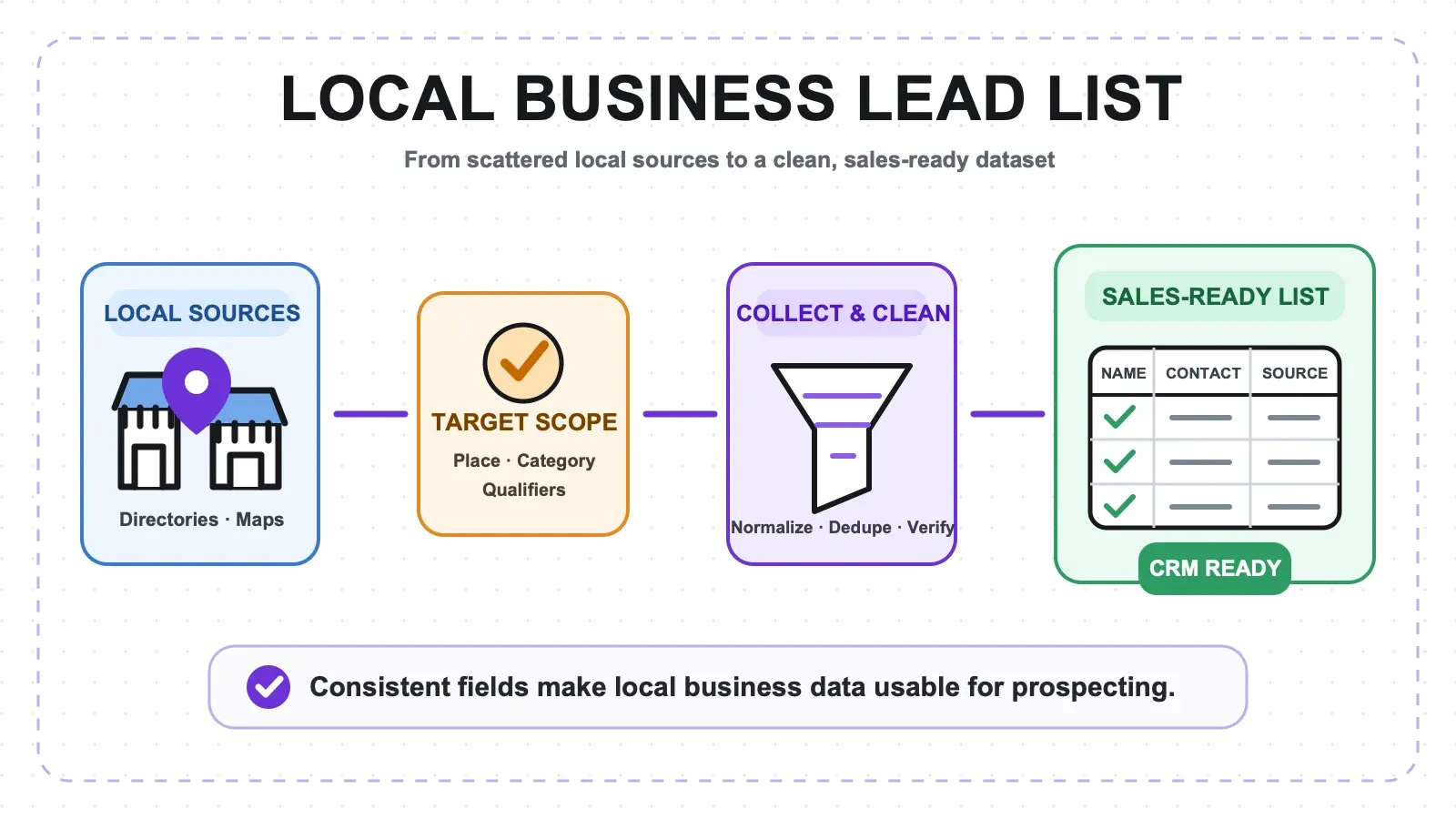
- Sales teams want to build lead lists from online directories or social networks—automating what used to be hours of prospecting.
- E-commerce operators track competitor prices and stock levels, adjusting their own pricing strategies on the fly (some report a from dynamic pricing).
- Marketers aggregate reviews and social mentions for sentiment analysis, spotting trends before they go mainstream.
- Real estate agents pull listings from sites like Zillow, comparing properties side by side to find hidden gems.
- Operations teams merge supplier catalogs or monitor market changes, all in one spreadsheet.
Here’s a quick table of the most common use cases:
| Use Case | Description | Benefits |
|---|---|---|
| Lead Generation | Scrape contacts from directories/social sites | Automates list building, saves time, more qualified leads |
| Price Monitoring | Track competitor prices, stock, promotions | Enables dynamic pricing, faster reaction to market changes |
| Market Research | Aggregate reviews, ratings, social media | Reveals trends, supports real-time marketing adjustments |
| Real Estate Listings | Collect property data (prices, features, etc.) | Spot investment opportunities, compare listings efficiently |
| Product Catalogs | Export competitor or supplier product details | Easier SKU comparison, inventory tracking, database updates |
The bottom line? By pulling web data into Excel, you get the best of both worlds: rich online information and the analytical power (and familiarity) of spreadsheets. No wonder say data-driven decisions are better decisions.
Comparing Methods for Data Extraction from Website to Excel
If you’ve ever Googled “how to get data from website to Excel,” you know there are a ton of options—some easy, some… not so much. Here’s a quick rundown of the main methods, with their pros and cons:
| Method | Ease of Use | Technical Skills Needed | Scalability & Site Complexity | Best For |
|---|---|---|---|---|
| Manual Copy-Paste | Very easy | None | Not scalable, error-prone | One-off, small datasets |
| Excel “From Web” (Power Query) | Straightforward | Basic Excel | Only works for static tables | Simple, table-based pages |
| Excel VBA Macros | Moderate/Hard | Coding (VBA) | Can automate, but breaks easily | Power users, structured sites |
| No-Code Web Scraping Tools | Moderate | Low/Medium | Handles complex sites, setup needed | Recurring, larger jobs |
| AI-Powered Chrome Extensions | Very easy | None | Handles complex/dynamic sites | Anyone needing quick, reliable results |
Manual and built-in Excel methods are fine for tiny jobs, but they fall apart fast when you need to scale—or when the website isn’t a simple table. Traditional scrapers (code or no-code) can handle more, but they require setup and ongoing maintenance. That’s where AI-powered tools like Thunderbit shine: they combine simplicity with the ability to handle even the messiest websites.
Getting Started: Data Extraction from Website to Excel with Thunderbit
Let me introduce you to , the AI-powered Chrome extension my team and I built for non-technical business users. Think of it as an AI intern that reads any webpage and spits out a perfectly formatted spreadsheet—no coding, no fiddling with selectors, no stress.
What makes Thunderbit different?
- 2-Click Data Extraction: Just hit “AI Suggest Fields” and then “Scrape.” That’s it.
- AI-Suggested Columns: Thunderbit reads the page and proposes the best column names and data types for you.
- Handles Logins, Images, PDFs: If you can see it in your browser, Thunderbit can scrape it—even behind logins or from PDFs/images.
- Automatic Pagination & Subpages: Got a multi-page directory or product list? Thunderbit can auto-click through pages and even dive into subpages for extra details.
- Instant Templates: For popular sites like Amazon, Zillow, or Shopify, you get one-click templates—no setup required.
- Flexible Export: Export directly to Excel, Google Sheets, Airtable, or Notion—free and unlimited.
Thunderbit is designed to remove every technical barrier, so you can focus on what data you need, not how to get it.
Step-by-Step Guide: Extract Data from Website to Excel Using Thunderbit
Ready to see how easy it is? Here’s how you can go from website to Excel in minutes—even if you’ve never scraped data before.
Step 1: Install Thunderbit Chrome Extension
Head over to the and add it to Chrome. The free tier lets you scrape up to 6 pages—plenty for a test run.
Step 2: Navigate to Your Target Website
Open the website with the data you want (e.g., a product catalog, directory, or search results). If the site requires a login, sign in first—Thunderbit scrapes whatever you can see in your browser.
Step 3: Open Thunderbit and Choose Your Data Source
Click the Thunderbit icon in your browser. By default, it’ll scrape the current page, but you can also paste a list of URLs for bulk jobs.
Step 4: Click “AI Suggest Fields”
Let Thunderbit’s AI scan the page. It’ll suggest relevant columns (like Name, Price, Email, etc.) and set the data types automatically. You can add, remove, or rename columns as needed.
Step 5: Refine Columns (Optional)
Want to get fancy? You can set data types (text, number, date, etc.) or add a custom Field AI Prompt for more advanced extraction (like “summarize this description” or “convert price to USD”).
Step 6: Click “Scrape”
Thunderbit will extract the data for each column, handle pagination or subpages if needed, and display the results in a table. It’s fast—think seconds, not hours.
Step 7: Review and Export to Excel
Preview your data in Thunderbit. If it looks good, click Export > Excel/CSV. Open the file in Excel, and you’re ready to analyze, chart, or share.
That’s it. No code, no templates, no headaches. Just data, ready for action.
Handling Complex Websites: Pagination, Subpages, and Dynamic Content
Websites aren’t always simple. Maybe you’re scraping a product catalog with 20 pages, or a directory where each entry links to a detailed profile. Here’s how Thunderbit tackles the tough stuff:
- Pagination: Thunderbit can auto-click “Next” buttons or scroll through infinite pages, merging all results into one dataset.
- Subpage Scraping: Need more details from each item? Thunderbit can visit every linked subpage (like product details or LinkedIn profiles) and enrich your table automatically.
- Dynamic Content: Thunderbit runs in your browser, so it sees everything you do—including content loaded by JavaScript, hidden fields, or pop-ups.
- Anti-bot Measures: In browser mode, Thunderbit mimics human browsing, so it rarely triggers blocks or CAPTCHAs. If you hit a wall, just slow down the scrape or switch modes.
One user told us Thunderbit was “the only scraper that worked on pages with pop-ups and multiple scrolls (3,000+ entries)… others couldn’t handle it. Thunderbit did. 5 stars all the way.”
Flexible Export Options: Beyond Excel (Airtable, Google Sheets, Notion)
Excel is great, but sometimes you need your data in the cloud or in a database. Thunderbit lets you export to:
- Excel/CSV: For offline analysis, pivot tables, or emailing spreadsheets.
- Google Sheets: Perfect for team collaboration, live dashboards, or feeding data into Google Data Studio.
- Airtable: Ideal for building rich, relational databases—Thunderbit even uploads images so they display in Airtable.
- Notion: Great for embedding data tables in wikis, notes, or project docs—images show up right in your Notion table.
Here’s a quick comparison:
| Export Format | Best For | Special Features |
|---|---|---|
| Excel/CSV | Offline analysis, legacy workflows | Universal, easy to share, works with any spreadsheet |
| Google Sheets | Team collaboration, live dashboards | Direct API sync, instant sharing |
| Airtable | Relational databases, inventory, projects | Images display in cells, rich views |
| Notion | Documentation, wikis, project management | Data + notes in one place, images in tables |
And yes, exporting is always free and unlimited.
Troubleshooting & Tips: Ensuring Accurate Data Extraction from Website to Excel
Even with AI, a little know-how goes a long way. Here’s how to get the cleanest data every time:
- Missing Data? Try renaming your column to be more specific (“Product Description” instead of just “Description”). Make sure the data is visible on the page—if not, scroll or click “show more” before scraping.
- Messy Formatting? Set the right data type (number, date, email) in Thunderbit. The AI will standardize formats for you.
- Pagination Issues? Double-check that pagination or infinite scroll is enabled in Thunderbit. For “Load more” buttons, make sure the extension is set to scroll or click as needed.
- Login-Protected Pages? Always log in first in your browser. Thunderbit uses your session to access the data.
- Anti-bot Blocks? Slow down the scrape, use browser mode, or schedule scrapes during off-peak hours.
- Advanced Extraction? Use the Field AI Prompt to instruct the AI (e.g., “Summarize this review in one sentence”).
- Data Cleaning: After export, use Excel’s TRIM or CLEAN functions for any lingering whitespace or odd characters.
And if you ever get stuck, Thunderbit’s and support community have your back.
Thunderbit vs. Other Data Extraction Tools: Why Choose Thunderbit?
Let’s get real: there are plenty of scrapers out there. Here’s why Thunderbit stands out:
| Feature | Thunderbit | Manual/Excel Built-in | Code/No-Code Tools |
|---|---|---|---|
| Ease of Use | 2-click, no setup | Tedious, repetitive | Moderate, setup needed |
| Technical Skills Needed | None | None (manual only) | Coding or config |
| Handles Complex Sites | Yes (AI-powered) | No | Sometimes |
| Pagination/Subpages | Automatic | No | Manual setup |
| Export Flexibility | Excel, Sheets, more | Excel only | Varies |
| Maintenance | Low (AI adapts) | N/A | High (site changes) |
| Price | Free/$15+ per month | Free | $50–$150+/mo |
Thunderbit’s secret sauce? Natural language AI. You just describe what you want (“grab all product names and prices”), and the system figures out the rest. No more learning complex tools or fixing broken scripts every time a website changes.
Conclusion & Key Takeaways
Exporting data from websites to Excel doesn’t have to be a chore—or a coding project. With AI-powered tools like , anyone can automate data extraction, handle even the most complex websites, and export to Excel (or Google Sheets, Airtable, Notion) in just a couple of clicks.
Key takeaways:
- Business value: Automating website-to-Excel extraction saves hours and reduces errors, letting you focus on analysis, not data entry.
- Thunderbit advantage: 2-click AI extraction, automatic handling of pagination/subpages, and flexible export options—no technical skills required.
- Best for non-technical users: Thunderbit is built for business teams who want results, not a new learning curve.
- Try it for free: The is free to start—see how much time you save on your next project.
Ready to ditch the copy-paste marathon? Give Thunderbit a spin and watch your data workflows transform. For more tips and deep dives, check out the .
FAQs
1. What types of website data can Thunderbit extract to Excel?
Thunderbit can extract text, numbers, dates, URLs, emails, phone numbers, and images from almost any website. It also handles dynamic content, subpages, and even PDFs or images using AI-powered OCR.
2. Do I need coding skills to use Thunderbit for website-to-Excel extraction?
Nope! Thunderbit is designed for non-technical users. Just click “AI Suggest Fields,” review the columns, and hit “Scrape.” No coding, no templates, no setup required.
3. Can Thunderbit handle complex websites with pagination or nested pages?
Absolutely. Thunderbit’s AI can auto-click through paginated listings, scroll infinite pages, and even visit subpages to enrich your data—all automatically.
4. What export options does Thunderbit offer besides Excel?
Thunderbit lets you export data directly to Google Sheets, Airtable, Notion, CSV, or JSON. You can choose the format that best fits your workflow, and exporting is always free.
5. How does Thunderbit compare to other data extraction tools?
Thunderbit stands out for its ease of use, AI-powered field detection, adaptability to website changes, and flexible export options. Unlike many traditional tools, it requires no coding or technical setup—making it ideal for business users who want fast, reliable results.
Ready to see Thunderbit in action? and try extracting data from your favorite website to Excel today. And if you want to explore more advanced workflows, the is packed with guides and inspiration.