The business world in 2026 is running on data—lots of it, and more importantly, the right kind of it. I’ve seen firsthand how the companies that treat data collection as a strategic priority are the ones pulling ahead, making smarter decisions, and spotting opportunities before their competitors even know what hit them. But here’s the twist: it’s no longer about hoarding mountains of raw information. The real winners are those who know how to collect, refine, and activate high-quality, actionable data—without drowning in manual work or compliance headaches.
If you’re in sales, operations, or marketing, you already know the pressure to deliver insights faster and more reliably than ever. This guide is for you. I’ll break down the latest trends, best practices, and practical tools (including how we built Thunderbit to tackle these exact challenges) so you can future-proof your data collection strategy and keep your business one step ahead.
The Future of Data Collection: From Volume to Value
Let’s talk about the elephant in the room: for years, the mantra was “collect more data.” But as we head into 2026, the conversation has shifted. It’s not about quantity anymore—it’s about quality and purpose. According to , data-driven companies consistently outperform their peers, but only if they trust and act on the right data. Yet, a shows that while 75% of organizations aim for data-driven decisions, 67% still lack trust in their own data.
What’s driving this shift? Two things: technology and intent. AI-powered tools are making it possible to not just collect data, but to classify, analyze, and surface insights that actually move the needle. Instead of drowning in spreadsheets, teams are using AI to filter out noise and focus on what matters. points out that AI can now spot patterns and trends that would take humans weeks to uncover, all in real time.
The bottom line? The future of data collection is about being goal-oriented and tech-driven. It’s about moving from “just in case” data hoarding to “just in time” data activation.
Traditional Data Collection Methods: Limitations and Breakthroughs
Let’s be honest: I’ve spent more hours than I care to admit wrangling spreadsheets, running manual web searches, and sending out endless surveys. Traditional data collection—think manual entry, copy-paste, or even semi-automated scripts—has always been slow, error-prone, and tough to scale. reports that employees spend up to 40% of their time on repetitive data tasks, and highlights that manual entry is a major source of costly errors.
But there’s good news: AI and natural language processing (NLP) are blowing up these bottlenecks. Modern tools can read, extract, and structure data from websites, PDFs, and images—no coding required. This isn’t just about speed (though it’s a huge win); it’s about accuracy and flexibility. AI can adapt to changing web layouts, understand context, and even categorize or translate data on the fly.
I’ve watched teams go from spending days on manual research to pulling in richer, cleaner datasets in minutes. The difference is night and day.
Thunderbit: Streamlining Data Collection Across Websites and Formats
Here’s where I get excited. At , we set out to build an AI-powered web scraper that anyone—yes, even the least technical person on your team—could use to collect data from anywhere on the web. No scripts, no templates, no wrestling with complex tools.
What makes Thunderbit different? It’s all about simplicity and flexibility:
- Natural Language Instructions: Just describe what you want (“Get product names and prices from this page”), and Thunderbit’s AI figures out the rest.
- 2-Click Workflows: Click “AI Suggest Fields” to let the AI recommend columns, then hit “Scrape.” That’s it.
- Multi-Site, Multi-Format: Scrape data from any website, PDF, or image—even if each source looks a little different.
- Subpage and Pagination Scraping: Thunderbit can automatically follow links to subpages (like product details or author profiles) and handle paginated lists.
- Instant Export: Push your data directly to Excel, Google Sheets, Airtable, or Notion—no manual cleanup required.
For sales, marketing, and ecommerce teams, this means you can finally keep up with dynamic data needs—monitoring competitors, tracking leads, or updating product catalogs—without waiting on IT or learning to code. And yes, there’s a so you can try it out risk-free.
Best Practices for Data Collection in 2026
Let’s get practical. Whether you’re a data newbie or a seasoned pro, these best practices will help you collect better data, faster—and avoid the pitfalls that trip up so many teams.
Planning Your Data Collection Strategy
Start with the end in mind. What business question are you trying to answer? What decisions will this data support? Define your objectives clearly, then identify the sources most likely to provide valuable, trustworthy data.
Don’t fall into the “collect everything” trap. Focus on high-impact data points that align with your goals. As suggests, a targeted approach not only saves time but also improves data quality.
Checklist for planning:
- Define your business objectives
- List required data fields and sources
- Prioritize quality over quantity
- Set clear timelines and responsibilities
Choosing the Right Data Collection Tools
Not all tools are created equal. Look for solutions that are easy to use, integrate with your existing workflows, and offer robust AI capabilities. Compliance features are a must, especially if you’re handling sensitive data.
Thunderbit stands out for non-technical teams because it’s built around natural language and instant export—no steep learning curve, no maintenance headaches. But whatever tool you choose, make sure it fits your team’s skills and your business needs.
Key criteria:
- Usability (can everyone on your team use it?)
- Integration options (Excel, Sheets, Notion, Airtable, etc.)
- AI and automation features
- Compliance and privacy safeguards
Defining Data Fields and Structure
This is where AI can be a lifesaver. With Thunderbit’s “AI Suggest Fields,” you can let the system scan your target page and recommend the most relevant columns—like “Name,” “Email,” “Price,” or “Category.” You can then tweak these fields or add custom prompts to refine the extraction.
The goal is to create a structure that’s both comprehensive and easy to analyze. Avoid vague or redundant fields, and use clear, business-friendly names.
Tips:
- Use AI to suggest and refine fields
- Customize prompts for unique business needs
- Keep field names clear and consistent
Ensuring Data Quality and Consistency
Garbage in, garbage out. Even the best tools can’t save you from bad data if you don’t validate and clean your results. Use automated checks to spot duplicates, missing values, or outliers. Thunderbit and similar tools offer built-in data validation and cleaning features, reducing manual review time.
According to , companies with strong data quality programs outperform their peers by up to 70%. It’s worth the effort.
Best practices:
- Validate data at the point of collection
- Use automation to flag errors or inconsistencies
- Regularly review and update your data quality rules
Integrating Data Collection with Business Workflows
Collecting data is just the first step. The real value comes from integrating that data into your day-to-day workflows—feeding it into your CRM, analytics dashboards, or operational tools.
Thunderbit makes this easy with direct exports to Excel, Google Sheets, Airtable, and Notion. No more copy-paste marathons or CSV wrangling. This seamless flow means your sales and ops teams can act on fresh data instantly, whether it’s updating a lead list or tracking competitor prices.
Benefits of integration:
- Faster decision-making
- Reduced manual effort
- Fewer data silos
- Better collaboration across teams
Data Privacy and Compliance: What Every Team Should Know
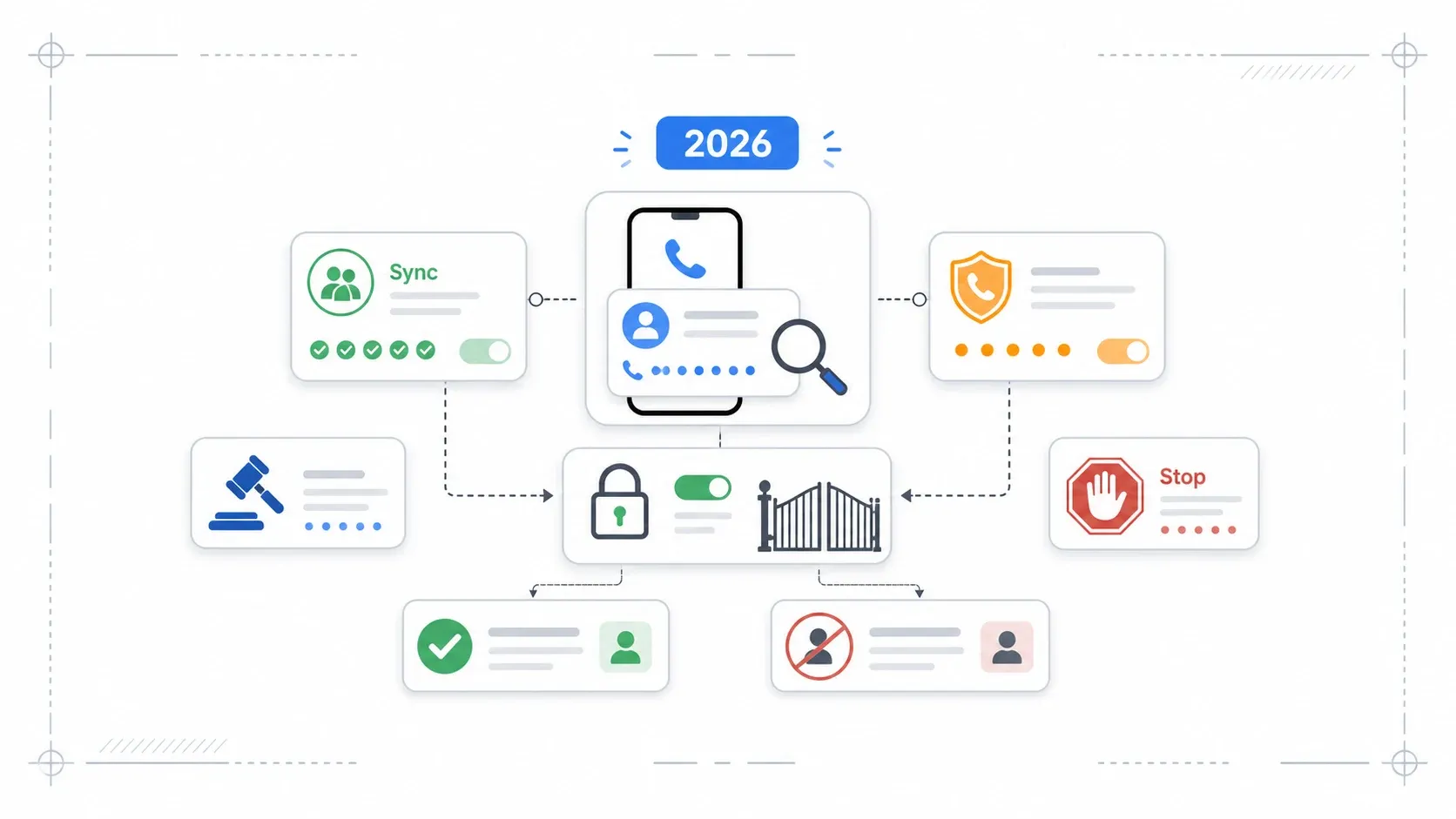
Let’s talk compliance. With regulations like GDPR and CCPA (and more on the way), collecting data responsibly isn’t optional—it’s essential. Mishandling data can lead to fines, lawsuits, and a serious hit to your reputation.
Here’s what you need to keep in mind:
- Only collect what you need: Don’t grab personal data unless it’s necessary and you have a legitimate reason.
- Respect robots.txt and terms of service: Only scrape publicly available data, and always check the site’s policies.
- Use privacy features: Tools like Thunderbit offer data masking, access controls, and audit logs to help you stay compliant.
- Educate your team: Make sure everyone understands the rules and follows best practices.
For a deeper dive, check out .
Staying Agile: Adapting Data Collection Strategies to Business and Technology Changes
If there’s one thing I’ve learned, it’s that the only constant in data collection is change. New business needs, new regulations, and new technologies mean your strategy can’t be static.
AI-driven tools like Thunderbit help you stay agile by adapting to new data sources, changing web layouts, and evolving business requirements. Set up regular reviews of your data collection processes, monitor industry trends, and be ready to pivot when needed.
Tips for staying agile:
- Schedule quarterly reviews of your data strategy
- Experiment with new tools and features
- Stay informed about regulatory changes
- Encourage feedback from your team
Overcoming Common Data Collection Challenges
Every team hits roadblocks—data silos, integration headaches, user adoption issues. Here’s how to tackle the most common ones:
- Data silos: Use tools that integrate with your existing platforms and encourage cross-team collaboration.
- Integration issues: Choose solutions with robust export and API options.
- User adoption: Pick tools with intuitive interfaces and offer training or documentation.
- Data quality: Automate validation and cleaning wherever possible.
Thunderbit was built with these challenges in mind—easy setup, instant integration, and AI-powered validation mean fewer headaches and more results.
Key Takeaways for Effective Data Collection in 2026
Let’s wrap it up. Here’s what matters most:
- Focus on quality, not just quantity: Targeted, high-value data beats massive, unfocused datasets every time.
- Leverage AI and automation: Modern tools save time, reduce errors, and unlock deeper insights.
- Integrate data into your workflows: The faster your team can act on data, the greater your competitive edge.
- Stay compliant and ethical: Protect privacy, follow the rules, and build trust with your customers.
- Keep your strategy agile: The data landscape is always shifting—be ready to adapt.
Ready to upgrade your data collection game? and see how easy it is to collect, clean, and activate the data that drives your business forward. And if you’re hungry for more tips, check out the for deep dives, tutorials, and the latest in AI-powered data collection.
FAQs
1. Why is data collection more important than ever in 2026?
Because data-driven companies consistently outperform their competitors, making faster, smarter decisions. With the right data, you can spot trends, optimize operations, and drive business growth ().
2. What are the biggest limitations of traditional data collection methods?
Manual and semi-automated methods are slow, error-prone, and hard to scale. They often result in inconsistent or outdated data, and they can’t keep up with dynamic business needs ().
3. How does Thunderbit make data collection easier for business users?
Thunderbit uses AI to automate field selection, data extraction, and cleaning—no coding required. Its natural language interface and 2-click workflows mean anyone can collect data from any website, PDF, or image, and export it instantly to their favorite tools.
4. What should I look for in a data collection tool?
Prioritize usability, integration options, AI capabilities, and compliance features. Make sure the tool fits your team’s skills and business requirements.
5. How can I ensure my data collection is compliant with privacy regulations?
Only collect necessary data, respect site policies, use privacy features like data masking and access controls, and educate your team on compliance best practices. Tools like Thunderbit are designed with these safeguards in mind ().
Want to see how Thunderbit can transform your data collection? and start building a smarter, more agile business.
Learn More