
Building a lead generation system in 2026 isn’t just a “nice-to-have”—it’s the difference between thriving and barely surviving in a world where buyers are savvier, attention spans are shorter, and AI is rewriting the rules of engagement. I’ve seen firsthand how sales and operations teams are scrambling to keep up: only about 2% of website visitors actually convert, and the rest? They’re out there, researching independently, dodging forms, and expecting personalized outreach before they’ll even consider talking to you. The good news? With the right strategy, tools, and a little AI magic, you can build a lead generation system that not only captures more leads but turns them into real, lasting customers.
Let’s break down exactly how to do it—step by step. I’ll show you how to define your audience, pick the right tools, automate the grunt work, and use AI (like Thunderbit, the tool my team and I built) to gather, analyze, and act on lead data faster than ever. Whether you’re a founder, a sales leader, or just someone tired of chasing cold leads, this guide will help you build a future-proof lead generation system for 2026 and beyond.
What Is a Lead Generation System? (And Why It Matters in 2026)
At its core, a lead generation system is an organized process for attracting, capturing, and nurturing potential customers—turning strangers into prospects, and prospects into sales opportunities. It’s not just a fancy CRM or a stack of landing pages; it’s a full-on engine that brings together strategy, technology, and workflows to make sure your pipeline never runs dry.
Why does this matter so much in 2026? Because the buying process has changed. According to Salesforce, buyers are doing more independent research than ever, and they expect a seamless, personalized experience from the first touchpoint. If you’re relying on ad hoc lead gen—random cold calls, scattered spreadsheets, or “spray and pray” email blasts—you’re already behind. A structured system lets you scale, adapt, and actually measure what’s working.
The Business Impact: Why Your Lead Generation System Is Crucial for Growth
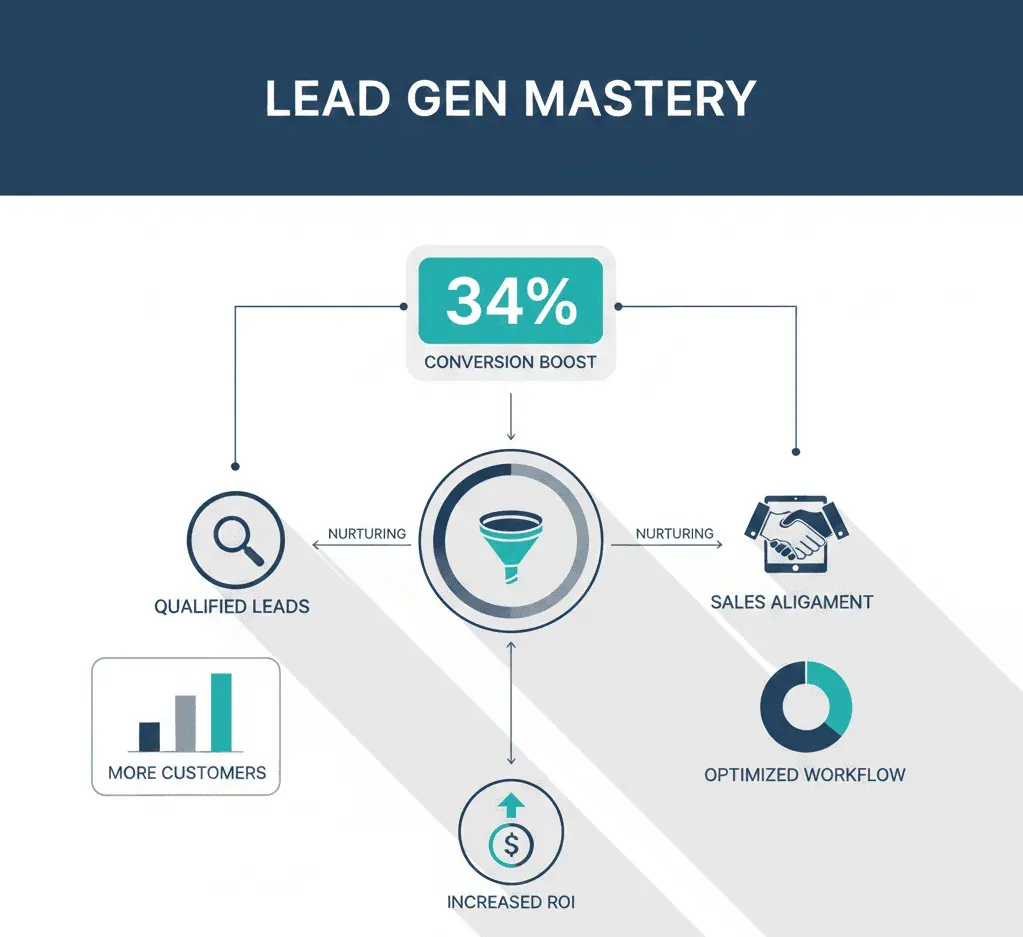
Let’s get real: a strong lead generation system is the backbone of growth for any modern business. Here’s what you stand to gain:
- More (and better) leads: A systematized approach means you’re not just getting more names—you’re getting the right ones, at the right time.
- Higher conversion rates: By nurturing leads with relevant content and timely follow-ups, you move them down the funnel faster (theinsightcollective).
- Better sales and ops alignment: Everyone works from the same playbook, with clear handoffs and accountability.
- Improved ROI: Automated workflows and AI-powered insights mean less wasted effort and more closed deals.
Here’s a quick snapshot of where a lead generation system delivers ROI:
| Use Case | Old Way (Manual) | With a System (Automated) |
|---|---|---|
| Lead Capture | Scattered forms, missed follow-ups | Centralized, instant notifications |
| Market Research | Hours of manual research | AI-driven data extraction in minutes |
| Workflow Automation | Manual data entry | Automated enrichment & routing |
| Sales Outreach | Cold, generic emails | Personalized, timely sequences |
The bottom line: companies with a structured lead generation system see higher conversion rates and faster sales cycles.
Key Steps to Building an Effective Lead Generation System
So, how do you actually build a system that works in 2026? Here’s my step-by-step playbook:
1. Define Your Target Audience and Ideal Customer Profile (ICP)
Don’t skip this. The clearer you are about who you’re targeting, the more effective every other step becomes. Build your ICP based on:
- Demographics (industry, company size, role)
- Pain points and goals
- Buying triggers (e.g., recent funding, hiring sprees, tech stack changes)
Pro tip: Interview your best customers and your sales team. What patterns do you see?
2. Select the Right Tools and Channels
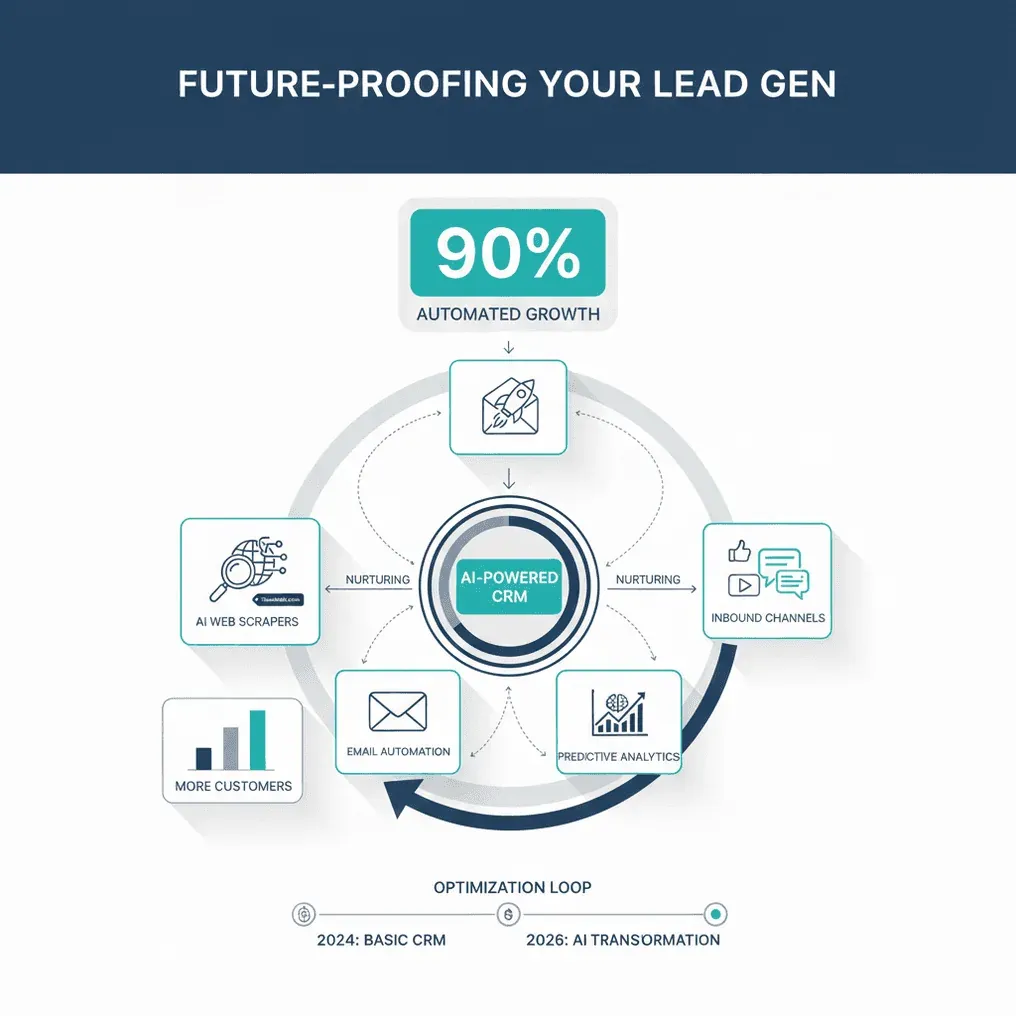
You need more than just a CRM. Think about:
- AI Web Scrapers (like Thunderbit) for gathering fresh lead data from anywhere on the web
- Email automation platforms for nurturing
- Social and content channels for inbound
- Integrations to tie everything together
Choose tools that play nicely together and don’t require a PhD to operate.
3. Craft a Content Strategy That Attracts and Engages
Content is still king—but only if it’s relevant and timely. Build content pillars around your ICP’s pain points, and map content to each stage of the buyer’s journey. Think:
- Educational blog posts and guides
- Case studies and testimonials
- Interactive tools or calculators
- Personalized email sequences
4. Set Up Automated Workflows for Lead Capture and Nurturing
Automation is your secret weapon. Set up workflows that:
- Instantly capture leads from forms, scraped lists, or inbound channels
- Enrich lead data automatically (company info, social profiles, etc.)
- Trigger personalized follow-ups based on lead behavior (downloads, page visits, replies)
- Route leads to the right sales rep or nurture sequence
The goal: no lead slips through the cracks, and every touchpoint feels personal.
Integrating Thunderbit: Streamlining Lead Data Collection with AI Web Scraper
Scrape lead data from any website using AI Get Started Free
Here’s where Thunderbit comes in—and yes, I’m a little biased, but for good reason. Thunderbit is an AI Web Scraper Chrome Extension built for business users who want to collect high-quality lead data without coding or complex setup.
How does it work?
- AI Suggest Fields: Just click “AI Suggest Fields,” and Thunderbit reads the page, then recommends the best columns to extract (names, emails, company info, etc.).
- Subpage Scraping: Need more details? Thunderbit can visit each subpage (like individual profiles or company pages) and enrich your table automatically.
- Instant Export: Export your leads directly to Excel, Google Sheets, Airtable, or Notion—no manual copy-paste required.
- Bulk Scraping: Paste a list of URLs, and Thunderbit will scrape each one in parallel, structuring the data for you.
Compared to the old way—manually copying info from directories, LinkedIn, or event sites—Thunderbit is a massive time-saver. One user told me they built a list of 500 targeted leads in under 30 minutes, something that used to take them a full week.
For a deeper dive, check out How to Scrape Any Website Using AI.
Try Thunderbit for Lead Generation
Automating Your Lead Generation Workflows for Scale
Let’s talk about scale. Once you’ve got your lead data flowing in, automation takes over:
- Thunderbit scrapes and structures the data.
- Your CRM or marketing automation tool ingests new leads and enriches them (think Clearbit, HubSpot, or Salesforce).
- Automated email sequences or LinkedIn outreach tools (like Outreach or Apollo) nurture leads based on their behavior.
- Triggers and integrations (using Zapier, Make, or native connectors) keep everything in sync.
Here’s a simple workflow:
- Scrape 200 company profiles with Thunderbit.
- Export to Google Sheets or your CRM.
- Automatically enrich with company size, industry, and recent news.
- Trigger a personalized email sequence for each new lead.
- Track opens, clicks, and replies—then route hot leads to your sales team.
The result? Your team spends less time on data entry and more time closing deals.
Using AI Insights to Boost Lead Engagement and Personalization
AI isn’t just for scraping data—it’s for making sense of it. With tools like Thunderbit, you can:
- Segment leads by behavior, industry, or buying signals
- Analyze engagement (who’s opening emails, clicking links, visiting your site)
- Trigger personalized content based on real-time data (e.g., send a case study after a lead visits your pricing page)
According to Salesforce, companies using AI for personalization see higher engagement and conversion rates. Even if you’re not a data scientist, Thunderbit’s AI-driven prompts and field suggestions make it easy to start.
Continuous Optimization: Keeping Your Lead Generation System Sharp
See more lead generation strategies Get Started Free
No system is “set it and forget it.” The best teams are always measuring, learning, and improving. Here’s how:
- Track key metrics: Lead quality, conversion rates, response times, and pipeline velocity.
- Collect feedback: From sales, marketing, and even your leads (why did they convert—or not?).
- Test and iterate: Try new content, tweak your outreach timing, experiment with different lead sources.
- Automate reporting: Use dashboards to keep everyone aligned and spot trends early.
A simple feedback loop: Collect data → Analyze results → Test improvements → Repeat.
Standing Out: Making Your Lead Generation System Competitive in 2026
Let’s face it—everyone’s trying to build a better mousetrap. Here’s how to make your lead generation system stand out:
- Leverage innovative tools: Use Thunderbit to tap into unique data sources your competitors might miss.
- Adopt privacy-first practices: Focus on first-party data and transparent consent—buyers care about this more than ever.
- Build real relationships: Don’t just blast emails; engage authentically on social, at events, and through personalized content.
- Continuously innovate: Stay on top of trends (AI, automation, new channels) and be willing to experiment.
The companies that win in 2026 will be the ones who combine cutting-edge tech with genuine human connection.
Comparing Lead Generation Tools and Solutions
Here’s a quick side-by-side of Thunderbit and some other popular lead generation tools:
| Tool | Ease of Use | AI Capabilities | Automation | Data Export | Pricing |
|---|---|---|---|---|---|
| Thunderbit | Very Easy | Advanced (AI Suggest, Subpage Scraping) | High (Bulk, Scheduling) | Excel, Sheets, Notion, Airtable | Free tier, paid from $15/mo |
| Leadinfo | Medium | Basic | Medium | CSV, CRM | Paid only |
| Improvado | Medium | Medium | High | CSV, BI Tools | Paid only |
| Apollo | Medium | Medium | High | CSV, CRM | Paid only |
| Lusha | Medium | Basic | Medium | CSV, CRM | Paid only |
Thunderbit stands out for its AI-driven scraping, ease of use for non-technical users, and flexible export options. For a deeper comparison, see The Best Web Scraping Tools & Software in 2025.
Step-by-Step Guide: Setting Up Your Lead Generation System
Ready to get started? Here’s your checklist:
- Define your target audience and ICP: Interview customers, analyze your best deals, and document your ideal profiles.
- Select and set up your tools: Install Thunderbit, connect your CRM, and choose your automation stack.
- Build your content and outreach strategy: Map content to buyer stages, set up nurture sequences, and plan your campaigns.
- Automate workflows: Use Thunderbit to scrape leads, automate enrichment, and trigger follow-ups.
- Monitor, analyze, and optimize: Track your KPIs, collect feedback, and iterate every month.
For more visual guides and templates, check out the Thunderbit Blog.
Start Building Your Lead Generation System
Conclusion & Key Takeaways
Building a lead generation system for 2026 isn’t just about collecting names—it’s about creating a repeatable, scalable engine that attracts, captures, and converts the right prospects. With AI-powered tools like Thunderbit, you can automate the grunt work, personalize your outreach, and continuously optimize for better results. The winners in the next wave of sales and marketing will be those who combine smart systems with authentic engagement.
Ready to future-proof your pipeline? Download Thunderbit and start building your lead generation system today. Your 2026 self will thank you.
Try Thunderbit AI Web Scraper for Lead Generation Get Started Free
FAQs
1. What is a lead generation system?
A lead generation system is an organized process for attracting, capturing, and nurturing potential customers, using a mix of strategy, technology, and workflows to build a steady pipeline of qualified leads.
2. Why is AI important for lead generation in 2026?
AI helps automate data collection, analyze lead behavior, and personalize outreach—making your system faster, smarter, and more effective at converting leads.
3. How does Thunderbit improve lead data collection?
Thunderbit uses AI to scrape lead data from any website, structure it automatically, and export it directly to your CRM or spreadsheet—saving hours of manual work.
4. What metrics should I track in my lead generation system?
Key metrics include lead quality, conversion rates, response times, and pipeline velocity. Regularly reviewing these helps you optimize your system.
5. How can I keep my lead generation system competitive?
Leverage innovative tools like Thunderbit, focus on first-party data, personalize your outreach, and continuously test and improve your workflows to stay ahead of the competition.
For more tips and deep dives, check out the Thunderbit Blog.
Learn More