Sales teams do not lose momentum because they lack effort. They lose it because too much of the week still disappears into list building, CRM cleanup, follow-up admin, handoff confusion, and scattered tool context. Salesforce said in its that sellers spend only 40% of their time actually selling, while AI and AI agents are now the top growth tactic for sales teams.
That is the real reason sales acceleration software still matters in 2026. The best tools do not just add another dashboard. They reduce the drag between prospecting, outreach, meetings, deal coaching, and account growth. This annual shortlist is built for fast evaluation, not logo collecting. I reviewed the current product pages, workflow positioning, and public pricing signals for the tools below on May 12, 2026, then kept the list focused on tools that still solve a real revenue bottleneck.
Quick Picks by Workflow
- Need fresh lead data from live websites, directories, and niche sources? Start with .
- Need an all-in-one CRM plus automation stack for a growing team? Shortlist and .
- Need outbound execution and follow-up discipline? Compare and .
- Need call coaching and deal visibility? Go straight to .
- Need social selling plus contact discovery? Pair with .
- Need scheduling, demos, and meeting conversion? Look at and .
What Counts as a Sales Acceleration Tool?
Sales acceleration is a workflow category, not a single product type. A tool belongs here if it helps reps move from target account to active conversation to closed deal with less admin and better timing.
| Category | What It Accelerates | Examples in This List |
|---|---|---|
| CRM and pipeline systems | Deal tracking, activity visibility, forecasting, follow-up discipline | HubSpot Sales Hub, Salesforce Sales Cloud |
| Prospecting and data tools | Lead discovery, enrichment, account targeting, list building | Thunderbit, LinkedIn Sales Navigator, Cognism, Leadbeam |
| Outreach and engagement tools | Sequencing, email execution, rep task flow, multichannel follow-up | Salesloft, Outreach, Yesware |
| Revenue intelligence and coaching | Call analysis, rep coaching, deal inspection, next-best actions | Gong |
| Sales workflow utilities | Scheduling, demos, calling, chat-based alerts | Calendly, Walnut, Aircall, Troops |
| Account growth and strategic selling | Stakeholder mapping, whitespace discovery, expansion planning | DemandFarm |
What matters is not whether a tool calls itself "AI," "engagement," or "revenue intelligence." What matters is whether it removes friction from a step that currently slows your team down.

Why Sales Acceleration Tools Matter in 2026
The pressure on revenue teams is not hypothetical. Buyers expect faster responses, more relevant outreach, cleaner handoffs, and fewer generic follow-ups. At the same time, the stack is getting noisier. Salesforce's February 2026 update says top-performing teams are more likely to use AI agents than underperformers, but tool sprawl still creates execution drag if the workflow is not stitched together properly.
That is why the strongest sales acceleration tools tend to do one of four jobs very well:
- reduce manual data handling
- help reps prioritize the right accounts or contacts
- automate or structure the next action
- give managers better visibility into deal health and rep behavior
If you want one official walkthrough that shows how a modern sales platform tries to combine CRM, AI assistance, and daily execution, HubSpot's own tutorial is a useful orientation pass.
How to Choose the Right Sales Acceleration Tool
Do not start with feature checklists. Start with the specific delay inside your process.
- Find the bottleneck first. Is the problem not enough qualified leads, slow follow-up, weak coaching, poor CRM hygiene, or scattered account context?
- Match the tool to the role. SDRs usually want speed and rep usability. Managers want visibility and coaching. RevOps wants clean integration and low maintenance.
- Prefer workflow fit over feature volume. A lighter tool that reps actually use beats a platform that takes six weeks to operationalize and never gets adopted.
- Check the integration path. Your CRM, email, calendar, dialer, and Slack environment matter more than a long AI feature list.
- Be realistic about cost. Free trials and low entry pricing help, but the real question is whether the tool saves rep time or improves conversion enough to justify staying in the stack.
The fastest way to make a bad tool decision is to buy for the imagined future state instead of the current friction point.

The 15 Best Sales Acceleration Tools in 2026
1. : Best for Live Web Prospecting and Lead Enrichment

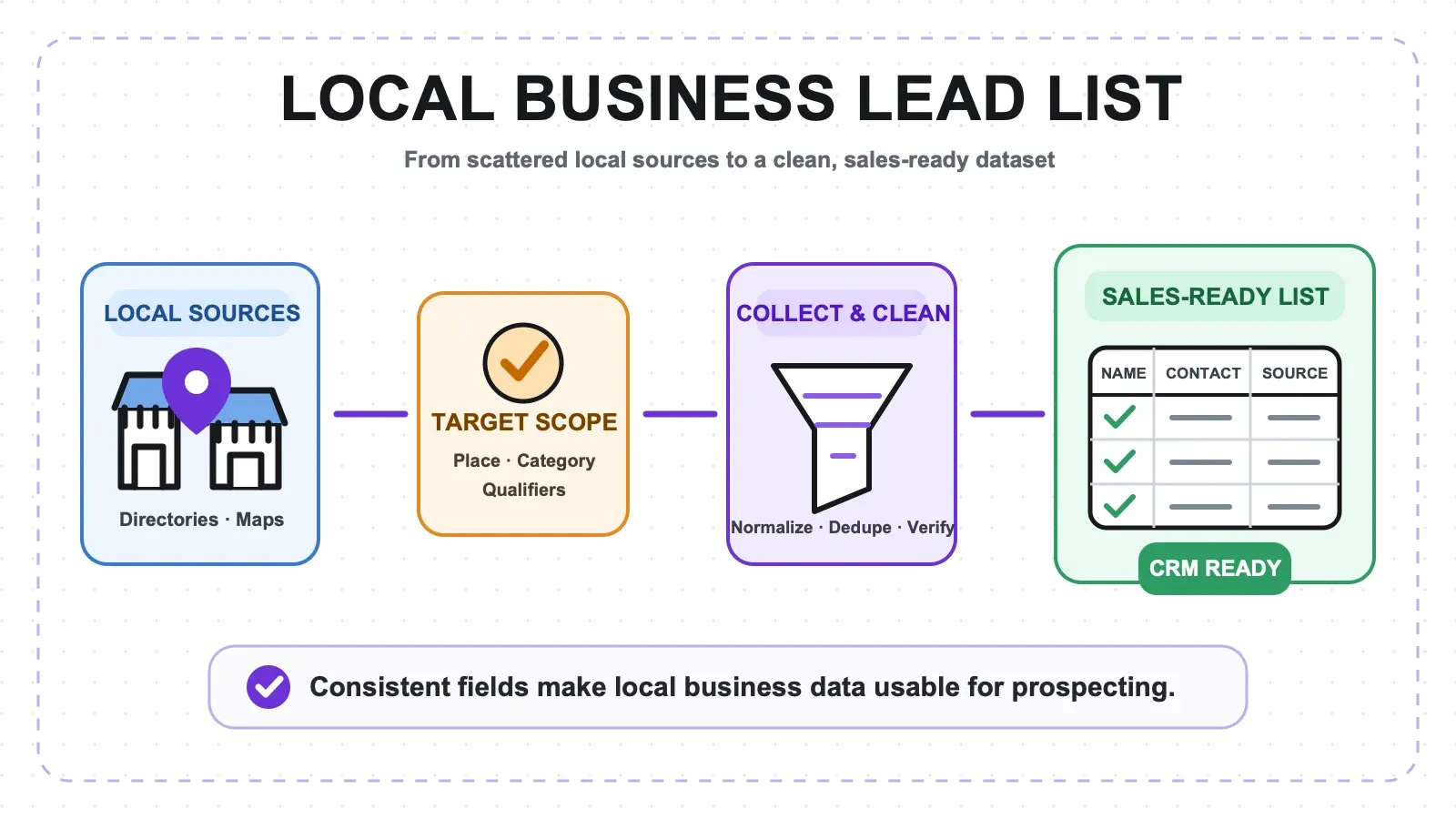
is the best fit on this list when your sales process starts before the CRM ever gets touched. If your reps or ops team spend time pulling names, emails, phone numbers, company details, pricing clues, job postings, directory listings, or niche market data from public websites, Thunderbit compresses that work into a repeatable workflow.
What makes it stand out:
- AI Suggest Fields: Thunderbit reads the page structure and proposes the fields to extract.
- Subpage scraping: You can scrape the list page, then open each detail page automatically for richer contact and company context.
- No-code exports: Send results to Excel, Google Sheets, Airtable, or Notion without gating exports behind a developer workflow.
- Scheduled refreshes: Useful for recurring lead lists, competitive monitoring, or niche market watchlists.
This is not a classic static-database sales tool. That is exactly why it earns the top spot. In 2026, a lot of the highest-value sales data still lives on the open web, not inside a purchased contact database.
Best for: SDRs, founder-led sales, RevOps, niche prospecting, live list building, and teams that want fresher public-web data than static databases usually provide.
Pricing signal: Free tier available; paid plans available on .
2. : Best All-in-One Sales Stack for SMB and Mid-Market Teams

remains one of the cleanest answers for teams that want CRM, pipeline visibility, scheduling, email engagement, automation, and AI assistance inside one system. Its biggest strength is not raw complexity. It is usability.
What it does well:
- Unified sales workspace: CRM context, tasks, sequences, and pipeline views stay close together.
- Email and calendar fit: Strong Gmail and Outlook compatibility for daily rep execution.
- Accessible automation: Useful for follow-ups, task creation, routing, and lead handoff without a heavy ops burden.
- AI-assisted workflows: HubSpot now positions Sales Hub explicitly around AI-powered pipeline and deal execution.
Best for: Startups, SMBs, and mid-market teams that want one platform reps can actually adopt quickly.
Pricing signal: Free tools and public paid plans available via .
3. : Best for Enterprise CRM and Custom Sales Processes

still owns the enterprise end of this market, even as Salesforce's current product messaging increasingly uses "Agentforce Sales" for the AI-led layer. If your sales process is complex, globally distributed, or deeply customized, Salesforce remains one of the strongest operating systems for it.
Why large teams still choose it:
- Deep customization: Objects, workflows, permissions, and reporting can be tailored to complex revenue motions.
- Forecasting and management depth: Strong for layered teams that care about pipeline inspection and operational governance.
- Broad ecosystem: AppExchange and adjacent Salesforce products still matter for large stack design.
- AI direction: Salesforce is pushing AI agents directly into prospecting, follow-up, and selling workflows.
Best for: Enterprise sales organizations, multilayered processes, and teams with strong RevOps ownership.
Pricing signal: Public editions exist, but serious deployments often expand through add-ons and enterprise configuration. Start with .
4. : Best for Multichannel Outreach Cadences

is one of the strongest picks when the real challenge is follow-up consistency across email, calls, and rep task flow. It is built for teams that need outbound discipline, not just contact storage.
What it does well:
- Cadence management: Strong for consistent, multistep follow-up.
- Rep task orchestration: Keeps the next action visible instead of buried in inbox noise.
- Conversation and deal context: Salesloft has continued expanding beyond pure sequencing into broader execution and revenue workflow support.
- CRM compatibility: Especially useful when your primary system of record already lives elsewhere.
Best for: SDR teams, outbound-heavy mid-market orgs, and AEs who need structured follow-up motion.
Pricing signal: Quote-based for most serious deployments. Use the to book evaluation.
5. : Best for Revenue Intelligence and Call Coaching
remains one of the clearest category leaders in conversation intelligence. It records, transcribes, analyzes, and surfaces patterns from sales interactions so managers and reps can coach against real deal behavior instead of anecdote.
Why it stays important:
- Call and meeting intelligence: Good for spotting patterns across winning and stalled deals.
- Deal inspection: Managers can review signals without relying on rep memory alone.
- Coaching leverage: Gong is especially useful when a team needs consistent rep development across multiple sellers.
- Revenue visibility: Stronger than traditional note review for understanding how deals actually progress.
Best for: Sales leaders, enablement teams, enterprise reps, and orgs that want better forecasting input from customer conversations.
Pricing signal: Quote-based. Start with the .
If you want a short official overview of how Gong frames its revenue-intelligence layer today, this product video is a good mid-article evaluation pass.
6. : Best for Social Selling and Account Research

is still the default social-selling platform because it sits on top of LinkedIn's unmatched professional graph. The official product page now highlights trust from more than 1.5 million sellers, which makes sense: for account research, job-change monitoring, and targeted outreach prep, it still belongs in many B2B stacks.
Key strengths:
- Advanced targeting filters: Useful for narrowing account and lead lists fast.
- Buying-signal context: Job changes, company updates, and profile activity help reps time outreach better.
- CRM connection: Better when paired with Salesforce, HubSpot, or an enrichment layer.
- Warm-path selling: TeamLink and shared-network context still matter when relationships drive outcomes.
Best for: B2B outbound teams, account-based sales, and reps selling into relationship-heavy markets.
Pricing signal: Paid plans with team and enterprise options. See .
7. : Best for Compliant B2B Contact Data, Especially in EMEA

earns its place when phone-verified contacts, international coverage, and compliance matter more than a flashy outbound UI. Its positioning remains strongest around B2B data quality and EMEA fit.
Where it helps most:
- B2B contact intelligence: Stronger when the team needs reliable outbound inputs rather than just a prospecting browser extension.
- International coverage: Often shortlisted for Europe-focused sales teams.
- Enrichment and sync: Useful for keeping CRM records more complete.
- Intent and trigger layers: Helpful when paired with a broader outbound system.
Best for: Mid-market and enterprise teams, international sellers, and compliance-sensitive prospecting workflows.
Pricing signal: Quote-based. Review the for product and pricing conversations.
8. : Best for Frictionless Meeting Booking

solves a narrower problem than many tools in this list, but it solves it extremely well. When a lead is ready to talk, the last thing you want is five emails about availability.
Why it still belongs here:
- Fast booking links: Removes scheduling drag from demos, discovery calls, and follow-ups.
- Round-robin and routing: Useful for shared inbound and SDR teams.
- Reminder automation: Helps reduce no-shows and back-and-forth.
- Calendar and conferencing integrations: Keeps the workflow lightweight.
Best for: Any team booking meaningful demo volume, especially inbound and SDR-led motions.
Pricing signal: Free plan and paid tiers available on .
9. : Best for Interactive Product Demos

is a good fit when live product demos are a bottleneck. Instead of relying on a fragile staging environment or generic screenshots, Walnut helps teams build controlled, personalized demo experiences that are easier to share and repeat.
What it does well:
- Interactive demo creation: Useful for personalized selling without a heavy engineering dependency.
- Self-guided sharing: Helps multi-stakeholder deals continue moving between meetings.
- Message control: Better than improvising in a live environment that can break or distract.
- Engagement analytics: Helps sellers see what prospects actually explored.
Best for: SaaS sales teams, solution consultants, and GTM teams with complex demo stories.
Pricing signal: Quote-based. Start at the .
10. : Best for Slack-Native Revenue Alerts and Workflow Updates
is still relevant for teams that live in Slack and want pipeline changes, reminders, and lightweight CRM interactions to happen where the conversation already is. It is less about replacing the CRM and more about making revenue activity visible in the flow of work.
Why teams use it:
- Slack-based deal alerts
- Faster manager visibility into changes
- Lightweight task and update workflows
- Better collaboration around active opportunities
Best for: Distributed revenue teams, Slack-heavy orgs, and leaders who want real-time deal visibility without hunting through CRM tabs.
Pricing signal: Contact the vendor through the .
11. : Best for Cloud Calling in Modern Sales Teams
remains one of the more practical cloud phone systems for sales teams that need calling, call logging, routing, and analytics without a legacy PBX headache. It is not trying to replace your CRM. It is trying to make the calling layer more usable.
Why it makes the shortlist:
- Rep-friendly dialer workflows
- Automatic logging and analytics
- International and remote-team readiness
- CRM and help-desk integrations
Best for: Inside sales teams, SDR teams, and revenue orgs that still depend heavily on voice.
Pricing signal: Public plans available through .
12. : Best Lightweight Email Productivity Layer

is a useful middle ground for teams that want better tracking, templates, and inbox productivity without committing to a full enterprise engagement suite.
Where it helps:
- Email tracking and follow-up timing
- Templates and simple campaign workflows
- Meeting links and basic rep productivity
- Lower-friction adoption for smaller teams
Best for: Individual reps, small teams, and email-heavy sellers who want fast time to value.
Pricing signal: Public plans available on .
13. : Best for Strategic Account Growth

belongs on this list because sales acceleration is not only about top-of-funnel speed. In enterprise accounts, growth often depends on stakeholder mapping, whitespace discovery, and better expansion planning.
Why it stands out:
- Account planning structure
- Relationship and org mapping
- Whitespace visibility
- Better focus on expansion paths inside large accounts
Best for: Strategic account teams, enterprise sales, and land-and-expand motions.
Pricing signal: Quote-based. Use the for evaluation.
14. : Best for Enterprise Sales Engagement Execution

remains a serious contender for teams that want sequencing, rep workflow guidance, and broader revenue execution support in one engagement layer. It competes most directly with Salesloft, but some teams prefer Outreach when they want a larger operational surface around pipeline productivity.
What it does well:
- Sales engagement and sequencing
- Rep workflow structure
- Pipeline productivity support
- Enterprise deployment fit
Best for: Mid-market and enterprise outbound teams that want a dedicated engagement system.
Pricing signal: Paid plans and demos available via the .
15. : Best for Field Sales Lead Discovery and Territory Execution

is the most specialized tool in this roundup, but it is useful because field sales has a different acceleration problem. Reps do not just need better follow-up. They need better route context, better local targeting, and less admin while moving through territory.
Why it earns the last spot:
- Field-team prospect discovery
- Territory and route context
- Mobile-first workflow orientation
- Useful overlap between list building and on-the-ground execution
Best for: Outside sales, territory teams, and field motions where geography still matters.
Pricing signal: See .
Comparison Table: Best Sales Acceleration Tools at a Glance
| Tool | Best For | Standout Strength | Pricing Signal |
|---|---|---|---|
| Thunderbit | Live web lead sourcing | AI field extraction plus subpage scraping | Free tier; paid plans |
| HubSpot Sales Hub | SMB and mid-market all-in-one sales stack | CRM, automation, scheduling, AI assistance | Free tools; public paid plans |
| Salesforce Sales Cloud | Enterprise CRM and custom workflows | Deep customization and ecosystem breadth | Public editions; enterprise expansion common |
| Salesloft | Structured outbound cadences | Multichannel rep task orchestration | Quote-based |
| Gong | Call intelligence and deal coaching | Conversation intelligence and deal visibility | Quote-based |
| LinkedIn Sales Navigator | Social selling and account research | Professional graph plus targeting filters | Paid plans |
| Cognism | Compliant B2B contact intelligence | EMEA fit and contact data quality | Quote-based |
| Calendly | Demo and meeting booking | Fast scheduling and routing | Free plan; paid tiers |
| Walnut | Interactive demo selling | Personalized self-guided demos | Quote-based |
| Troops | Slack-native revenue workflows | Real-time alerts and chat collaboration | Contact vendor |
| Aircall | Sales calling layer | Dialing plus call logging and analytics | Public plans |
| Yesware | Lightweight inbox productivity | Tracking, templates, and follow-up timing | Public plans |
| DemandFarm | Strategic account growth | Org mapping and whitespace visibility | Quote-based |
| Outreach | Enterprise sales engagement | Sequencing plus rep workflow support | Paid plans |
| Leadbeam | Field sales acceleration | Territory-aware lead discovery | Demo and pricing by vendor |
How to Match These Tools to Your Team
There is no single perfect stack. The right combination depends on where your revenue motion slows down.
| Team Type | Recommended Starting Stack | Why It Fits |
|---|---|---|
| SMB | HubSpot Sales Hub + Thunderbit + Yesware | Keeps CRM, lead sourcing, and rep execution lightweight |
| Mid-Market | Salesforce or HubSpot + Salesloft + Gong + Thunderbit | Balances pipeline control, outbound structure, coaching, and live prospecting |
| Enterprise | Salesforce Sales Cloud + Gong + DemandFarm + Outreach | Better fit for complex process, strategic accounts, and layered management |
| Field Sales | Leadbeam + Thunderbit + Calendly | Connects local targeting, route context, and lower scheduling friction |

My practical recommendation is simple:
- if your bottleneck is lead discovery, start with Thunderbit or Cognism
- if your bottleneck is rep follow-up discipline, start with Salesloft, Outreach, or HubSpot
- if your bottleneck is deal coaching and inspection, start with Gong
- if your bottleneck is enterprise account growth, start with DemandFarm
The official Thunderbit tutorial below is a good example of what "sales acceleration" looks like when the problem is still upstream at the data-collection stage.
Final Takeaways
- Sales acceleration is a workflow problem first. Buy for the friction point, not the category label.
- The best stack is usually a combination. CRM, prospecting, engagement, and intelligence often live in different tools for good reason.
- Fresh data matters more than larger claims. Static databases still help, but many teams now need live public-web sourcing too.
- Adoption matters more than feature count. A tool that reps use every day is worth more than a platform they avoid.
If I were building a modern sales stack from scratch in 2026, I would start by asking one question: where are reps losing time before the next meaningful customer interaction happens? The answer usually tells you whether to buy a CRM layer, an engagement layer, an intelligence layer, or a prospecting layer first.
Related Reading
FAQs
1. What are sales acceleration tools?
Sales acceleration tools help sales teams move faster from target account to active conversation to closed deal. They usually reduce admin, improve timing, structure rep follow-up, or provide better data and coaching.
2. Which sales acceleration tool is best for lead generation?
For live public-web lead generation, is the strongest fit in this list. For broader B2B contact intelligence, is a strong complementary option.
3. Which tool is best for an all-in-one sales stack?
is the easiest all-in-one option for many SMB and mid-market teams, while is the stronger fit for enterprise complexity.
4. How should I evaluate ROI from a sales acceleration tool?
Measure whether it improves one of the following: rep time spent selling, lead response speed, pipeline conversion, meeting volume, or deal velocity. If you cannot map the tool to a clear operational bottleneck, the ROI story will usually stay weak.
5. What makes Thunderbit different from a standard sales database?
Thunderbit is built for extracting and structuring live data from the web, not just querying a prebuilt contact database. That makes it especially useful when your best lead sources live in directories, listings, PDFs, review sites, or other public pages the major databases do not cover well.