Best Practices for Using the Best Web Scraping Tools Today

Last Updated on January 14, 2026

If you’ve ever tried to make sense of the web’s endless data streams, you know it’s not just about finding information—it’s about finding the right information, fast, and turning it into something your business can actually use. In today’s world, where digital data has grown by a whopping , the difference between winning and losing often comes down to how quickly and accurately you can gather, clean, and act on web data.

data-growth-challenge-2023.png

I’ve seen firsthand how the right web scraping tool can transform a team’s workflow—whether it’s a sales rep pulling thousands of leads from a B2B directory, a retailer tracking competitor prices in real time, or a real estate analyst monitoring property trends across cities. But I’ve also seen what happens when the wrong tool is picked: wasted hours, missed opportunities, and sometimes, a legal headache or two. So, let’s dig into what separates the best web scraping tools from the rest, how to use them wisely, and why I believe tools like are changing the game for non-technical teams everywhere.

Why Choosing the Best Web Scraping Tools Matters

Let’s not sugarcoat it: in the era of information overload, your tool choice is your edge. , and about . The web scraping industry itself is booming—worth over $1 billion in 2024 and set to double by 2030. manual-vs-ai-scraping.png

But here’s the kicker: not all tools are created equal. The right scraper can mean the difference between pulling clean, actionable data in minutes and spending hours untangling a mess of half-broken exports. For sales, marketing, and operations teams, this isn’t just a technical detail—it’s a strategic advantage. Imagine a sales team that can fill their CRM with thousands of fresh, targeted leads in the time it takes another team to copy-paste a few dozen. Or an e-commerce brand that can adjust prices in near real-time based on what competitors are doing, thanks to automated, scheduled scrapes.

lead-gen-race-comparison.png

The best web scraping tools don’t just save time—they unlock new ways of working, let you spot trends before your competitors, and help you make smarter, faster decisions (, ). But only if you pick the right one.

Key Features to Look for in the Best Web Scraping Tools

So, what separates the best web scraping tools from the ones that just add to your headaches? After years in SaaS and automation, here’s what I look for—and what our users at Thunderbit demand: no-phd-needed-ai-simplification.png

  • Ease of Use (No-Code/Low-Code): If your team needs a PhD in XPath to get started, you’re already losing. The best tools offer intuitive UIs, AI-assisted field detection, and “two-click” workflows that let non-programmers scrape even complex sites ().
  • Automation (Pagination & Subpages): The web is full of paginated lists and detail pages. Top tools can automatically navigate “Next” buttons, follow subpage links, and merge everything into one clean table.
  • Data Export/Integration: You want your data where your team works—Excel, Google Sheets, Airtable, Notion, CRMs, or databases. The best scrapers offer one-click exports and live-sync options, not just CSV downloads ().
  • Multi-Language & Format Support: The internet is global. Tools should handle sites in any language (Thunderbit supports 34+), and extract all the data types you need—text, numbers, dates, images, URLs, emails, phone numbers.
  • AI/Template Assistance: Features like AI-suggested fields or pre-built templates for popular sites (Amazon, Zillow, Shopify, etc.) can save hours of setup.
  • Compliance Controls: Built-in respect for robots.txt, GDPR/CCPA compliance options, and user-agent rotation help you avoid legal trouble (, ).

Ease of Use and Onboarding

Let’s be honest: most business users don’t want to learn XPath or CSS selectors. They want to click, get their data, and move on. That’s why intuitive interfaces and low learning curves are so important. Tools like Thunderbit, with “AI Suggest Fields” and a single “Scrape” button, let anyone—yes, even your least tech-savvy teammate—start collecting data in minutes ().

Data Export and Integration Capabilities

Once you’ve scraped your data, you need to use it. The best tools offer direct export to Excel, Google Sheets, Airtable, Notion, and more—no extra fees, no convoluted workflows. This isn’t just a nice-to-have; it’s essential for workflow automation and real-time decision-making.

Thunderbit: Fast Data Extraction from Complex Pages

operation-price-watch.png

Let me pull back the curtain on what we’ve built at . Our goal was simple: make web scraping so easy that anyone can do it, no code required. But we also wanted to handle the messy reality of modern websites—JavaScript-heavy pages, multi-language content, paginated lists, and subpages galore.

How do we do it? With AI at the core. On any page, you just click “AI Suggest Fields,” and Thunderbit’s AI reads the page, proposes the best columns (with names and data types), and even writes the extraction logic for you. You confirm, hit “Scrape,” and get a structured table—no manual mapping, no scripts, no headaches.

We also support two modes: scrape right in your browser (great for login-required sites), or use our cloud servers to scrape up to 50 pages at a time (perfect for public data and speed). And yes, you can export everything directly to Sheets, Airtable, Notion, or CSV for free.

How Thunderbit’s AI-Powered Features Simplify Scraping

Here’s what makes Thunderbit stand out:

  • AI Suggest Fields: Our AI reads any web page and suggests the optimal columns—saving you from manual setup or trial and error ().
  • Subpage Scraping: Need more details? Click “Scrape Subpages,” and Thunderbit visits every link (like product pages or LinkedIn profiles), pulling extra info and merging it into your table.
  • Templates for Popular Sites: For sites like Amazon, Zillow, or Shopify, just pick a template and go—no setup required.
  • Natural Language Prompts: Want to format, categorize, or translate data as you scrape? Just add a plain-English instruction to any field.
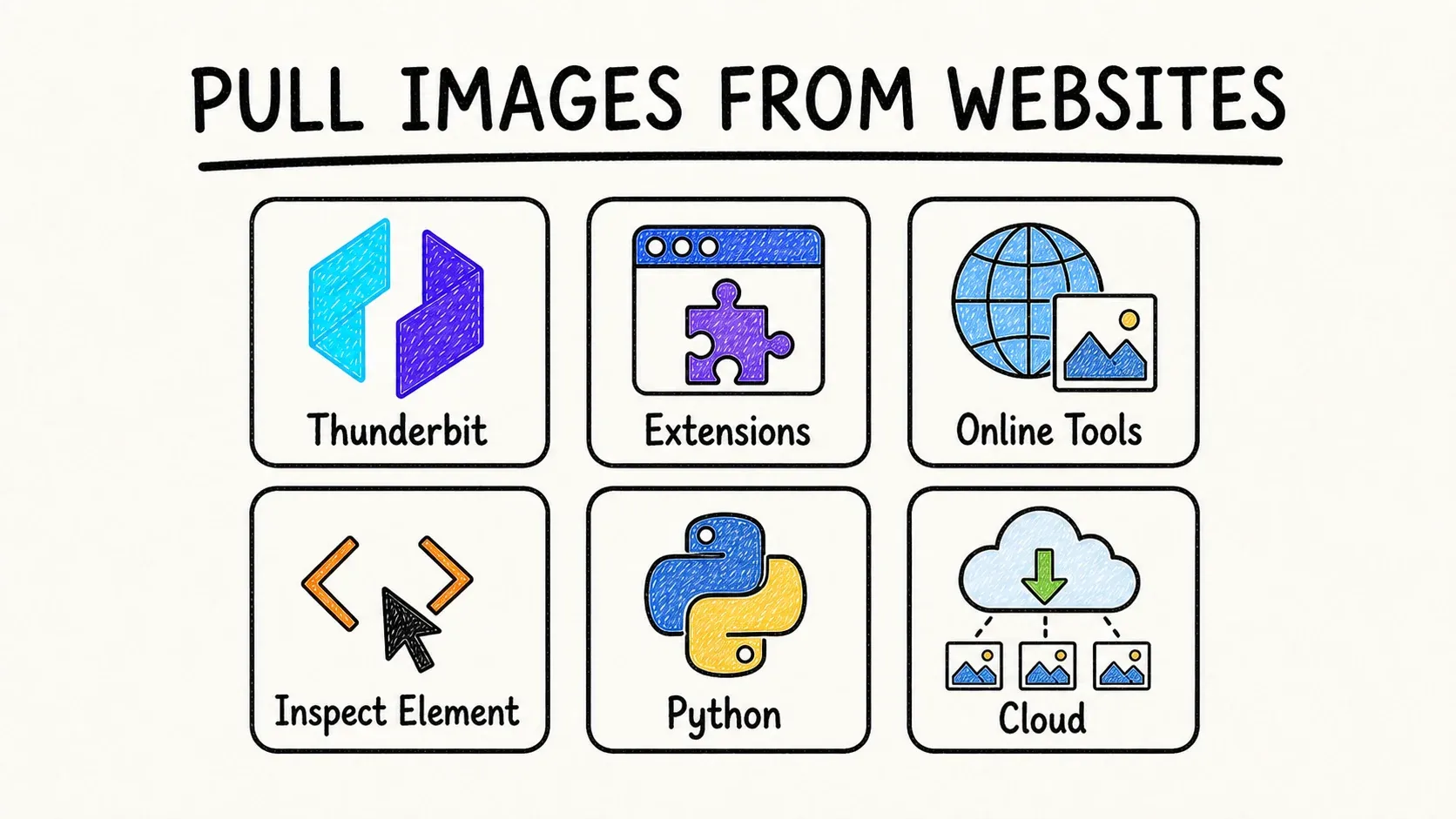
  • Free Email/Phone/Image Extractors: Instantly pull all emails, phone numbers, or images from any site with one click.

Compared to traditional tools that require manual field mapping or coding, Thunderbit’s AI and templates cut setup time to almost zero. Even “point-and-click” tools like Octoparse or ParseHub can’t match the speed and simplicity ().

When Thunderbit Is the Best Choice: Industry Scenarios

Let’s get practical. Here’s where Thunderbit shines—and where I see teams getting the most value:

Industry ScenarioData ExtractedThunderbit Advantage
Sales Lead GenerationContacts (email, phone), profilesAI-driven field detection, 1-click email/phone extractors
E-commerce Competitor MonitoringProduct names, prices, reviewsInstant templates, scheduled scrapes, multi-language support
Real Estate Data CollectionAddresses, prices, featuresSubpage scraping for full listing details, trend analysis
Market ResearchBusiness directory info, newsAI prompts to enrich/contact qualify, browser scraping

Sales Teams: Lead Generation at Scale

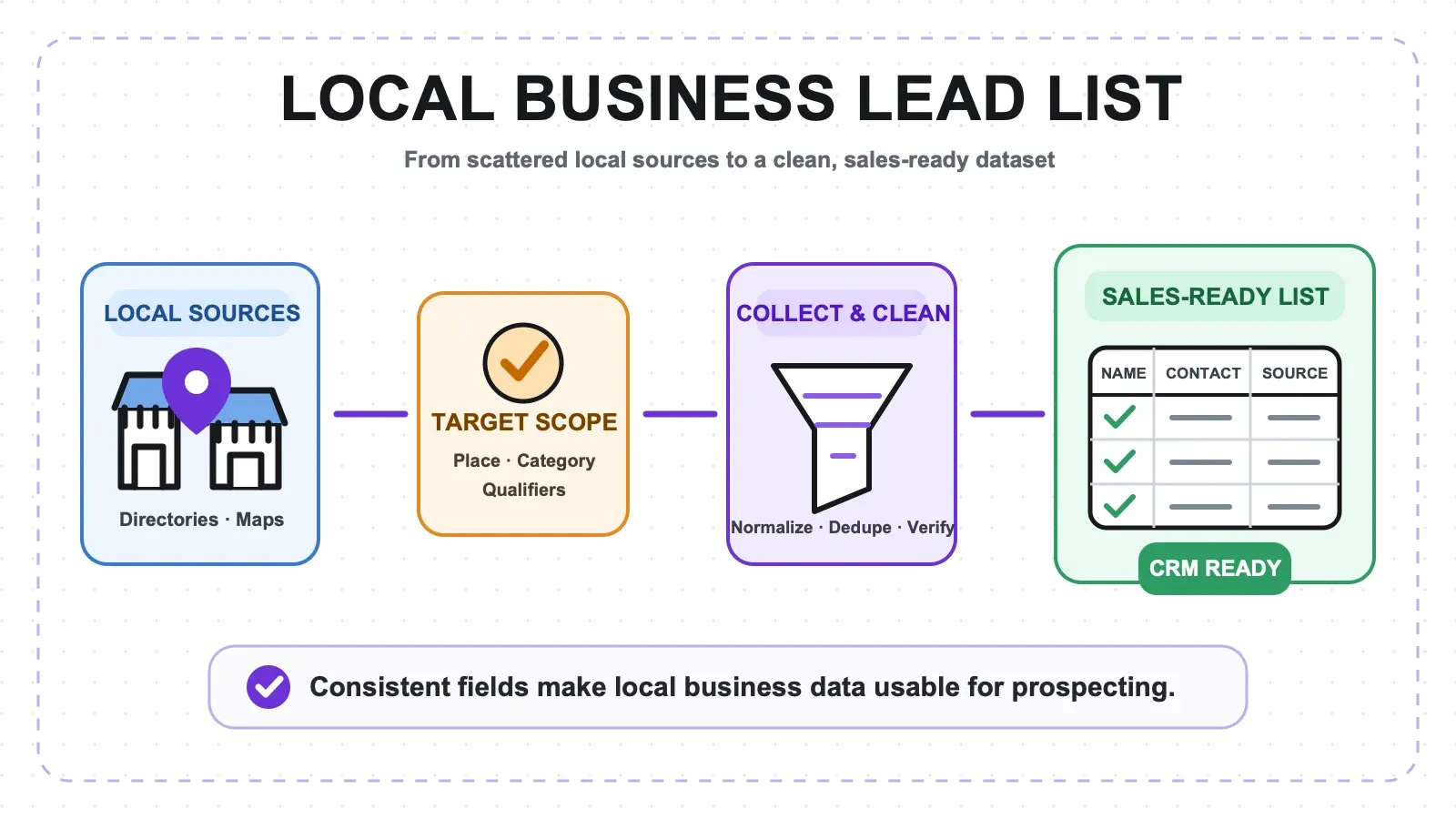
Sales teams use Thunderbit to scrape B2B directories, LinkedIn profiles, and event pages for contacts. The AI can automatically extract emails, phone numbers, names, and company info. By exporting directly into a CRM or Google Sheet, reps can build targeted lists in minutes instead of days ().

E-commerce: Competitor and Price Monitoring

automation-vs-manual-work.png

Retailers and marketplaces scrape competitor product pages, prices, stock levels, and reviews. Thunderbit’s instant templates and scheduled scrapes make it easy to keep tabs on the competition and adjust your own pricing in real time ().

Real Estate: Property Data Collection

Real estate agents and analysts scrape property listing sites to track pricing trends, inventory, and neighborhood data. Thunderbit’s subpage scraping is a game-changer: it can list hundreds of summaries (e.g., search results) and then drill into each listing page to grab details like square footage and amenities ().

Lowering the Technical Barrier: Thunderbit’s Templates and AI Prompts

One of the things I’m most proud of is how Thunderbit lowers the technical barrier for web scraping. With our free templates and field-level AI prompts, anyone can define and optimize their scraping rules—no coding, no complex setup.

Here’s how it works:

  1. Install the .
  2. Open the target page and click “AI Suggest Fields.” Thunderbit scans the page and suggests columns.
  3. Tweak or add custom instructions (like “format as currency” or “translate to English”) for any field.
  4. Click “Scrape.” Data appears in a structured table.
  5. Export directly to Excel, Google Sheets, Airtable, or Notion.

No more wrestling with XPath, no more waiting for IT. If you can browse the web, you can scrape with Thunderbit ().

Common Pitfalls and Compliance Tips in Web Scraping

Web scraping is powerful, but it comes with responsibilities. Here are some common pitfalls—and how to avoid them:

  • Ignoring Website Policies: Always respect robots.txt and site terms. Modern courts often enforce these, and ignoring them can lead to bans or legal action ().
  • Scraping Too Aggressively: Don’t hammer sites with requests. Use reasonable delays, limit parallel connections, and back off if you see HTTP 429/503 errors ().
  • Collecting Personal Data Without Consent: Under laws like GDPR/CCPA, scraping personal info (names, emails, etc.) without a lawful basis can be illegal. Focus on business data and anonymize where possible ().
  • Not Monitoring for Anti-Bot Defenses: Many sites use CAPTCHAs or bot management. Thunderbit’s browser mode helps mimic real users, but always have a fallback plan.

Evaluating Pricing and Support

Transparent pricing and responsive support are must-haves. Thunderbit uses a simple credit model (1 credit = 1 data row), with a for 6 pages (10 with a trial boost), and paid plans starting at $15/month. Compared to competitors like Octoparse ($119/month and up) or ParseHub (~$189/month), Thunderbit is accessible for teams of any size ().

Support matters too. Look for tools with clear documentation, responsive email/chat, and active user communities. Thunderbit offers tutorials, video guides, and a growing knowledge base.

A strong user community can be a lifesaver. Whether it’s forums, Slack groups, or StackOverflow, having a place to ask questions and share tips makes a huge difference—especially when you hit a snag at 2 a.m. (Been there, done that.)

Best Practices for Using the Best Web Scraping Tools

Let’s bring it all together. Here are my top best practices for getting the most out of your web scraping tools:

  1. Plan Your Scrape: Define your goals and data fields before you start. Use AI field-suggestion or templates to save time.
  2. Validate and Clean Data: Use field-level AI prompts to format and clean data as you scrape. Always spot-check a few records.
  3. Leverage Scheduling: For data that changes often (prices, stock, news), set up scheduled scrapes to keep your data fresh.
  4. Log and Monitor: Keep logs of your scrapes and monitor for errors or changes in site structure.
  5. Scale Responsibly: Distribute loads, respect site limits, and use cloud scraping for large jobs.
  6. Stay Ethical and Compliant: Respect robots.txt, avoid scraping personal data without consent, and always cite your sources.
  7. Test Small, Scale Up: Start with a sample run to catch issues before scraping at scale.

For more detailed guides, check out the and .

Conclusion: Unlocking Business Value with the Best Web Scraping Tools

chaos-to-superhero-real-estate.png

In a world where data is growing faster than my coffee consumption (and that’s saying something), having the right web scraping tool isn’t just a convenience—it’s a necessity. The best tools empower every team—sales, marketing, ops, real estate, and beyond—to gather, clean, and use web data at scale, without needing a developer on speed dial.

Thunderbit was built to make this power accessible to everyone. With AI-driven field detection, instant templates, and seamless exports, we’re helping teams unlock new value from the web—faster, easier, and more ethically than ever before.

If you’re still wrestling with outdated tools or manual copy-paste marathons, maybe it’s time to give a try. And if you’re already scraping like a pro, I’d love to hear your best practices—drop me a note or join our community.

Happy scraping, and may your data always be clean and actionable.

Try Thunderbit AI Web Scraper Today

FAQs

1. What makes a web scraping tool “the best” for business users?
The best web scraping tools combine ease of use (no-code/low-code), automation (pagination, subpages), seamless data export, multi-language support, and built-in compliance features. They let non-technical users gather and use data quickly, accurately, and ethically.

2. How does Thunderbit simplify web scraping compared to traditional tools?
Thunderbit uses AI to suggest fields, automate extraction, and handle complex pages—no coding or manual mapping required. With instant templates and direct export to Excel, Sheets, Airtable, and Notion, it’s designed for speed and simplicity.

3. What are common mistakes to avoid when scraping web data?
Ignoring website policies, scraping too aggressively, collecting personal data without consent, and failing to monitor for anti-bot defenses are common pitfalls. Always respect robots.txt, throttle your requests, and focus on business data.

4. How can I ensure my web scraping is compliant with laws like GDPR?
Only scrape publicly available business data, avoid personal info unless you have a lawful basis, and respect local privacy laws. Use tools with compliance features and always review site terms before scraping.

5. What should I look for in pricing and support when choosing a web scraping tool?
Look for transparent, flexible pricing (like Thunderbit’s credit system), a generous free tier, and responsive support. Active user communities and clear documentation are also key for long-term success.

Ready to level up your web data game? and see how easy web scraping can be—or check out more guides on the for tips, tutorials, and industry insights.

Learn More

Shuai Guan
Shuai Guan
Co-founder/CEO @ Thunderbit. Passionate about cross section of AI and Automation. He's a big advocate of automation and loves making it more accessible to everyone. Beyond tech, he channels his creativity through a passion for photography, capturing stories one picture at a time.
Topics
BestWeb scraping tools
Table of Contents

Try Thunderbit

Scrape leads & other data in just 2-clicks. Powered by AI.

Get Thunderbit It's free
Extract Data using AI
Easily transfer data to Google Sheets, Airtable, or Notion
Chrome Store Rating
PRODUCT HUNT#1 Product of the Week