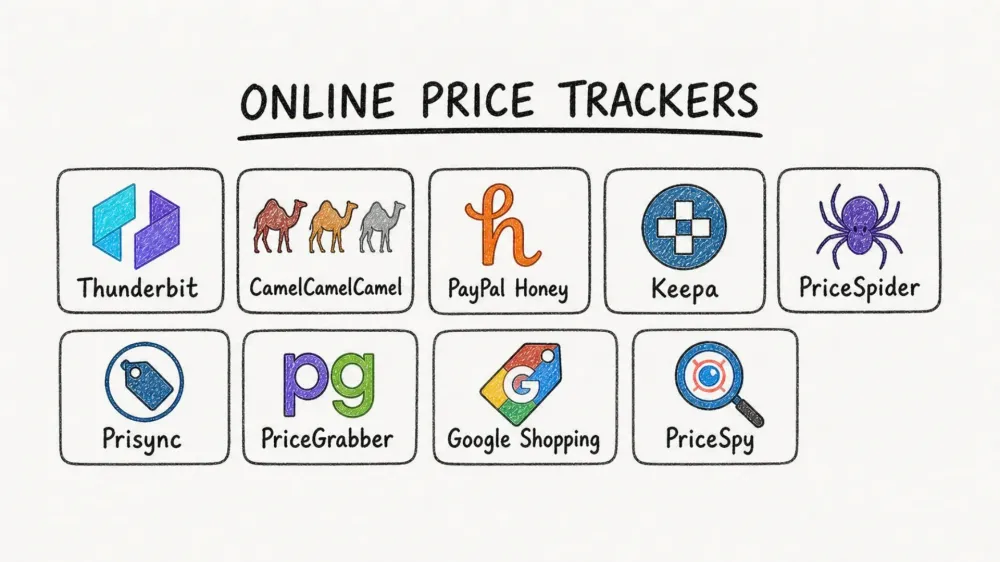
Online price tracking is not one single job. An Amazon shopper may want price history before buying; a consumer may want a simple alert; an ecommerce team may need competitor monitoring; and an operations team may need a repeatable way to collect price data from pages they can review.
That is why this list separates the tools by workflow instead of treating every product as a like-for-like “best” option. The nine products below are current, but their coverage, plans, and regional availability can change—open the linked product page before making a purchase or building a workflow.
Why Use an Online Price Tracker?
What Is Data Scraping and How to Do It in 2026 Get Started Free
For shoppers, a tracker can make it easier to compare an offer with earlier prices or wait for a target price. For businesses, it can turn a recurring set of visible prices into a reviewable input for competitive research, merchandising, or reporting.
The right choice depends on the job:
- Amazon price history: compare a product’s earlier Amazon prices and set an alert.
- Shopping and comparison: compare available offers or turn on a consumer alert where the product supports it.
- Ecommerce monitoring: track a known catalogue and competitors under a business plan.
- Price-data workflows: collect visible price data from pages you can review, then use it in an existing business process.
How We Chose These Price Tracker Tools
This refresh checks whether each listed product is still identifiable, its current role, and any price, trial, free-tier, or availability claim carried into the article. We also removed a historical product whose linked site and browser extension could no longer be verified as active.
When comparing tools, look at the product’s actual scope rather than a generic feature checklist: the retailers or market it covers, whether it is a consumer or business product, how alerts or data collection work, and the current commercial terms.
The Top 9 Online Price Tracker Tools for 2026
1. Thunderbit
 )
)
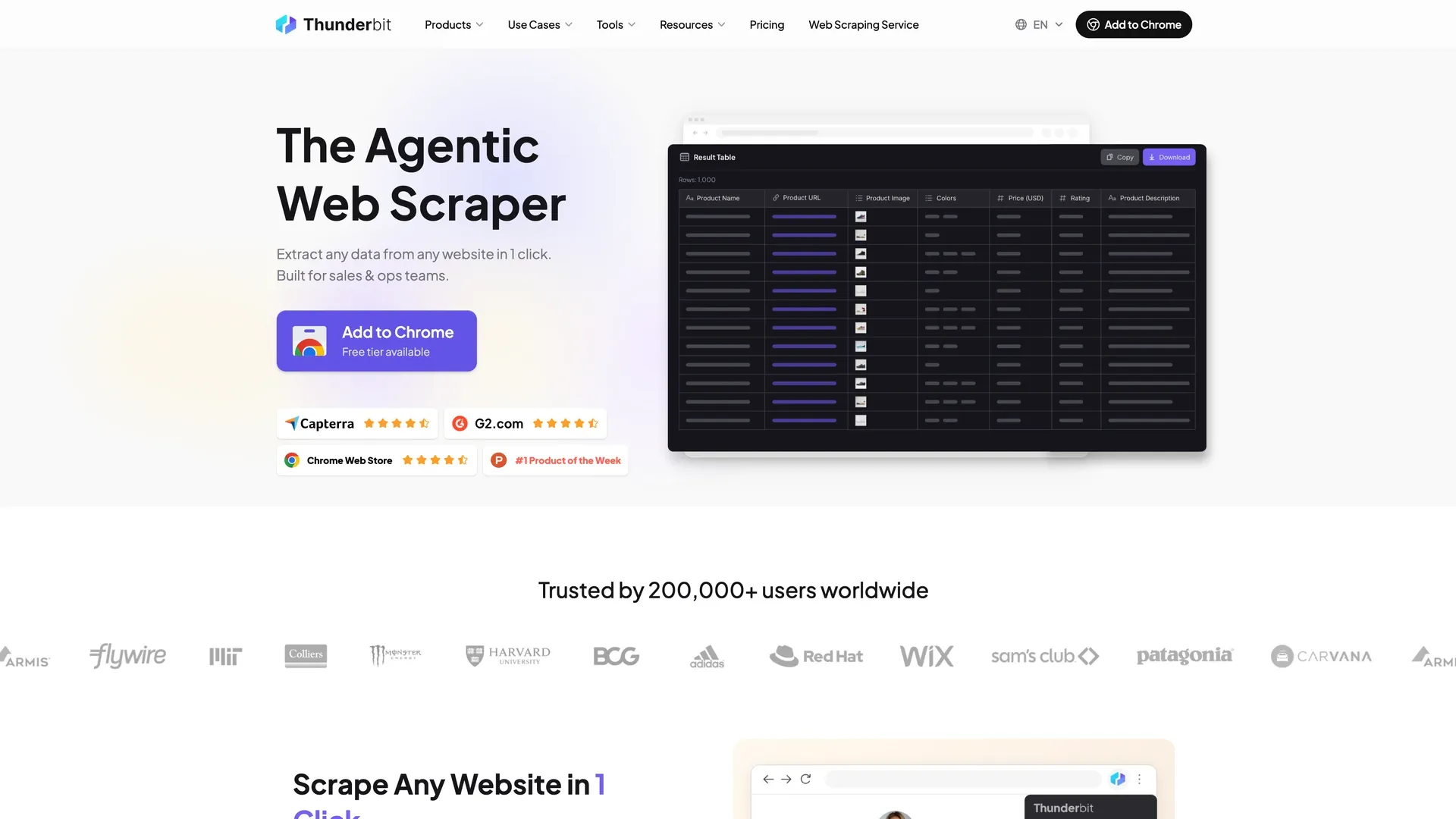
Thunderbit is an AI agent for web scraping for teams that need to turn visible price information into a reviewed table. Open the product to start from a product or catalogue page, where a single click is all the setup required: the AI establishes the columns, such as product name and price, and completes the extraction without further instruction. If a narrower result is required, describe the data you want and extraction follows that description.
That makes Thunderbit a different kind of entry from a consumer price-alert service: it is a flexible way for sales, ecommerce, and operations teams to collect price data from the pages relevant to their workflow, then review the output before acting on it. For developer, data-pipeline, or agent workflows, Thunderbit also supports a Web Scraper API, MCP, and CLI.
Current access signal: 6 free pages. Check the pricing page for current plan and credit details before estimating a larger project.
Best for: business users who need flexible, reviewed price-data collection rather than a retail-shopping alert.
Try Thunderbit Chrome Extension
2. CamelCamelCamel
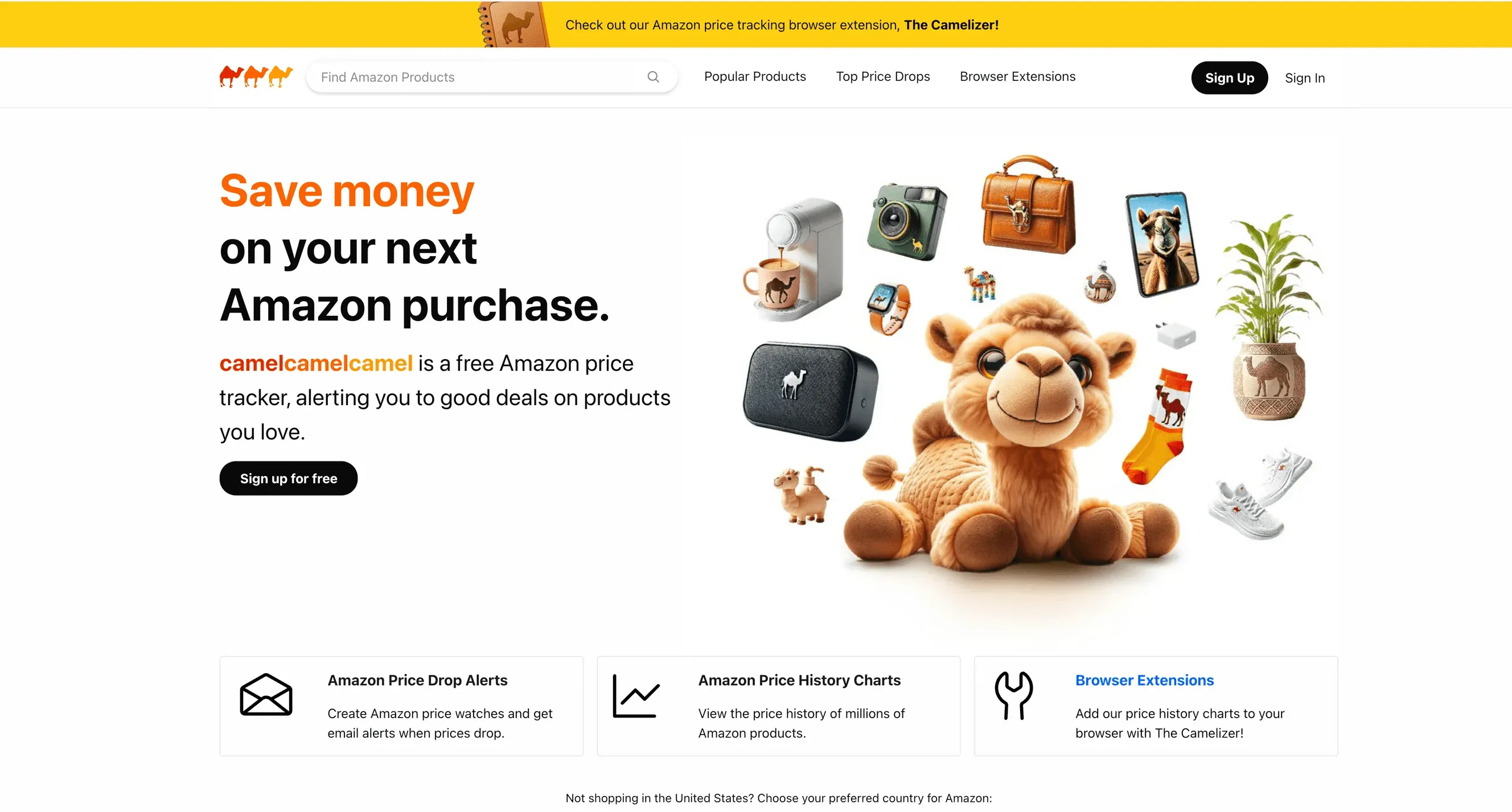
CamelCamelCamel is a free Amazon price tracker. It provides price-history charts, lets shoppers create price-drop alerts, and offers the Camelizer browser extension for viewing price history while browsing Amazon.
It is intentionally narrow: use it when the product you care about is on Amazon, rather than expecting it to compare every retailer.
Best for: Amazon shoppers who want to check price history and set a target-price alert.
3. PayPal Honey

PayPal Honey is a free shopping extension and app. Its Droplist feature can track selected items and notify users about a price drop, while Honey also focuses on applying available coupons at checkout.
The exact stores, products, and offers Honey can support vary, so it is best treated as a shopping helper rather than a complete price-monitoring system.
Worth knowing before you install it: a December 2024 investigation by the YouTube channel MegaLag alleged that Honey overwrote other affiliates’ referral codes with its own at checkout. Class-action litigation over the practice is ongoing—a second amended complaint was filed on January 5, 2026—and on January 12, 2026 PayPal acknowledged the code in question and said it had been disabled. Honey lost roughly three million users in the two weeks after the video went out. The Droplist tracking described above still works; this is context to weigh, not a reason the feature is broken.
Best for: shoppers who want coupon assistance and item-level price-drop notifications in the same consumer tool.
4. Keepa
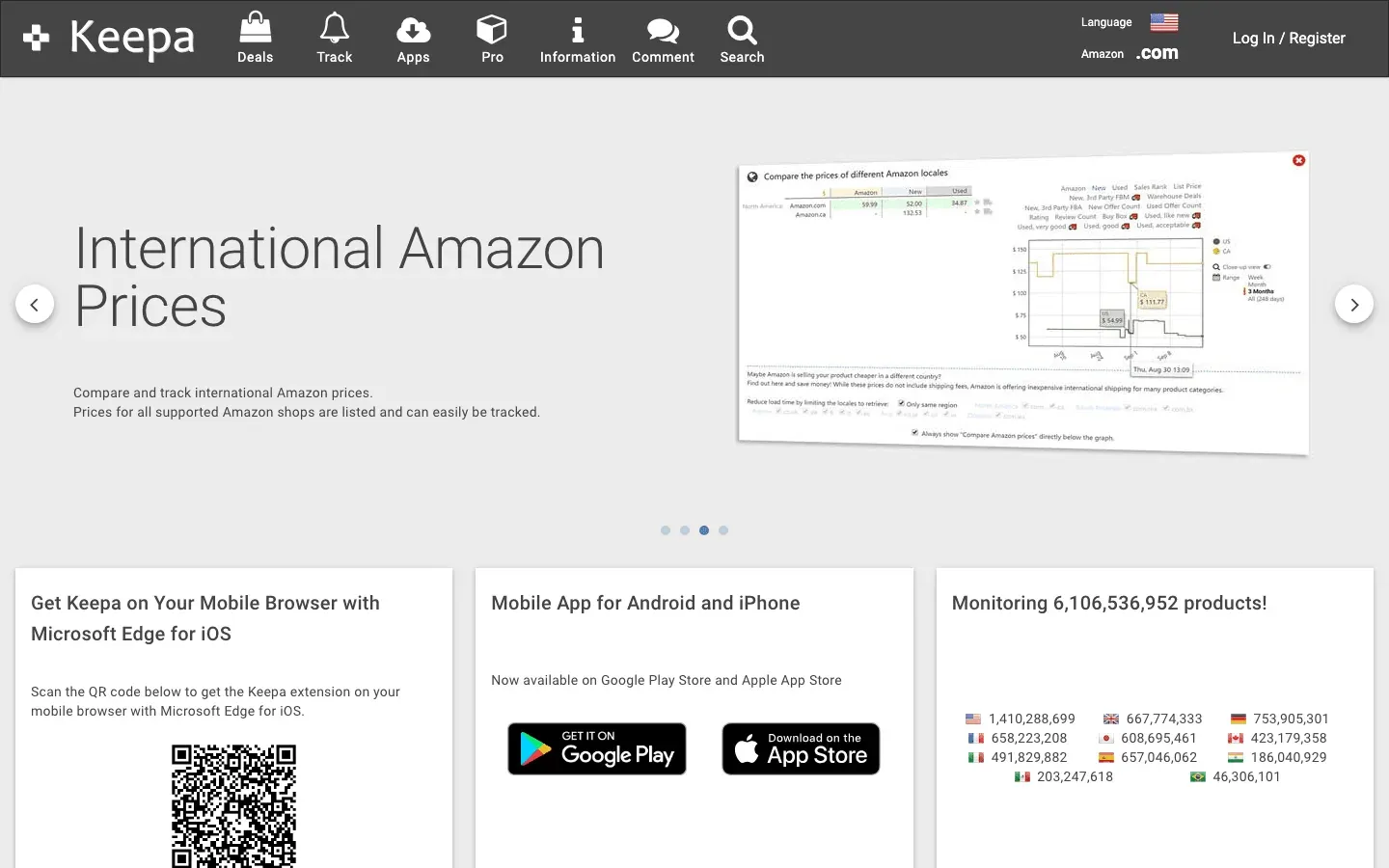
Keepa is another Amazon-focused price tracker. It is useful for examining price history and creating alerts around Amazon offers; its browser extension brings the chart into the shopping flow.
Keepa is a good complement to CamelCamelCamel when a shopper or seller wants to inspect Amazon-specific history. Check Keepa directly for the current scope of any paid features rather than assuming they match the free experience.
Best for: Amazon buyers and sellers who want a detailed Amazon price-history view.
5. Wayvia (formerly PriceSpider)

Wayvia—rebranded from PriceSpider in July 2025—is a brand-commerce platform rather than a consumer deal tracker. Its monitoring products help brands understand how their products appear across retailer and marketplace paths; its Prowl offering addresses MAP-monitoring workflows.
Because it is built for brand teams, a sales conversation is the appropriate way to confirm product configuration, coverage, and commercial terms.
Best for: manufacturers and brands evaluating price and MAP monitoring as part of a broader commerce program.
6. Prisync
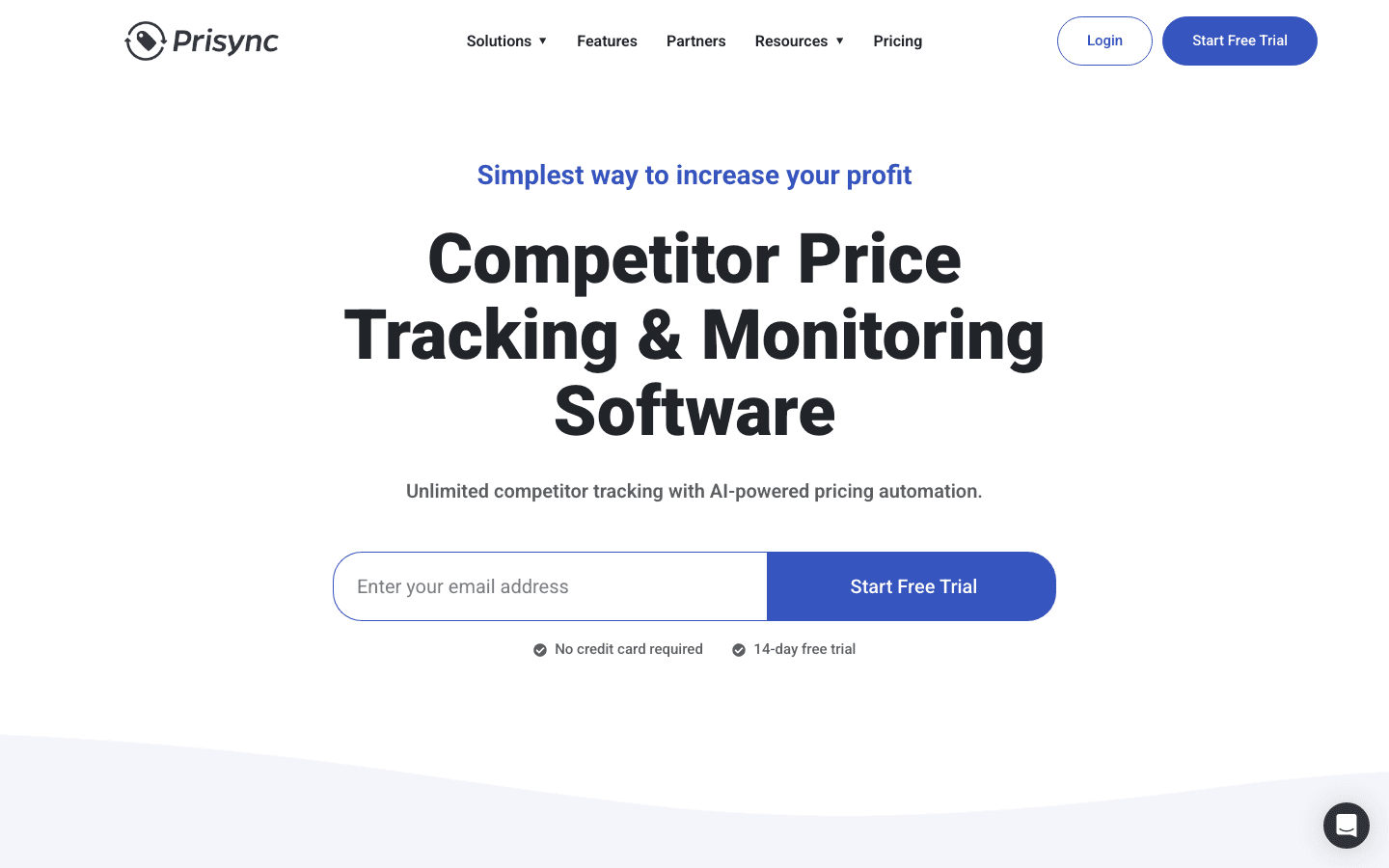
Prisync is designed for ecommerce businesses that monitor competitor prices and use pricing data in their store operations. Its published plans begin with capacity for 100 products and it offers a 14-day free trial; the plan and price details should be checked in its current help centre before choosing a tier.
Best for: ecommerce teams that have a defined product catalogue and need a dedicated competitor-price monitoring service.
7. PriceGrabber (no longer maintained)
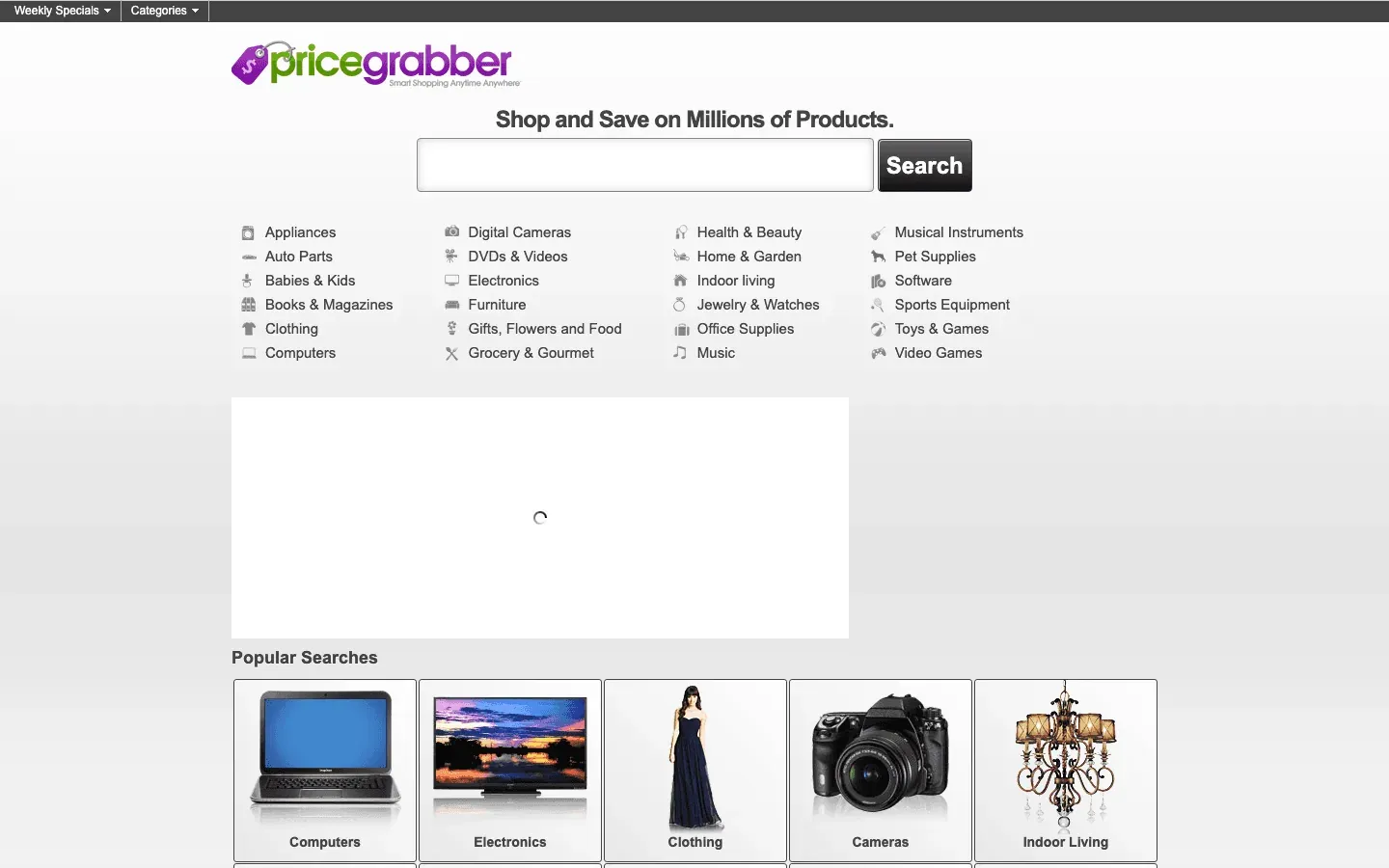
PriceGrabber is no longer a working consumer price-comparison tool. The site still loads, but it has not been maintained as a shopping destination for years—its own footer still reads “Copyright ©2017 PriceGrabber.com, Inc.”, and the mobile apps it advertises are gone from the app stores. Parent company Connexity now operates as a B2B retail-marketing platform rather than a consumer comparison site.
It is kept in this list because it still turns up on older price-tracker roundups, and anyone who finds it there deserves to know its current state.
Best for: nothing current—use one of the consumer options above instead.
8. Google Shopping
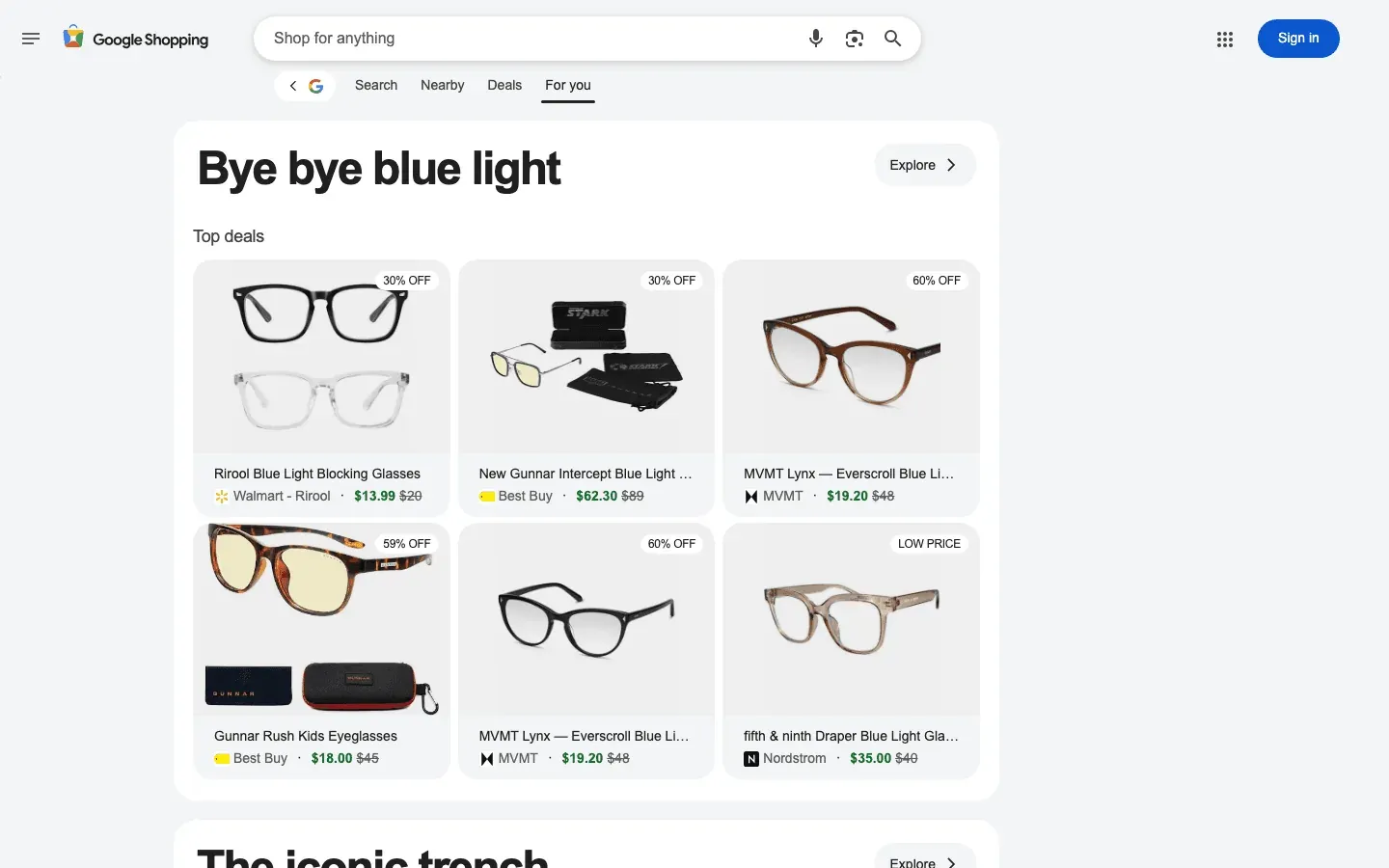
Google Shopping can surface retailer offers in a product search. Signed-in users can use Google’s price-tracking features where they are available; Google documents that availability can vary by country and feature.
It is a convenient starting point for consumer comparison, but it is not a universal tracker for every retailer or every market.
Best for: signed-in shoppers who want a lightweight comparison and price-tracking option in supported regions.
9. PriceSpy
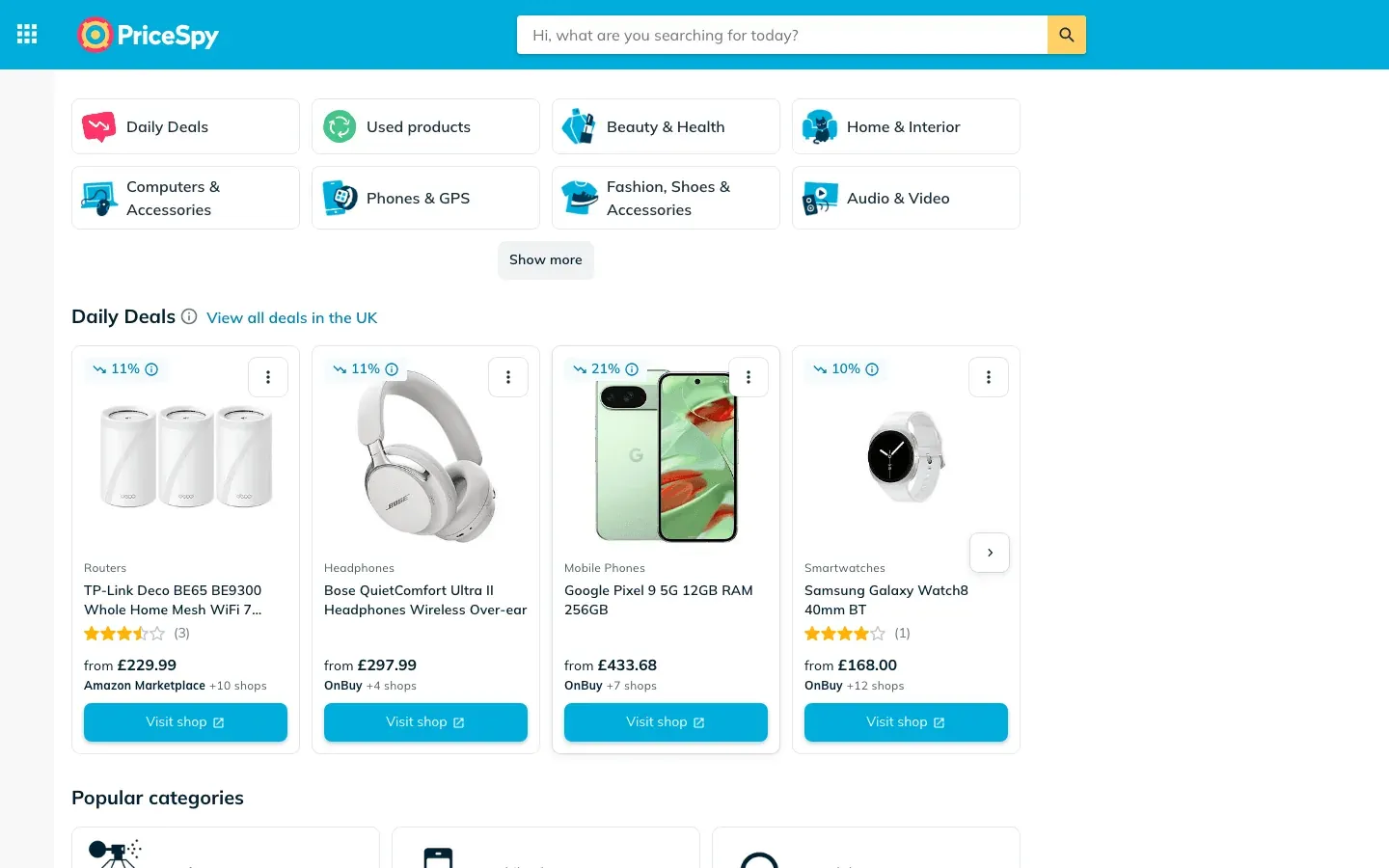
PriceSpy is a market-specific price-comparison service. Its local sites let shoppers compare listed products and review price history; country availability and retailer coverage depend on the PriceSpy market being used.
Best for: shoppers in a supported PriceSpy market who want local comparison and price-history context.
Feature Comparison Table: Online Price Tracker Tools at a Glance
| Tool | Primary role | Scope to check | Current access signal |
|---|---|---|---|
| Thunderbit | Reviewed business price-data collection | Pages and fields relevant to your workflow | 6 free pages; plan terms vary |
| CamelCamelCamel | Amazon price history and alerts | Amazon marketplace/product availability | Free service |
| PayPal Honey | Consumer coupons and Droplist tracking | Eligible stores and products | Free extension/app |
| Keepa | Amazon price history and alerts | Amazon product and paid-feature scope | Check current plan terms |
| Wayvia (formerly PriceSpider) | Brand-commerce and MAP monitoring | Brand, retailer, and product configuration | Contact sales |
| Prisync | Ecommerce competitor-price monitoring | Product catalogue and plan capacity | 14-day free trial; plans begin at 100 products |
| PriceGrabber | Legacy comparison site, no longer maintained | Site still loads; listings and apps are not current | Not a current option |
| Google Shopping | Consumer comparison and signed-in price tracking | Country and feature availability | Check Google support for your region |
| PriceSpy | Local-market comparison and price history | Supported country and retailers | Check the relevant local PriceSpy site |
Which Online Price Tracker Is Best for Your Needs?
How to Collect Web Data with AI Get Started Free
- For Amazon price history: start with CamelCamelCamel or Keepa.
- For everyday shopping help: consider PayPal Honey, Google Shopping, or the relevant PriceSpy market; each has different retailer and regional coverage.
- For ecommerce competitor monitoring: evaluate Prisync when you have a defined catalogue and want a dedicated business product.
- For brands and MAP workflows: evaluate Wayvia (formerly PriceSpider) with its team, since configuration and commercial terms are not consumer-plan decisions.
- For a flexible price-data workflow: use Thunderbit when your team needs to review and collect price information from relevant pages, then connect it to a business process.
The practical choice is the one whose current coverage, terms, and output match the decision you need to make. Test with a small set of representative products before relying on any service at scale.
Explore Thunderbit for Price Data Collection
Conclusion: Choose the Tracker That Matches Your Workflow
Amazon price history, shopping alerts, brand monitoring, ecommerce pricing, and price-data collection are related but different tasks. Start with the category that matches your need, verify the tool’s current terms and regional coverage, and validate the results against the product pages or catalogue you care about.
For business users who need price data in a reviewed table, Thunderbit provides a browser-based starting point. For consumer shopping, a focused Amazon tracker or a local comparison service may be the more direct choice.
Try Thunderbit for Reviewed Price Data Collection Get Started Free
FAQs
1. What is an online price tracker?
An online price tracker can record or compare a product’s price over time, notify a shopper about a target price, or help a business monitor a defined set of prices. The exact capability depends on the product and market.
2. Which price trackers are useful for Amazon?
CamelCamelCamel and Keepa are Amazon-focused options for price-history and alert workflows.
3. Can I compare prices across multiple stores?
Consumer options such as Google Shopping, PayPal Honey, and local PriceSpy sites can help with comparison in their supported contexts. For a business workflow that needs price data from specific pages, Thunderbit can collect reviewed visible-page data. Coverage should be checked directly with each product.
4. How do businesses use price-tracking tools?
Businesses may monitor a defined product catalogue, review competitors’ visible pricing, support MAP workflows, or collect price data for analysis. Prisync, Wayvia (formerly PriceSpider), and Thunderbit address different parts of those workflows.
5. Are online price trackers free?
Some consumer products are free, while business products may use trials, credits, or sales-led plans. For example, CamelCamelCamel is free, Thunderbit currently lists 6 free pages, Prisync offers a 14-day trial, and commercial terms for other tools vary by product and market. Always check the linked page before deciding.
Learn More