The business world in 2026 feels a bit like a high-speed train—AI is the engine, and everyone’s racing to grab a seat. Nearly now use AI in at least one function, and . But here’s the twist: while everyone’s talking about AI, many teams are still scratching their heads over what really moves the needle. Is it the flashy new AI tool that writes your emails, or the robust AI program that quietly automates your entire sales pipeline? And what’s the difference, anyway?
As someone who’s spent years building SaaS, automation, and AI solutions (and yes, co-founding ), I see this confusion every day. So let’s break it down—no jargon, no hype—just a clear, practical guide to mastering AI programs and tools for real business success.
Demystifying AI Programs vs. AI Tools for Business
Let’s start with the basics. The terms “AI programs” and “AI tools” get tossed around like confetti, but they’re not interchangeable. Think of it like this: if your business is a kitchen, AI tools are your sharp knives and blenders—great for specific tasks. AI programs, on the other hand, are your entire kitchen setup: the appliances, the workflow, the recipe book, and even the chef who coordinates it all.
What Are AI Tools?
AI tools are focused, task-specific utilities. They do one thing really well—like automating email responses, generating quick analytics, or scheduling meetings. For example, an AI-powered email automation tool might help your marketing team send personalized follow-ups, while a predictive analytics tool could help your ops team spot trends in sales data.
- Interaction: You prompt, it responds. You copy the result into your next workflow.
- Scope: Narrow—one task at a time.
- Autonomy: Low. You’re still in the driver’s seat.
What Are AI Programs?
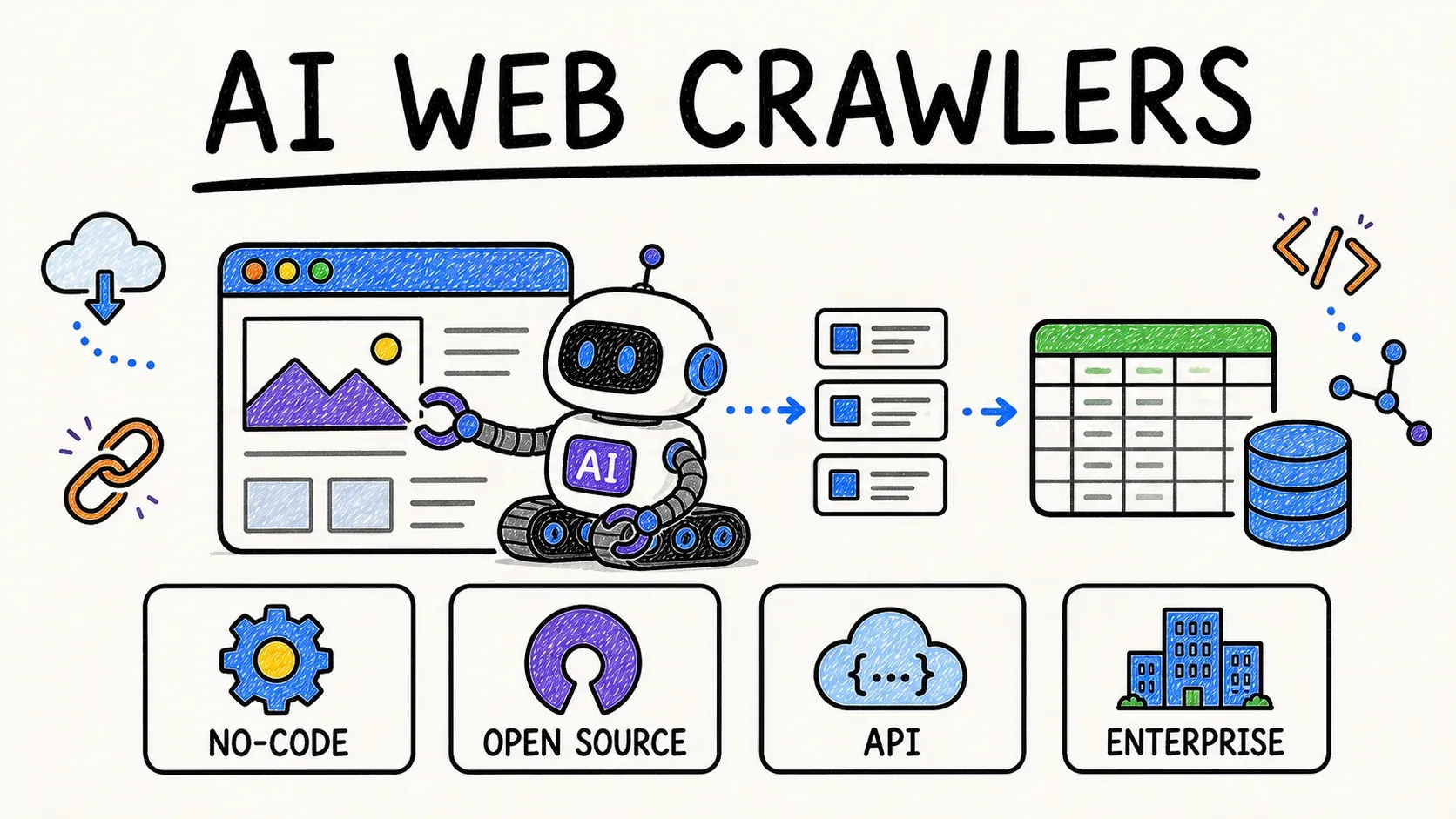
AI programs are comprehensive, integrated solutions. They’re designed to handle multi-step workflows, connect to multiple data sources, and automate complex business processes. Think of —it’s not just a tool for scraping a single web page. It’s an AI-powered web scraper that can read, plan, and execute multi-step data extraction, integrate with your CRM, and support strategic decision-making across sales, ecommerce, and operations.
- Interaction: You set a goal, the program plans and executes steps, often calling other tools along the way.
- Scope: Broad—can span departments and workflows.
- Autonomy: Medium to high. The program can act independently (with guardrails).
Why Does This Distinction Matter?

Choosing between an AI tool and an AI program isn’t just semantics—it’s about matching the right solution to your business challenge. Need to automate a single repetitive task? Grab a tool. Want to overhaul how your team collects, analyzes, and acts on data? You need a program.
Here’s a simple analogy: If you’re fixing a leaky faucet, a wrench (tool) is perfect. But if you’re remodeling your entire kitchen, you want a contractor (program) who brings the tools, the plan, and the expertise to tie it all together.
Choosing the Right Solution: When to Use AI Programs or AI Tools
So, how do you know which to pick? Let’s lay it out with some real-world scenarios.
| Scenario | Best Fit | Why? |
|---|---|---|
| Need to automate a single, repetitive task (e.g., scheduling, email follow-ups) | AI Tool | Fast, focused, low cost, easy to deploy |
| Want to integrate multiple data sources and automate a workflow (e.g., sales pipeline, data extraction, multi-step approvals) | AI Program | Handles complexity, connects systems, supports strategy |
| Looking for quick wins in marketing or customer support | AI Tool | Rapid deployment, immediate ROI |
| Planning a company-wide automation initiative | AI Program | Scalable, governable, supports cross-team collaboration |
Decision Criteria for Non-Technical Users
- Complexity: Is your problem one-step or multi-step?
- Integration: Do you need to connect multiple systems?
- Scale: Is this for one team or the whole company?
- Governance: Do you need audit trails and controls?
If you’re still unsure, start with a tool for a pilot project. If you find yourself stringing together five tools and still wishing for more, it’s time to look at an AI program.
Unlocking Business Value with AI Programs
Let’s talk about the real magic: what happens when you move beyond isolated tools and start using AI programs to transform your business.
How AI Programs Deliver Value
- Integration: AI programs connect to multiple data streams—think CRM, website, spreadsheets, and more.
- Automation: They automate workflows end-to-end, reducing manual effort and human error.
- Strategic Insight: By aggregating and analyzing data, they support better, faster decision-making.
- Governance: Built-in controls, audit trails, and user permissions keep everything compliant and transparent.
Thunderbit: A Real-World Example
is a great example of an AI program built for business users. It’s an AI-powered web scraper Chrome Extension that helps sales, ecommerce, and ops teams extract structured data from any website—no coding required.
- AI Suggest Fields: Just click, and Thunderbit’s AI reads the page and recommends what data to extract.
- Subpage and Pagination Scraping: Need to go deeper? Thunderbit can automatically visit subpages and handle paginated lists.
- Instant Templates: For popular sites (Amazon, Zillow, Shopify), you can scrape data in one click.
- Free Data Export: Push results to Excel, Google Sheets, Notion, or Airtable—no extra charge. (Related: )
- Scheduled Scraping: Automate recurring tasks, like price monitoring or lead list updates.
Thunderbit in Action: Sales Team Scenario
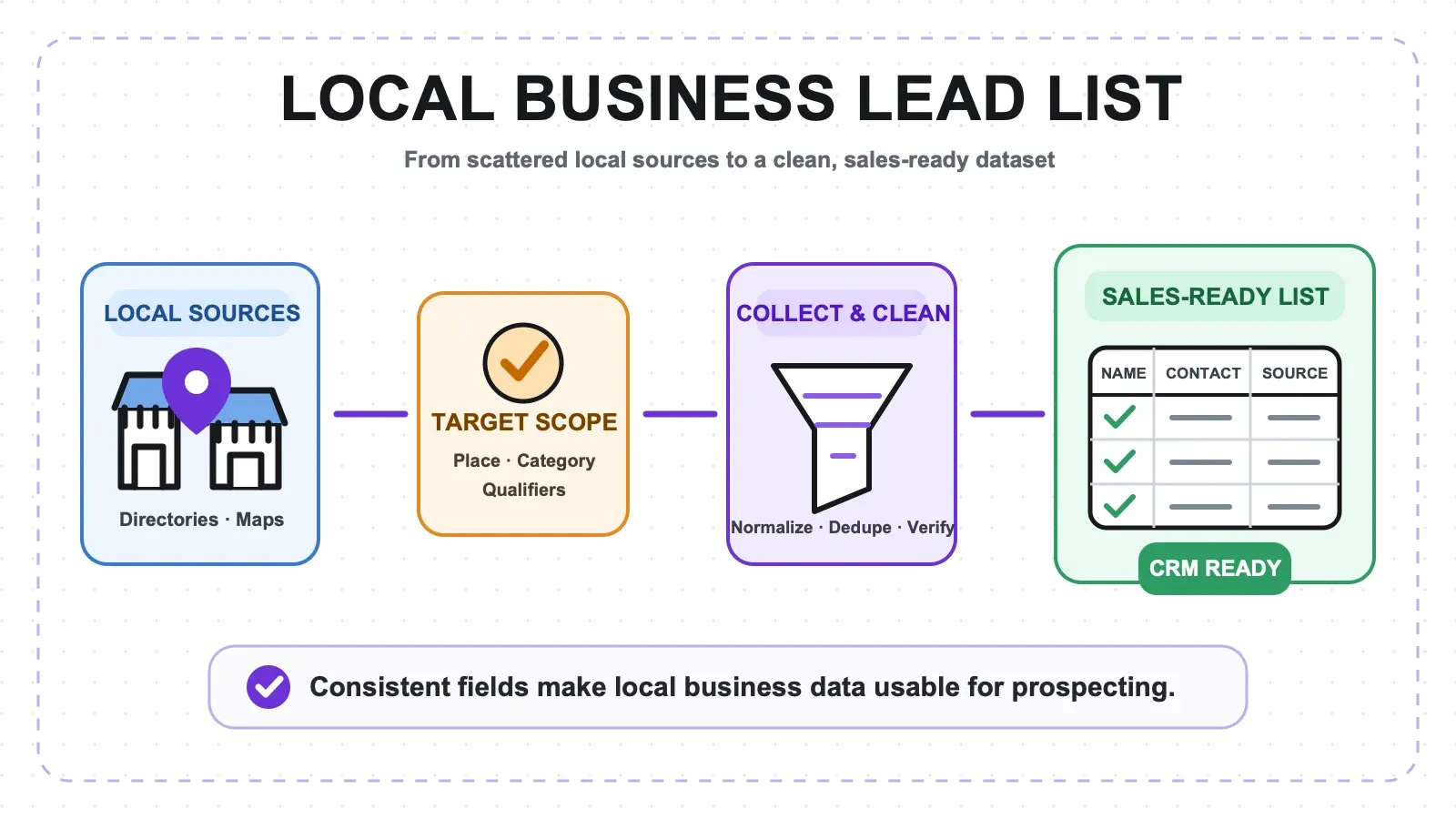
Imagine a sales team that needs to build a list of potential leads from a niche industry directory. Manually, this would take hours—copying names, emails, phone numbers, and company info into a spreadsheet. With Thunderbit:
- Open the directory in Chrome.
- Click the Thunderbit extension and hit “AI Suggest Fields.”
- Thunderbit reads the page, suggests columns (Name, Email, Company, etc.), and you hit “Scrape.”
- Need more details? Click “Scrape Subpages” to pull info from each company’s profile page.
- Export the data to Google Sheets and start your outreach.
Result? What used to take a day now takes minutes. Data is more accurate, and the team can focus on closing deals—not copying and pasting.
Tactical Wins: How AI Tools Drive Everyday Efficiency
Now, let’s not underestimate the power of AI tools. Sometimes, a well-chosen tool is exactly what you need for a tactical edge.
Where AI Tools Shine

- Predictive Analytics: Spotting sales trends or forecasting demand.
- Email Automation: Sending personalized follow-ups or drip campaigns.
- Scheduling: Auto-booking meetings based on availability.
- Data Cleaning: Quickly deduplicating or formatting data.
Popular examples include AI email assistants, chatbots for customer support, and analytics dashboards that surface insights with a click.
When to Introduce AI Tools: Key Decision Points
- Repetitive Manual Tasks: Are your team members spending hours on low-value work?
- Need for Speed: Do you need faster insights or responses?
- Limited IT Resources: Want to avoid a lengthy deployment?
- Budget Constraints: Looking for a low-cost, high-impact solution?
Checklist: Are You Ready for an AI Tool?
- [ ] The task is well-defined and repetitive.
- [ ] You can measure the impact (time saved, errors reduced).
- [ ] The tool integrates with your existing systems (or can export/import data).
- [ ] You have buy-in from the team who will use it.
If you checked most of these, it’s time to try an AI tool.
Machine Learning for Business Automation: Best Practices
Let’s zoom out for a moment. Machine learning (ML) is the engine behind many AI programs and tools. It’s what allows systems to learn from data, spot patterns, and make smarter decisions over time.
Best Practices for ML-Driven Automation
- Start with Clean Data: ML is only as good as the data you feed it. Invest in data quality upfront.
- Automate Where It Matters: Focus on processes that are high-volume, high-impact, or error-prone.
- Iterate and Improve: ML models get better with feedback. Review results, retrain, and refine.
- Keep Humans in the Loop: Use ML to handle the grunt work, but let people review exceptions and make final calls.
Thunderbit Example: Smarter Data Extraction
Thunderbit uses ML to handle tricky tasks like pagination and subpage scraping. Instead of writing custom scripts for every site, the AI adapts to different layouts, extracts structured data, and even labels or translates fields on the fly. This means your team can go from raw web pages to actionable datasets without any technical setup. (Related: )
Extracting Deeper Insights with Machine Learning
ML isn’t just about automation—it’s about discovery. By analyzing large datasets, ML can uncover trends and patterns that humans might miss.
- Sales: Identify which leads are most likely to convert.
- Ecommerce: Spot pricing trends or inventory gaps.
- Operations: Predict bottlenecks or forecast resource needs.
The key is to use ML not just for efficiency, but for smarter, data-driven decisions.
Integrating AI Programs and Tools: Building a Unified Business Advantage
Here’s where the real fun begins—combining the strengths of both AI programs and tools for a unified, data-driven business.
Strategies for Integration
- Map Your Workflows: Identify where tools and programs fit in your process.
- Automate Data Flow: Use AI programs to orchestrate tasks and call tools as needed.
- Centralize Data: Ensure all outputs feed into a single source of truth (like a CRM or data warehouse).
- Foster Collaboration: Make sure teams can access and act on insights, not just IT or data specialists.
Practical Integration Roadmap
- Start Small: Pilot an AI tool or program in one workflow.
- Measure Impact: Track KPIs (time saved, errors reduced, revenue generated).
- Harden Security: Add access controls, audit trails, and compliance checks.
- Scale Up: Expand to adjacent workflows, integrating more tools and data sources.
- Train Teams: Invest in training and change management to drive adoption.
Creating a Data-Driven Culture with AI
Adopting AI isn’t just about technology—it’s about people. Success depends on fostering a culture where teams trust AI, collaborate across silos, and continuously learn.
- Training: Offer hands-on workshops and resources.
- Change Management: Communicate the “why” and “how” of AI adoption.
- Ongoing Support: Provide help desks, documentation, and peer champions.
Overcoming Common Challenges in AI Adoption
Let’s be honest—AI adoption isn’t all sunshine and rainbows. Here are some common hurdles (and how to clear them):
| Challenge | Solution |
|---|---|
| Data Quality Issues | Invest in data cleaning and validation. Start with small, high-quality datasets. |
| User Resistance | Involve end-users early, show quick wins, and provide training. |
| Unclear ROI | Set clear KPIs, measure before/after, and communicate results. |
| Integration Headaches | Choose tools/programs with open APIs and strong support. |
| Security & Compliance | Implement access controls, audit trails, and follow best practices (KPMG). |
Measuring Success: KPIs and ROI for AI Programs and Tools
How do you know if your AI investment is paying off? Track these key performance indicators:
- Time Saved: Hours reduced on manual tasks.
- Cost Reduction: Lower operational expenses.
- Error Rate: Fewer mistakes or rework.
- Revenue Growth: Increased sales or faster deal cycles.
- User Adoption: Percentage of team actively using the solution.
Sample ROI Calculation
Suppose your sales team spends 10 hours a week on manual data entry. After deploying Thunderbit, that drops to 2 hours. If your team’s hourly rate is $50, that’s $400/week saved—over $20,000 a year. Not bad for a Chrome extension.
Future-Proofing Your Business with AI and Machine Learning
AI isn’t standing still. By 2026, , and multi-agent workflows will be the norm. The winners will be those who stay agile—experimenting, measuring, and scaling what works.
Emerging Trends to Watch
- Agentic AI: Systems that plan and execute multi-step workflows autonomously.
- Multi-Agent Collaboration: Teams of AI agents working together on complex tasks.
- Stronger Governance: Audit trails, security, and compliance as table stakes.
- Cross-Tool Orchestration: AI programs that connect to all your favorite tools and data sources.
Conclusion: Your Roadmap to AI-Powered Business Success
Here’s the bottom line: mastering AI for business isn’t about chasing the latest shiny tool. It’s about understanding the difference between AI programs and AI tools, knowing when to use each, and combining them for maximum impact. Start small, measure your wins, and scale up as your team gains confidence.
If you’re ready to see what modern AI can do, and try automating a workflow that’s been eating up your team’s time. And if you want more practical guides, check out the for tips, tutorials, and real-world success stories.
Happy automating—and may your business run smarter, not just faster.
FAQs
1. What’s the difference between an AI program and an AI tool for business?
An AI tool is focused on a single task (like email automation or scheduling), while an AI program is a comprehensive solution that can automate multi-step workflows, integrate with multiple systems, and support strategic decision-making.
2. When should I choose an AI tool over an AI program?
Choose an AI tool for quick wins on specific, repetitive tasks. Opt for an AI program when you need to automate complex workflows, integrate data sources, or support cross-team collaboration.
3. How do I measure the ROI of AI adoption in my business?
Track KPIs like time saved, cost reduction, error rates, revenue growth, and user adoption. Compare before-and-after metrics to quantify impact.
4. What are the biggest challenges in adopting AI for business?
Common challenges include data quality issues, user resistance, unclear ROI, integration headaches, and security/compliance concerns. Address these with strong data practices, user training, and governance.
5. How can Thunderbit help my team succeed with AI?
is an AI-powered web scraper that automates data extraction, integrates with your favorite tools, and supports business users with no coding required. It’s designed to help sales, ecommerce, and ops teams save time, improve data quality, and make smarter decisions.
For more on AI, automation, and business best practices, visit the .
Learn More