Ever feel like your workday is just a never-ending loop of copy-paste, spreadsheet updates, and chasing down the same info over and over? You’re not alone. According to , employees spend up to 40% of their time on repetitive, manual tasks that could be automated. That’s nearly two full days a week lost to work that doesn’t move the needle. The good news? Automation isn’t just for IT pros anymore. Thanks to AI and no-code tools, anyone can start automating repetitive tasks—and unlock hours for more meaningful work.
I’ve spent years in SaaS and automation, and I’ve seen firsthand how a few smart automations can transform a team’s productivity (and sanity). In this guide, I’ll show you how to spot the best tasks to automate, why AI-powered tools like make automation accessible to everyone, and how you can start automating your own workflows—no coding required.
What Are Repetitive Tasks and Why Automate Them?
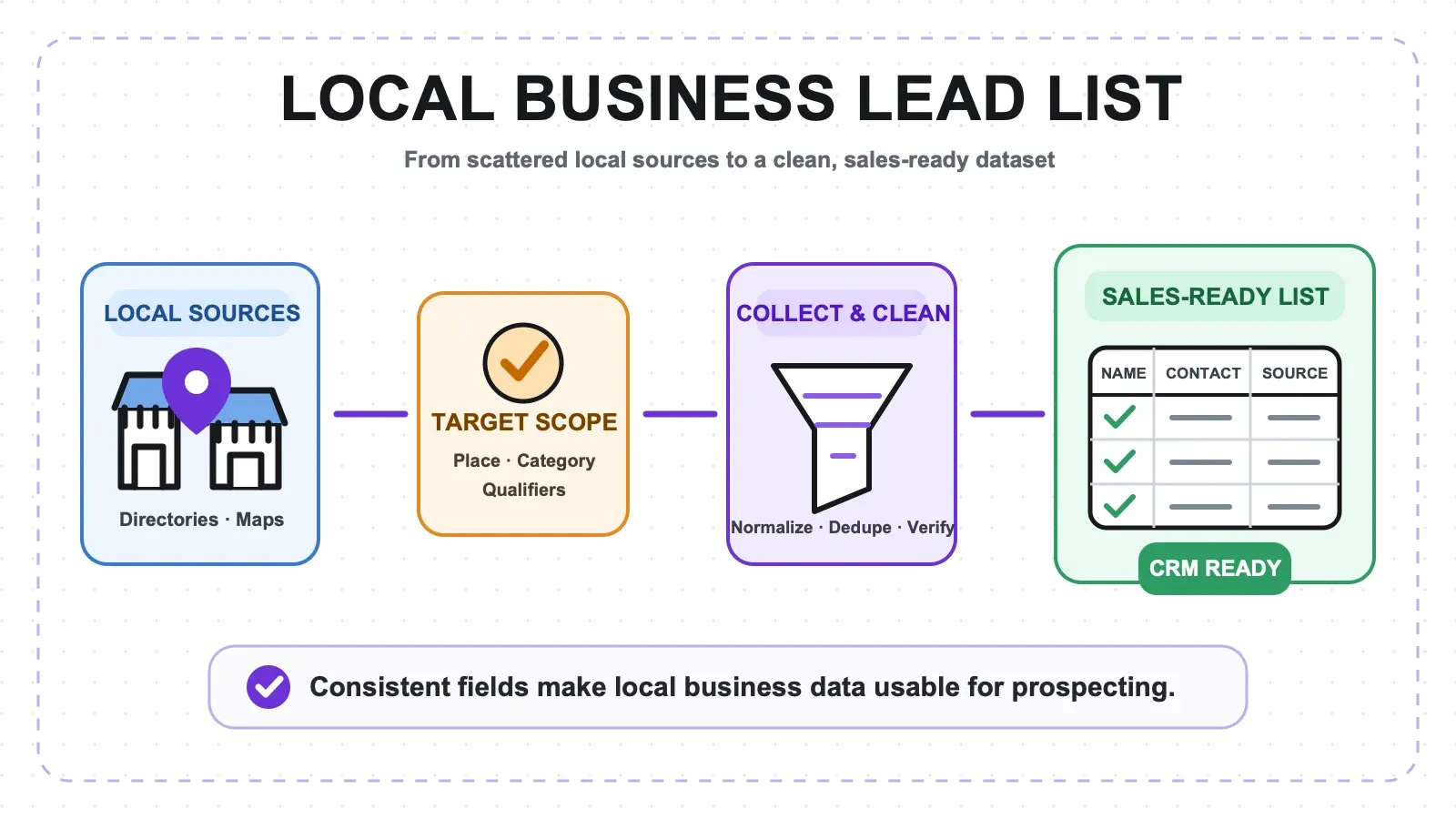
Let’s get clear: repetitive tasks are those routine, rule-based activities that happen over and over—think data entry, updating spreadsheets, sending follow-up emails, or copying info between systems. In sales and operations, these tasks are everywhere: collecting leads from directories, updating CRM records, tracking competitor prices, or pulling reports.
Why do these tasks drain productivity? Because they’re time-consuming, error-prone, and, let’s be honest, pretty boring. When your best people are stuck doing manual work, you’re not just wasting time—you’re missing out on their creativity and problem-solving skills.
Automation steps in to handle these repetitive jobs, freeing up your team to focus on higher-value work. The benefits are huge:

- Time savings: Automating routine tasks can save teams .
- Fewer mistakes: Machines don’t get tired or distracted, so your data stays clean.
- Consistency: Automated processes run the same way every time, ensuring reliable results.
- Employee satisfaction: Less grunt work means happier, more engaged teams.
How to Identify Which Daily Tasks Should Be Automated
Not every task is a good fit for automation. So, how do you know where to start? I use a simple framework: look for tasks that are rule-based, high-frequency, and low in creativity. If you can describe the steps in a checklist and you do it more than a few times a week, it’s probably a candidate.
Here’s a quick checklist to audit your own workflows:
| Task Characteristic | Automate? |
|---|---|
| Happens daily/weekly | ✅ |
| Follows clear rules | ✅ |
| Involves lots of copy-paste | ✅ |
| Requires little judgment | ✅ |
| Prone to human error | ✅ |
| Needs to scale up | ✅ |
| Needs creative thinking | ❌ |
| Changes every time | ❌ |
Real-world examples:
- Sales: Scraping leads from directories, updating CRM fields, sending intro emails.
- Operations: Pulling product data from supplier sites, updating pricing sheets, compiling reports.
- Marketing: Aggregating competitor content, tracking mentions, collecting reviews.
Signs Your Task Is Ready for Automation
Still not sure? Ask yourself:
- Do I dread doing this task because it’s so repetitive?
- Have I made mistakes here before?
- Would I trust a well-trained intern to do it?
- Would automating this free up time for more strategic work?
If you answered “yes” to most of these, it’s time to automate.
The Benefits of Automating Repetitive Tasks
Let’s break down the ROI. Here’s how manual vs. automated workflows stack up:
| Workflow Type | Time per Task | Error Rate | Consistency | Employee Satisfaction |
|---|---|---|---|---|
| Manual | 10–30 min | High | Variable | Low |
| Automated | 1–2 min | Low | High | High |
Intangible benefits: Automation doesn’t just save time—it also boosts morale. Employees spend less time on grunt work and more on creative, strategic projects. In fact, that teams with automation report higher job satisfaction and lower turnover.
Exploring Automation Solutions: From Traditional to AI-Powered
There are lots of ways to automate repetitive tasks, but not all are created equal. Here’s a quick rundown:
| Tool Type | Setup Time | Coding Needed | Flexibility | Handles Complex Sites? | Maintenance |
|---|---|---|---|---|---|
| Macros/Scripts (Excel, VBA) | Medium | Yes | Low | No | High |
| Workflow Apps (Zapier, IFTTT) | Low | No | Medium | No | Medium |
| Traditional Web Scrapers (ParseHub, Octoparse) | High | Sometimes | Medium | Sometimes | High |
| Thunderbit (AI-Powered) | Low | No | High | Yes | Low |
Traditional tools are great for simple, repetitive tasks on well-structured sites. But when you need to scrape data from complex, changing websites—or you want to automate tasks without writing code—AI-powered tools like are a game-changer.
Why Choose Thunderbit for Web Scraping Automation?
I’m a little biased (my team and I built Thunderbit), but here’s why I think it’s the best choice for automating web scraping tasks:
- No code required: Anyone can use it—just click “AI Suggest Fields” and let the AI do the heavy lifting.
- Handles complex sites: Thunderbit’s AI adapts to changing layouts, pagination, and even subpages.
- Subpage and pagination scraping: Need to grab data from multiple layers? Thunderbit can visit each subpage and merge the info into one table.
- Instant templates: For popular sites (Amazon, Zillow, Shopify, etc.), just pick a template and go—no setup needed.
- Export anywhere: Send your data to Excel, Google Sheets, Airtable, or Notion with one click.
- Free to try: Scrape up to 6 pages for free, or 10 with a trial boost.
How to Automate Repetitive Tasks with Thunderbit: Step-by-Step Guide
Let’s walk through how to automate a common repetitive task—scraping leads from a business directory and exporting them to Excel.
Step 1: Install and Set Up Thunderbit
- Go to the .
- Click “Add to Chrome” and follow the prompts.
- Sign up for a free account (it takes less than a minute).
Step 2: Identify and Select the Task to Automate
- Open the website you want to scrape (e.g., a directory of potential leads).
- Click the Thunderbit icon in your Chrome toolbar.
- Click “AI Suggest Fields”—Thunderbit scans the page and recommends columns like “Name,” “Email,” “Company,” etc.
- Adjust the fields if needed, or add your own.
Step 3: Configure Web Scraping with AI

- For sites with multiple pages, enable pagination scraping—Thunderbit will click through each page automatically.
- If you need more details from subpages (like individual profiles), enable subpage scraping—Thunderbit will visit each link and pull extra info.
- Use “Field AI Prompt” to fine-tune what data you want in each column (e.g., “Extract only work emails”).
Step 4: Export and Integrate Data into Your Workflow
- Once the scrape is done, preview your data in Thunderbit’s table.
- Click “Export” and choose Excel, Google Sheets, Airtable, or Notion.
- Use the data for sales outreach, reporting, or to update your CRM.
Pro tip: Thunderbit’s exports are fully structured—no messy cleanup required.
Ensuring Safe and Reliable Automation: Best Practices
Automation isn’t “set and forget.” Even the best AI needs a little human oversight. Here’s how to keep your automations running smoothly:
- Review results regularly: Check for missing or incorrect data, especially after website updates.
- Update field prompts: If your needs change, tweak your AI instructions for better accuracy.
- Monitor for errors: Thunderbit’s AI will flag issues, but it’s smart to do a quick spot-check after big scrapes.
- Stay compliant: Only scrape publicly available data, and respect privacy laws and site terms.
Thunderbit’s AI adapts to most changes automatically, but a little human review goes a long way.
Real-World Examples: Automating Repetitive Tasks in Sales and Operations
Let’s look at how teams are using Thunderbit to automate their workflows:
1. Sales Lead Generation
Before: Sales reps spent hours copying leads from directories into spreadsheets, often missing key info or making typos.
After: With Thunderbit, reps scrape hundreds of leads in minutes—complete with emails, phone numbers, and company details—then export directly to their CRM. Result: more time for actual selling, and a 30% increase in outreach volume.
2. Competitor Price Monitoring (Ecommerce)
Before: Ops teams checked competitor sites manually every day, updating prices by hand.
After: Thunderbit scrapes product prices from dozens of competitor sites on a schedule, exporting the data to Google Sheets for instant analysis. Result: faster price adjustments and better margins.
3. Updating Product Databases
Before: Teams merged info from multiple supplier sites, often missing updates or duplicating work.
After: Thunderbit scrapes product specs, images, and stock info from all suppliers, consolidating it into one clean spreadsheet. Result: up-to-date product data with less manual effort.
Key Takeaways: Unlocking Productivity Through Automation
Here’s what I hope you’ll remember:
- Identify the right tasks: Look for high-frequency, rule-based, low-creativity jobs.
- Start small: Automate one task, measure the impact, then scale up.
- Use the right tools: AI-powered platforms like Thunderbit make automation accessible to everyone—no coding, no headaches.
- Monitor and refine: Automation is powerful, but a little human oversight keeps things running smoothly.
Ready to reclaim your time and boost your team’s productivity? and try automating your first repetitive task today. For more tips and deep dives, check out the .
FAQs
1. How do I know which tasks to automate first?
Start with tasks that are repetitive, rule-based, and take up a lot of your time—like data entry, lead collection, or regular reporting. If you can describe the steps in a checklist, it’s probably a good fit for automation.
2. Is Thunderbit only for web scraping, or can it automate other tasks?
Thunderbit specializes in web scraping and data extraction, but it also offers features like AI Autofill for online forms and scheduled scraping for recurring tasks. It’s a great starting point for automating any workflow that involves gathering or updating web data.
3. Do I need to know how to code to use Thunderbit?
Nope! Thunderbit is designed for non-technical users. Just use the Chrome extension, click “AI Suggest Fields,” and follow the prompts. The AI handles the rest.
4. How does Thunderbit keep my automation reliable if websites change?
Thunderbit’s AI reads each website fresh every time, adapting to layout changes automatically. For major changes, you may need to update your field prompts, but the AI handles most tweaks on its own.
5. Can I export Thunderbit’s data directly into my workflow tools?
Absolutely. Thunderbit lets you export data to Excel, Google Sheets, Airtable, Notion, or as CSV/JSON files—making it easy to integrate with your existing workflows.
Ready to see what you can automate? Give Thunderbit a try and let your team focus on the work that really matters.