
ผมยังจำครั้งแรกที่พยายามอธิบายให้แม่ฟังว่า "AI agent" คืออะไรได้ดี แม่พยักหน้าอย่างสุภาพ แล้วก็ถามว่ามันเหมือนหุ่นยนต์ดูดฝุ่น Roomba ที่ชอบชนโซฟาอยู่เรื่อยหรือเปล่า ไม่เชิงครับแม่ แต่พูดตามตรง ในเมื่อ AI agent กำลังผุดขึ้นเต็มไปหมดในทุกอุตสาหกรรม ผมก็โทษแม่ไม่ได้ที่คิดว่ามันอยู่ทุกที่ และเอาจริง ๆ มันก็อยู่ทุกที่จริง ๆ นั่นแหละ
ในเวลาเพียงไม่กี่ปี AI agent เปลี่ยนจากคำฮิตแห่งอนาคตมาเป็นเรื่องธรรมดาในชีวิตประจำวันของธุรกิจ ผู้บริโภค และใช่ครับ แม้แต่ในห้องนั่งเล่นของบ้านเรา แต่ท่ามกลางกระแสที่ถูกปั่นขึ้นมามากมาย เราจะแยกผลกระทบที่เกิดขึ้นจริงออกจากเสียงรบกวนได้อย่างไร ตรงนี้แหละที่ตัวเลขเข้ามามีบทบาท ในฐานะคนที่ใช้เวลาหลายปีสร้างเครื่องมือด้านระบบอัตโนมัติและ AI (และตอนนี้เป็นผู้นำทีมที่ Thunderbit) ผมเรียนรู้ว่าวิธีที่ดีที่สุดในการตัดผ่านกระแสไฮป์คือการดูข้อมูล เอาล่ะ มาเจาะลึกสถิติ AI agent ที่บอกอะไรได้มากที่สุดในช่วงกลางปี 2026 กันเลย ตั้งแต่การนำไปใช้และการเติบโตของตลาด ไปจนถึงความแม่นยำ ความสามารถในการขยายขนาด และผลลัพธ์จริงที่สำคัญต่อธุรกิจของคุณ
ภาพรวม: สถิติ AI Agent ที่คุณควรรู้
เริ่มกันด้วยตัวเลขพาดหัวที่กำลังกำหนดภูมิทัศน์ของ AI agent อยู่ในตอนนี้ สถิติเหล่านี้ไม่ได้แค่น่าประทับใจ แต่กำลังเปลี่ยนวิธีที่เราทำงาน ช้อปปิ้ง และมีปฏิสัมพันธ์กันในทุก ๆ วัน
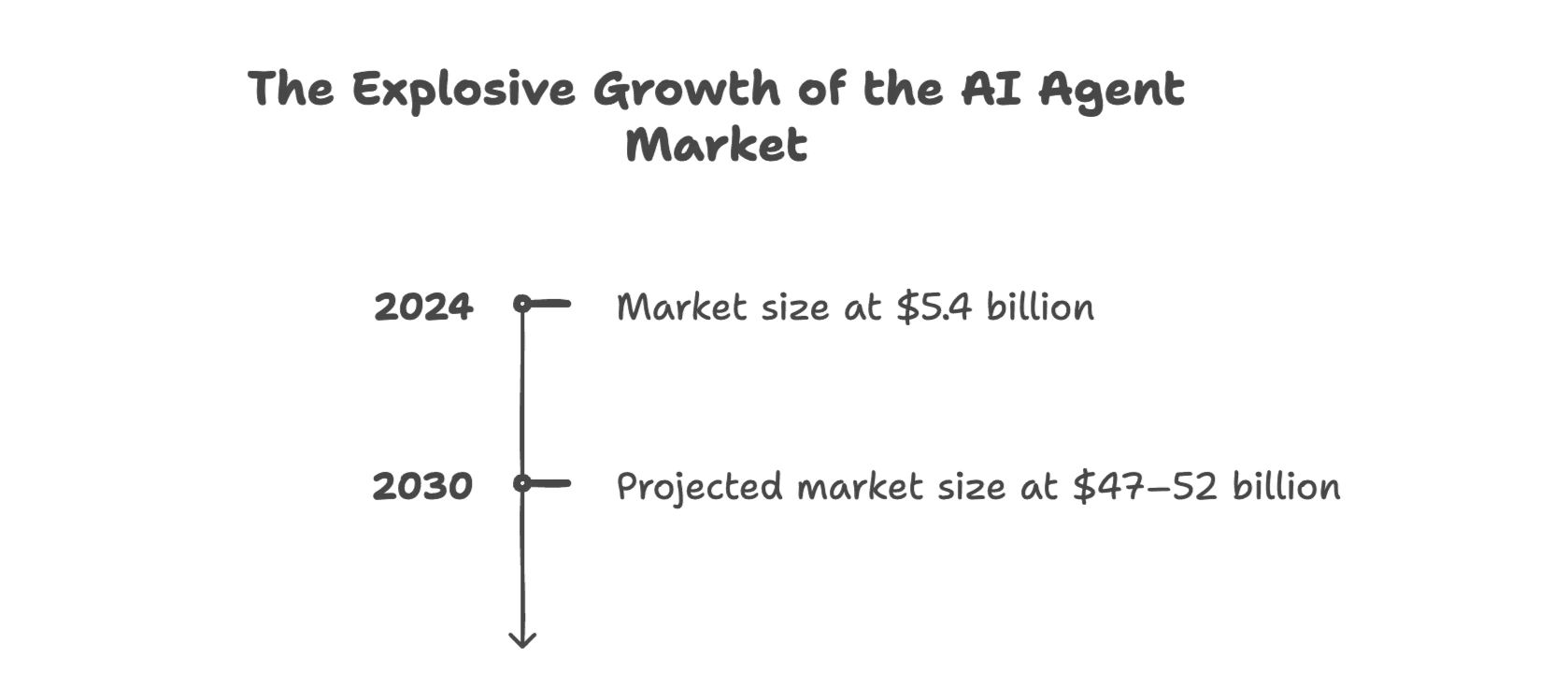
- ราว 1.1 หมื่นล้านดอลลาร์ในปี 2026 และมีแนวโน้มแตะ 2.5 แสนล้านดอลลาร์ขึ้นไปในช่วงต้นทศวรรษ 2030: ปัจจุบัน Grand View Research ประเมินมูลค่าตลาด AI agent ทั่วโลกไว้ที่ ราว 1.09 หมื่นล้านดอลลาร์ในปี 2026 โดยมีอัตราการเติบโตเฉลี่ยต่อปี (CAGR) ราว 49.6% ไปจนถึงปี 2033 ส่วน Precedence Research ให้ตัวเลขปี 2026 สูงกว่าเล็กน้อยที่ 1.155 หมื่นล้านดอลลาร์ และคาดการณ์ว่าจะแตะ 2.9466 แสนล้านดอลลาร์ภายในปี 2035 ไม่ว่าจะใช้ตัวเลขไหน เส้นกราฟก็ชันกว่าฐาน 5.4 พันล้านดอลลาร์ในปี 2024 ที่บทความส่วนใหญ่ในปี 2025 อ้างถึง
- อเมริกาเหนือเป็นผู้นำ: สหรัฐฯ และแคนาดาคิดเป็นราว 40% ของรายได้ AI agent ทั่วโลก
- การนำไปใช้ในองค์กรขนาดใหญ่แทบจะเป็นสากลแล้ว: แทบทุกบริษัทใน Fortune 500 รายงานว่ามีการใช้ AI ที่ใดที่หนึ่งในธุรกิจ และ ณ ต้นปี 2026 กว่า 80% ก้าวข้ามช่วงนำร่องไปสู่การใช้ AI agent จริงในระบบโปรดักชันแล้ว (อ้างอิงข้อมูลเทเลเมทรีของ Microsoft เดือนกุมภาพันธ์ 2026 เกี่ยวกับการใช้งาน Copilot Studio)
- ธุรกิจ SMB กำลังตามทัน: 75% ของธุรกิจขนาดเล็กและขนาดกลาง กำลังทดลองใช้ AI และ 78% วางแผนเพิ่มการลงทุนในปีหน้า
- ประสิทธิภาพที่เพิ่มขึ้น: ผู้ที่นำไปใช้ในช่วงแรกเห็น ผลิตภาพเพิ่มขึ้นถึง 50% ในงานอย่างบริการลูกค้าและงานขาย
- บริการลูกค้า หนึ่งปีหลังคำทำนาย: คำคาดการณ์ที่ถูกอ้างถึงบ่อยว่า "95% ของปฏิสัมพันธ์กับลูกค้าจะถูกจัดการโดย AI ภายในปี 2025" (เดิมทีเป็นการคาดการณ์ของ Servion/Zendesk) พลาดเป้าไปไกลอย่างชัดเจน ความจริงในปี 2026 ใกล้เคียงกับ ราว 80% ของปฏิสัมพันธ์ระดับ tier-1 ที่เป็น งานประจำ ที่ AI แก้ไขได้จบในตัว ซึ่งก็ยังถือเป็นการเปลี่ยนแปลงเชิงขั้นบันได เพียงแต่ไม่ใช่ตัวเลขตามพาดหัว ปัจจุบันผู้บริโภคราวสองในสามเคยใช้แชตบอตเพื่อขอความช่วยเหลือในรอบปีที่ผ่านมา
- ผลกระทบต่อพนักงาน: 79% ของพนักงาน บอกว่า AI agent ช่วยให้ผลงานในที่ทำงานของพวกเขาดีขึ้น
ตัวเลขเหล่านี้ไม่ได้ใหญ่อย่างเดียว แต่มันพลิกโฉมทุกอย่าง แล้วอะไรคือแรงขับเคลื่อนของการพุ่งทะยานนี้ และใครคือผู้นำ มาซูมดูกันใกล้ ๆ
การเติบโตของตลาด AI Agent: โอกาสใหญ่แค่ไหน
ตลาด AI agent ไม่ได้แค่โต แต่กำลังนั่งจรวดอยู่ ผมเห็นการบูมของเทคโนโลยีมาเยอะในอาชีพการงาน แต่มีน้อยครั้งมากที่จะมีแรงส่ง (และเม็ดเงินลงทุน) มากเท่าที่ AI agent กำลังดึงดูดอยู่ตอนนี้
ขนาดตลาดและปัจจัยขับเคลื่อนการเติบโต
- จาก 5.4 พันล้านดอลลาร์สู่ 4.7 หมื่นล้านดอลลาร์: ตลาด AI agent ทั่วโลกมีแนวโน้ม เติบโตเกือบสิบเท่าภายในปี 2030 โดยมีอเมริกาเหนือเป็นผู้นำ
- Generative AI คือเครื่องยนต์: ความก้าวหน้าของโมเดลภาษาขนาดใหญ่ (LLM) ทำให้ agent มีความเป็นมนุษย์มากขึ้น เข้าใจบริบทได้ดีขึ้น และปรับตัวได้ดีขึ้น ซึ่งเปิดกรณีการใช้งานใหม่ ๆ ในทุกอุตสาหกรรม (MarketsandMarkets)
- แพลตฟอร์ม no-code/low-code: การเติบโตของเครื่องมือที่ใช้ง่ายหมายความว่าคุณไม่จำเป็นต้องจบปริญญาเอกด้าน AI เพื่อนำ agent ไปใช้งาน นี่เป็นเรื่องใหญ่มากสำหรับทีมที่ต้องการขยับเร็ว
- คลาวด์และ "agent-as-a-service": โซลูชันแบบพร้อมใช้จากผู้ให้บริการคลาวด์และสตาร์ตอัปกำลังลดกำแพงการเข้าถึงสำหรับทุกคน ตั้งแต่ผู้ประกอบการคนเดียวไปจนถึงบริษัทใน Fortune 500
ผู้เล่นหลักและแนวโน้มการลงทุน
การตื่นทองของ AI agent ไม่ได้เป็นเรื่องของเทคโนโลยีอย่างเดียว แต่เป็นเรื่องของการเดิมพันก้อนใหญ่และชื่อชั้นระดับใหญ่ด้วย
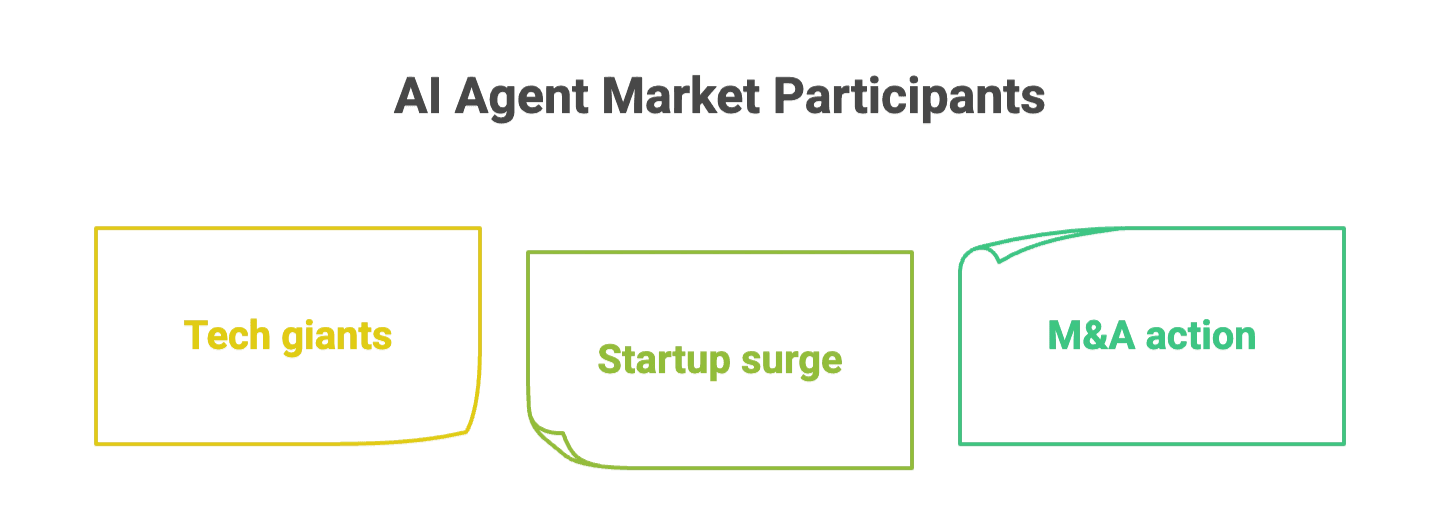
- ยักษ์ใหญ่ด้านเทคโนโลยี: Amazon AWS, Microsoft (Copilot), IBM (Watsonx Orchestrate), Google (Vertex AI Agent Builder) และ Salesforce (Einstein Copilot) ต่างทุ่มสุดตัวกับ AI agent โดยฝังมันเข้าไปในผลิตภัณฑ์หลักของตัวเอง (Forbes)
- คลื่นสตาร์ตอัป: บริษัทอย่าง Hugging Face (ระดมทุนได้ 235 ล้านดอลลาร์), Perplexity AI ซึ่งปัจจุบันมีมูลค่า ราว 2.26 หมื่นล้านดอลลาร์ ณ เดือนมกราคม 2026 หลังการระดมทุนรอบ Series E-6 และ Voiceflow (ระดมทุนได้ 15 ล้านดอลลาร์) ต่างดึงดูดเงินทุนก้อนใหญ่
- ความเคลื่อนไหวด้านควบรวมกิจการ: Salesforce เข้าซื้อ Tenyx และ Convergence.ai เพื่อเสริมเทคโนโลยี conversational agent ขณะที่ OpenAI ปิดดีลซื้อกิจการ io ของ Jony Ive มูลค่า 6.5 พันล้านดอลลาร์ ในเดือนกรกฎาคม 2025 โดยผลิตภัณฑ์ฮาร์ดแวร์ตัวแรกมีกำหนดเปิดตัวในปี 2026
ในปี 2024 สตาร์ตอัปด้าน AI agent ระดมทุนได้ราว 3.8 พันล้านดอลลาร์ เพิ่มขึ้นเกือบสามเท่าจากปี 2023 และภาพยิ่งน่าสนใจขึ้นอย่างมากในปี 2025 สตาร์ตอัปที่โฟกัส agentic AI โดยเฉพาะดึงเงินทุนได้ ราว 2.8 พันล้านดอลลาร์เฉพาะครึ่งแรกของปี 2025 และภาคส่วน AI โดยรวมปิดปี 2025 ที่ เงินร่วมลงทุนรวมราว 2.02 แสนล้านดอลลาร์ (ราวครึ่งหนึ่งของเงินร่วมลงทุนทั่วโลกทั้งหมด) ถ้าคุณเคยสงสัยว่าเงินฉลาดที่ไหลเข้ามาช่วงต้นปี 2024 เป็นแค่ปรากฏการณ์ชั่วคราวหรือเปล่า คำตอบคือไม่ใช่
การนำ AI Agent ไปใช้: ใครใช้และใช้ทำไม
AI agent ไม่ได้เป็นเรื่องของซิลิคอนแวลลีย์อีกต่อไป มันโผล่ขึ้นมาทุกที่ ตั้งแต่แชตบอตของธนาคารที่คุณใช้ ไปจนถึงซอฟต์แวร์ที่นัดหมายคิวพบแพทย์ครั้งถัดไปให้คุณ
การนำไปใช้แยกตามอุตสาหกรรม
-
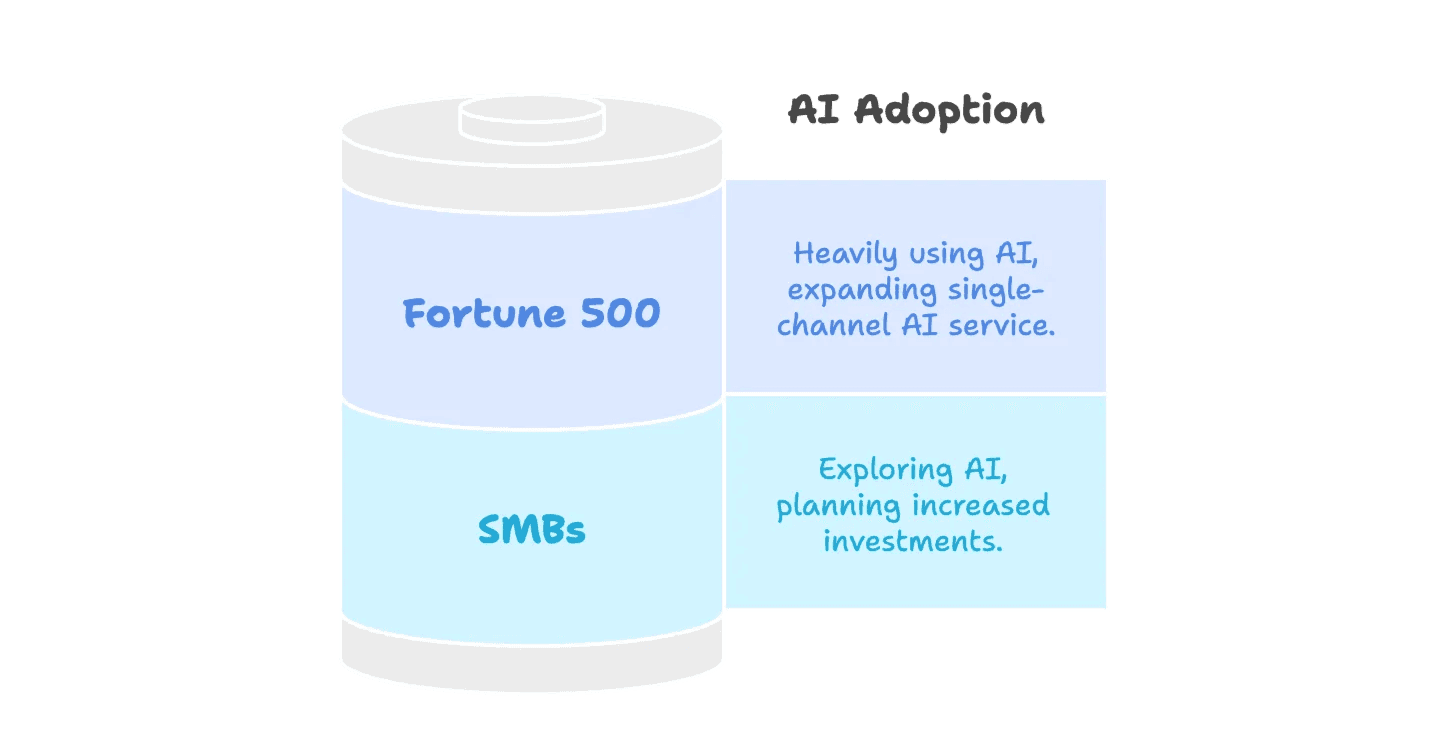
Fortune 500: 99% ใช้ AI และ 30% จะให้บริการลูกค้าผ่านช่องทาง AI เพียงช่องทางเดียวภายในปี 2028
-
SMB: 75% กำลังทดลองใช้ AI และ 78% วางแผนเพิ่มการลงทุนด้าน AI
-
แยกตามภาคธุรกิจ:
โทรคมนาคมและการเงิน: 30–38% ของงานบริการ ได้รับการปรับให้มีประสิทธิภาพขึ้นด้วย AI agent
ค้าปลีก: 31% ของงานบริการ จัดการโดย AI และ 76% ของร้านค้าออนไลน์ ใช้หรือวางแผนจะใช้แชตบอต
สาธารณสุข: มีการคาดการณ์ว่า 90% ของโรงพยาบาล จะใช้ AI เพื่อการวินิจฉัยหรือการติดตามผู้ป่วยทางไกลภายในปี 2025 ข้อมูลรายอุตสาหกรรมในปี 2026 ชี้ว่าการนำไปใช้อยู่ในระดับสูงแต่ไม่สม่ำเสมอ เครือข่ายโรงพยาบาลขนาดใหญ่ก้าวหน้ากว่าโรงพยาบาลชุมชนอยู่มาก
การผลิต: การนำไปใช้กำลังเพิ่มขึ้น โดยเฉพาะในงานการตลาด ซัพพลายเชน และการออกแบบ
องค์กรขนาดใหญ่ vs. SMB
- องค์กรขนาดใหญ่: ขยับเร็วกว่าในการใช้งานขนาดใหญ่ และมักผนวก agent เข้ากับระบบหลัก (เช่น CRM, ERP, IT support)
- SMB: มักเริ่มจากงานบริการลูกค้าหรือระบบอัตโนมัติด้านการตลาด แต่ช่องว่างกำลังแคบลงอย่างรวดเร็วเมื่อเครื่องมือใช้งานง่ายขึ้น
สรุปแล้วล่ะ? ไม่ว่าคุณจะเป็นยักษ์ใหญ่ใน Fortune 500 หรือสตาร์ตอัปเล็ก ๆ ที่กำลังสู้ AI agent กำลังกลายเป็นสิ่งพื้นฐานที่ต้องมี
ความแม่นยำของ AI Agent: การวัดผลงานและความน่าเชื่อถือ
พูดกันตรง ๆ ไม่มีใครอยากได้ AI agent ที่บอกทางไปสนามบินผิดแห่ง หรือเรียกเจ้านายคุณว่า "แม่" ความแม่นยำคือทุกอย่าง
วัดความแม่นยำกันอย่างไร
- การรู้จำเจตนา (intent recognition): สำหรับแชตบอต ความแม่นยำราว 80% คือมาตรฐานทองในการเข้าใจว่าผู้ใช้ต้องการอะไร
- อัตราความสำเร็จของงาน: ผลงานบนเบนช์มาร์กขยับเร็วมาก ตัวเลข "GPT-4 สำเร็จ 24%" ที่แพร่หลายในช่วงปี 2023–2024 กลายเป็นหมุดหมายทางประวัติศาสตร์ไปแล้ว ตามรายงาน Stanford HAI 2026 AI Index agent ระดับแนวหน้าทำได้ราว 66% บน OSWorld, 74% บน WebArena (เทียบกับเส้นฐานของมนุษย์ที่ 78%) และ 74.5% บน GAIA ภาพจึงไม่ใช่ "agent ทำเรื่องนี้ไม่ได้" อีกต่อไป แต่เป็น "agent ทำได้เกือบทุกครั้ง แต่ความล้มเหลวหนึ่งในสามครั้งยังเป็นอุปสรรคต่อการใช้งานแบบไร้คนดูแลอย่างสมบูรณ์"
- การดึงข้อมูล: agent สมัยใหม่ทำ ความแม่นยำได้ 95–99% บนเอกสารที่มีโครงสร้าง บางครั้งทำได้ดีกว่ามนุษย์ด้วยซ้ำ
ปัจจัยที่ส่งผลต่อความแม่นยำของ AI Agent
- ข้อมูลฝึกสอน: ข้อมูลที่หลากหลายและมีคุณภาพสูงกว่าย่อมให้ผลงานที่ดีกว่า
- ความซับซ้อนของโมเดล: ใหญ่กว่าไม่ได้แปลว่าดีกว่าเสมอไป แต่โมเดลขั้นสูง (อย่าง GPT-4) กำลังยกระดับมาตรฐานขึ้น
- การกำกับดูแลโดยมนุษย์: หลายองค์กรใช้กลไกสำรองหรือระบบ "human-in-the-loop" สำหรับเคสที่ยุ่งยากที่สุด
มีข้อควรระวังสำคัญข้อหนึ่ง และในปี 2026 มันดังขึ้นไม่ได้เบาลงเลย นั่นคือข้อผิดพลาดจะทบต้นกันไปตลอดเวิร์กโฟลว์หลายขั้นตอน คณิตศาสตร์คลาสสิกยังใช้ได้อยู่ (95% × 95% × 95% ≈ 86% เมื่อผ่านสามขั้นตอน) แต่การวิเคราะห์ระบบจริงล่าสุดให้ภาพที่มืดกว่านั้น: ระหว่าง 41% ถึง 86.7% ของระบบมัลติเอเจนต์ล้มเหลวในสภาพแวดล้อมโปรดักชัน ขึ้นอยู่กับความลึกของเวิร์กโฟลว์ และห่วงโซ่ที่ยาวกว่าก็ทบต้นเร็วกว่าที่ทีมส่วนใหญ่คาดคิด ดังนั้นเวลาประเมินขนาดการใช้งาน agent อย่าถามแค่ว่า "ความแม่นยำต่อขั้นตอนของผมเท่าไร" แต่ต้องถามด้วยว่า "กี่ขั้นตอนก่อนที่ผมจะต้องมีจุดตรวจสอบโดยมนุษย์"
ความสามารถในการขยายขนาดของ AI Agent: จากโครงการนำร่องสู่การใช้งานทั่วองค์กร
การขยายขนาด AI agent ไม่ใช่แค่การกดสวิตช์ มันเหมือนการรับสมาชิกใหม่เข้าทีมมากกว่า คนที่ไม่เคยหลับ แต่บางครั้งก็ต้องการการโค้ชอยู่บ้าง
การใช้งานจริงและระยะเวลากว่าจะเห็นผล
- ระดับองค์กร: Erica ของ Bank of America ผ่านหลัก ปฏิสัมพันธ์กับลูกค้า 3.4 พันล้านครั้งนับตั้งแต่เปิดตัวในปี 2018 แล้ว ตามการเปิดเผยข้อมูลของ BofA ในเดือนมีนาคม 2026 โดยลูกค้าเรียกใช้ Erica มากกว่า 2 ล้านครั้งต่อวัน ไม่ว่าคุณจะคิดอย่างไรกับแชตบอตของธนาคารเมื่อปี 2018 คำตอบเรื่องปริมาณการใช้งานก็ชัดเจนแล้ว
- ความเร็ว: agent บนคลาวด์บางตัวสามารถนำไปใช้งานได้ภายในไม่กี่สัปดาห์ ขณะที่การใช้งานทั่วทั้งองค์กรที่ซับซ้อนอาจใช้เวลา 3–6 เดือน
- ผลตอบแทนการลงทุน: หลายบริษัทเห็นประสิทธิภาพที่เพิ่มขึ้นหรือการประหยัดต้นทุนภายใน 6–12 เดือน หลังเริ่มใช้งาน
การก้าวข้ามอุปสรรคด้านการขยายขนาด
- การเชื่อมต่อระบบ: การเชื่อม agent เข้ากับระบบที่มีอยู่ (CRM, ERP, ฐานข้อมูล) เป็นความท้าทายอันดับต้น ๆ (Deloitte)
- การบริหารการเปลี่ยนแปลง: พนักงานต้องปรับตัวเข้ากับเวิร์กโฟลว์ใหม่ และบางครั้งต้องเปลี่ยนบทบาทจาก "ผู้ลงมือทำ" มาเป็น "ผู้กำกับดูแล" AI
- ความเป็นส่วนตัวของข้อมูล: เมื่อ agent เข้าถึงข้อมูลมากขึ้น การปฏิบัติตามกฎระเบียบและความปลอดภัยก็กลายเป็นเรื่องสำคัญยิ่ง
แม้จะมีอุปสรรคเหล่านี้ แนวโน้มก็ชัดเจน: การขยายขนาดกำลังง่ายขึ้นเมื่อเครื่องมือพัฒนาเต็มที่ขึ้น แต่อย่าคาดหวังผลลัพธ์แบบทันตาเห็น การปรับจูนและการเฝ้าติดตามอย่างต่อเนื่องคือกุญแจสู่ความสำเร็จระยะยาว
สถิติ AI Agent ในด้านประสบการณ์ลูกค้า
ถ้าคุณเพิ่งคุยกับบอตฝ่ายสนับสนุนลูกค้ามาไม่นาน คุณก็น่าจะได้เจอ AI agent ทำงานจริงมาแล้ว ผลกระทบต่อประสบการณ์ลูกค้า (CX) นั้นมหาศาลและวัดผลได้
AI Agent กำลังพลิกโฉม CX อย่างไร
- การรับภาระงาน: การคาดการณ์ในช่วงปี 2023–2024 คาดว่า AI จะจัดการปฏิสัมพันธ์กับลูกค้าถึง 95% ภายในปี 2025 ส่วนความจริงในปี 2026 ใกล้เคียงกับ 80% ของปฏิสัมพันธ์ที่เป็น งานประจำ ซึ่งก็ยังถือเป็นการเปลี่ยนแปลงครั้งใหญ่
- ความเร็ว: 81% ของลูกค้า เลือกลองบริการตัวเองผ่าน AI ก่อนติดต่อคน และ 59% คาดหวังให้บอตตอบกลับภายใน 5 วินาที
- ความพึงพอใจของลูกค้า: 87% ของผู้บริโภค ให้คะแนนประสบการณ์กับแชตบอตว่าเป็นกลางหรือดี และ 62% เลือกบอตมากกว่าการรอคนจริงสำหรับคำถามง่าย ๆ
- การปรับให้เหมาะกับแต่ละบุคคล: AI agent ช่วยเพิ่ม ขนาดตะกร้าสินค้า 2–4% และ อัตราการคลิกโฆษณาดีขึ้นถึง 40% ในอีคอมเมิร์ซ
ความชอบและมุมมองของผู้บริโภค
- คนรุ่นใหม่: 71% ของ Gen Z ใช้ผู้ช่วย AI ในการค้นหาสินค้าอย่างจริงจัง
- ผู้บริโภคสูงวัย: มีเพียงราว 28% ของคนอายุ 55 ปีขึ้นไปที่ไว้ใจ AI ให้ทำงานอย่างการเลือกของขวัญ (Chain Store Age) แต่ความคุ้นเคยก็เพิ่มขึ้นเรื่อย ๆ เมื่อ agent เก่งขึ้น
ข้อสรุปคืออะไร? ลูกค้าต้องการบริการที่รวดเร็ว สม่ำเสมอ และตรงกับตัวเอง และ AI agent ก็กำลังส่งมอบสิ่งเหล่านั้น
สถิติ AI Agent ในอีคอมเมิร์ซและการเงิน
อีคอมเมิร์ซและการเงินคือจุดศูนย์กลางของการนำ AI agent มาใช้ ทำไมน่ะหรือ เพราะผลตอบแทนเกิดขึ้นทันทีและมหาศาล
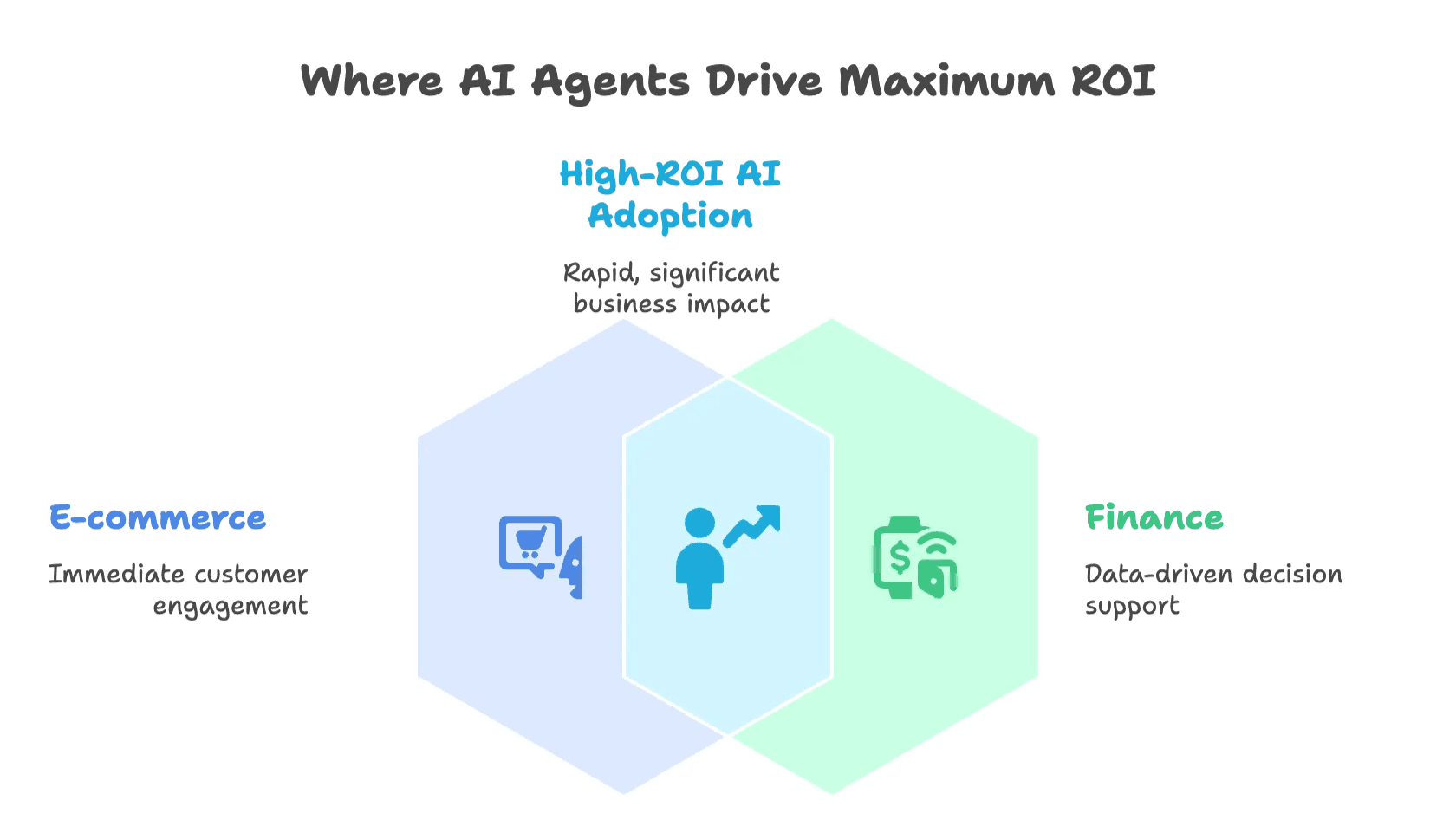
อีคอมเมิร์ซ
- การแปลงยอดและยอดขาย: ผู้ช่วยช้อปปิ้งแบบสนทนาสามารถ เพิ่มอัตราการแปลงยอดและขนาดตะกร้าสินค้าได้ 2–4%
- ความเต็มใจของลูกค้า: 47% ของผู้บริโภค เปิดรับการซื้อสินค้าผ่านบอต
- การประหยัดต้นทุน: คาดว่าผู้ค้าปลีกจะประหยัดได้หลายพันล้านดอลลาร์ โดย ยอดใช้จ่ายค้าปลีกของผู้บริโภคทั่วโลกผ่านผู้ช่วยดิจิทัลอยู่ที่ 1.42 แสนล้านดอลลาร์ในปี 2024
- ประสิทธิภาพการดำเนินงาน: AI agent ช่วย ลดเวลารอที่จุดชำระเงินลง 50% ที่ Kroger
การเงิน
- ผู้ช่วยเสมือน: ธนาคารใหญ่ 10 อันดับแรกของสหรัฐฯ ล้วนใช้ AI agent ในงานบริการลูกค้าแล้ว (Master of Code)
- การประหยัดต้นทุน: แชตบอตช่วยธนาคารประหยัดเงินได้ราว 7.3 พันล้านดอลลาร์ทั่วโลกในปี 2023
- การบริหารความเสี่ยง: AI agent ได้รับเครดิตว่าช่วยลดเหตุการณ์ฉ้อโกงลงในระดับเลขสองหลัก
- ความชอบของลูกค้า: 43% ของลูกค้าธนาคารในสหรัฐฯ เลือกแก้ปัญหาผ่านแชตบอตหากทำได้
ผลลัพธ์เฉพาะอุตสาหกรรม
- สาธารณสุข: คาดการณ์ว่า 90% ของโรงพยาบาล จะใช้ AI ในการวินิจฉัยหรือติดตามผู้ป่วยภายในปี 2025
- การผลิต: โรงงานอัจฉริยะรายงาน ประสิทธิภาพเพิ่มขึ้น 20% จาก agent ที่ช่วยจัดตารางการผลิต
- บริการลูกค้า: บริษัทต่าง ๆ ทำได้ถึง ลดต้นทุนการบริการลง 25% และ แก้ปัญหาได้เร็วขึ้น 44% ในธุรกิจโทรคมนาคม
ความเสี่ยง จริยธรรม และการกำกับดูแล: ตัวเลขบอกอะไรบ้าง
พลังที่ยิ่งใหญ่มาพร้อมความรับผิดชอบที่ยิ่งใหญ่ และดูเหมือนว่าจะมาพร้อมการประชุมบอร์ดอีกเพียบด้วย
ความกังวลขององค์กรและการรับมือ
- การกำกับดูแลระดับบอร์ด: 31% ของบริษัทใน S&P 500 มีการกำกับดูแล AI ในระดับคณะกรรมการบริษัทแล้ว เพิ่มขึ้นจาก 15% ในปีที่ผ่านมา
- นโยบายด้านจริยธรรม: มีเพียง 23% ของบริษัท ที่มีนโยบายจริยธรรม AI เป็นลายลักษณ์อักษร
- การประเมินความเสี่ยง: 58% ของผู้บริหาร เคยทำการประเมินความเสี่ยงด้าน AI เบื้องต้น
- ความกังวลที่พบบ่อย: 90% ขององค์กร รายงานว่าพบประเด็นหรือเหตุการณ์ด้านจริยธรรมที่เกี่ยวข้องกับ AI ในช่วงไม่กี่ปีที่ผ่านมา
- ความเป็นส่วนตัวของข้อมูล: 31% ของบริษัท จำกัดไม่ให้ AI agent เข้าถึงข้อมูลอ่อนไหว เว้นแต่จะมีมนุษย์คอยกำกับดูแล
Human-in-the-Loop และปัญญาที่เสริมพลังมนุษย์
- การกำกับดูแลโดยมนุษย์: 29% ของบริษัท คงระบบ human-in-the-loop ไว้สำหรับการตัดสินใจสำคัญ
- การเสริมศักยภาพ: 47% ขององค์กร มอง AI agent เป็นตัวช่วยของพนักงาน ไม่ใช่ตัวแทนที่มาแทนที่
- การอบรมพนักงาน: มีเพียง 35% ของแรงงาน ที่ได้รับการอบรมเกี่ยวกับ AI ในปีที่ผ่านมา แต่ 86% เชื่อว่าตนเองจำเป็นต้องได้รับ
สารที่สื่อออกมาชัดเจน: AI ที่มีความรับผิดชอบไม่ใช่ทางเลือก บริษัทที่ทำเรื่องนี้ได้ถูกต้องจะสร้างความไว้วางใจได้ และหลีกเลี่ยงพาดหัวข่าวที่น่ากระอักกระอ่วนอย่างยิ่งได้ด้วย
ผลิตภาพและผลงานที่ดีขึ้น: สถิติ AI Agent ที่สำคัญจริง
มาคุยเรื่องที่ทำให้ผู้นำธุรกิจตื่นเต้นจริง ๆ กันดีกว่า นั่นคือผลลัพธ์ ตัวเลขด้านผลิตภาพ การประหยัดต้นทุน และผลงาน เป็นสิ่งที่มองข้ามได้ยาก
ประสิทธิภาพ ความคิดสร้างสรรค์ และผลประกอบการ
- ความเร็วในการทำงาน: พนักงานที่ใช้ AI copilot ทำงานเสร็จ เร็วขึ้น 26–73%
- ผลิตภาพของนักพัฒนา: agent ช่วยเขียนโค้ดทำให้นักพัฒนา เร็วขึ้น 126%
- บริการลูกค้า: เจ้าหน้าที่ซัพพอร์ตที่ใช้ AI รับมือคำถามได้ มากขึ้น 13.8% ต่อชั่วโมง และพนักงานบริการประหยัดเวลาได้ กว่า 2 ชั่วโมงต่อวัน
- ผลตอบแทนการลงทุน: ทุก ๆ 1 ดอลลาร์ที่ลงทุนใน AI บริษัทได้ผลตอบแทนเฉลี่ย 3.5 ดอลลาร์ และบางรายรายงานว่าสูงถึง 8 ดอลลาร์
- ความพึงพอใจของพนักงาน: 82% ของแรงงาน ที่ใช้ AI agent รู้สึกพึงพอใจกับงานของตนมากขึ้น
- ความคิดสร้างสรรค์: 38% ของพนักงาน บอกว่า AI agent ทำให้พวกเขามีความคิดสร้างสรรค์มากขึ้น
ผลลัพธ์ต่อพนักงานและธุรกิจ
- Kroger: การใช้ AI ปรับการจัดกำลังคนที่จุดชำระเงินช่วยลดเวลารอลง 50% และแก้ปัญหา ชั่วโมงแรงงานที่ว่างอยู่ 18,000 ชั่วโมง
- Delta Air Lines: AI agent ช่วยประหยัดได้ราว 5 ล้านดอลลาร์ต่อปี จากการปรับการจัดสรรที่นั่งให้เหมาะสม
- Uber: agent ที่ดูแลการจ่ายงานและการตั้งราคาช่วยเพิ่มอัตราการใช้ประโยชน์ขึ้น 5–10%
- ผลกระทบระดับมหภาค: AI agent อาจ ยกระดับผลิตภาพแรงงานทั่วโลกขึ้นปีละ 1.5% และเพิ่ม 15.7 ล้านล้านดอลลาร์ให้กับ GDP โลกภายในปี 2030
ถ้าคุณยังไม่เห็นผลลัพธ์แบบนี้ ก็อาจถึงเวลาทบทวนกลยุทธ์ AI ของคุณแล้ว หรืออย่างน้อยก็ลองถาม AI agent ของคุณดูว่าทำไมถึงเอาแต่นั่งเล่นหมากรุกอยู่ได้
ประเด็นสำคัญ: สถิติ AI Agent บอกอะไรเกี่ยวกับอนาคต
- AI agent มาอยู่กับเราถาวรแล้ว การนำไปใช้แทบเป็นสากลในธุรกิจขนาดใหญ่ และกำลังกระจายสู่ SMB อย่างรวดเร็ว
- ตลาดกำลังเฟื่องฟู การลงทุน นวัตกรรม และการแข่งขันกำลังผลักดันการเติบโตอย่างรวดเร็ว และโอกาสก็มหาศาล
- ความแม่นยำและการขยายขนาดกำลังดีขึ้น แต่การกำกับดูแลโดยมนุษย์และการเชื่อมต่อระบบที่แข็งแรงยังคงจำเป็นต่อความสำเร็จ
- ประสบการณ์ลูกค้ากำลังถูกนิยามใหม่ AI agent ทำให้บริการเร็วขึ้น ตรงกับแต่ละคนมากขึ้น และ (ขออนุญาตพูด) เจ็บปวดน้อยลงสำหรับทุกฝ่าย
- ผลิตภาพที่เพิ่มขึ้นเป็นเรื่องจริง ตัวเลขด้านประสิทธิภาพ การประหยัดต้นทุน และความพึงพอใจของพนักงานพูดแทนตัวมันเองอยู่แล้ว
- AI ที่มีความรับผิดชอบเป็นเรื่องที่ต่อรองไม่ได้ จริยธรรม การบริหารความเสี่ยง และการยกระดับทักษะ กลายเป็นวาระในห้องประชุมบอร์ด ไม่ใช่แค่ปัญหาปวดหัวของฝ่ายไอที
- อนาคตคือรูปแบบผสม ผลลัพธ์ที่ดีที่สุดเกิดจากมนุษย์และ AI agent ทำงานร่วมกัน โดยแต่ละฝ่ายทำในสิ่งที่ตัวเองถนัดที่สุด
Data Scraping คืออะไร และทำอย่างไรในปี 2025 Get Started Free
เมื่อมองไปข้างหน้า ผมเชื่อว่า AI agent จะกลายเป็นเรื่องธรรมดาพอ ๆ กับอีเมลหรือสเปรดชีต เพียงแต่ฉลาดกว่ามาก (และหวังว่าจะมีหายนะจาก "Reply All" น้อยกว่า) สำหรับผู้นำธุรกิจ ทีมเทคโนโลยี และผู้กำหนดนโยบาย สารที่สื่อออกมาชัดเจน: การเข้าใจสถิติ AI agent ไม่ใช่แค่เรื่องที่มีไว้ก็ดี แต่มันคือแผนที่นำทางให้คุณยังอยู่ในเกมในโลกที่ขับเคลื่อนด้วย AI
อ่านเพิ่มเติมที่แนะนำ
- ถอดรหัส AI Agent ในปี 2025: แยกกระแสไฮป์ออกจากความจริง
- AI Agent กำลังพลิกโฉมธุรกิจ SMB ในปี 2025 อย่างไร
- สถิติบริการลูกค้าด้วย AI ที่คุณต้องรู้ในปี 2025)
- ความแม่นยำของ AI Agent: ความท้าทาย ตัวชี้วัด และแนวปฏิบัติที่ดีที่สุด
- ทำไมปี 2025 ยังไม่ใช่ปีแห่ง AI Agent (อย่างน้อยก็ยังไม่ใช่ตอนนี้)
ลองใช้ Thunderbit AI Web Scraper
ลองใช้ AI Web Scraper เพื่อข้อมูลเชิงลึกทางธุรกิจ Get Started Free




